Transitioning linen into autumn requires choosing heavy-weight fabrics (200–350+ GSM), prioritizing deep earth tones, utilizing strategic thermal layering, and adjusting washing routines to prevent fiber stiffness in drier indoor environments. By combining dense flax weaves with wool, suede, and structured knits, you can wear linen comfortably throughout the cooler months.
Understanding Linen Weights and Fabric Characteristics for Autumn
Linen is frequently mischaracterized as an exclusively summer fabric due to its breathability and low thread density in warm-weather garments. However, the thermoregulating properties of flax fibers make high-density linen equally suited for autumnal temperatures. Flax fibers are inherently hollow, allowing them to trap ambient body heat when layered properly while maintaining air circulation to prevent overheating during fluctuating autumn weather.
Evaluating linen for cooler seasons requires analyzing fabric density measured in grams per square meter (GSM). Summer garments typically range from 110 to 150 GSM, producing thin, translucent drapes that offer minimal insulation against crisp fall winds. Autumn linen selections require medium-to-heavyweight fabrics:
- Medium-Weight Linen (160–200 GSM): Ideal for long-sleeve button-down shirts, tailored trousers, and light transition jackets. It possesses sufficient body to hold structure while remaining supple enough for layering underneath heavy outerwear.
- Heavyweight Linen (200–300 GSM): Optimal for structured blazers, chore coats, overshirts, and heavy autumn trousers. This weight blocks moderate wind drafts and provides substantial thermal mass.
- Extra-Heavy Linen & Canvas Weaves (300+ GSM): Best suited for winter-ready outerwear, utility jackets, heavy throw blankets, and structured home furnishings.
Beyond weight, fabric weave plays a pivotal role in autumn viability. While plain-weave linen is standard for summer, textured weaves such as twill, herringbone, and houndstooth generate pockets of trapped air that boost warmth. Linen-twill features a diagonal rib pattern that increases fabric density and wind resistance, making it an excellent choice for crisp autumn mornings. Additionally, mechanical finishing processes like garment-washing or stone-washing soften dense fibers, ensuring heavy-weight linen drapes naturally without feeling rigid.
Selecting Fall Linen: Color Palettes, Blends, and Silhouette Choices
Adapting linen to an autumn aesthetic requires moving away from chalky whites, soft pastels, and bleached tones. Vibrant summer colors often clash visually with the richer, darker textures of fall fashion. Instead, select saturated earth tones and muted neutrals that complement traditional autumn outerwear.
Fall Linen Color Palette Matrix:
| Primary Base | Seasonal Accent Tones | Deep Anchor Shades |
|---|---|---|
| Oatmeal / Raw Flax | Burnt Terracotta | Espresso / Dark Chocolate |
| Warm Camel | Olive / Forest Green | Deep Charcoal / Slate |
| Muted Ochre | Deep Plum / Mulberry | Rich Navy / Indigo |
Fabric composition also impacts cold-weather performance. Pure flax linen remains a timeless choice, but natural fiber blends offer technical advantages for fall weather:
- Linen-Wool Blends: Combining the drape and breathability of linen with the crimp and insulating power of sheep wool creates a fabric with exceptional warmth-to-weight performance. These blends resist wrinkling far better than pure linen while maintaining a tactile, matte texture.
- Linen-Cotton Blends (Union Cloth): Cotton adds softness and structure to crisp flax fibers, yielding a denser weave that blocks cool drafts while staying machine-washable.
- Linen-Silk Blends: Frequently used in tailors' workshops for autumn suits, silk introduces a subtle sheen, improved drape, and refined density without adding bulk.
When choosing silhouettes for garments, look for structured tailoring over loose, billowy cuts. Oversized shirts work well as shirt-jackets (overshirts), while relaxed-fit trousers benefit from pleated fronts that accommodate heavier baselayers or thick wool socks without binding at the knees.
Master Class in Autumn Linen Styling: Layering and Texture Pairing
Styling linen in the fall is primarily an exercise in tactile contrast. Summer fashion relies on clean, uniform lightness; autumn fashion thrives on mixing rough, smooth, lofty, and flat textures. Because heavyweight linen features a distinctive matte slub—the characteristic natural slubs and irregularities in flax yarn—it pairs effortlessly with autumn fabrics.
Garment Layering Formulations
To build warm, wind-resistant outfits using linen, apply these tested layering sequences:
- The Tailored Transition: Wear a medium-weight linen button-down (170 GSM) under a brushed cashmere or fine-gauge Merino wool sweater, topped with a wool flannel blazer. The linen collar and cuffs add a crisp matte contrast against the soft knit surface.
- The Utility Workwear Look: Layer a thermal waffle-knit cotton shirt under an extra-heavyweight linen chore jacket (280 GSM). Pair with dark indigo denim or heavy cotton canvas trousers and leather boots for a rugged, windproof ensemble.
- The Relaxed Autumn Monochrome: Combine a deep olive, heavyweight linen trouser with a thick cream-colored cable-knit sweater. The structural contrast between the dense knit knitwear and the slubbed linen weave creates visual warmth without requiring bright colors.
Texture Pairing Guidelines
Balance matte linen surfaces with complementary autumn materials:
- Suede and Roughout Leather: Suede shoes, belt straps, and jackets pair naturally with the raw texture of flax linen.
- Chunky Knits: Cable-knit wool, ribbed alpaca, and brushed mohair break up the smooth plane of tailored linen trousers or skirts.
- Heavy Cotton Canvas & Corduroy: Corduroy jackets or trousers offer vertical ridge textures (wales) that harmoniously offset the irregular horizontal slubs of linen fabrics.
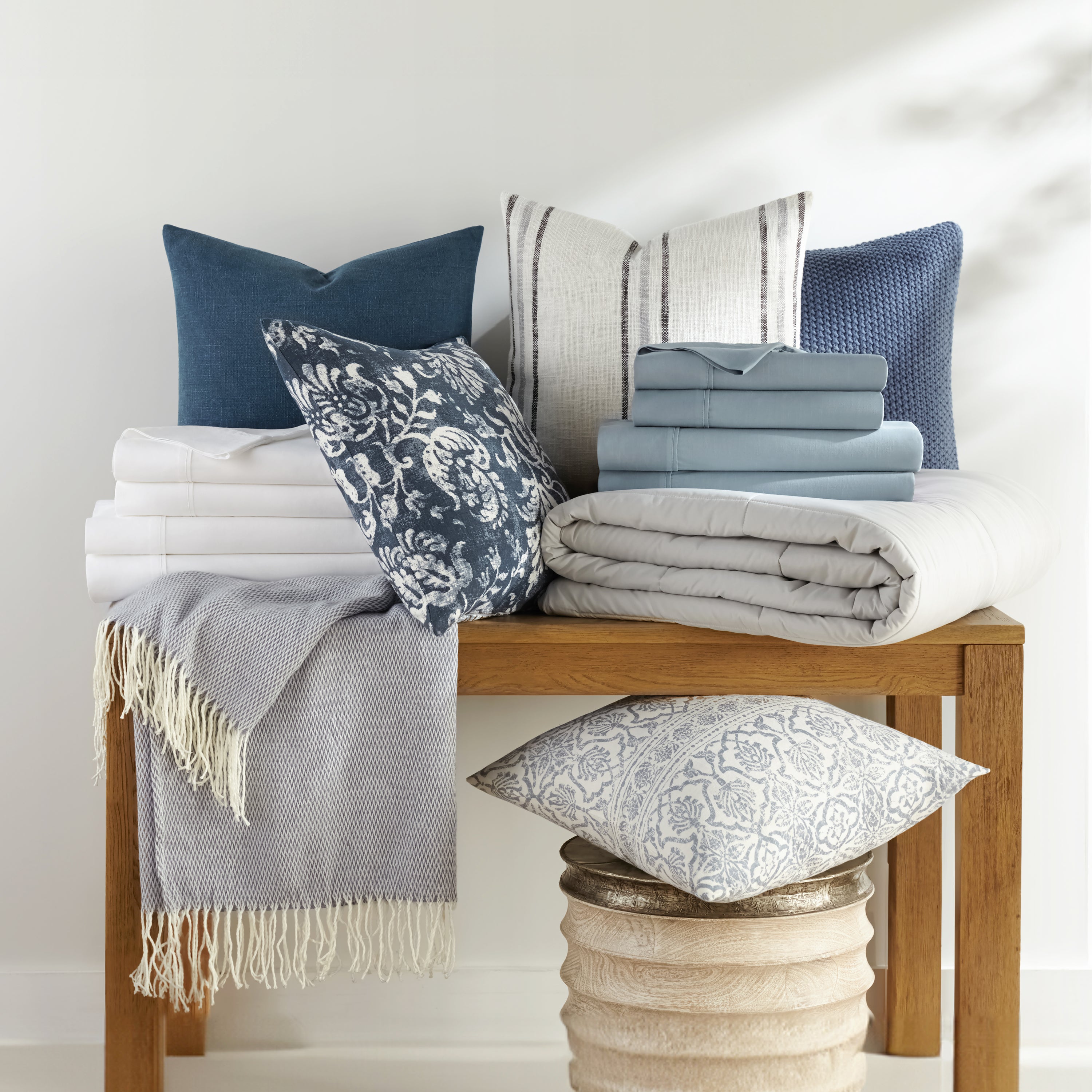
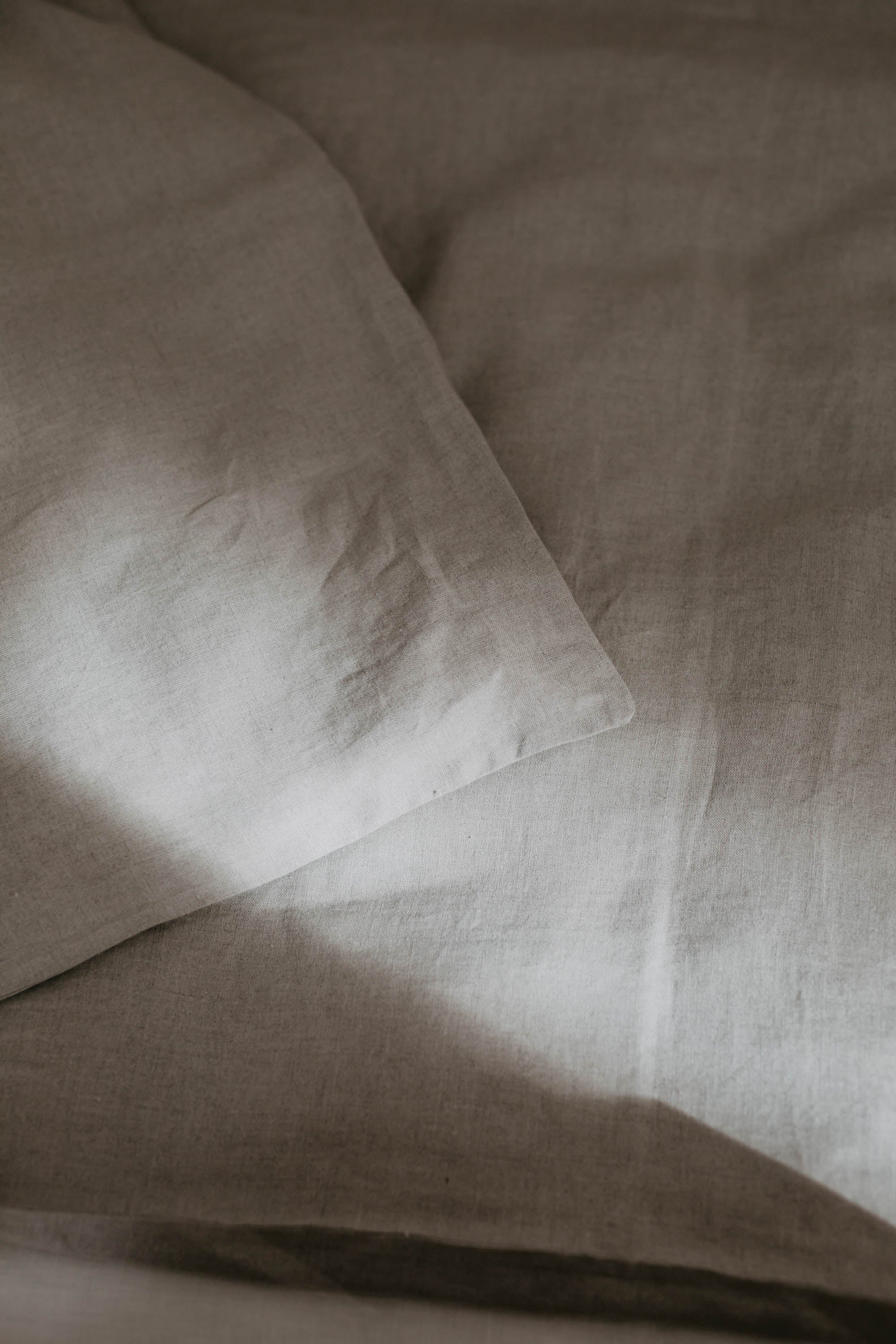
For home decor, style heavyweight linen throws across leather seating or layer unbleached linen duvet covers over flannel sheet sets to establish a cozy, multi-textured interior aesthetic.
Fall Linen Care and Maintenance: Washing, Drying, and Preserving Fibers
Proper maintenance is critical as indoor humidity drops and artificial heating is turned on during autumn. Dry indoor air combined with harsh laundering habits can cause flax fibers to lose moisture, leading to brittleness, fiber breakage, and premature fraying along seams.
Washing Autumn Linen
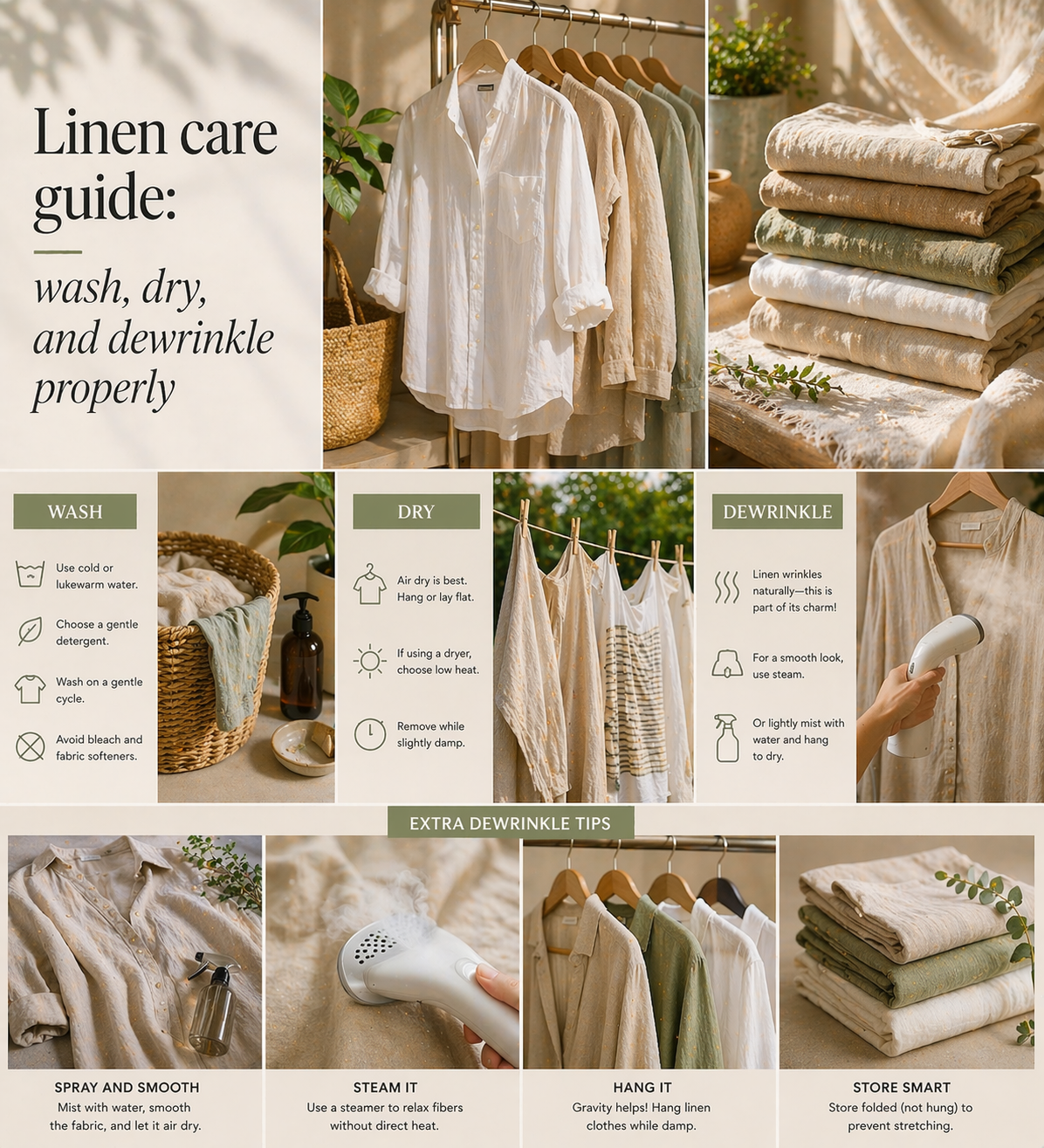
Heavyweight linen requires gentle care to clean off seasonal grime, mud splashes, and rain without stripping the fiber's natural pectin:
- Water Temperature: Wash linen in cold or lukewarm water (never exceeding 30°C / 86°F). Heat causes dense flax yarns to contract unevenly, leading to puckering along seam lines.
- Detergent Selection: Use a mild, liquid neutral detergent free from optical brighteners, chlorine bleach, or synthetic enzymes. Powder detergents may fail to dissolve completely in cooler wash cycles, leaving chalky residues inside heavy linen weaves.
- Washing Cycle: Select a gentle or delicates cycle with a low spin speed (400–600 RPM). High spin cycles crush thick flax yarns, setting deep, stubborn creases that require excessive heat to remove.
Drying and Pressing Techniques
Never tumble dry heavy fall linen on high heat. Commercial dryer heat dehydrates flax fibers, causing shrink rates up to 10% and making fabrics harsh against the skin.
Instead, line-dry garments flat or over a wide, padded hanger away from direct sunlight and heat sources like radiators. If you prefer to remove deep wrinkles, steam the garment while it is still slightly damp. Use a commercial garment steamer or an iron set to the linen setting, placing a damp cotton pressing cloth between the hot iron plate and the linen fabric to prevent shiny marks on dark fall dyes.
Seasonal Maintenance Protocol:
- Avoid chemical fabric softeners; they coat flax fibers in silicone, diminishing breathability.
- Use 1/2 cup of distilled white vinegar in the rinse cycle to dissolve soap scum and soften fibers naturally.
- Hang heavyweight jackets on broad, contoured wooden hangers to preserve shoulder structure.
Comparing Linen Fabric Types for Cooler Seasons
Selecting the right linen fabric requires balancing warmth, structural weight, breathability, and maintenance demands. Use this reference table to evaluate fabrics for fall tailoring and home integration.
| Fabric Name / Blend | Typical GSM | Fabric Structure | Best Fall Application | Insulation Level | Maintenance Complexity |
|---|---|---|---|---|---|
| Pure Heavy Flax | 240 – 320 | Heavy Plain / Canvas Weave | Chore jackets, utility overshirts, autumn upholstery | Moderate–High | Low (Machine gentle) |
| Linen-Twill | 200 – 280 | Diagonal Rib Weave | Tailored trousers, pleated skirts, trench coats | High | Moderate (Steam press recommended) |
| Linen-Wool Blend | 180 – 260 | Plain or Houndstooth | Blazers, suit jackets, chilly-weather trousers | Very High | High (Dry clean or hand wash) |
| Linen-Cotton Canvas | 220 – 300 | Dense Union Weave | Field jackets, work shirts, heavy drapes | High | Low (Machine washable) |
| Herringbone Linen | 210 – 270 | V-Shape Chevron Weave | Sport coats, waistcoats, accent throws | Moderate–High | Moderate (Iron damp) |
| Medium Slub Linen | 160 – 190 | Loose Plain Weave | Layering button-downs, transitional turtlenecks | Low–Moderate | Low (Air dry) |
Avoiding Common Mistakes When Wearing and Using Linen in Autumn
Transitioning linen across seasonal boundaries can lead to styling and maintenance missteps. Avoid these common errors to ensure comfort and longevity:
- Wearing Summer-Weight Linen in Cold Winds: Lightweight summer linen (under 140 GSM) lets cold air pass directly through to your skin. If you must wear lighter linen garments, pair them with wind-blocking outer layers or thermal silk/Merino underwear.
- Over-Ironing Crisp Creases: Autumn linen looks best with a relaxed, soft drape. Over-ironing heavyweight linen until it is stiff creates an artificial appearance that clashes with cozy fall textures like wool and suede.
- Drying Garments Near Radiators: Placing damp linen directly on or near indoor radiators bakes the flax fibers, causing localized shrinkage, fabric yellowing, and thread brittleness.
- Storing Linen in Sealed Plastic Containers: Flax requires ventilation. Storing autumn linen in air-tight plastic bins traps ambient moisture, encouraging mildew growth during seasonal storage shifts. Always store linen in breathable cotton garment bags.
Strategic Fall Wardrobe Integration: Your Next Steps
Integrating linen into your autumn wardrobe is a practical way to expand your seasonal outfit options without buying an entirely new clothing collection. Start by evaluating your current wardrobe to spot versatile layering opportunities.
First, audit your closet and identify any medium-to-heavyweight linen shirts (160+ GSM) in earth tones, dark blues, or raw flax colors. Test these pieces as mid-layers under your existing fall knits, denim jackets, or wool coats.
Next, inspect fabric tags when buying new seasonal items. Look for heavyweight pure linen, linen-wool, or linen-cotton blends that offer the rich texture of natural flax alongside the thermal performance required for autumn weather. By selecting dense weaves, layering thoughtfully with warm textures, and following low-heat wash routines, you can comfortably wear linen all year long.