Light-based hair removal uses specific wavelengths of light energy to target the pigment in hair follicles, converting light into heat to disable the follicle’s growth mechanism. The process requires multiple sessions timed to match active hair growth cycles. While it yields long-term hair reduction, results vary based on hair color, skin tone, device type, and treatment compliance.
The Science of Light Hair Removal: Selective Photothermolysis
Light-based hair removal operates on a biophysical principle called selective photothermolysis. First conceptualized by dermatologists Rox Anderson and John Parrish in the early 1980s, this mechanism relies on matching a specific wavelength of light and pulse duration to target a specific structure (chromophore) without damaging the surrounding tissue.
In hair removal, the primary chromophore is melanin—the pigment located within the hair shaft and follicle matrix. When a light-emitting device flashes across the skin:
Light Absorption: Melanin absorbs the specific light wavelengths.
Thermal Conversion: The absorbed light energy rapidly converts into thermal energy (heat).
Follicular Destruction: Heat conducts outward into the surrounding follicular stem cells and the dermal papilla (the blood supply feeding the follicle).
Growth Inhibition: When heated to roughly 65–70°C, the proteins within the germinative cells coagulate, rendering the follicle incapable of producing a normal terminal hair.
Light Emission
Melanin Absorption
Thermal Conversion
Follicle Coagulation
The Critical Role of Hair Growth Cycles
Light hair removal cannot disable every hair in a target region during a single session because hair growth occurs in three distinct, asynchronous phases:
- Anagen (Active Growth Phase): The hair shaft contains abundant melanin and remains physically attached to the dermal papilla. Light hair removal is only effective during the anagen phase, as the stem cells are actively proliferating and close to the heat source.
- Catagen (Transition Phase): The hair follicle shrinks, detaches from the dermal papilla, and stops pigment production. Thermal energy applied here fails to destroy the renewal mechanism.
- Telogen (Resting Phase): The old hair shaft sits dormant while the follicle remains quiescent. Treatment during this phase produces no lasting effect.
Because only 10% to 30% of body hair is in the anagen phase at any given point, treatments must be repeated at spaced intervals—typically every 4 to 8 weeks—to catch unmanaged follicles as they enter active growth.
Laser vs. IPL: Understanding the Technological Differences
While consumers often use "laser" and "IPL" interchangeably, they represent two distinct optical technologies. Selecting the right technology depends on individual skin type, budget, and treatment goals.
- Laser Light: Monochromatic (Single Wavelength)
- Focused Beam
- Deep Penetration
- IPL Light: Polychromatic (Broad Spectrum)
- Diffused Light
- Superficial to Mid Depth
Laser Hair Removal
True lasers emit monochromatic (a single precise wavelength), coherent (light waves in phase), and collimated (parallel light beams) light. This focus allows high energy density to penetrate deeply into the dermis without scattering excessively. Common clinical laser systems include:
- Alexandrite (755 nm): High absorption in melanin; highly effective for lighter skin tones (Fitzpatrick I–III) with dark hair.
- Diode (800–810 nm): Deep penetration with moderate melanin absorption; balanced safety and efficacy across skin types I–IV.
- Nd:YAG (1064 nm): Low melanin absorption, allowing light to bypass epidermal melanin safely and target deep hair roots; the gold standard for dark skin tones (Fitzpatrick V–VI).
Intense Pulsed Light (IPL)
IPL is polychromatic (broadband spectrum ranging from roughly 500 nm to 1200 nm), incoherent, and non-collimated (diffused light). Cut-off filters screen out harmful short ultraviolet wavelengths, leaving a broad spectrum of light. Because the energy scatters across multiple wavelengths, IPL is generally less concentrated than laser light. It is widely utilized in budget-friendly clinical treatments and portable at-home hair removal devices.
Comparison of Light Hair Removal Technologies
| Characteristic | Laser Hair Removal (In-Clinic) | IPL (In-Clinic) | At-Home IPL / Diode Devices |
|---|---|---|---|
| Light Spectrum | Monochromatic (e.g., 755nm, 810nm, 1064nm) | Polychromatic (500–1200 nm broad spectrum) | Polychromatic or single low-power diode |
| Energy Density (Fluence) | High (Up to 40+ $\text{J/cm}^2$) | Moderate (Up to 20–30 $\text{J/cm}^2$) | Low (3–7 $\text{J/cm}^2$) |
| Precision | Targets specific hair depth directly | Broad optical scatter | Low-to-moderate broad delivery |
| Fitzpatrick Suitability | Types I through VI (with Nd:YAG) | Typically Types I through IV | Typically Types I through IV |
| Average Sessions Needed | 6–8 sessions | 8–12 sessions | 12+ sessions (ongoing maintenance) |
| Operator Requirement | Licensed Medical Professional / Esthetician | Trained Professional | Self-administered |
Candidate Suitability: Skin Tones, Hair Colors, and the Fitzpatrick Scale
The safety and efficacy of light hair removal depend entirely on the contrast between the melanin in the hair shaft and the melanin in the surrounding skin. Dermatologists classify skin using the Fitzpatrick Skin Phototype Scale, ranging from Type I (very fair, always burns) to Type VI (deeply pigmented black skin).
- Fitzpatrick Scale & Energy Contrast Profile:
- Type I - III: Fair to Medium
- High Hair/Skin Contrast
- Safe with Most Lasers & IPL
- Type IV - V: Olive to Dark
- Low Contrast Threshold
- Requires Diode / Filtered IPL
- Type VI: Deeply Pigmented
- Epidermal Melanin Competition
- Long-Wavelength Nd:YAG Only
- Type I - III: Fair to Medium
Ideal Candidates
The optimal candidate has dark, coarse hair (high eumelanin) and fair skin (low epidermal melanin). This combination allows the light energy to pass unhindered through the epidermis and absorb into the target hair root.
Complex Considerations and Safety Risks
- Darker Skin Tones (Fitzpatrick V–VI): When skin contains abundant epidermal melanin, light energy can absorb into the skin surface instead of reaching the follicle, causing thermal injuries, blistering, hyperpigmentation, or hypopigmentation. Individuals with darker skin must seek long-wavelength lasers (like 1064 nm Nd:YAG) equipped with aggressive contact cooling.
- Blonde, Red, Grey, and White Hair: Light hair contains primarily pheomelanin (red pigment) or lacks melanin entirely (grey/white). Standard light hair removal devices cannot adequately target pheomelanin or unpigmented follicles. Electrolysis remains the primary proven permanent removal method for blonde, red, or white hair.
- Fine Hair ("Peach Fuzz"): Fine vellus hair lacks sufficient melanin volume to generate the temperature necessary for stem cell destruction. Attempting light treatment on fine hair can occasionally trigger paradoxical hypertrichosis—a rare side effect where low-level thermal energy stimulates dormant follicles to grow thicker hair.
What to Expect Before, During, and After Treatment
Understanding the operational timeline helps manage expectations and improves treatment outcomes.
- Protocol Phase Timeline:
- Pre-Treatment (4 Weeks Prior):
- Avoid Sun/Tanning
- Stop Plucking/Waxing
- Stop Chemical Peels
- During Session (Session Day):
- Shave target area
- Apply protective eyewear
- Gel & Cooling application
- Post-Treatment (Days 1 - 21):
- Redness/Erythema (1-48h)
- Hair Shedding (Days 7-21)
- Apply SPF 30+ daily
- Pre-Treatment (4 Weeks Prior):
Pre-Treatment Guidelines
Preparation ensures maximum energy delivery to the root while minimizing surface skin damage:
- Avoid Sun Exposure and Tanning: Discontinue sunbathing, tanning beds, and self-tanning products for at least 4 to 6 weeks prior to treatment. Active melanin on the skin surface dramatically increases burn risks.
- Do Not Pluck, Wax, or Thread: Leave the hair root intact within the follicle. Discontinue hair removal methods that pull hair from the root for 4 to 6 weeks before your appointment.
- Shave the Target Area: Shave the area 12 to 24 hours before your session. Removing surface hair prevents light energy from scorching hair on top of the skin, focusing the energy directly into the follicle beneath.
- Cleanse the Skin: Arrive with skin free of lotions, deodorants, makeup, perfumes, and topical oils.
Safety Warning: Avoid applying topical alpha-hydroxy acids (AHAs), beta-hydroxy acids (BHAs), retinoids, or prescription acne medications (like isotretinoin) before treatment. These agents thin the stratum corneum and increase skin fragility under thermal stress.
What Happens During a Session
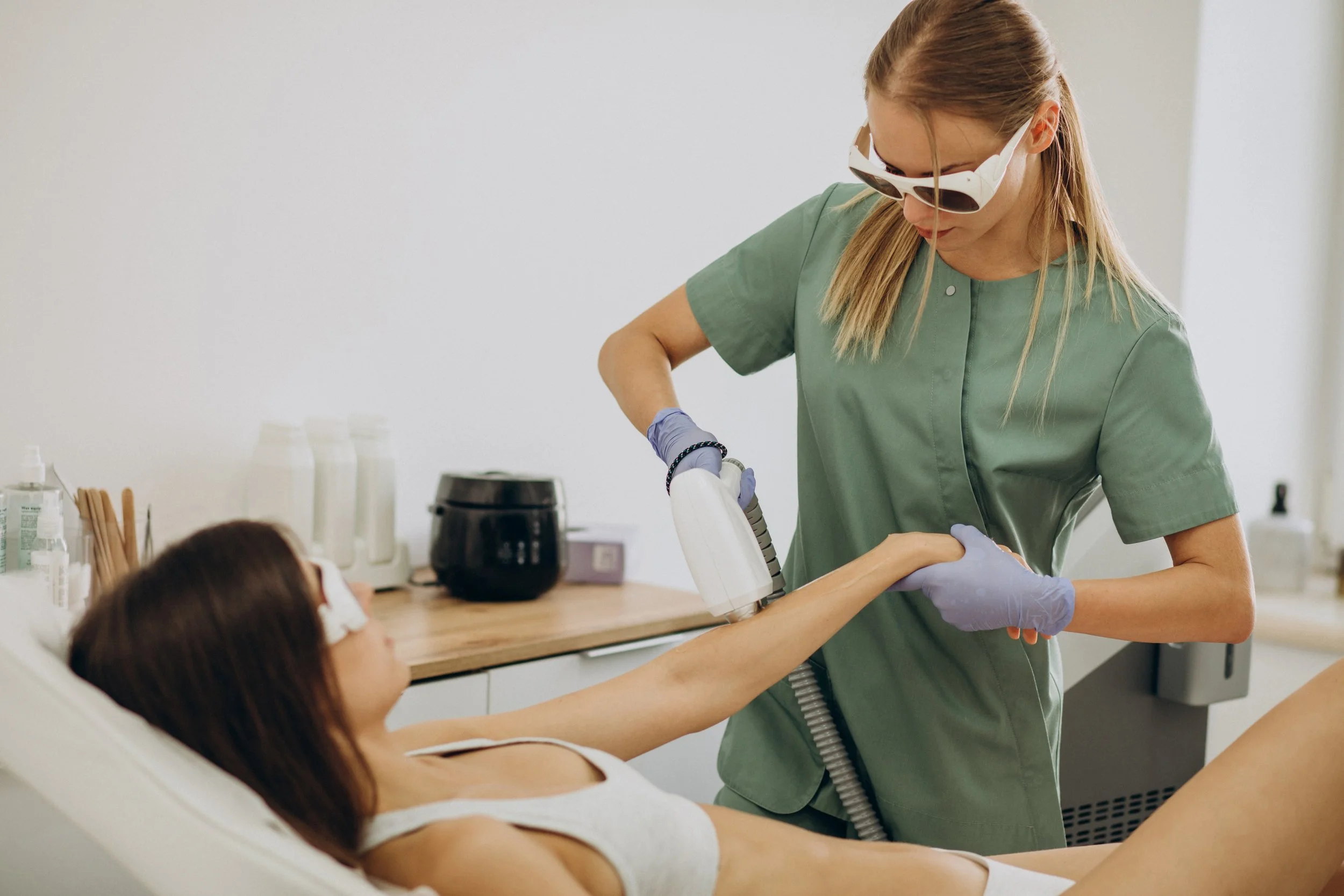
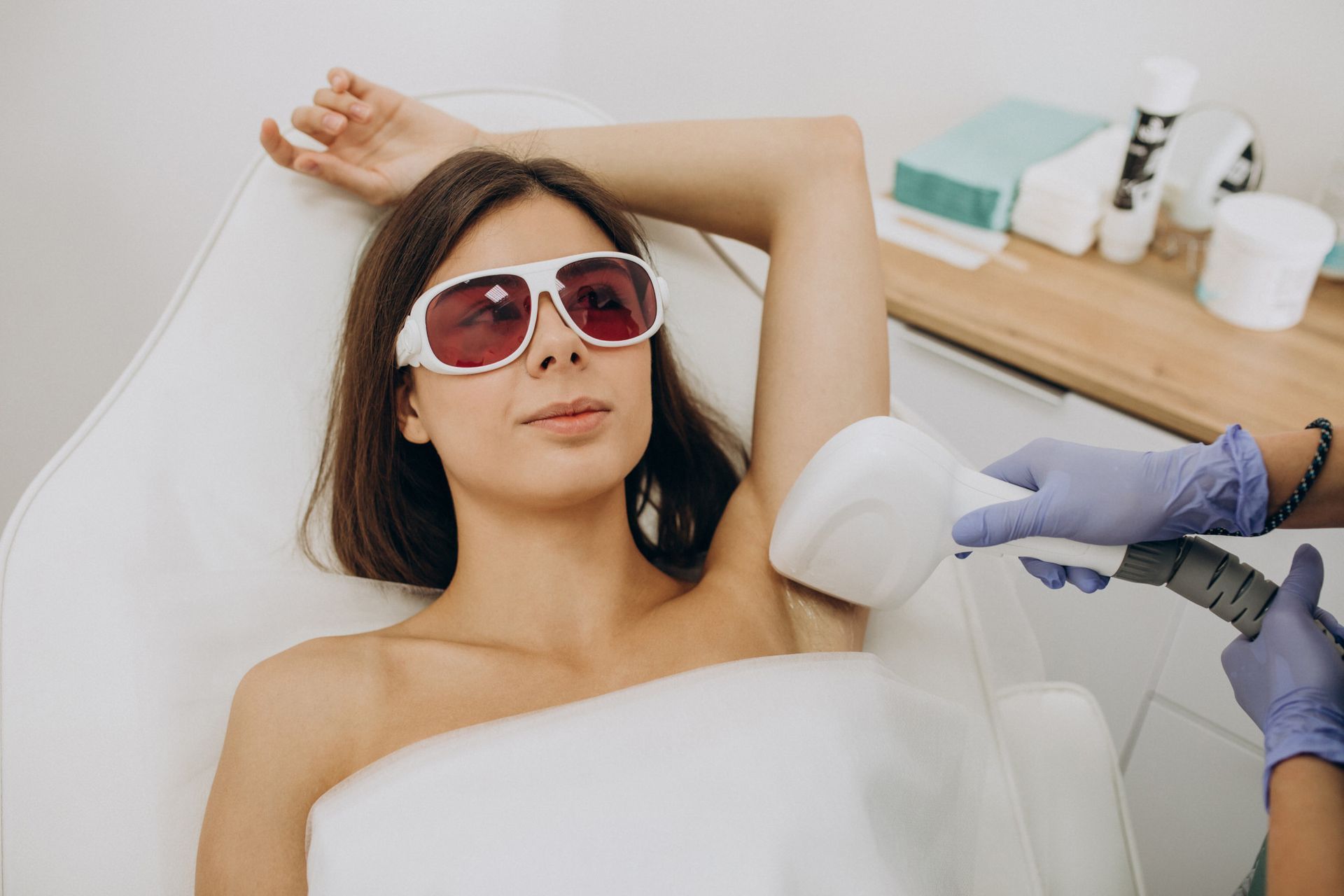
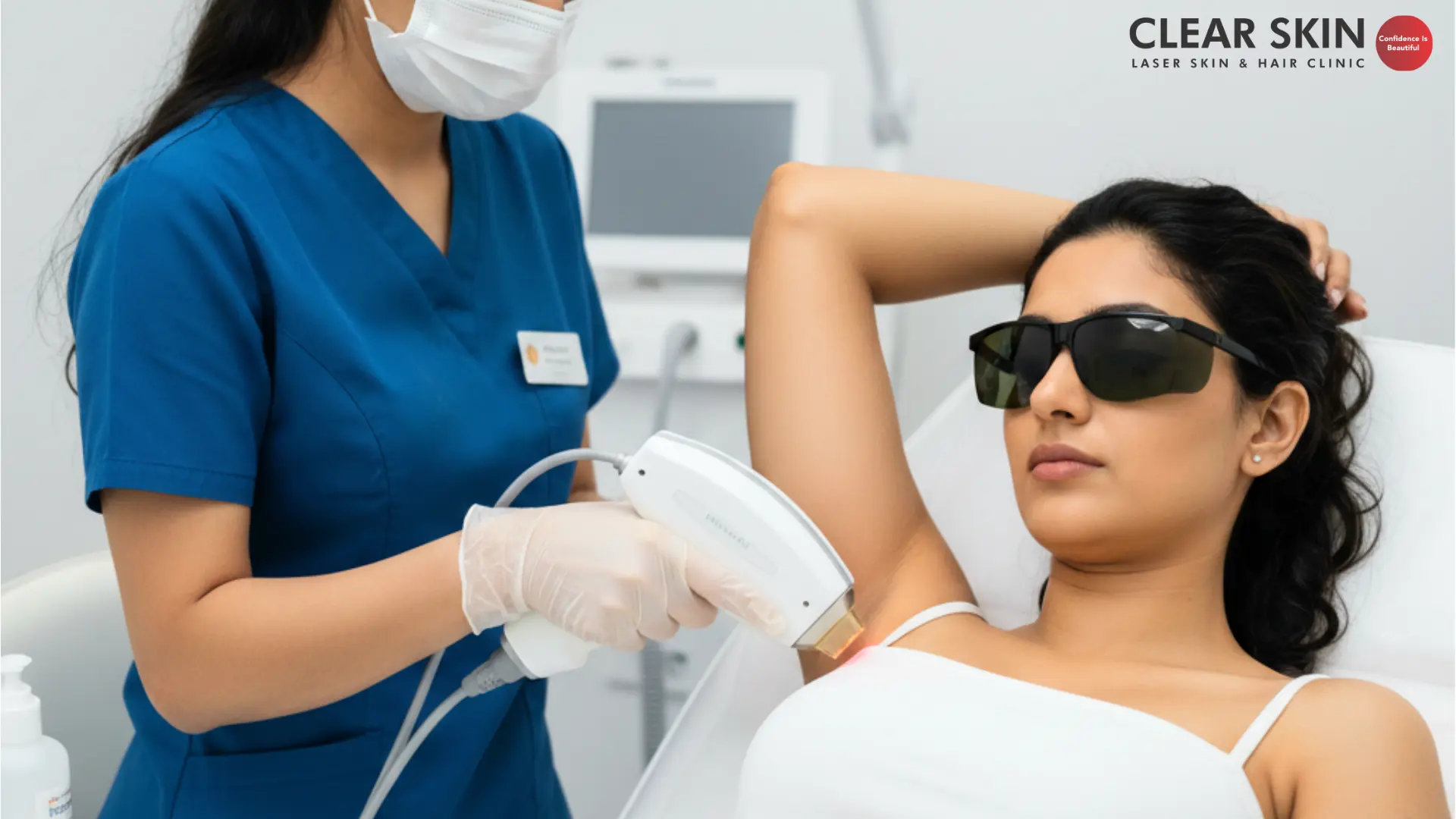
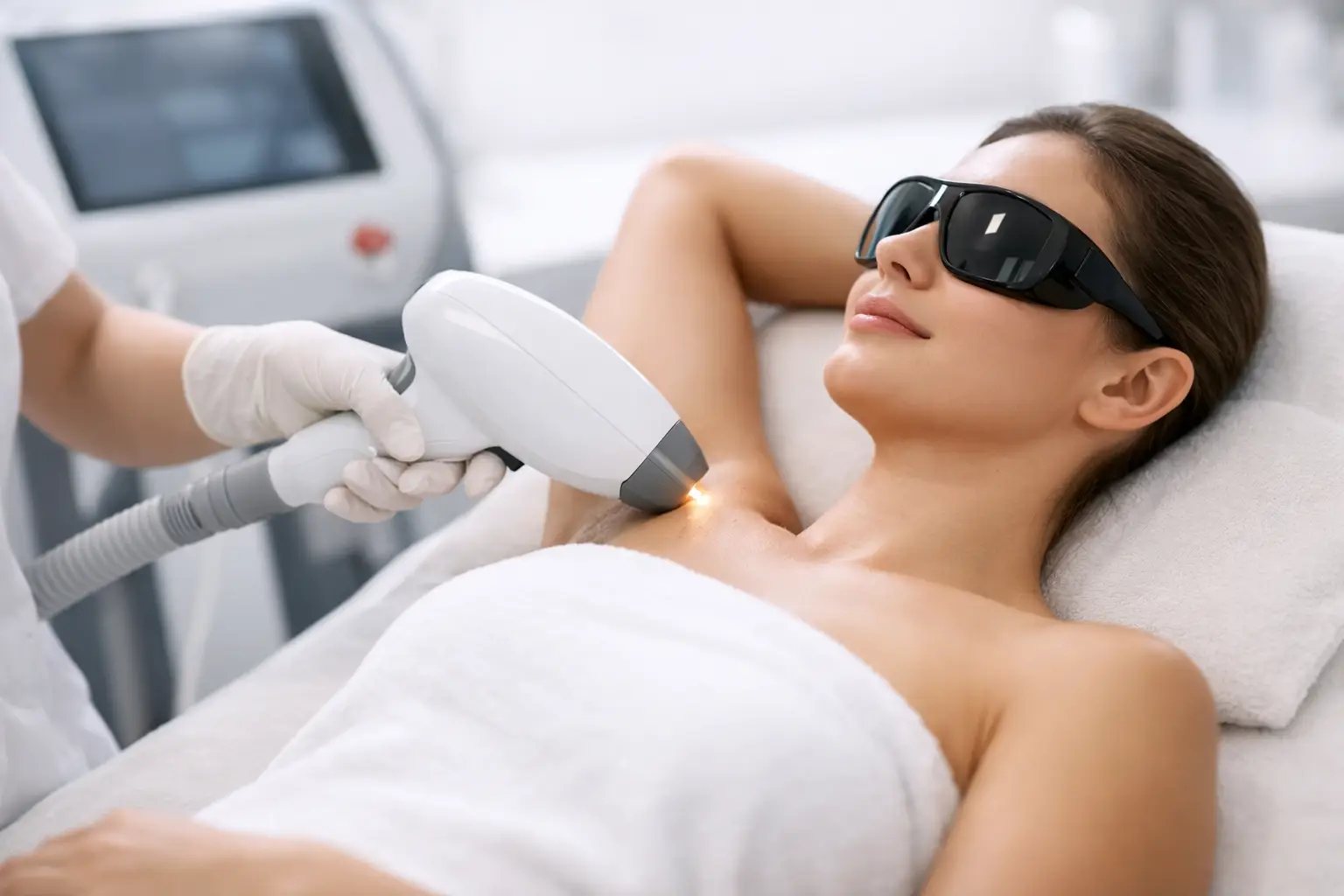
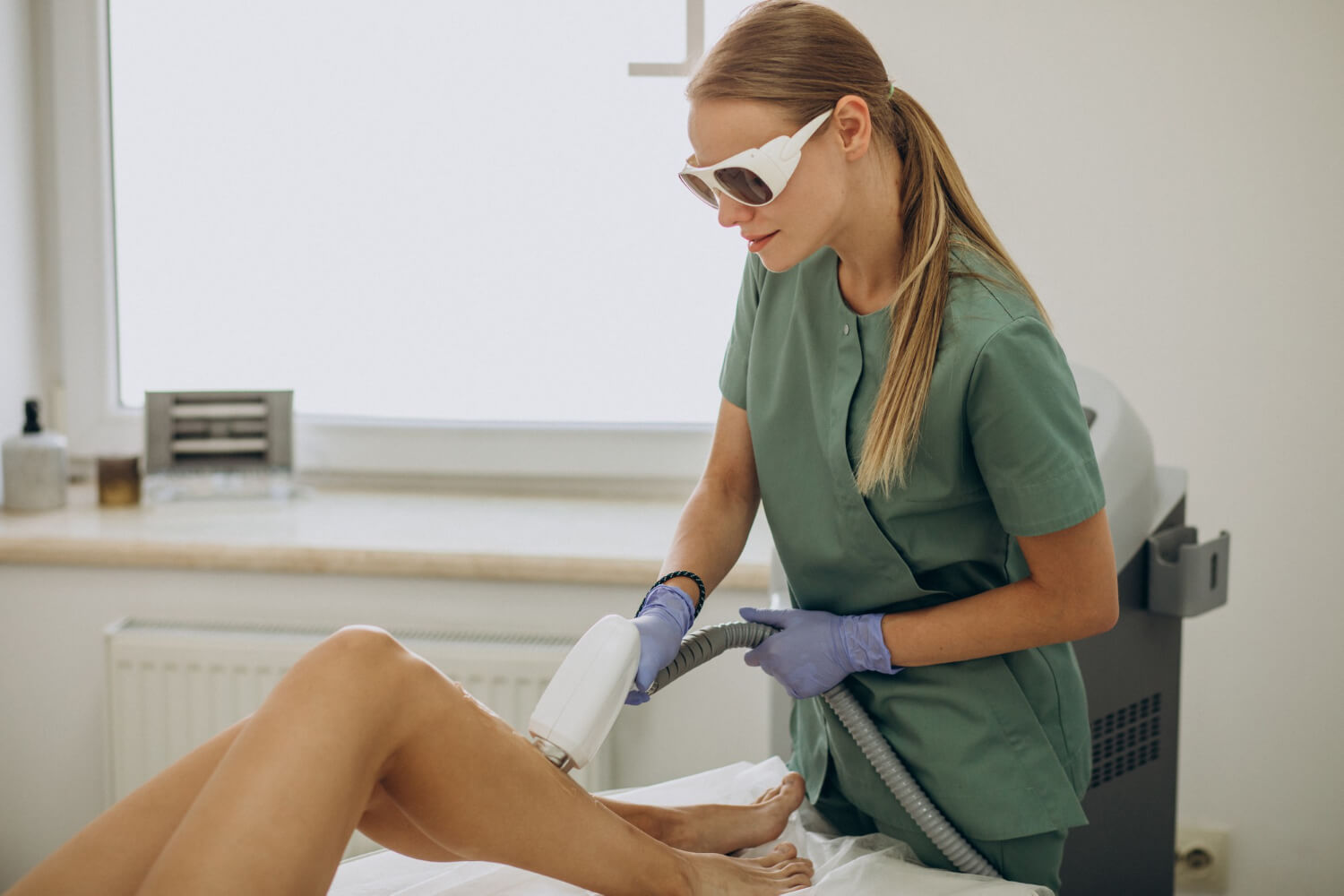
- Eye Protection: Both the client and clinician must wear wavelength-specific safety goggles to prevent retinal damage from ocular exposure to laser radiation or high-intensity IPL flashes.
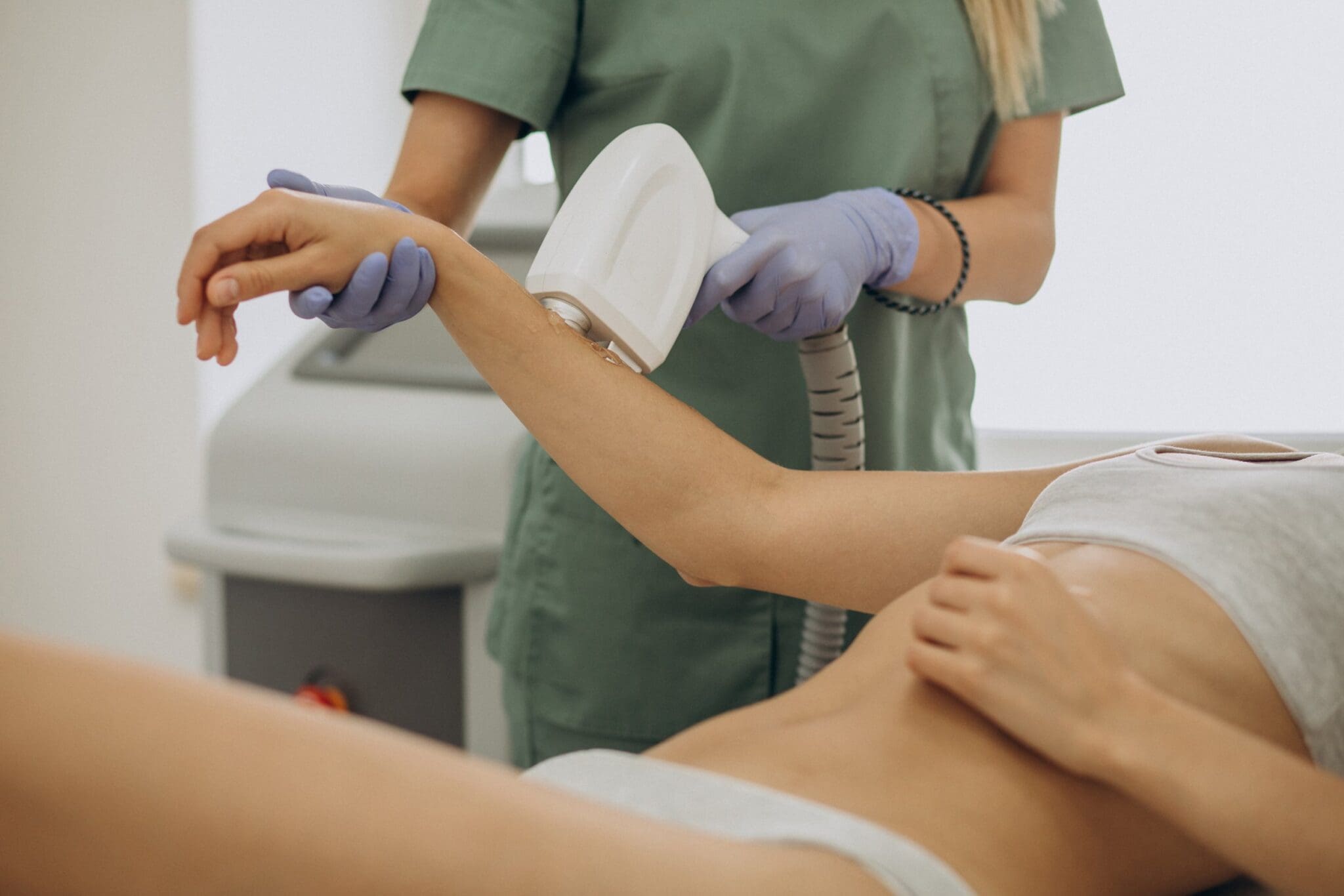
- Topical Cooling: Most modern systems use dynamic cooling devices (cold air streams, chilled sapphire tips, or optical coupling gels) to keep the epidermal surface cold while heat builds up inside the dermal follicle.
- Sensory Experience: Patients commonly describe the sensation as a quick snap, similar to a rubber band against the skin, accompanied by a sudden flash of heat. Areas with dense, thick hair or thin skin (such as the bikini line or upper lip) may feel more sensitive.
Post-Care Recovery and the Hair Shedding Timeline
- Immediate Reaction (0–48 hours): Perifollicular edema (mild swelling around hair follicles) and erythema (redness) are normal responses indicating successful thermal targeting. Apply cold compresses or pure aloe vera gel to soothe the region.
- The Shedding Phase (7–21 days): Treated hair shafts do not drop out immediately. Over 1 to 3 weeks, damaged hair shafts gradually push out of the dying follicles. This process can resemble new hair growth, but gentle exfoliation with a washcloth will show the hair shedding out effortlessly.
- Interval Schedule: Treatments are scheduled based on anatomical growth rates:
- Face: Every 4 to 6 weeks.
- Body (Underarms, Bikini, Arms): Every 6 to 8 weeks.
- Legs and Back: Every 8 to 10 weeks.
Professional Clinical Treatments vs. At-Home Light Devices
Choosing between professional-grade clinical treatment and an at-home IPL or diode device involves balancing performance against cost, convenience, and safety.
| Characteristic | Professional Clinical | At-Home IPL Devices |
|---|---|---|
| Fluence (Power) | High (20 to 40+ $\text{J/cm}^2$) | Low (3 to 7 $\text{J/cm}^2$) |
| Optical Precision | Single/Filtered Spectrum (Nd:YAG, Diode, Alex) | Broadband spectrum with simple cut-offs |
| Safety Level | Professional clinical oversight | Built-in contact sensors & manual controls |
| Primary Goal | Permanent long-term hair reduction | Hair suppression / Frequent upkeep |
Energy Output and Mechanism Differences
Professional clinic devices generate high fluence levels (energy measured in Joules per square centimeter, or $\text{J/cm}^2$), penetrating deep into the dermis to heat follicles past their destruction threshold.
At-home devices use restricted energy outputs (capped around 3–7 $\text{J/cm}^2$) to reduce burn risks for untrained users. Consequently, at-home devices do not completely destroy the hair follicle stem cells; instead, they temporarily stun the follicle into a dormant phase. Users must apply at-home treatments continuously (e.g., weekly or bi-weekly) to maintain smooth skin.
Cost-Benefit Analysis
- Clinical Treatments: Higher initial cost per session, but yield long-lasting reductions over fewer total sessions. Best for dark skin types (requiring Nd:YAG lasers), dense hair areas, or permanent reduction goals.
- At-Home Devices: Low single-purchase cost, offering convenience for touch-ups. Best for individuals with fair skin and dark hair seeking budget-friendly maintenance on smaller body areas (like underarms or lower legs).
Potential Side Effects, Risks, and Mitigation Strategies
When performed by qualified practitioners using appropriate wavelengths, light hair removal is safe. However, understanding potential side effects ensures prompt treatment if complications arise.
- Common, Transient Effects:
- Erythema (redness) and perifollicular swelling (usually resolves within 24 to 48 hours).
- Mild warmth or itching at the treatment site.
- Uncommon, Adverse Effects:
- Thermal Burns and Blistering: Occurs when light energy absorbs into epidermal melanin instead of hair pigment, often due to high energy settings, recent sun exposure, or incorrect device selection.
- Hyperpigmentation or Hypopigmentation: Changes in skin pigment triggered by thermal damage to epidermal melanocytes. Hyperpigmentation often fades over several months, whereas hypopigmentation (loss of pigment) can be persistent.
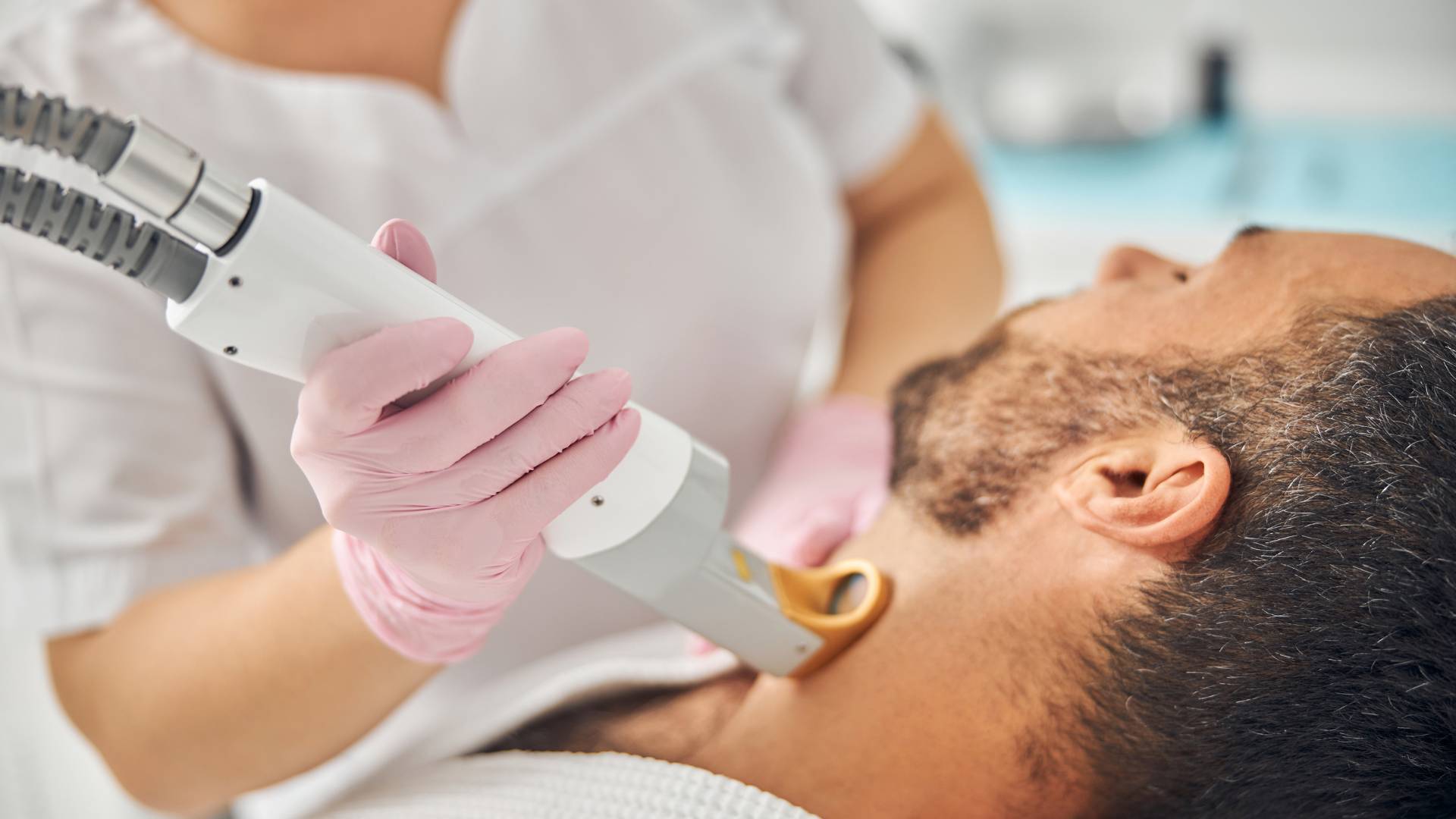
- Paradoxical Hypertrichosis: A rare condition where low energy levels stimulate fine vellus hairs around the treatment area to grow longer and thicker. It is most commonly seen on the face and neck of female patients treated with low-power settings.
Disclaimer: Light hair removal procedures carry medical risks. Always consult a board-certified dermatologist or qualified medical aesthetic professional to evaluate your skin type, medical history, and suitability before undergoing light-based treatments.
Frequently Asked Questions
Is light-based hair removal permanent?
Light hair removal achieves permanent hair reduction rather than 100% permanent hair removal. The U.S. Food and Drug Administration (FDA) defines permanent hair reduction as the long-term, stable reduction in the number of regrowing hairs following a treatment regimen. While many damaged follicles never regrow hair, hormonal shifts (such as pregnancy or menopause) can awaken previously dormant follicles over time, requiring periodic touch-up sessions.
How many sessions are typically required for optimal results?
Most clinical patients require between 6 and 8 sessions spaced several weeks apart to achieve a 70% to 90% reduction in visible hair growth. At-home devices usually require 12 or more initial weekly sessions followed by monthly maintenance treatments.
Does light hair removal hurt?
Sensations vary based on individual pain tolerance, device cooling capabilities, and treatment area. Most patients feel a sensation akin to a small rubber band snapping against the skin alongside a momentary warm prickle. Modern clinical devices feature active tip-chilling technology that significantly minimizes discomfort.
Can you undergo light hair removal while tanned?
No. You should avoid light-based hair removal when your skin is tanned, whether from natural sunlight, tanning beds, or spray tans. Tanning increases melanin levels in the epidermis, raising the risk of surface burns, blistering, and post-inflammatory pigment changes. Wait until your natural skin tone returns before proceeding with treatments.
Why is shaving required before a light hair removal session?
Shaving removes surface hair so that light energy passes directly into the follicle root below the skin. If surface hair remains long, the light energy absorbs above the skin, burning the hair against the epidermal surface and reducing the energy reaching the underlying follicle.
Practical Next Steps for Starting Light Hair Removal
To achieve optimal results safely, follow this practical checklist:
- Schedule a Professional Consultation: Consult a licensed practitioner who offers multiple laser types (including Nd:YAG and Diode). Ensure they evaluate your Fitzpatrick skin type and review your health history for photosensitizing medications.
- Request a Patch Test: Perform a patch test on a small, hidden area of skin 24 to 48 hours before your full session to check for adverse reactions or unexpected pigment changes.
- Prepare Your Skin Properly: Stop all waxing, plucking, and sun exposure 4 to 6 weeks before your first session. Shave the treatment zone 12 to 24 hours before your appointment.
- Follow Post-Care Instructions: Protect treated areas from sun exposure using broad-spectrum SPF 30+ sunscreen daily, avoid hot tubs and saunas for 48 hours post-session, and allow treated hair to shed naturally without plucking.