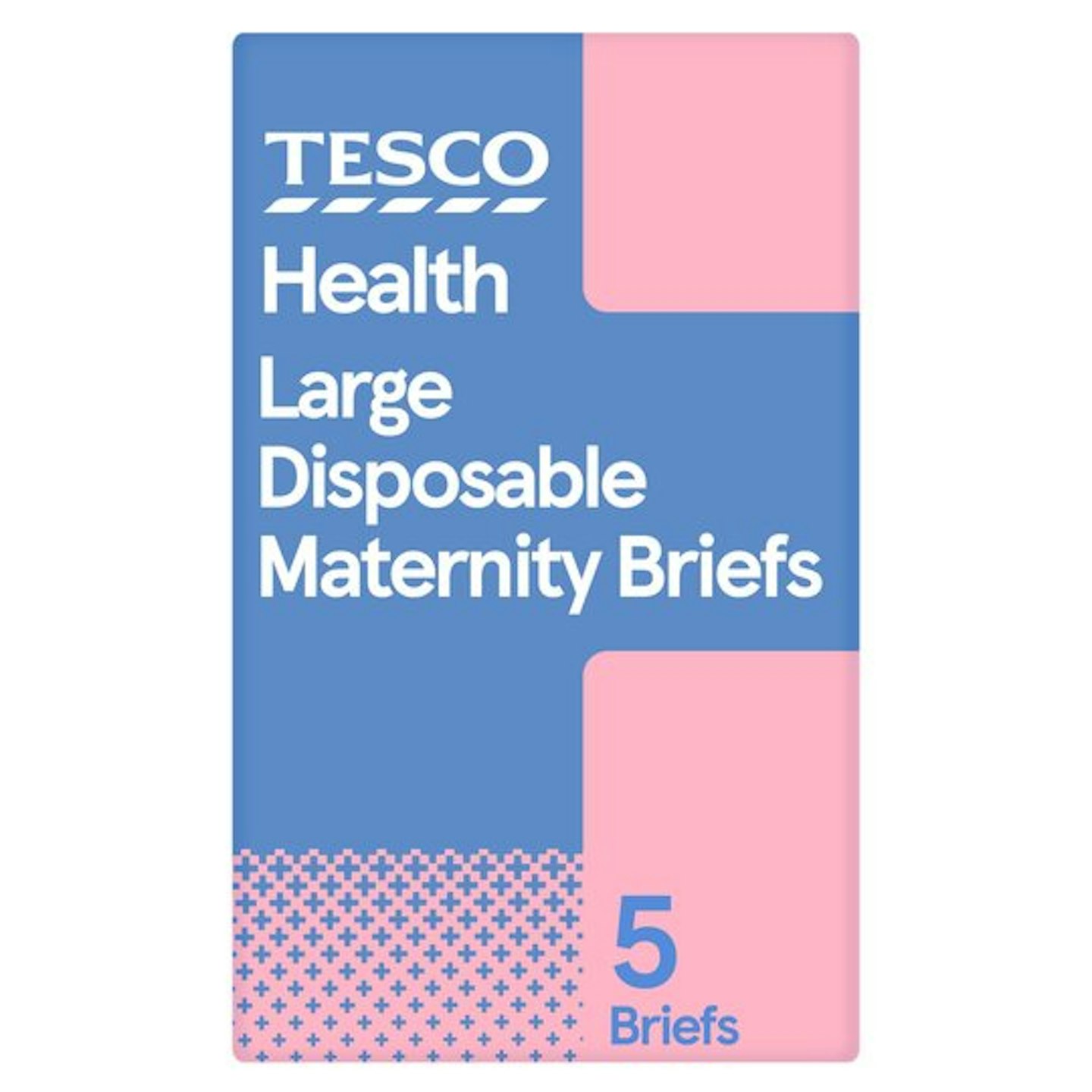
Disposable maternity knickers are specially designed, single-use or wash-and-toss briefs engineered to support body changes immediately after childbirth. They hold thick postpartum pads securely in place, accommodate lochia bleeding without risking damage to regular clothing, and prevent painful friction around sensitive perineal stitches or C-section incision sites.
During the immediate postpartum period—the first six weeks following delivery—body management shifts dramatically toward physical recovery and tissue healing. Post-delivery bleeding, known clinically as lochia, is heaviest during the first three to seven days. Standard daily underwear is rarely built to hold heavy-duty postpartum pads or perineal ice packs, nor is it designed to withstand heavy staining. Disposable maternity knickers provide a stress-free solution, offering high elasticity, breathable construction, and zero laundry requirements during an intense phase of newborn care.
What Are Disposable Maternity Knickers and Why Are They Necessary?
Disposable maternity knickers differ significantly from standard daily briefs and pre-pregnancy underwear. Standard briefs often feature tight elastic waistbands, low rises, and narrow gussets designed for minimal everyday panty liners or standard sanitary pads. In contrast, postpartum disposable briefs feature wide gussets, high-stretch waistbands, and lightweight, highly breathable materials that contour to a changing body without applying uncomfortable pressure.
Following both vaginal and Cesarean deliveries, the uterus sheds blood, tissue, and mucus. This discharge begins as dark red bleeding (lochia rubra) and slowly lightens over several weeks to lochia serosa and lochia alba. In the initial days post-birth, standard sanitary towels are insufficient; mothers typically require extra-long, high-absorbency maternity pads or cooling gel packs. Disposable knickers feature extra-wide crotch panels designed to keep these bulky absorbency products firmly in position without folding or shifting.
Furthermore, post-birth skin sensitivity is heightened. Whether recovering from vaginal tearing, an episiotomy, or an abdominal incision, mothers need garments that eliminate friction. Using single-use underwear removes the physical burden of laundering heavily soiled garments during the initial days at home or in the hospital, allowing new parents to prioritize rest and infant bonding.
Postpartum Lochia Progression & Underwear Needs:
- Days 1–3: Lochia Rubra (Heavy): Maximum absorbency pad + High-waist disposable briefs
- Days 4–10: Lochia Serosa (Moderate): Standard maternity pad + Disposable or soft mesh briefs
- Days 11–40: Lochia Alba (Light): Regular pad/liner + Transition to standard high-waist cotton
Key Types and Material Variations
Not all disposable maternity knickers are constructed from the same fabrics or cut to the same proportions. Choosing the right material directly impacts comfort, wound healing, and pad security.
Polypropylene Mesh Briefs
Mesh maternity knickers are woven from soft polypropylene or nylon-spandex blends to create a fishnet-style grid fabric.
- Pros: Highly stretchable, extraordinarily breathable, and ideal for promoting airflow around delicate tissue or healing incisions.
- Cons: The open mesh design can occasionally snag on ring jewelry or adhesive pad strips if not pulled up carefully.
Non-Woven Fabric Briefs
Constructed from bonded synthetic fibers (similar to soft, lightweight paper-cloth), non-woven disposable briefs offer complete coverage like traditional solid fabric.
- Pros: Fully opaque, soft against the skin, and budget-friendly.
- Cons: Less stretchy than woven mesh; requires accurate sizing to prevent tearing at the hip seams when pulled up over wider hips.
Disposable Organic Cotton-Blend Shorts
Positioned at the premium end of postpartum care, these are boxer-brief style disposable shorts made from soft cellulosic fibers or organic cotton blends.
- Pros: Exceptional softness, full coverage down the upper thigh, strong waist containment, and maximum stability for large pads.
- Cons: Generally higher unit cost and slightly bulkier to pack in a hospital bag.
Disposable Maternity Knickers for C-Section vs. Vaginal Birth
Recovery dynamics differ substantially depending on the mode of delivery. Selecting the appropriate rise height and seam placement ensures the underwear supports recovery rather than interfering with it.
Fit Requirements:
- C-Section Fit:
- High-waist band (Rises above navel)
- Scar / Incision clearance (Zero friction zone)
- Vaginal Birth Fit:
- Mid-to-High waist (Soft belly support)
- Wide Crotch Gusset (Secures ice packs & heavy maternity pads)
Requirements for Cesarean Delivery
After a Cesarean section (C-section), the surgical incision site is positioned horizontally across the lower abdomen, near the pubic hairline. Standard low-rise or mid-rise underwear rests directly across this scar line, leading to painful friction, trapped moisture, and skin irritation.
- Waistline Height: C-section briefs must feature a true high-waist cut that sits well above the navel, completely bypassing the surgical area.
- Compression Profile: Ultra-light, gentle abdominal holding can feel reassuring after abdominal surgery, but tight activewear-style compression must be avoided unless specifically prescribed by a surgeon.
- Seam Construction: Seamless knickers or briefs with flat, outward-facing side seams prevent binding along sensitive flank and belly areas.
Requirements for Vaginal Delivery
Following vaginal delivery, primary discomfort centers around the perineum, labia, and lower pelvic area due to swelling, bruising, or stitches from tears or episiotomies.
- Gusset Width: The crotch panel (gusset) must be exceptionally wide to support multi-layer pads or perineal ice packs without twisting.
- Gentle Airflow: Mesh structures are particularly beneficial for vaginal delivery recovery, as optimal air circulation aids in keeping perineal sutures dry and reducing infection risks.
- Edge Elasticity: Leg openings must use soft, non-binding elastic so they do not dig into sensitive inner thighs or pull against pelvic stitches when sitting or changing position.
Sizing, Fit, and How Many Pairs to Pack
One of the most common mistakes expecting parents make is purchasing disposable maternity knickers in their pre-pregnancy size without accounting for immediate post-birth anatomical realities.
How to Select the Right Size
Immediately after birth, the body retains fluid from intravenous fluids administered during labor, and the uterus remains roughly the size it was at 20–24 weeks of pregnancy.
- Measure Late in the Third Trimester: Take hip measurements around week 34 to 36 of pregnancy.
- Size Up when Uncertain: Because disposable fabrics have less elastic memory than high-end spandex, sizing up prevents tearing and avoids waist restriction.
- Check Weight/Dress Size Charts: Most manufacturers label sizing as S/M, L/XL, or XXL based on pre-pregnancy clothing sizes matched to expected postpartum weight gain.
Recommended Quantity for Your Hospital Bag
Hospital stays vary based on delivery complications and regional health system protocols. The standard packing recommendation allows for multiple changes per day during the initial high-bleed window:
- Vaginal Birth (1–2 Day Hospital Stay): Pack 8 to 10 pairs.
- Cesarean Birth (3–4 Day Hospital Stay): Pack 10 to 14 pairs.
- First Week at Home: Keep an additional pack of 5 to 10 pairs available at home for messy days or convenience during early recovery.
Postpartum Underwear Options Compared
Evaluating disposable options alongside reusables helps clarify which choice best fits individual recovery plans and environmental priorities.
| Underwear Type | Material Composition | Primary Benefit | Best For | Typical Washability | Relative Cost |
|---|---|---|---|---|---|
| Polypropylene Mesh Briefs | Synthetic mesh / Nylon-spandex | Maximum airflow, holds bulky ice packs | Vaginal recovery & perineal stitches | Single-use or 1-2 delicate hand washes | Low |
| Non-Woven Disposable Briefs | Bonded polypropylene | Complete opaque coverage, low cost | Standard hospital bag packing | Single-use (Dispose immediately) | Very Low |
| Disposable Cotton-Blend Shorts | Rayon / Cellulosic blend / Spandex | Full coverage, gentle high-waist support | C-section incision protection | Single-use or short-term reuse | Moderate |
| Reusable Postpartum Briefs | Cotton / Spandex blend | High comfort, eco-friendly long-term use | Late recovery phase (Weeks 2–6) | Fully machine washable | Moderate to High |
| Absorbent Period/Postpartum Panties | Multi-layer leak-proof microfiber | Built-in absorbency, no separate pads needed | Light-to-moderate lochia phase | Machine washable | High |
Step-by-Step Practical Usage and Hygiene Tips
Proper hygiene management reduces the risk of skin breakdown, urine infection, and wound complications during early postpartum recovery.
Step 1: Fitting the Pad and Garment
Before stepping into the disposable knickers, unwrap your heavy-duty maternity pad or cold pack. Peel off the adhesive backing paper. Press the pad firmly onto the center gusset of the knickers while holding the garment open on your lap. This ensures accurate positioning before pulling the briefs up over your legs.
Step 2: Putting On and Adjusting the Briefs
Gather the fabric of the leg holes in both hands, step through slowly, and pull the garment straight up over the hips. For C-section recovery, gently extend the waistband upward past your belly button, ensuring the fabric fits flat over the lower abdomen without folding down onto the incision line.
Step 3: Changing Frequency and Disposal
Change disposable maternity knickers every 4 to 6 hours during early postpartum recovery, or immediately whenever soiling occurs.
- Do not flush disposable knickers or maternity pads down the toilet.
- Roll the soiled knickers inside out, wrapping the used pad within the body of the fabric.
- Place the bundled garment inside a sanitary disposal bag or small bin liner before placing it in household refuse containers.
Step 4: Skin Care and Airway Management
Allowing perineal tissue or abdominal incision sites to breathe is critical. During rest periods in bed, lay a clean waterproof puppy pad or mattress protector underneath yourself, lower your briefs slightly, and permit air access to promote wound dry-down as advised by your midwife or obstetric care team.
Common Pitfalls and What to Avoid
- Choosing Low-Rise Styles for C-Section Delivery: Low-rise elastic sit exactly where an abdominal incision is placed. Always verify high-waist dimensions prior to labor.
- Relying Solely on Microfiber Absorbent Underwear for Day One: Built-in absorbent period underwear can struggle to contain the thick, heavy volume of lochia rubra during the initial 48 hours post-delivery, and washing blood-soaked garments immediately after returning home adds unnecessary stress.
- Buying Non-Breathable Plasticized Briefs: Avoid cheap fully plasticized protective underwear that traps heat and sweat against the skin, as excess moisture increases bacterial growth risks near stitches.
- Purchasing Only One Size: Bodies experience fluid retention changes post-birth; having one pack of standard size and one pack sized up covers unexpected swelling.
Frequently Asked Questions
How many disposable knickers do I need for my hospital bag?
Plan to pack 8 to 10 pairs for an uncomplicated vaginal birth and 10 to 14 pairs for a Cesarean birth. This allows for 3 to 4 changes per day to maintain hygiene and comfort alongside heavy postpartum pad changes.
Can I wear disposable maternity knickers after a C-section?
Yes, provided you choose high-waisted models designed specifically to sit above the navel. High-waist disposable knickers keep pressure, tight bands, and rough seams completely off the lower abdominal surgical incision.
Are disposable maternity knickers washable?
Most basic non-woven paper briefs are strictly single-use. However, high-elasticity polypropylene mesh knickers can often be hand-washed in warm water and air-dried 1 to 2 times if needed during early hospital stays, though they are designed primarily for quick disposal.
What is the difference between maternity pads and disposable maternity knickers?
Maternity pads are thick, highly absorbent sanitary towels engineered specifically to absorb post-delivery blood flow. Disposable maternity knickers are the specialized outer garments designed to hold those pads tightly against the body without damaging regular underwear.
When should I transition back to regular underwear after giving birth?
Most mothers transition away from disposable knickers after 7 to 14 days post-birth, once lochia flow slows to light levels and perineal tenderness or incision sensitivity decreases. At that point, high-waisted regular cotton underwear or reusable postpartum pants are recommended.
Actionable Recommendations for Postpartum Preparation
To organize your postpartum recovery plan smoothly, finalize your underwear selection around week 34 of pregnancy:
- Assess Delivery Expectations: If a scheduled C-section is planned, focus exclusively on full-coverage, high-waist cut shorts or extra-high mesh briefs. If planning a vaginal delivery, prioritize stretch mesh styles with wide gussets.
- Purchase a Mix of Quantities: Buy 2 packs (roughly 10–12 total pairs) of soft disposable briefs for the immediate hospital period, paired with 2–3 pairs of high-waist reusable cotton recovery briefs for weeks two through six.
- Pre-pack Your Hospital Bag: Place 6 to 8 pairs of disposable knickers alongside your heavy-duty maternity pads directly into your main hospital luggage by week 36 so they are accessible if labor starts early.
- Prepare Skin Protection: Pair your postpartum garments with gentle perineal cleansing bottles (peri bottles) and physician-approved healing sprays or barrier balms to maintain optimal hygiene.
Disclaimer: This guide is for informational purposes and does not substitute professional medical advice. Always follow specific wound care and hygiene instructions provided by your obstetrician, midwife, or medical care provider regarding scar care and postpartum bleeding recovery.