Choosing the right blanket for Black mothers requires balancing thermal comfort, skin moisture retention, hair protection, and easy maintenance. The ideal blanket features breathable, non-chafing natural fabrics—such as bamboo viscose or long-staple organic cotton—complemented by satin or silk elements that prevent hair breakage and skin dryness during rest.
Key Factors in Selecting the Right Blanket for Black Mothers
When selecting a blanket tailored to the needs of Black mothers, comfort extends beyond simple thermal insulation. Maternal health, hormonal fluctuations, skin physiology, and hair care routines interact directly with household textiles. A thoughtful choice accounts for physical wellness, daily utility, and personal restoration.
Hair Protection and Moisture Retention
Textile friction is a primary cause of hair damage, dryness, and frizz, particularly for textured hair, locs, braids, and silk presses. Traditional coarse wool or low-grade synthetic fleece can pull moisture from both hair and skin while snagging delicate edges.
- Friction Reduction: Smooth fabrics like satin, mulberry silk, or high-thread-count cotton sateen reduce surface traction against hair shafts.
- Moisture Retention: Absorbent synthetics tend to strip natural oils. Hydrophilic natural fibers and smooth satin borders help preserve moisture balances in both hair and melanin-rich skin.
- Border Accents: Blankets featuring wide satin edges allow mothers to rest comfortably without requiring a bonnet or headscarf during brief daytime naps.
Thermoregulation for Postpartum and Hormonal Transitions
Maternal body temperature varies significantly during postpartum recovery, nursing, perimenopause, and periods of high stress. Hormonal shifts can trigger sudden night sweats followed by chills.
Selecting a blanket with high thermoregulating capability ensures year-round comfort without requiring frequent layering changes. Woven, breathable structures allow excess body heat to escape while trapping sufficient warmth during cooler rest periods.
Skin Sensitivity and Tactile Comfort
Melanin-rich skin can be prone to transepidermal water loss or irritation from abrasive fibers and harsh chemical dyes. Hypoallergenic textiles certified under international standards (such as OEKO-TEX Standard 100) ensure the material is free from harmful residual substances, pesticide residues, and harsh surface treatments that could aggravate sensitive skin or eczema.
Material Breakdown: Comparing Fabrics, Weaves, and Weight
Understanding textile properties helps buyers select a blanket that delivers lasting performance, structural integrity, and physical comfort.
- Fabric Performance Matrix
- Bamboo Viscose: Cooling & Moisture-Wicking — High Hair/Skin Safety
- Organic Cotton: Breathable & Durable — Medium Hair/Skin Safety
- Weighted Glass: Deep Touch Pressure — Stress & Anxiety Relief
- Silk/Satin Trim: Zero-Friction Edges — Maximum Hair Protection
Bamboo Viscose and Tencel Lyocell
Bamboo-derived viscose and Tencel (lyocell) are top choices for mothers experiencing temperature spikes or night sweats.
- Breathability: These semi-synthetic cellulosic fibers absorb up to 50% more moisture than standard cotton, drawing sweat away from the body to evaporate quickly.
- Texture: They possess a silky, cool-to-the-touch hand feel that glides over skin and hair without friction.
- Sustainability: Produced through closed-loop manufacturing processes, Tencel offers high dimensional stability and long-term softness through repeated wash cycles.
Long-Staple Organic Cotton
Long-staple cotton, including Pima and Egyptian varieties, features longer continuous fibers that yield smooth, strong yarns.
- Weave Options: A sateen weave produces a soft, glossy surface that minimizes hair friction, whereas a percale weave offers a crisp, matte finish optimized for warm climates.
- Durability: Long-staple cotton resists pilling and tearing, standing up well to frequent home laundering without losing structural integrity.
Mulberry Silk and High-Grade Satin
While full silk comforters require specialized care, blankets incorporating mulberry silk or premium polyester satin trims deliver targeting hair protection where contact is highest.
- Edge Lining: A 2-to-4-inch satin border along the top edge of a throw protects hair edges when cozying up on the couch or resting in bed.
- Hypoallergenic Quality: Pure mulberry silk contains natural proteins (sericin) that resist dust mites and mold, making it beneficial for asthma or allergy sufferers.
Weighted Options for Stress and Anxiety Relief
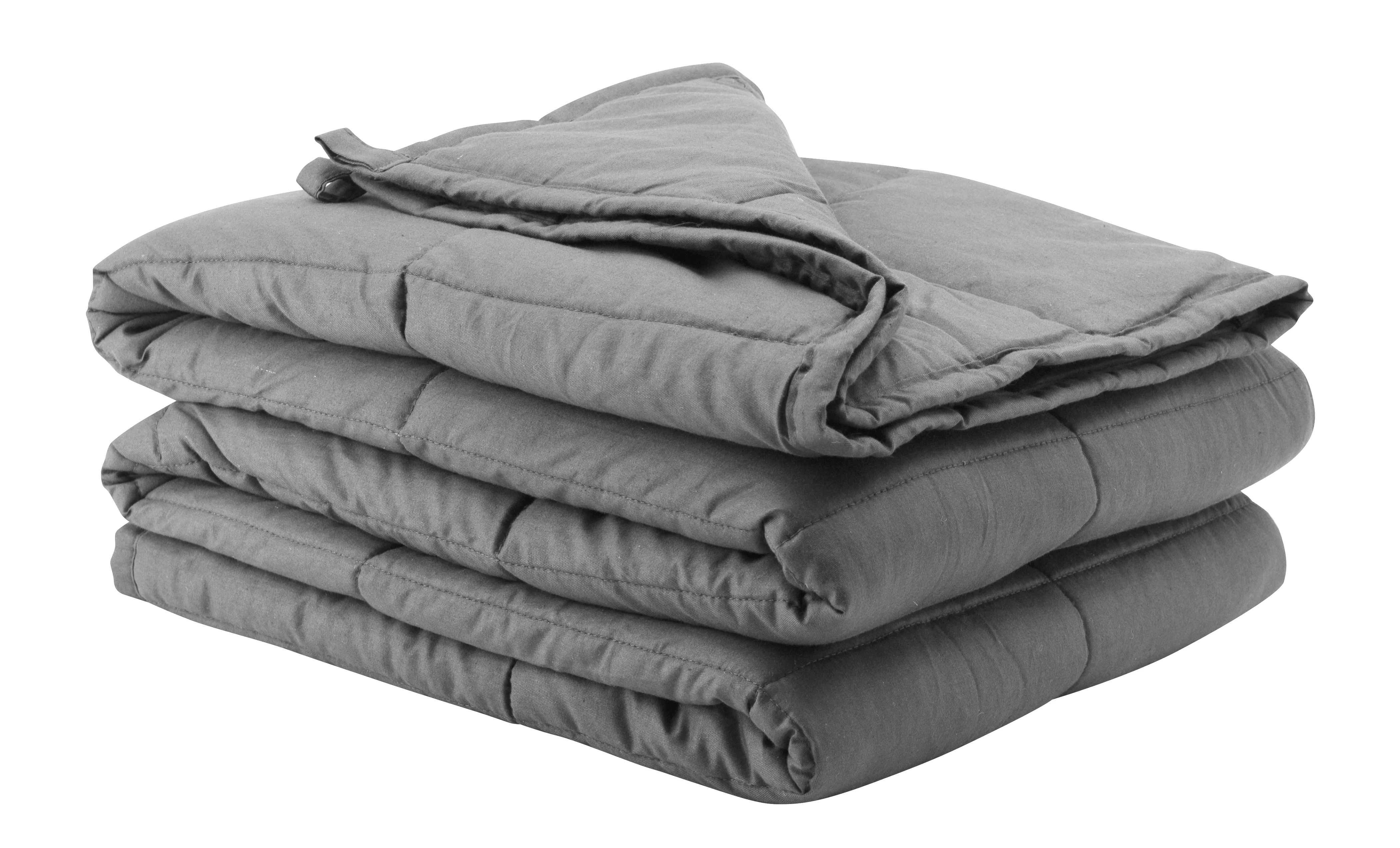
Weighted blankets utilize glass microbeads or heavy woven cotton ropes to apply Deep Touch Pressure (DTP). DTP stimulates the parasympathetic nervous system, helping lower cortisol levels while supporting serotonin and melatonin production.
- Weight Selection: The standard guideline is approximately 10% of the user's total body weight, plus or minus one to two pounds.
- Ergonomic Distribution: Look for small, quilted square pockets (4 to 5 inches across) to prevent weight shifting, or open-weave knit weighted blankets that maintain airflow to avoid overheating.
Blanket Materials for Health, Comfort, and Maintenance
The following table compares common blanket construction materials across key performance indicators to simplify selection based on practical requirements.
| Material Type | Thermoregulation | Hair & Skin Safety | Maintenance Level | Best Used For |
|---|---|---|---|---|
| Bamboo Viscose | Exceptional (Cooling) | Excellent (Low friction) | Moderate (Gentle cycle, low heat) | Postpartum recovery, hot sleepers, night sweats |
| Organic Cotton Sateen | High (Breathable) | Very Good (Smooth surface) | Low (Machine wash, tumble dry) | Year-round daily use, family lounging, bed layering |
| Microfiber / Polyester Fleece | Low (Traps heat) | Fair (Static potential, draws moisture) | Low (Durable, quick dry) | Budget-friendly secondary throws, outdoor use |
| Satin-Trimmed Natural Knit | High (Balanced) | Superior (Protects hair edges) | Moderate (Gentle care recommended) | Daytime resting, couch relaxation, hair protection |
| Weighted (Glass Bead/Cotton) | Moderate (Varies by outer cover) | Good (Depends on shell fabric) | High (Spot clean or removable cover) | Anxiety reduction, deep sleep, maternal stress relief |
Sizing, Weight, and Care Considerations for Busy Mothers
Selecting the right blanket involves more than evaluating fabric; dimensions, operational weight, and laundering requirements directly impact daily utility.
- Blanket Sizing & Purpose Guide
- Throw Size (50" x 60"): Lounging, Nursing, Desk Use
- Twin/Double (66" x 90"): Solo Sleep, Personal Bed Layering
- Queen/King (90"+ x 90"+): Shared Bedding, Family Snuggle Time
Dimensions for Lounging vs. Bed Layering
- Standard Throw (50" x 60"): Ideal for living room sofas, reading nooks, or nursery nursing chairs. Easy to fold and transport between rooms.
- Large Throw (60" x 80"): Provides complete toe-to-shoulder coverage for taller individuals or mothers resting comfortably on a recliner.
- Bed-Sized Covers (Queen: 90" x 90", King: 108" x 90"): Best used as primary bed layers. When choosing bed covers for hot sleepers, opt for breathable blankets instead of dense, heavy down alternative duvets.
Laundering Requirements and Stain Management
Busy mothers need low-maintenance textiles that handle frequent cleaning without degrading.
- Washing Protocols: Always check care labels. Bamboo and silk-blend items require mild liquid detergents free from optical brighteners or enzymes that weaken natural fibers.
- Drying Guidelines: High heat breaks down elastic fibers and creates surface pilling on synthetic blends. Tumble dry on low heat or line dry to preserve fabric softness and length.
- Stain Resilience: Darker earth tones, warm neutrals, or deep jewel tones (such as rich terracotta, emerald, or deep plum) resist visible staining from oils, lotions, or infant spills better than plain white textiles.
How to Select a Blanket as a Gift for Black Moms
A blanket makes a practical, comforting gift for baby showers, Mother’s Day, postpartum care packages, or holiday celebrations when selected intentionally.
- Gift Selection Checklist
- Has smooth/satin surfaces to protect hair styling?
- Uses breathable, temperature-regulating natural fibers?
- Fits the mother's daily routine (nursing, bed, couch)?
- Offers simple machine-washable maintenance?
- Aligns with personal aesthetic and color preferences?
Postpartum Care Packages
New mothers spend extended hours resting, nursing, or skin-to-skin bonding. A breathable, ultra-soft throw made of bamboo viscose or organic cotton provides warmth without overheating the infant during close physical contact. Pair the blanket with moisture-locking skin creams or silk hair bonnets for a complete self-care package.
Wellness and Burnout Mitigation
For mothers balancing work, childcare, and household management, a heavy knit weighted blanket offers physical grounding. Choosing an open-weave weighted design ensures they receive deep touch pressure therapy without overheating.
Aligning Aesthetics with Cultural Resonance
Home decor serves as a sanctuary. Select colors and patterns that complement the mother's personal space. Warm clay tones, rich ochres, mustard accents, and botanical prints create a cozy visual environment while maintaining structural utility.
Frequently Asked Questions
Why does blanket fabric matter for hair protection?
Coarse fabrics like rough wool or low-grade polyester fleece can pull moisture out of textured hair and cause mechanical friction. Smooth weaves like sateen, silk, or high-quality bamboo viscose allow hair shafts to glide without snagging, preserving hairstyles, locs, and edge hair while preventing nighttime frizz.
How do weighted blankets help with maternal stress and burnout?
Weighted blankets use gentle deep touch pressure to stimulate the body's nervous system. This pressure helps reduce cortisol levels while boosting serotonin and melatonin release, promoting muscle relaxation and deeper, more restful sleep cycles for busy mothers.
What is the best blanket material for postpartum night sweats?
Bamboo viscose and Tencel lyocell are ideal for postpartum night sweats. These materials absorb moisture rapidly and wick it away from the skin while maintaining airflow, preventing the chill-and-sweat cycle common during hormonal recovery.
Can a satin-bordered blanket eliminate the need for a bonnet during daytime naps?
A wide satin border provides a protective barrier for hair edges and crowns during brief rests on the couch. While a full satin bonnet or scarf offers complete 360-degree coverage for overnight sleep, a satin-lined or satin-bordered blanket prevents immediate snagging and drying when lying down without headwear.
How do you clean high-end natural fiber blankets without losing softness?
Wash high-end natural fibers using cold or lukewarm water on a gentle cycle with a mild, pH-neutral detergent. Avoid fabric softeners and bleach, which coat natural fibers and reduce breathability. Tumble dry on low heat or air dry to preserve fabric softness and structural integrity.
Recommended Action Plan for Choosing the Right Blanket
To choose the optimal blanket, align the fabric selection with the mother's daily habits, health needs, and hair maintenance routine:
- Identify the Primary Function: Determine whether the blanket will be used primarily as a living room throw, a nursing cover, a stress-relief tool, or a primary bed layer.
- Evaluate Hair and Skin Needs: If hair protection and skin moisture are top priorities, prioritize options with satin borders, sateen weaves, or 100% bamboo viscose construction.
- Check Care Instructions: Ensure the chosen fabric matches the user's laundering capacity. Machine-washable organic cotton and bamboo blends offer the best balance of luxury and daily practical maintenance.
- Confirm Sizing and Weight: Select a standard 50" x 60" throw for versatile couch lounging, or choose a weighted blanket calculated to approximately 10% of the user's body weight for stress relief.