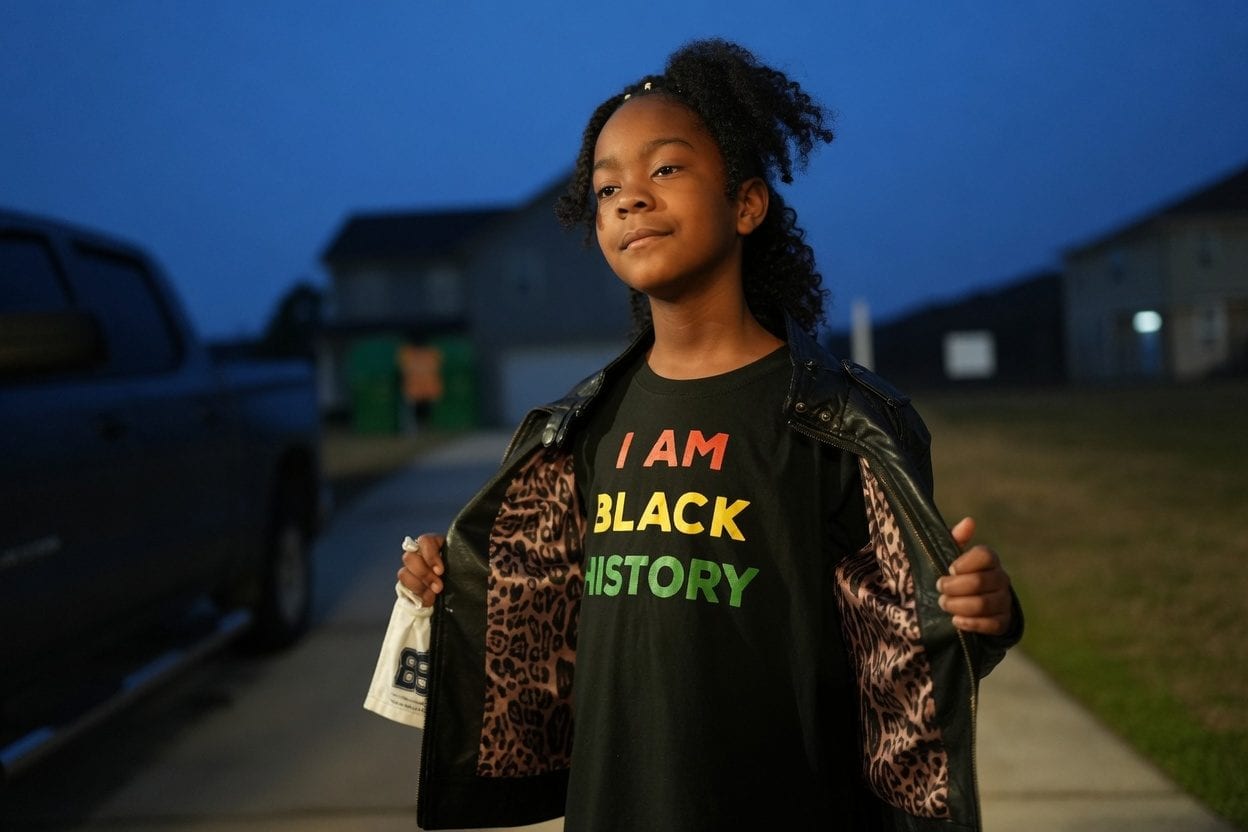
Black history attire encompasses a vast spectrum of garments, textiles, and styling traditions that reflect African heritage, socio-political movements, and cultural resilience across the Diaspora. From West African woven textiles like Kente to Civil Rights era tailored suits and Black Panther leather jackets, these garments serve as visual expressions of identity, resistance, community solidarity, and historical pride.
Understanding Black History Attire: Roots, Heritage, and Evolution
Attire throughout Black history is rarely just aesthetic; it operates as a visual vocabulary. To understand Black history attire requires recognizing how clothing has functioned as a tool for communication, survival, and self-determination. Before transatlantic enslavement, African societies used textiles, headwear, and body adornments to signal social rank, marital status, spiritual devotion, and lineage. Enslaved Africans in the Americas were largely stripped of their native garments and subjected to strict sumptuary laws designed to enforce subjugation. Despite these restrictions, individuals found ways to express agency through personal alterations, headwraps (such as the tignon enforced in 18th-century Louisiana, which Black women transformed into elegant fashion statements), and Sunday garments.
During emancipation and the Reconstruction era, clothing became a critical medium for asserting full citizenship and human dignity. Clean, tailored attire allowed newly freed individuals to challenge derogatory racial stereotypes. As the 20th century unfolded, Black fashion evolved rapidly across distinct cultural milestones—from the tailoring of the Harlem Renaissance to the deliberate sartorial strategies of the Civil Rights Movement and the anti-colonial aesthetics of Black Power movements.
Today, historical attire is worn during Black History Month events, juneteenth celebrations, weddings, graduations, and cultural festivals. Interpreting these garments requires an understanding of their historical context, the materials used, and the political or social messages embedded within every seam.
Iconic Styles Across Historical Eras
Black history attire spans multiple eras, each characterized by distinct garments, socio-economic factors, and visual statements. Tracing this progression illustrates how historical context shapes sartorial choices.
Traditional West African Textiles and Garments
- Kente Cloth: Originating from the Akan people of Ashanti kingdom (in modern-day Ghana), Kente is a hand-woven fabric made of silk and cotton strip weaves. Historically reserved for royalty and sacred ceremonies, Kente features distinct geometric patterns, each carrying a specific proverb or historical meaning.
- The Dashiki: Derived from the Yoruba word danshiki, this loose-fitting, T-shaped tunic features intricate embroidery around the neck and cuffs. Popularized in North America during the late 1960s by activist Obaba (Fred Brooks) and the Main Street Apparel company, the Dashiki became an emblem of Pan-African pride and anti-colonial solidarity.
- Bògòlanfini (Mudcloth): Hailing from Mali, Bògòlanfini is a handmade Malian cotton fabric dyed with fermented mud and botanical extracts. Traditional motifs convey historical narratives, warnings, or moral lessons.
- Gele and Headwraps: Worn across many African nations, headwraps serve both practical and ceremonial functions. In the Diaspora, headwraps evolved from forced symbols of servitude into symbols of beauty, cultural pride, and spiritual connection.
The Harlem Renaissance and Jazz Era (1920s–1940s)
The 1920s through the 1940s marked a golden age of Black artistic and intellectual expression, centered in neighborhoods like Harlem, New York. Attire during this era emphasized sophistication, precision tailoring, and glamour.
- Zoot Suits: Featuring high-waisted, wide-legged pegged trousers, long coats with wide lapels, and padded shoulders, the Zoot Suit was adopted by young African American, Afro-Latino, and Mexican American men in the late 1930s and 1940s. The garment represented rebellion against wartime cloth rationing and dominant cultural norms, making a bold statement of presence and style.
- Tailored Suits and Evening Gowns: Musicians and intellectuals like Duke Ellington, Langston Hughes, and Billie Holiday popularized tailored tuxedos, three-piece suits, silk dresses, and fur trimmings, establishing an aesthetic of refined elegance that challenged racial prejudices.
The Civil Rights Movement and "Sunday Best" (1950s–1960s)
During the Civil Rights Movement, activists deliberately used dress as a tactical tool. Leaders like Dr. Martin Luther King Jr., Rosa Parks, and members of the Student Nonviolent Coordinating Committee (SNCC) recognized that visual presentation influenced public perception in televised news and photographs.
- Respectability Attire: Activists wore tailored suits, polished shoes, conservative dresses, and pearls during marches, sit-ins, and court appearances. This "Sunday Best" aesthetic countered racist caricatures and presented a stark visual contrast to the violence inflicted upon peaceful protesters.
- Overalls and Work Clothes: Members of SNCC and field organizers also adopted denim overalls and work shirts to signal solidarity with working-class sharecroppers in the Rural South, anchoring their political action in working-class reality.
Black Power and Pan-Africanism (Late 1960s–1970s)
The late 1960s marked a shift toward explicit Afrocentrism and political militancy. Attire reflected a direct rejection of European aesthetic norms in favor of natural hair and African-inspired garments.
- The Black Panther Uniform: Founded by Huey P. Newton and Bobby Seale in 1966, the Black Panther Party for Self-Defense adopted a uniform consisting of black leather jackets, black berets, powder-blue shirts, and sunglasses. This attire projected discipline, authority, and militaristic organization.
- Afrocentric Casualwear: Natural Afro hairstyles, cowrie shell jewelry, Dashikis, and garments in the Pan-African colors (red, black, green, and gold) became mainstream symbols of Black pride and self-acceptance.
Hip-Hop Culture and Modern Fashion (1980s–Present)
From the 1980s onward, street fashion originating in Black urban centers transformed global fashion. Tracksuits, oversized leather jackets, gold chains, bucket hats, and high-top sneakers became cultural signatures, eventually bridging the gap between urban youth culture and high-fashion luxury houses.
Symbolic Meanings of Colors, Motifs, and Fabrics
Visual symbolism plays a central role in Black history attire. Color selection, pattern geometry, and material types often carry deep historical and spiritual weight.
| Color | Traditional & Cultural Meaning |
|---|---|
| Red | The blood shed by ancestors for freedom |
| Black | The people and their collective identity |
| Green | The fertile land and natural wealth of Africa |
| Gold / Yellow | Prosperity, spiritual purity, and light |
Color Palette Intentions
- Red: Represents the blood shed during liberation struggles, resilience, and vitality.
- Black: Represents the physical presence of Black people worldwide and the unifying strength of the Diaspora, as defined by Marcus Garvey's Universal Negro Improvement Association (UNIA) flag created in 1920.
- Green: Symbolizes the rich agricultural wealth, fertility, and renewal of the African continent.
- Gold/Yellow: Associated with royalty, high status, financial prosperity, and spiritual illumination (frequently seen in Kente and Adinkra textiles).
Geometric Motifs and Adinkra Symbols
Adinkra symbols, created by the Ashanti people, are visual icons representing proverbs, historical events, and philosophical concepts. Common symbols integrated into historical and modern garments include:
- Sankofa (Bird looking backward): Symbolizes the importance of learning from the past to build the future.
- Gye Nyame (Except for God): Indicates the supreme power of the divine.
- Dwammenmen (Ram’s horns): Represents strength and humility.
Key Characteristics of Historic Black Attire Styles
To compare the structural and contextual differences across iconic Black historical garments, review the following summary:
| Era / Style | Regional Origin & Historical Period | Key Structural Elements | Primary Symbolic Message |
|---|---|---|---|
| Kente Cloth | Ghana (Akan / Ashanti), Ancient–Present | Hand-woven silk/cotton strips, vivid geometric patterns | Royalty, high status, sacred tradition, heritage |
| Zoot Suit | United States (Harlem/Urban Centers), 1930s–1940s | High-waisted pegged trousers, broad-shouldered long coats | Subversion of rationing, youthful presence, defiance |
| "Sunday Best" | United States (Civil Rights Era), 1950s–1960s | Tailored suits, conservative dresses, pearls, polished shoes | Dignity, respectability, non-violent political strategy |
| Black Panther Uniform | Oakland, California, 1960s–1970s | Black leather jackets, black berets, powder-blue shirts | Self-defense, discipline, community empowerment |
| Dashiki | West Africa / Transnational Diaspora, 1960s–Present | Loose T-shaped tunic, V-neck embroidered collar, bright prints | Pan-African pride, anti-colonialism, cultural identity |
| Modern Afrocentric Fusion | Global Diaspora, 2000s–Present | Blended Ankara prints with contemporary urban tailoring | Heritage celebration, globalized Black identity |
Practical Guide to Selecting and Wearing Cultural Attire Respectfully
When selecting Black history attire for educational presentations, community celebrations, or formal occasions, following clear guidelines ensures accuracy, cultural respect, and historical fidelity.
Step 1: Identify the Specific Context and Event
Match the attire to the occasion:
- Formal Galas & Ceremonies: Authentic Kente stoles, tailored suits with Ankara accents, or formal African dresses (e.g., Agbada or Boubou).
- Educational Presentations: Era-specific historical garments (such as 1960s Civil Rights Sunday attire or 1920s Harlem Renaissance suits).
- Casual Celebrations: Dashikis, graphic tees highlighting historical figures, or modern streetwear incorporating traditional prints.
Step 2: Source Authentically and Ethically
Prioritize purchasing garments from authentic artisans, Black-owned businesses, or ethical fair-trade organizations directly connected to the culture of origin. Authentic Kente, for example, is hand-woven in Ghana, whereas printed reproductions differ in weight, texture, and cultural origin.
Step 3: Understand the Protocol of Specific Garments
- Kente Stoles: Often worn over academic robes or formal suits during graduations and milestone ceremonies. Ensure the stole drapes symmetrically over the shoulders.
- Headwraps (Gele): Ensure the wrapping style matches the formality of the event. Intricate, structured Geles are suited for weddings and formal gatherings, while softer fabric wraps work well for casual attire.
- Historical Costuming vs. Cultural Attire: When dressing for historical reenactments, focus on historical accuracy rather than caricature. Avoid mixing incompatible eras (e.g., pairing a 1970s Afro wig with a 1950s Civil Rights suit).
Frequently Asked Questions About Black History Attire
What is the difference between Kente cloth and Ankara fabric?
Kente cloth is a traditional hand-woven textile originating from Ghana made of strip-woven silk and cotton, typically featuring geometric patterns associated with royalty. Ankara fabric (also known as African wax print) is a factory-printed cotton textile with vibrant patterns widely used across West and Central Africa, originally adapted from Indonesian batik manufacturing methods.
Why did Civil Rights activists wear formal suits during marches?
Activists wore tailored suits and conservative dresses to project dignity, moral authority, and respectability. This strategic visual choice countered prevailing racial stereotypes and presented a clear contrast against the violence faced by non-violent protesters in televised news broadcasts.
Can non-Black individuals wear Dashikis or Afrocentric attire?
Non-Black individuals attending formal cultural events, such as weddings or interfaith services, may wear attire requested by their hosts. In educational settings, non-Black individuals typically participate by learning about and displaying the textiles rather than wearing sacred or identity-specific garments like graduation Kente stoles.
What is the historical origin of the Black Panther beret?
The black beret was adopted by the Black Panther Party in 1966, inspired by global anti-colonial movements and military uniforms (such as those worn by French resistance fighters and independence movements). It symbolized international solidarity, discipline, and organized community defense.
How do you clean and maintain authentic West African textiles?
Authentic hand-woven fabrics like Kente and Bògòlanfini (mudcloth) should generally be dry-cleaned or spot-cleaned with mild detergent in cold water to prevent dye bleeding and fiber shrinkage. Avoid harsh detergent washing machines or tumble drying for hand-woven textiles.
Next Steps for Cultural Preservation and Research
Understanding Black history attire requires ongoing engagement with fashion historians, museum archives, and community elders. To deepen your understanding or build an accurate collection, consider the following action steps:
- Consult Institutional Archives: Explore permanent textile collections at institutions such as the National Museum of African American History and Culture or the Victoria and Albert Museum for detailed documentation of historic garments and textiles.
- Verify Sourcing Integrity: When purchasing traditional textiles like Kente, Adinkra, or Mudcloth, verify that garments are produced by artisan cooperatives in their native regions to support local economies and preserve heritage craft techniques.
- Document Personal and Family Collections: Preserve family photographs, vintage garments, and oral histories related to church wear, fraternal uniforms, and ancestral attire to help maintain community dress history for future generations.