Achieving a streak-free, natural-looking sunless tan requires matching your skin type with the correct active ingredients—primarily Dihydroxyacetone (DHA)—and following a precise preparation and application routine. By understanding active ingredient concentrations, undertone color guides, and proper epidermal preparation, you can secure a long-lasting, even bronzed finish without exposing skin to harmful ultraviolet radiation.
Understanding Sunless Tanning Chemistry: Active Ingredients and Skin Physiology
Sunless tanning formulations rely on a non-toxic chemical reaction occurring entirely within the outermost layer of the skin, the stratum corneum. The primary active compound across virtually all self-tanning products is Dihydroxyacetone (DHA), a simple three-carbon sugar derivative. When applied to the skin, DHA reacts with the free amino acids present in keratin proteins. This interaction—known as the Maillard reaction—generates brown-pigmented polymers called melanoidins. Because the reaction takes place exclusively within non-viable epidermal cells, the resulting color is temporary and naturally fades as skin cells shed through normal desquamation.
To improve color realism and longevity, many advanced formulations pair DHA with Erythrulose, a naturally occurring keto-sugar. While DHA reacts rapidly within 2 to 6 hours to produce a warm yellow-to-brown tone, Erythrulose develops far more slowly, peaking between 24 and 48 hours. The combination yields a deeper, more balanced reddish-brown undertone that resists uneven fading.
The concentration of active DHA in a formula determines its final color intensity:
- Fair Skin (Light DHA, 3%–5%): Delivers a subtle, sun-kissed glow without triggering brassy tones on fair skin.
- Medium Skin (Moderate DHA, 6%–8%): Produces a classic golden-tan shade suitable for skin tones that tan naturally in the sun.
- Deep/Dark Skin (High DHA, 10%–14%): Formulated for dark undertones or express formulas where high active density achieves rapid pigmentation within 1 to 3 hours.
Because DHA can temporarily increase oxidative stress on the skin surface immediately following application, modern formulations frequently incorporate antioxidants such as Vitamin E, green tea extract, and aloe vera to soothe the cutaneous barrier during color development.
Evaluating Sunless Tanning Formulations by Skin Type and Needs
Choosing the right sunless tanner requires balancing your skin’s hydration level, personal application confidence, and lifestyle constraints. Sunless tans are delivered through several distinct vehicle formulations, each offering unique physical properties and drying dynamics.
- Sunless Tanning Formulations
- Mousses
- Fast-drying
- Best for Oily & Normal Skin
- Lotions
- Hydrating
- Best for Dry & Mature Skin
- Drops
- Customizable
- Mixed with Moisturizer
- Mousses
Mousses and Foams
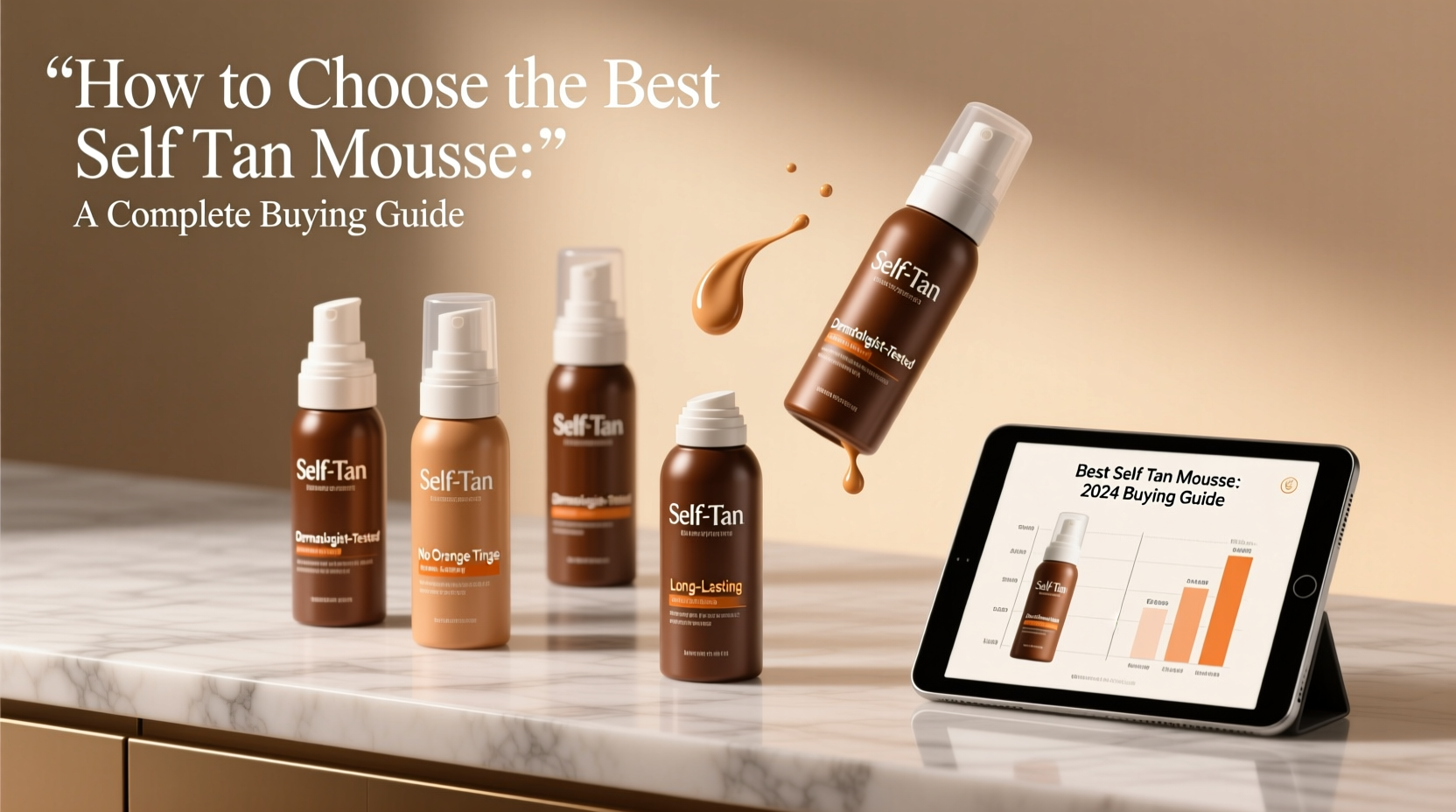
Mousses represent the standard in modern sunless tanning due to their lightweight, aerated structure and swift drying times. Formulated with alcohol or quick-evaporating solvents, foams set on the skin within minutes, minimizing sticky residual texture. Most mousses include a cosmetic tint indicator (often called a color guide), allowing users to visually track where product has been spread. Mousses work best for normal, combination, and oily skin types, though individuals with severely dry skin may find them slightly dehydrating without pre-application hydration.
Lotions and Creams
Cream-based self-tanners combine DHA with rich emollient bases containing fatty acids, shea butter, or hyaluronic acid. Because lotions absorb more slowly than mousses, they afford longer play time to work the product into the skin, making them forgiving for beginners. The rich hydration makes lotions ideal for dry, dehydrated, or mature skin profiles. However, their extended absorption rate requires waiting 15 to 30 minutes before dressing to avoid transfer.
Clear Waters and Sprays
Tanning waters and aerosol mists offer a clear application devoid of instant cosmetic dyes. This eliminates color transfer onto clothing, towels, or bedsheets during the development phase. Aerosol mists mimic professional spray tanning by delivering fine micro-droplets, making them effective for hard-to-reach areas like the back. The primary drawback of clear formulations is the lack of a visible guide, increasing the risk of missed spots or uneven overlap for inexperienced users.
Tanning Drops and Concentrates
Concentrated tanning drops contain high levels of DHA intended to be blended directly into standard face or body moisturizers. This vehicle allows complete customization of color depth—adding two drops produces a soft radiance, while six drops creates a rich tan. Drops are particularly effective for facial tanning, as they integrate seamlessly into existing non-comedogenic skincare routines without clogging pores or disrupting active treatments.
Express vs. Gradual Tanning Systems
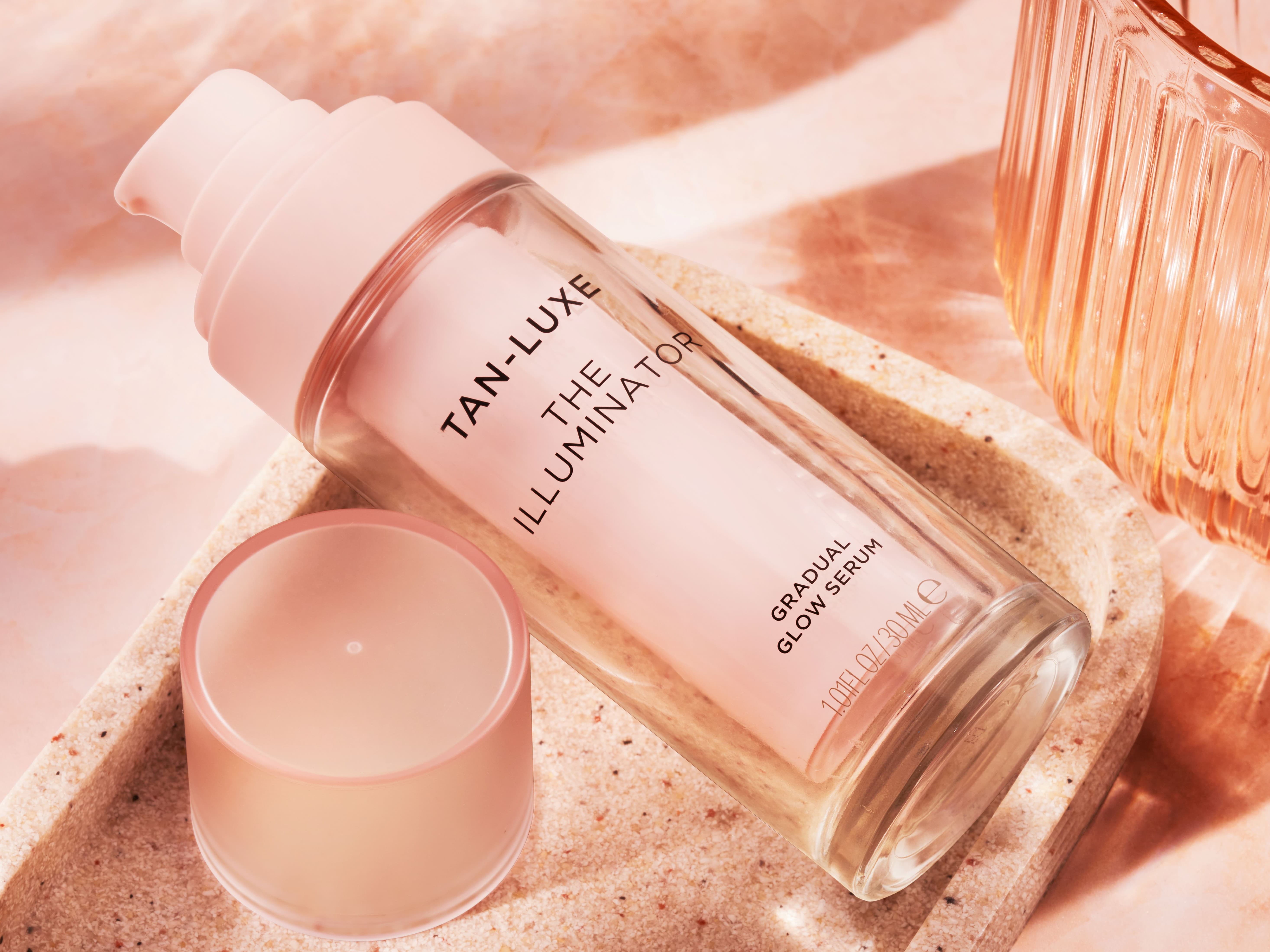
- Gradual Tanners: Contain low concentrations of DHA (typically 2% to 4%) blended into daily moisturizers. Applied consecutively over 3 to 5 days, they build subtle color slowly and maintain skin hydration continuously.
- Express Tanners: Utilize high DHA concentrations combined with penetration enhancers (such as dimethyl isosorbide). These allow users to wash off the guide color after 1 hour (for a light tan), 2 hours (medium), or 3 hours (dark), while the final color continues developing underneath for 24 hours.
Comparative Breakdown of Sunless Tanning Categories
| Formulation Type | DHA Concentration | Ideal Skin Type | Drying Time | Application Skill Level | Typical Duration |
|---|---|---|---|---|---|
| Gradual Lotion | 2% – 4% | Dry, Sensitive, Mature | 15–20 minutes | Beginner | 3–5 days (with daily use) |
| Self-Tanning Mousse | 6% – 10% | Normal, Oily, Combination | 2–5 minutes | Intermediate | 5–7 days |
| Hydrating Cream | 5% – 8% | Very Dry, Flaky | 15–30 minutes | Beginner to Intermediate | 5–7 days |
| Tanning Water / Spray | 6% – 12% | All Skin Types | 3–5 minutes | Advanced | 4–6 days |
| Custom Tanning Drops | Variable (Concentrate) | All (Facial Focus) | Matches base lotion | Beginner | 3–5 days |
| Express Foam | 10% – 14% | Normal to Combination | 3–5 minutes | Intermediate to Advanced | 5–7 days |
The Preparation Protocol: Exfoliation, Barrier Application, and Timing
The durability and uniform appearance of a sunless tan depend heavily on skin preparation. Applying DHA to uneven layers of dead skin cells results in patchy development and premature fading. Following a structured timeline ensures optimal substrate conditions for the Maillard reaction.
Preparation & Application Timeline:
- 24 Hours Prior: Shave/Wax & Deep Exfoliation
- 2-4 Hours Prior: Cleanse Skin (Remove Deodorant/Oils)
- Immediate Prep: Apply Barrier Cream to Dry Joints
- Application: Apply Formulated Product with Mitt
- Development: Allow 1-8 Hours Before Initial Rinse
1. The 24-Hour Pre-Tan Phase
Complete all mechanical hair removal (shaving or waxing) at least 24 hours prior to applying self-tanner. Shaving immediately before application leaves hair follicles open, allowing DHA to collect in tiny pores and create dark speckles (often called "strawberry legs").
Concurrently, perform a deep physical or chemical exfoliation. Use a textured exfoliating mitt, an alpha-hydroxy acid (AHA) wash, or a sugar scrub devoid of heavy oils. Focus on hyper-keratinized zones:
- Elbows and knees
- Ankles and heels
- Wrists and knuckles
- Around the collarbones and neckline
Warning: Avoid oil-based body scrubs within 24 hours of tanning, as residual oils form an occlusive barrier that prevents DHA from penetrating the stratum corneum uniformly.
2. Immediate Pre-Application Cleanse
Directly before tanning, shower with a simple, pH-balanced cleanser to remove residual body oils, lotions, perfumes, and aluminum-based antiperspirants. Antiperspirant residues can react with DHA and cosmetic bronzers, turning the underarm area a distinct shade of green. Dry the skin completely and refrain from applying body butter or serum prior to tanning.
3. Strategic Barrier Cream Placement
Because thick, calloused skin absorbs significantly more DHA, areas like the palms, soles, knees, elbows, and cuticles will turn unnaturally dark if untreated. Apply a thin layer of oil-free cream or petroleum-free lotion to these areas:
- The tops of the feet and heel margins
- Palms and wrist creases
- Elbow points and kneecaps
- Cuticles and fingernail beds
The barrier lotion dilutes the concentration of DHA absorbed in these dry areas, yielding a balanced transition between body zones.
4. Tanning Mitt Technique and Zone Mapping
Always use a plush, micro-fiber tanning mitt with a waterproof inner lining to shield the palms from staining and ensure smooth application.
- Work in Sections: Start at the ankles and work upward toward the torso, moving systematically to avoid missing areas. Save the arms, face, and back for last.
- Application Motion: Dispense mousse or lotion directly onto the mitt (1–2 pumps per body section). Apply to long limbs using overlapping circular motions, distributing product evenly before moving down the skin.
- Joint Extensions: Flex knees and bend elbows when applying product over joints to stretch the skin taut, ensuring the formula penetrates skin folds.
- Hands, Feet, and Face: Use only the residual product remaining on the mitt after covering the arms and legs for the tops of feet, hands, and face. Alternatively, use a dense kabuki brush to buff residual formula into the contours of the face and hands for a seamless blend.
Maintenance Routines and Troubleshooting Common Mistakes
Fading a sunless tan smoothly requires controlling environmental factors that accelerate epidermal desquamation and managing skin hydration.
Tan Maintenance Checklist:
- Do's
- Hydrate with oil-free lotions daily
- Pat skin dry gently after bathing
- Wear loose, dark clothing during development
- Don'ts
- Avoid long hot showers & baths
- Avoid chlorinated pools & hot tubs
- Avoid harsh physical scrubs early on
The Initial Rinse Phase
For standard formulas, allow the color to develop undisturbed for 6 to 8 hours (or overnight). Express formulas require rinsing after 1 to 3 hours depending on desired depth.
During the first rinse:
- Use lukewarm water only—avoid hot water, soaps, or shower gels.
- Rinse until the water runs clear of cosmetic color guide.
- Pat the skin dry gently with a soft towel; do not rub vigorously.
- Refrain from using body cleansers containing sulfates or active acids for at least 12 hours post-rinse while the underlying DHA color continues to mature.
Daily Maintenance and Hydration
DHA can dry out the upper layers of the epidermis. To maintain color depth and prevent uneven, scale-like fading:
- Moisturize Twice Daily: Apply an oil-free, non-comedogenic lotion morning and night. Hydrated skin retains dead skin cells longer, extending tan longevity to 7–10 days.
- Avoid Mineral Oils and Harsh Acids: Heavy mineral oils, petrolatum, and topical exfoliants (salicylic acid, glycolic acid, retinol) break down melanoidins rapidly.
- Limit Swimming: Chlorinated pool water and saltwater act as natural bleaches and accelerants of cutaneous shedding, causing sunless tans to fade quickly and unevenly.
Troubleshooting Common Application Errors
Preventing and Correcting Orange Tones
Unwanted brassy or orange tones stem from two main factors: using a DHA percentage too high for your natural skin tone, or selecting a product with an incorrect color base.
Modern self-tanners utilize color-correcting base tints:
- Green-Base Tanners: Counteract pink, red, or cool undertones, producing a warm olive finish.
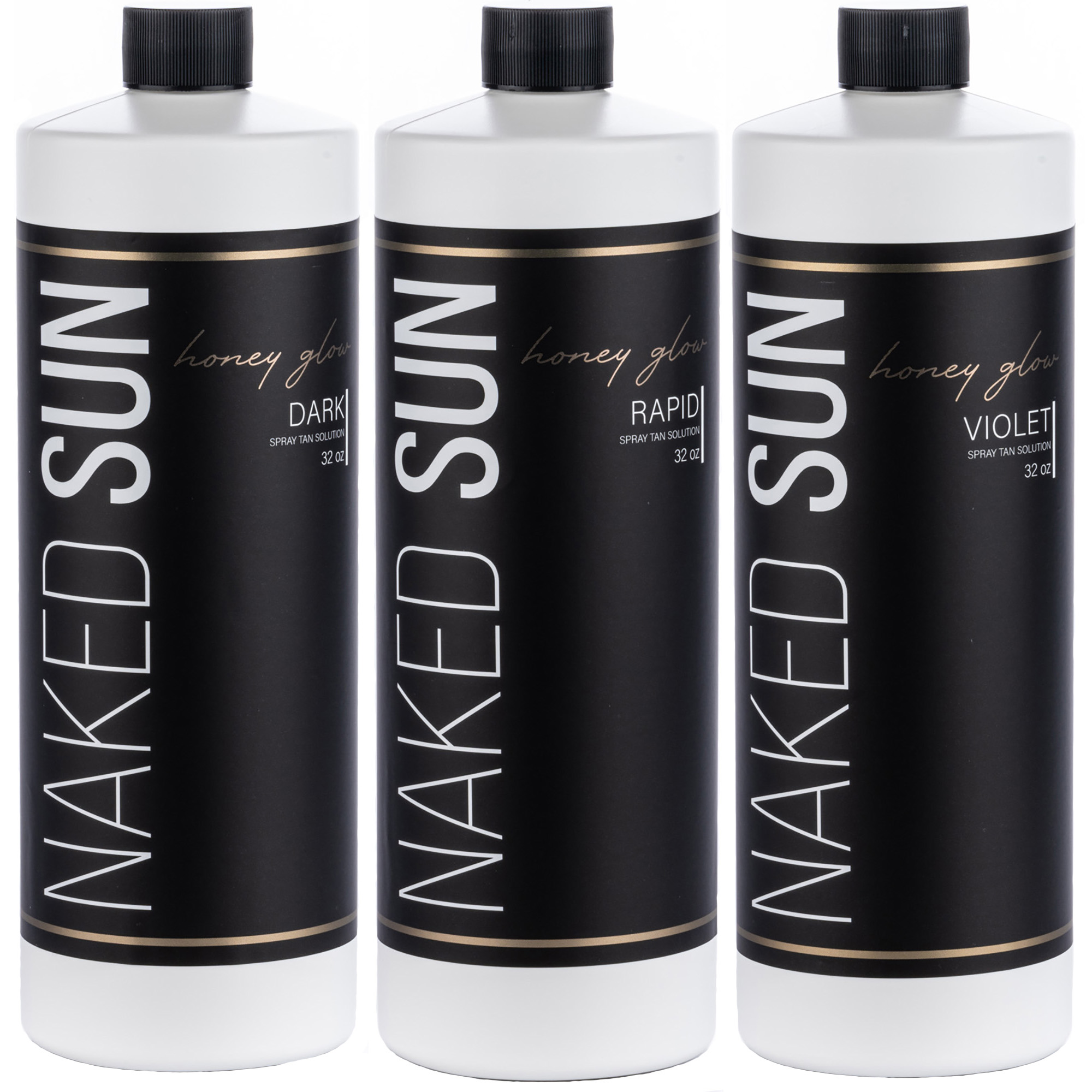
- Violet-Base Tanners: Neutralize yellow or sallow undertones, ideal for creating a rich Mediterranean dark tone on medium-to-dark skin bases.
- Ash/Blue-Base Tanners: Neutralize deep orange tendencies on very fair skin.
If a tan appears overly orange, rinse immediately and apply an oil-free moisturizer diluted with a tiny amount of gentle body wash to soften the tone.
Fixing Streaks, Spots, and Patchy Fading
If streaks or uneven lines appear after the initial rinse:
- Spot Removal: Apply a dedicated tan-removing mousse containing glycolic acid and urea to the dark streak, leave for 5 minutes, and buff gently with a wet microfiber cloth.
- Natural Remedies: Create a paste using lemon juice and baking soda. Apply directly to dark patches on knuckles, ankles, or wrists for 3 minutes, then buff lightly in a circular motion.
- Remapping Patchy Areas: For light streaks, apply a small amount of gradual tanner specifically to the lighter patch using a makeup sponge to bridge the color gap without darkening the surrounding tan.
Frequently Asked Questions
How long does a typical sunless tan last?
A well-maintained sunless tan generally lasts between 5 and 7 days. Longevity depends on individual skin turnover rates, pre-tan preparation, and daily hydration routines. Gradual tanners can extend color indefinitely when applied every 2 to 3 days, whereas high-DHA express formulas fade more rapidly as the top epidermal layers shed.
Does a sunless tan protect skin from sunburn or UV damage?
No. Sunless tans provide no meaningful protection against ultraviolet radiation. The melanoidin pigments created by DHA do not function like natural melanin. Unless the self-tanner is explicitly formulated with a broad-spectrum sunscreen (and reassessed according to active sunscreen application guidelines), you must apply standard broad-spectrum SPF 30+ sunscreen daily over your sunless tan.
How do green-base and violet-base self-tanners differ?
Green-base and violet-base tanners utilize color theory to neutralize natural skin undertones and prevent brassiness. Green-base formulas balance red or pink undertones, resulting in a realistic olive hue. Violet-base formulas counteract warm yellow or golden undertones, producing a rich, cool-toned bronzed effect best suited for medium to dark complexions.
Can sunless tanners cause skin irritation or allergic reactions?
While DHA is generally well-tolerated and approved for topical use, contact dermatitis can occasionally occur. Irritation is usually triggered by secondary ingredients such as synthetic fragrances, preservatives (like parabens or methylisothiazolinone), or high alcohol contents designed for fast drying. Perform a patch test on a small area of the inner arm 24 hours before a full-body application if you have sensitive skin or eczema.
What is the best way to apply self-tanner to hands and feet without staining?
Apply sunless tanner to hands and feet last using only the light residual product left on your tanning mitt. Blend the product outward from the wrists down to the fingers, keeping fingers slightly bent in a claw shape to coat knuckles evenly. Apply barrier lotion generously to heels, ankles, and cuticles beforehand, and sweep a dry makeup sponge over nail beds and palm edges immediately after application to remove excess product.
Tailoring Your Sunless Tanning Routine for Reliable Results
Selecting the ideal sunless tanner comes down to matching your skin chemistry with the right product vehicle and DHA concentration. For maximum reliability, dry skin types should prioritize hydrating lotions or custom tanning drops, while oily skin types benefit from quick-drying mousses with color guides.
To maintain a consistent glow, establish a weekly cadence: exfoliate thoroughly 24 hours prior to application, protect high-absorption joints with barrier creams, apply using a lined microfiber mitt, and hydrate skin daily with oil-free moisturizers. By managing hydration and choosing formulas tailored to your natural undertones, you can maintain a golden, healthy tan year-round without risking the cellular damage associated with UV radiation.