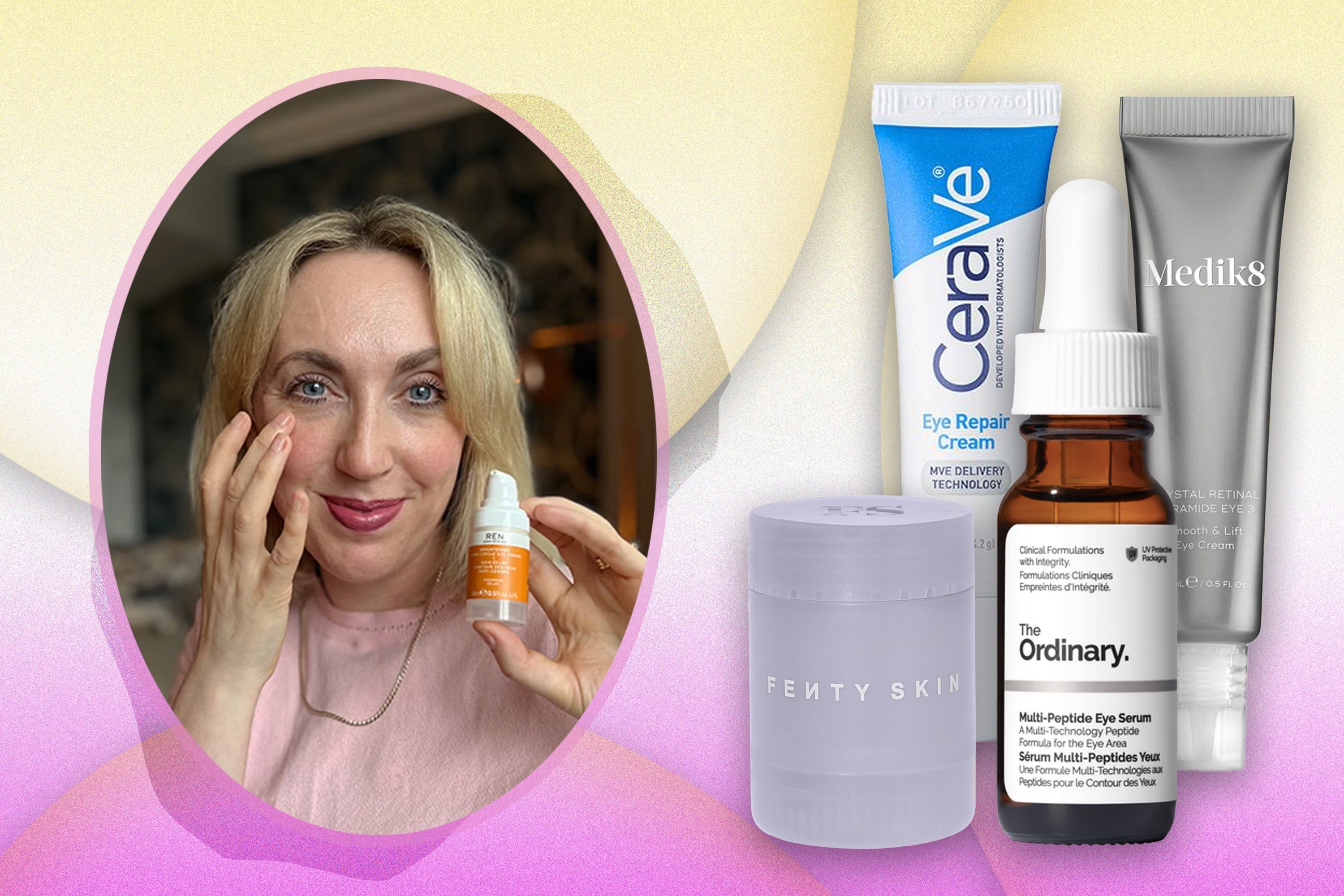
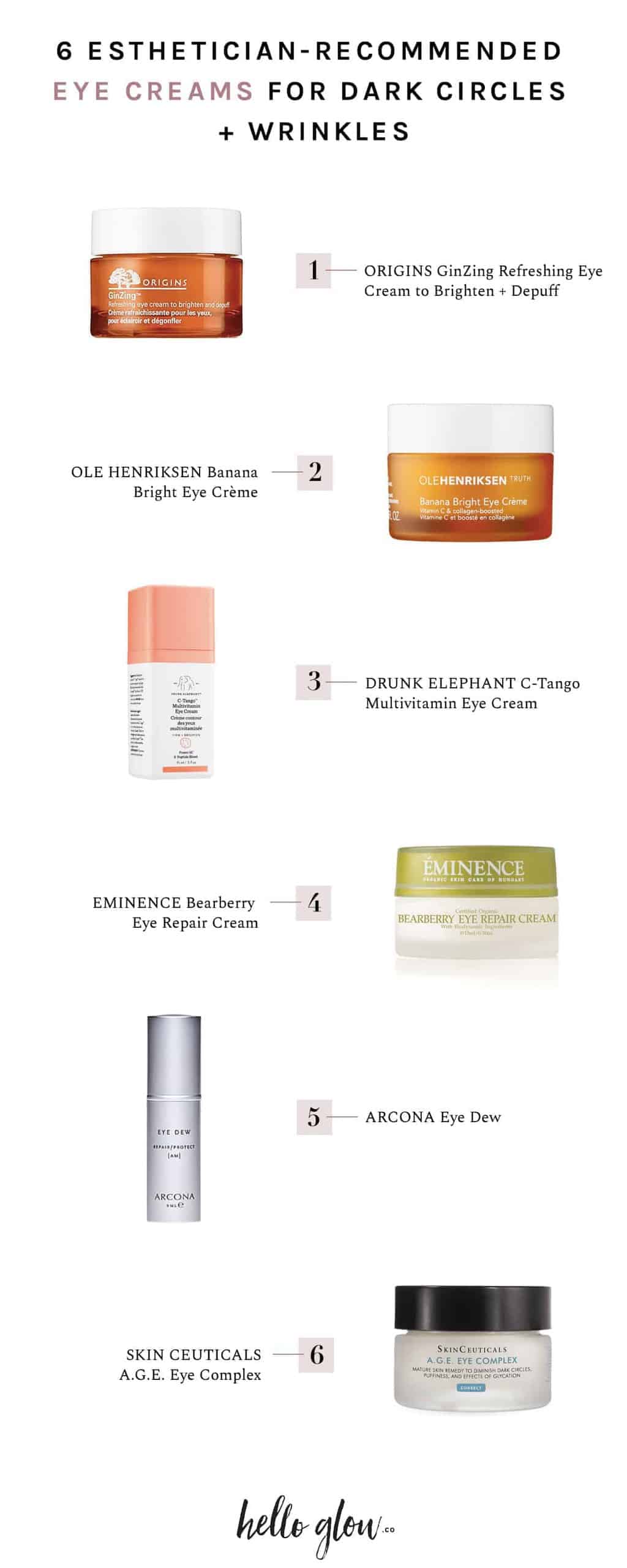
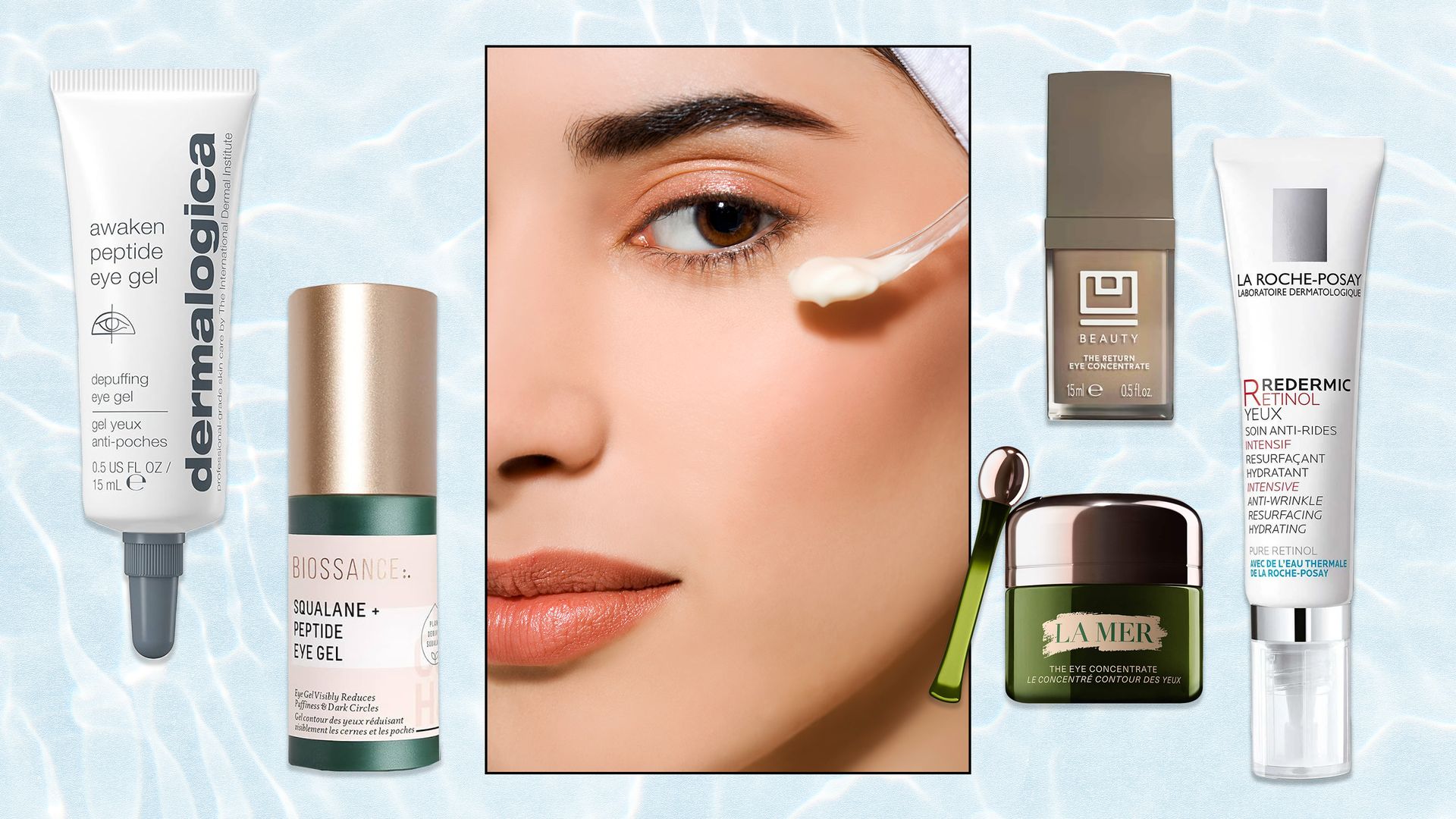
Finding the best eye cream on the market requires matching specific active ingredients to distinct periorbital concerns—such as peptides and retinoids for fine lines, caffeine and vitamin K for vascular puffiness, or niacinamide and THD ascorbate for hyperpigmentation. Because periorbital skin is unusually thin, effective formulations prioritize low-irritation delivery systems over raw active concentration.
Understanding Periorbital Skin: Why Standard Facial Moisturizers May Fall Short
The skin surrounding the human eye—the periorbital region—is anatomically distinct from the rest of the facial skin. Averaging approximately 0.5 millimeters in thickness, it is roughly one-third the thickness of skin on the cheeks or forehead. Additionally, the eyelid and under-eye area contain significantly fewer sebaceous glands, making this tissue prone to accelerated transepidermal water loss (TEWL) and persistent dryness.
Because the underlying orbicularis oculi muscle is in constant motion through blinking, squinting, and facial expressions, the periorbital area is typically the first region to display visible signs of intrinsic and extrinsic aging. Fine lines, loss of elasticity, and crepiness manifest rapidly when collagen and elastin fiber networks degrade.
While many general facial moisturizers provide basic hydration, dedicated eye creams are engineered to address the physiological constraints of this sensitive zone. Standard facial creams often contain higher concentrations of occlusives, essential oils, or heavy fragrances that can migrate into the eye, causing conjunctival irritation, sting, or contact dermatitis. Furthermore, rich facial formulas can contribute to milia—small, benign keratin-filled cysts that form when desquamated skin cells become trapped beneath the epidermis. Purpose-built eye formulations utilize lightweight delivery vehicle systems designed to penetrate thin epidermal layers without triggering edema or tissue congestion.
Note: This guide is for informational purposes. If you experience severe periorbital eczema, sudden inflammation, or persistent dark discoloration accompanied by physical discomfort, consult a board-certified dermatologist or ophthalmologist for a clinical diagnosis.
Targeting Specific Concerns: Key Active Ingredients and Formulations
Selecting an effective product requires evaluating the primary structural issue under the eye. A single formulation rarely solves every periorbital concern simultaneously; optimal results depend on choosing ingredients targeted to precise biological mechanisms.
Fine Lines, Crow's Feet, and Loss of Elasticity
Dynamic wrinkles and structural laxity result from decreased dermal collagen synthesis and repeated muscle contraction. To address these structural changes, look for topically applied agents that stimulate extracellular matrix production without overwhelming sensitive tissue:
- Encapsulated Retinoids and Retinaldehyde: Vitamin A derivatives remain the gold standard for stimulating collagen production. However, traditional tretinoin or high-percentage retinol often causes severe flaking and erythema around the eyes. Encapsulated retinol or retinaldehyde (retinal) delivers slow-release active ingredients deep into the dermis, minimizing surface irritation while promoting cellular turnover.
- Signal and Carrier Peptides: Palmitoyl Tripeptide-5, Palmitoyl Tetrapeptide-7, and Copper Tripeptide-1 act as cellular messengers. They signal fibroblasts to synthesize new collagen, fibronectin, and glycosaminoglycans, helping to firm the dermal matrix over extended use.
- Epidermal Growth Factors (EGF): Bio-engineered proteins that support cellular repair and tissue regeneration, providing an alternative for skin that cannot tolerate retinoid derivatives.
Dark Circles: Distinguishing Between Pigmentary and Vascular Causes
Dark circles fall into two primary diagnostic categories: pigmentary hyperpigmentation and vascular pooling. Identifying the underlying cause is essential for selecting an effective targeted treatment.
Periorbital Dark Circle Diagnosis
- Does color fade when skin is gently stretched across the orbital rim?
- YES: VASCULAR
- Cause: Thin skin exposes underlying blood vessels and fluid pool.
- Target: Caffeine, Vitamin K, Peptides, Cooling Applicators
- NO: PIGMENTARY
- Cause: Melanin accumulation from genetics, sun exposure, or inflammation.
- Target: Vitamin C, Niacinamide, Kojic Acid, Tranexamic Acid
- YES: VASCULAR
- Does color fade when skin is gently stretched across the orbital rim?
Pigmentary Dark Circles (Brown/Black Tones): Caused by excess melanin synthesis from genetic predisposition, sun exposure, or post-inflammatory hyperpigmentation. Effective ingredients include tetrahexyldecyl (THD) ascorbate (a stable, oil-soluble form of Vitamin C), niacinamide (Vitamin B3), kojic acid, and tranexamic acid, which inhibit tyrosinase activity and block melanosome transfer.
Vascular Dark Circles (Blue/Purple Tones): Caused by thin epidermal layers revealing underlying microvasculature or sluggish microcirculation. Key actives include caffeine, which temporarily constricts capillary walls, and Vitamin K oxide (phytonadione), which supports blood coagulation and reduces intravascular leakage into surrounding tissue.
Under-Eye Puffiness and Fluid Retention
Transient morning puffiness differs from permanent orbital fat pad herniation. Fluid-based puffiness is driven by poor lymphatic drainage during sleep, high dietary sodium, or seasonal allergies.
- Caffeine and EGCG: Epigallocatechin gallate (derived from green tea) combined with caffeine works synergistically to induce vasoconstriction, accelerate lymphatic drainage, and offer potent antioxidant protection against environmental oxidative stress.
- Drainage-Promoting Peptides: Acetyl Tetrapeptide-5 specifically targets vascular permeability, preventing fluid accumulation in the interstitial spaces under the eye.
- Chilled Metal Applicators: Stainless steel or palladium ceramic tip applicators provide immediate cryo-stimulation, inducing localized vasoconstriction and helping physically displace excess fluid during application.
Dehydration and Moisture Barrier Compromise
Crinkling, superficial fine lines that worsen throughout the day are typically a sign of acute dehydration rather than structural collagen loss.
- Multi-Molecular Weight Hyaluronic Acid: Low-molecular-weight hyaluronic acid penetrates deep into the stratum corneum to bind internal moisture, while high-molecular-weight molecules form a protective film on the skin surface to reduce TEWL.
- Ceramides and Squalane: Essential lipid components that repair the delicate lipid barrier, filling microscopic gaps between corneocytes to lock in hydration without clogging pores or precipitating milia.
Comparing Top Eye Cream Active Formulations
The table below summarizes primary active ingredient profiles, target indications, mechanisms of action, and expected tolerability for contemporary periorbital skincare products.
| Primary Active Ingredient | Target Periorbital Concern | Primary Mechanism of Action | Tolerability Profile | Best Time of Application |
|---|---|---|---|---|
| Encapsulated Retinol (0.01% - 0.1%) | Fine lines, loss of firmness, texture | Stimulates dermal collagen & cellular turnover | Moderate; requires gradual introduction | Night only |
| THD Ascorbate (Vitamin C) | Pigmentary dark circles, dullness | Inhibits tyrosinase; neutralizes free radicals | High; non-acidic lipid-soluble form | Morning (under sunscreen) |
| Caffeine (2% - 5%) + EGCG | Vascular puffiness, fluid retention | Induces capillary vasoconstriction; aids drainage | Very High; immediate temporary effect | Morning |
| Palmitoyl Tripeptide-5 | Structural fine lines, skin thinning | Signals fibroblast collagen synthesis | High; minimal risk of irritation | Morning and Night |
| Niacinamide (2% - 5%) | Hyperpigmentation, barrier weakness | Blocks melanosome transfer; boosts ceramide synthesis | High; well-tolerated by sensitive skin | Morning and Night |
| Ceramides + Squalane | Dehydration, superficial crinkling | Restores stratum corneum lipids; reduces TEWL | Exceptional; safe for reactive skin | Morning and Night |
How to Apply Eye Cream Correctly to Prevent Irritation and Milia
Even the best-formulated eye cream can cause adverse effects if applied incorrectly. The thinness of periorbital skin requires a precise, low-friction application technique to avoid mechanical stretching and product migration into the ocular surface.
Step 1: Dispense the Correct Volume
Use a pea-sized amount of product for both eyes combined. Applying excessive product increases the likelihood of product migration into the eyes, causing irritation or triggering milia formation.
Step 2: Use the Ring Finger
The ring finger naturally exerts the least physical force among all fingers. Dab the product onto the pad of your ring finger and lightly press it against your opposing ring finger to distribute the formula evenly before application.
Step 3: Follow the Structural Orbital Rim
Apply the cream by tapping gently along the bony orbital ridge—starting from the inner corner under the eyebrow, moving outward toward the temple, and sweeping inward along the top of the cheekbone.
- Under Brow (Outward): From inner corner to temple
- Cheekbone (Inward): From temple to inner corner
Do not apply product directly to the upper eyelids or immediately below the lower lash line unless the product label explicitly states it has been ophthalmologist-tested for intra-orbital safety. Body heat causes creams to spread inward across the skin surface, allowing product applied too close to the eyelash line to migrate into the conjunctival sac.
Step 4: Allow Complete Absorption Before Layering
Wait 60 to 90 seconds for the formula to absorb completely before applying facial moisturizers, sunscreen, or makeup. Applying sunscreen or foundation over wet eye cream can cause pilling or disrupt the protective film of active ingredients.
Clinical Realities: What Topically Applied Eye Creams Can and Cannot Fix
Managing expectations is crucial when investing in periorbital skincare. While modern cosmetic chemistry offers significant improvements in surface texture, hydration, dynamic fine lines, and mild pigmentation, topical products have absolute physiological limitations.
TOPICAL CREAMS EFFECTIVE FOR:
- Dehydration lines & superficial crinkles
- Epidermal hyperpigmentation (pigmentary dark circles)
- Microvascular pooling & fluid puffiness
- Early collagen depletion & subtle texture loss
CLINICAL INTERVENTIONS REQUIRED FOR:
- Structural tear-trough volume loss (Requires Dermal Fillers / Fat Transfer)
- Infraorbital fat pad herniation (Requires Lower Blepharoplasty)
- Severe skin laxity & heavy hooding (Requires Surgical Resection / Lasers)
- Deep dynamic rhytids (Requires Neuromodulators, e.g., Botulinum Toxin)
Tear Trough Shadows: Dark shadows caused by structural bone loss, deep-set orbital anatomy, or facial fat redistribution cannot be erased by topical formulations. These structural hollows cast shadows regardless of skin brightness; correcting them typically requires hyaluronic acid dermal fillers or fat grafting administered by a qualified medical professional.
Malar Bags and Herniated Fat Pads: Permanent under-eye bags caused by protruding orbital fat pads (herniation of the infraorbital fat) do not respond to caffeine or topical peptides. Surgical correction via lower blepharoplasty remains the definitive treatment.
Deep Dynamic Rhytids: Deeply etched crow's feet created by years of strong muscle contractions require neuromuscular inhibition (such as botulinum toxin injections) combined with resurfacing modalities like fractional ablative lasers or microneedling. Eye creams serve a supporting role by maintaining barrier hydration and enhancing skin elasticity around these clinical treatments.
Frequently Asked Questions About Selecting and Using Eye Creams
Do I really need a separate eye cream, or can I use my regular face moisturizer?
You can use your regular facial moisturizer around the eyes if it is fragrance-free, non-comedogenic, and does not contain strong exfoliants like high-percentage glycolic acid. However, dedicated eye creams are specifically formulated to prevent migration into the eye, feature lower concentrations of active ingredients to avoid irritation on thin skin, and often include targeted ingredients for puffiness and vascular dark circles that standard facial creams lack.
How long does it take to see visible results from a new eye cream?
Hydration benefits and minor decongestion from ingredients like hyaluronic acid and caffeine can be visible within 15 to 30 minutes. However, structural improvements—such as collagen synthesis from peptides or pigment reduction from Vitamin C and niacinamide—require consistent daily application for 8 to 12 weeks, matching the natural cellular turnover cycle of mature skin.
Can eye creams cause milia, and how can I prevent them?
Yes, heavy, rich eye creams containing high concentrations of occlusive oils or petrolatum can trap dead skin cells beneath the surface, leading to milia formation. To prevent milia, select lightweight gel-creams or fluid serums containing squalane or hyaluronic acid, avoid over-applying product, and refrain from placing rich formulas close to the lower lash line.
Should eye cream be applied before or after facial moisturizer?
As a general rule in skincare layering, apply products from thinnest to thickest consistency. If your eye cream is lighter than your facial moisturizer, apply it first onto clean skin so its active ingredients penetrate effectively. If your eye cream is richer and more occlusive than your facial lotion, apply it after your face moisturizer.
Is it safe to use retinol eye creams every night?
Encapsulated retinoid formulas designed specifically for the eye area are generally safe for evening use, but they should be introduced gradually. Begin by applying the product two nights per week for the first two weeks, then increase to every other night, and eventually progress to nightly use as your skin builds tolerance without flaking or stinging.
Developing Your Personalized Periorbital Skincare Strategy
Building an effective periorbital skincare routine requires selecting products based on your specific primary concern rather than broad marketing claims. Follow this practical framework to establish a safe, effective routine:
- Identify Your Primary Concern: Determine whether your main issue is dehydration, pigmentary dark circles, vascular puffiness, or structural lines.
- Select the Appropriate Morning Active: Use a morning product containing caffeine, EGCG, or stable Vitamin C derivatives (such as THD ascorbate) combined with daily broad-spectrum mineral sunscreen protection (SPF 30 or higher) to guard against UV-induced collagen degradation.
- Select an Effective Nighttime Formula: Choose a night cream enriched with signal peptides, ceramides, or low-dose encapsulated retinol to support cellular repair while you sleep.
- Perform a 48-Hour Patch Test: Before applying any new formulation directly to the eye area, apply a small amount behind your ear or along your jawline for two consecutive days to rule out delayed contact allergy or severe reactivity.
- Maintain Consistent Application Techniques: Apply minimal product using your ring finger along the outer orbital bone, avoiding the immediate eyelid margin unless explicitly directed by an ophthalmologist.
By prioritizing targeted ingredient formulations, realistic clinical expectations, and careful application techniques, you can effectively maintain periorbital health, protect the delicate moisture barrier, and achieve visible improvements in skin texture and tone.