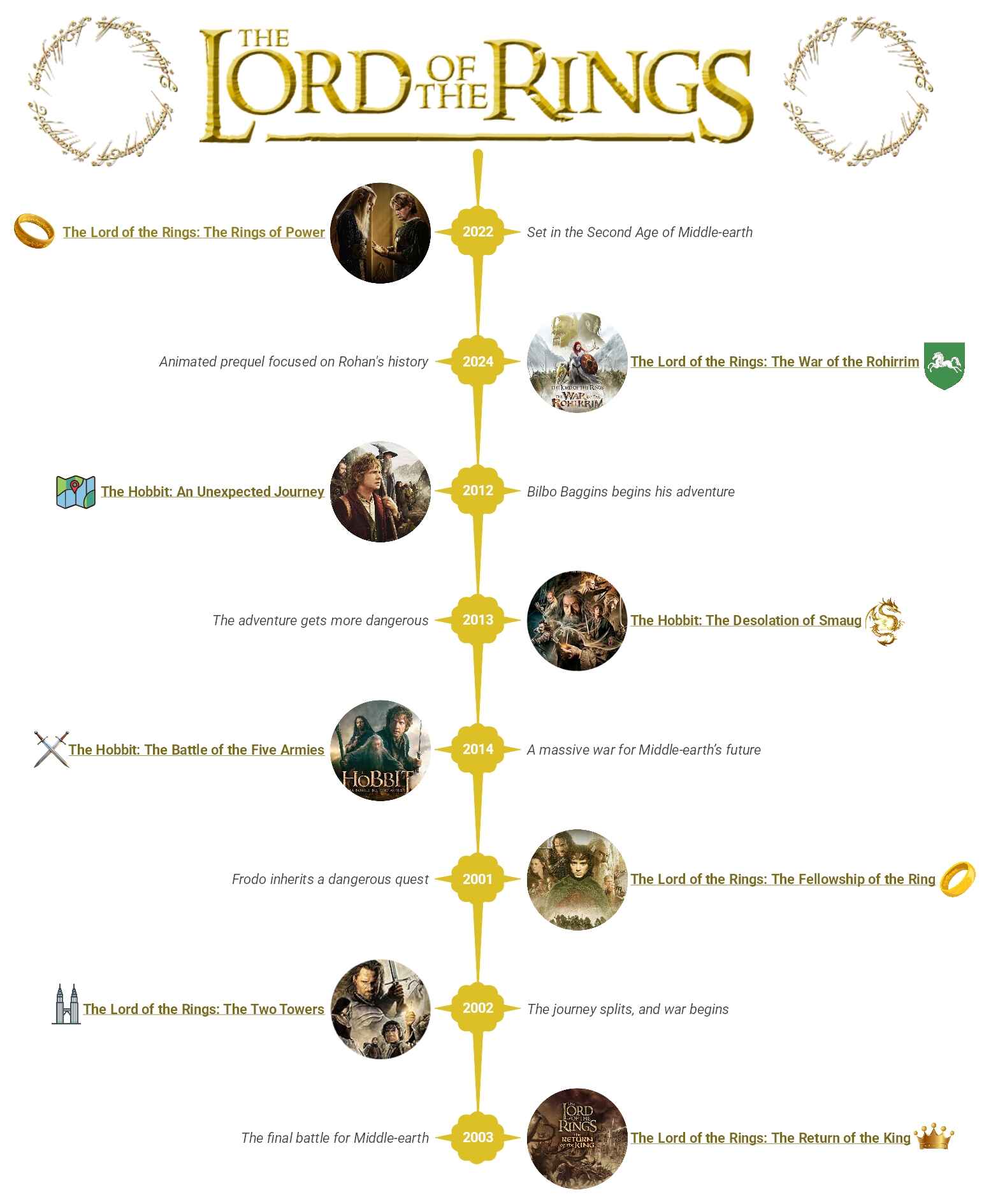
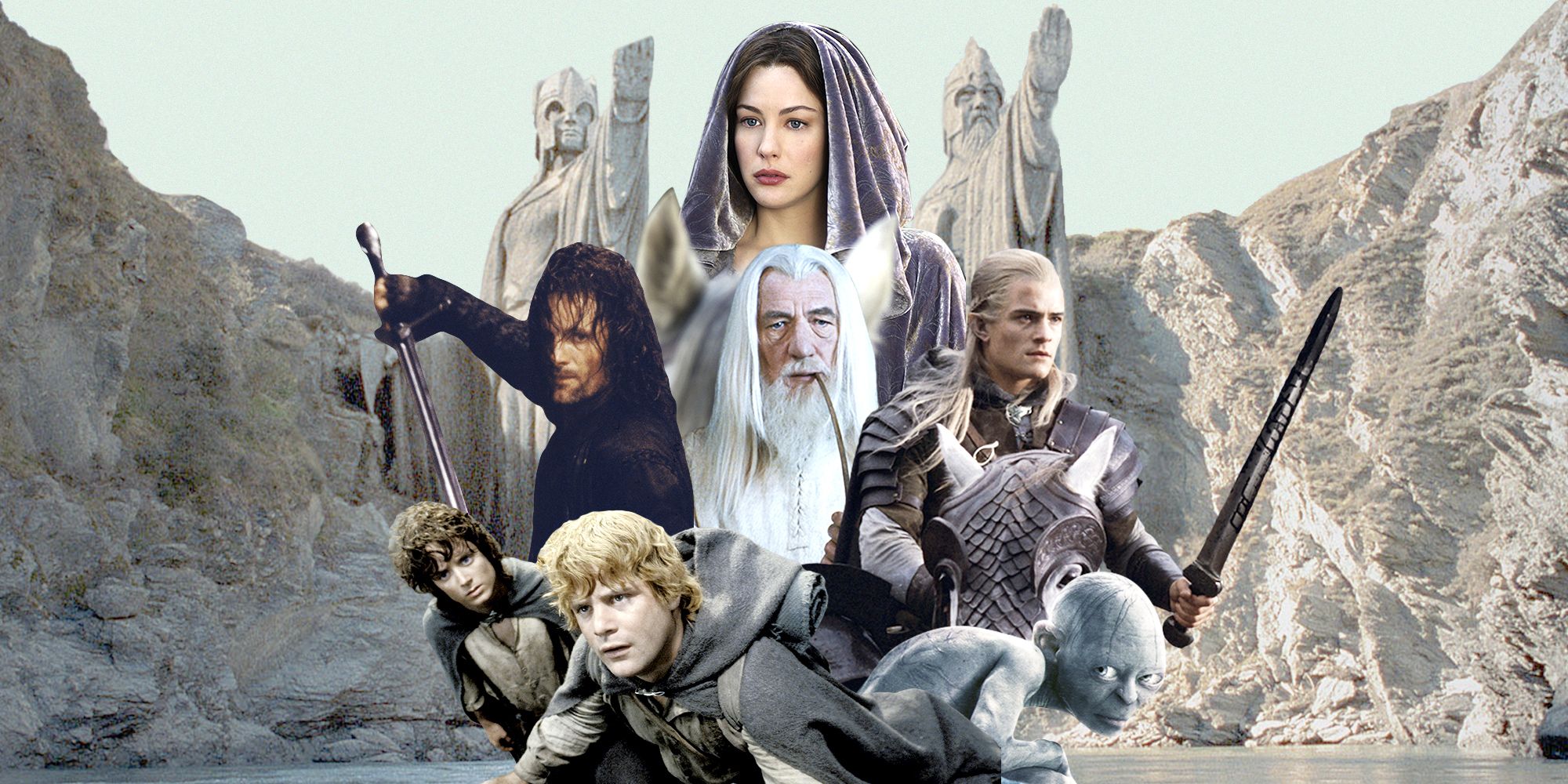
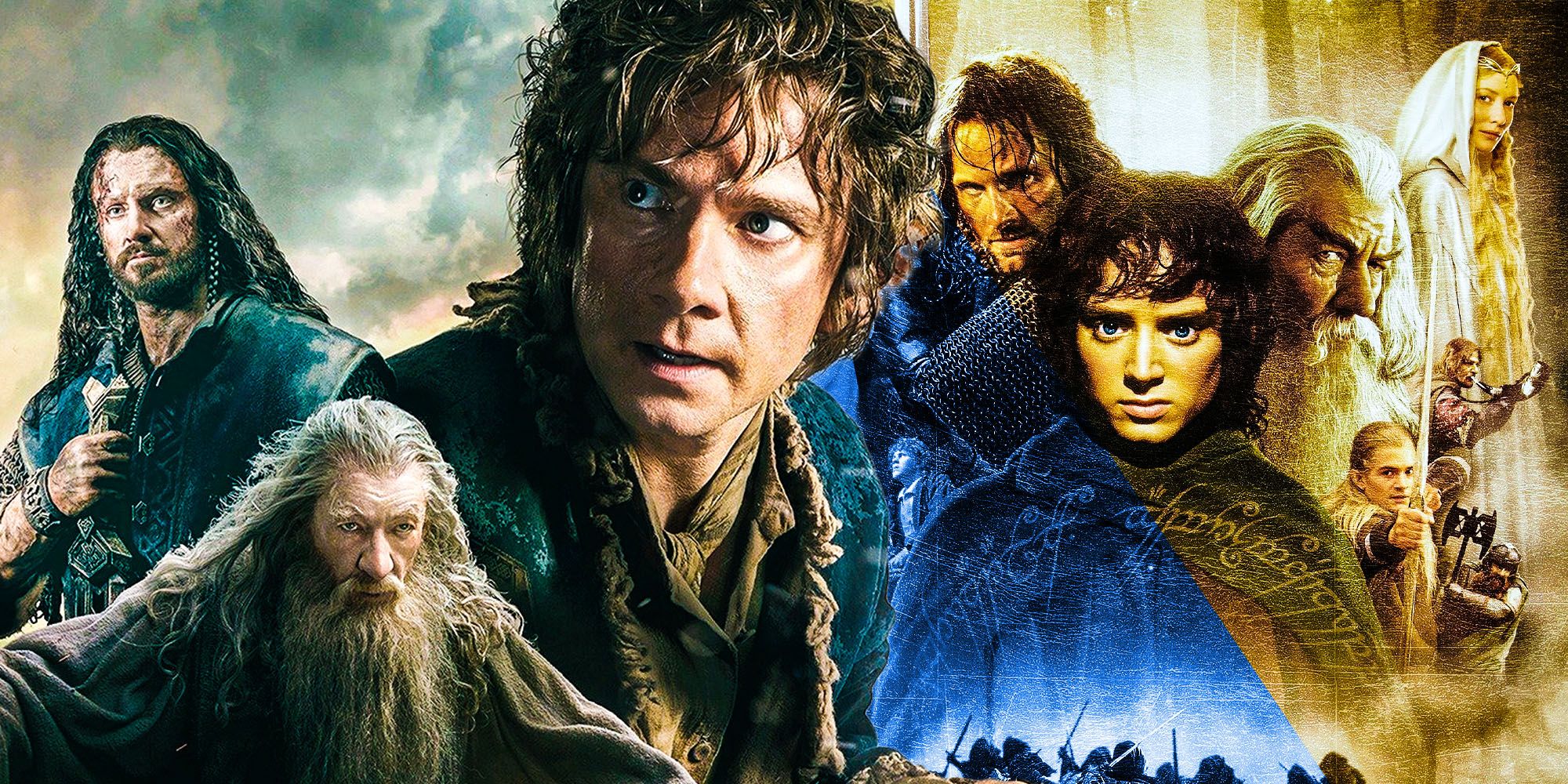
The chronological release order of Peter Jackson’s cinematic adaptations of J.R.R. Tolkien’s work begins with The Fellowship of the Ring in 2001, continues with The Two Towers in 2002, and concludes the primary trilogy with The Return of the King in 2003, followed later by The Hobbit prequel trilogy starting in 2012.
Understanding the cinematic journey of Middle-earth requires careful attention to the timeline in which these landmark fantasy films premiered in theaters worldwide. While J.R.R. Tolkien published his seminal literary works in a specific historical order, the cinematic adaptations directed by Peter Jackson followed a distinct production and distribution schedule. Viewers approaching the cinematic universe for the first time often debate whether to watch the films by their theatrical premiere dates or by chronological narrative internal history. Establishing the exact release sequence provides a foundational framework for appreciating how special effects, cinematic storytelling conventions, and production techniques evolved across consecutive years of high-budget filmmaking.
Understanding the Primary Theatrical Trilogy Release Order
The core cinematic experience of Middle-earth was established by The Lord of the Rings trilogy, released by New Line Cinema between 2001 and 2003. Filmed simultaneously over several years in New Zealand, this monumental project revolutionized fantasy cinema by demonstrating that complex, high-fantasy source material could achieve both massive commercial success and critical acclaim, including unprecedented Academy Award recognition.
The release sequence for this initial trilogy corresponds precisely to the internal narrative progression of Tolkien's core three-volume publication. Beginning with the introduction of the One Ring in the Shire and culminating in the destruction of Sauron at Mount Doom, the theatrical release order offers a seamless narrative arc. Each film built directly upon the technical and narrative achievements of its predecessor, pushing the boundaries of digital effects, miniatures, and physical set design to construct a believable, immersive secondary world.
The foundational titles, release years, and narrative milestones for this primary trilogy consist of:
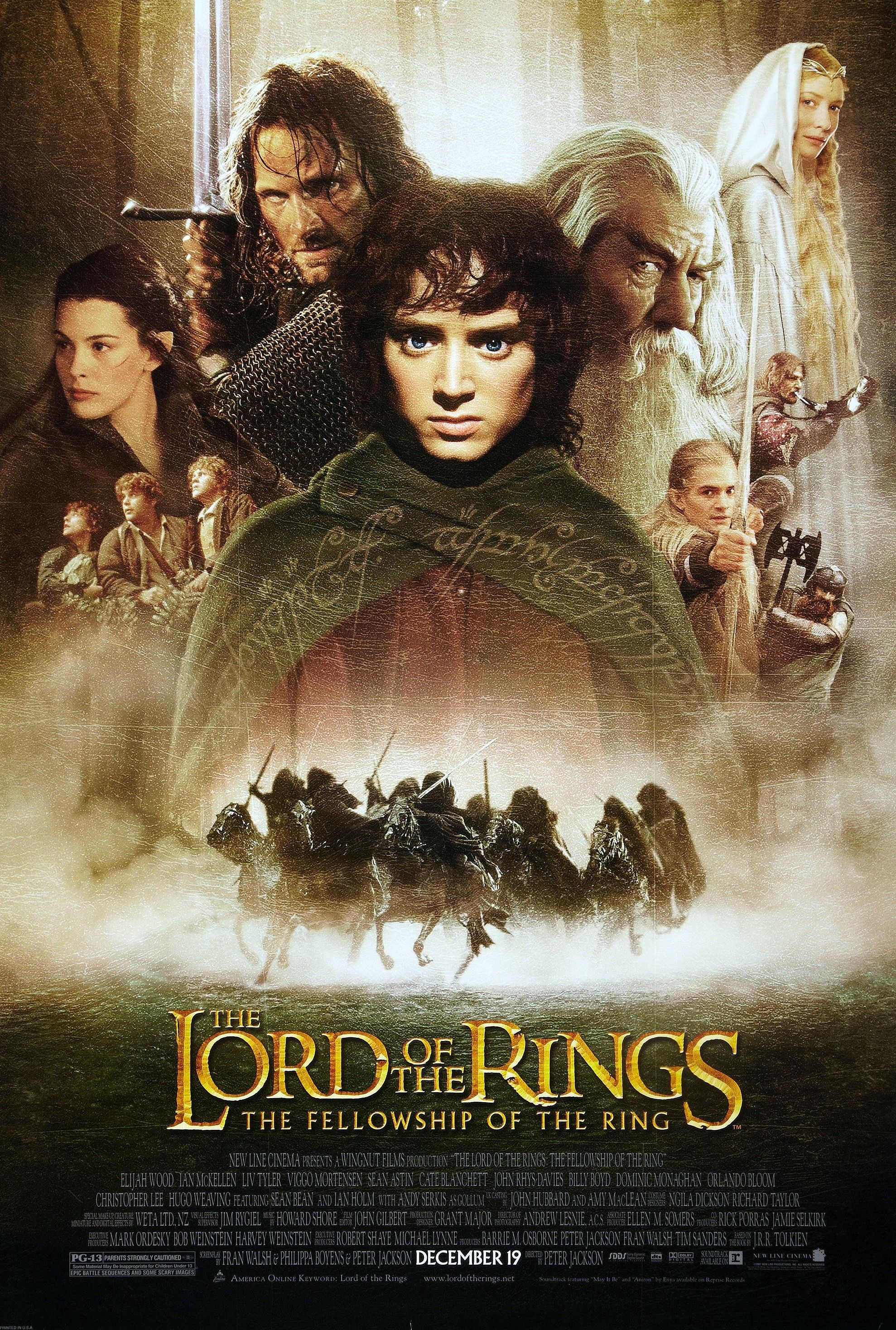
- The Lord of the Rings: The Fellowship of the Ring (2001) – Introduces the hobbits, wizards, men, and elves uniting to destroy the One Ring.
- The Lord of the Rings: The Two Towers (2002) – Splits the fellowship across multiple fronts, featuring the Battle of Helm's Deep and the journey of Frodo and Sam toward Mordor.
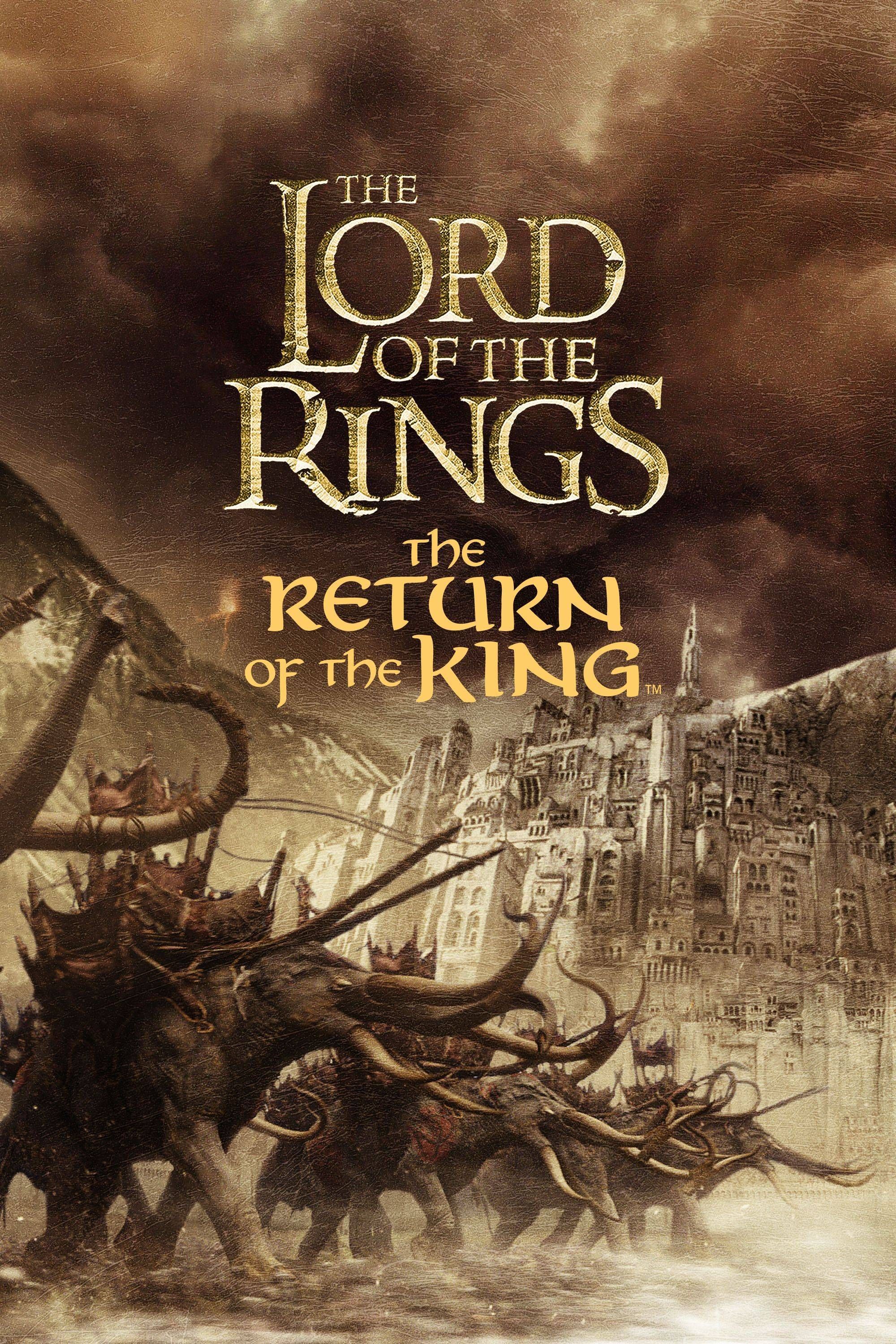
- The Lord of the Rings: The Return of the King (2003) – Concludes the War of the Ring with the Siege of Gondor and the ultimate fate of the Ring-bearer.
Expanding the Cinematic Universe with The Hobbit Trilogy
Nearly a decade after the conclusion of the original trilogy, Peter Jackson returned to Middle-earth to adapt Tolkien's earlier novel, The Hobbit. Although written and set chronologically before the events of The Lord of the Rings, these three films were produced and released in theaters from 2012 to 2014, utilizing advanced digital projection technologies, high frame rate experimentation, and extensive motion-capture performances.
Viewing or understanding these films in release sequence requires recognizing that they were produced with the benefit of hindsight, incorporating lore from Tolkien's broader appendices to bridge the narrative gap between Bilbo Baggins' unexpected journey and Frodo's later quest. While the production scale expanded to rely more heavily on digital environments than the physical-first approach of the original trilogy, the release sequence preserves the viewing experience shared by audiences who watched the Middle-earth cinematic saga unfold in real time.
The subsequent release sequence for the prequel trilogy comprises:
- The Hobbit: An Unexpected Journey (2012) – Follows Bilbo Baggins as he joins Thorin Oakenshield and his company of dwarves to reclaim the Lonely Mountain.
- The Hobbit: The Desolation of Smaug (2014) – Documents the company's perilous journey through Mirkwood and their confrontation with the dragon Smaug.
- The Hobbit: The Battle of the Five Armies (2014) – Concludes the prequel arc with a massive military conflict outside the gates of Erebor.
Comparing Release Sequence and Chronological Timeline
A common point of discussion among viewers and fans involves the distinction between watching the films in the order they were released versus watching them in chronological order of events within the fictional history of Middle-earth. Each approach offers distinct storytelling advantages and structural trade-offs.
The release sequence preserves the technological evolution of the filmmaking process, allowing audiences to experience the world as it was built by the filmmakers. Starting with The Fellowship of the Ring introduces viewers to the overarching threat of Sauron and the immense power of the One Ring before exploring the historical background provided in The Hobbit. Conversely, chronological viewing places the finding of the Ring in Bilbo's hands first, altering the dramatic irony and mystery surrounding Gollum and the magical artifacts.
| Film Title | Release Year | Narrative Chronology | Primary Focus |
|---|---|---|---|
| The Fellowship of the Ring | 2001 | 4th Age / Late Third Age | Formation of the fellowship and departure from Rivendell |
| The Two Towers | 2002 | Late Third Age | Divided quests and the defense of Rohan |
| The Return of the King | 2003 | Late Third Age | Fall of Sauron and coronation of Aragorn |
| An Unexpected Journey | 2012 | Earlier Third Age | Bilbo leaves the Shire with Thorin's company |
| The Desolation of Smaug | 2014 | Earlier Third Age | Lake-town arrival and awakening of Smaug |
| The Battle of the Five Armies | 2014 | Earlier Third Age | Reclamation of Erebor and conclusion of the prequel arc |
Production Background and Technical Evolution
Examining the release sequence also sheds light on the rapid advancements in motion picture technology during the 2000s and early 2010s. The original trilogy relied heavily on pioneering digital character animation—most notably for Andy Serkis's portrayal of Gollum—combined with practical scale models, known as "Big-atures," and massive location shooting across New Zealand landscapes.
When production began on the prequel trilogy, the industry had shifted decisively toward digital cinematography and stereoscopic 3D capture. Understanding this production context helps explain the visual differences between the two trilogies. The physical grit and weathered armor of the 2001–2003 releases reflect an era of practical filmmaking craftsmanship, whereas the 2012–2014 films showcase the capabilities and stylistic choices of modern high-definition digital production workflows.
Frequently Asked Questions
Should I watch The Lord of the Rings or The Hobbit movies first?
First-time viewers should generally follow the release sequence by watching The Lord of the Rings trilogy (2001–2003) before moving on to The Hobbit trilogy (2012–2014). This preserves the intended mystery, dramatic tension, and gradual world-building established by the original cinematic releases.
Are there theatrical cuts and extended editions for all the movies?
Yes, every film across both trilogies received extended home video releases following their theatrical runs. These extended cuts add significant runtime, character development, and narrative context, making them popular among dedicated fans despite altering the original theatrical pacing.
How do the release dates align with the publication dates of Tolkien's books?
J.R.R. Tolkien published The Hobbit in 1937 and The Lord of the Rings in three volumes between 1954 and 1955. The cinematic release sequence inverted this literary timeline by more than a decade, bringing The Lord of the Rings to the screen first due to its sweeping narrative scope and studio priorities.
Can I skip The Hobbit trilogy without losing the main plot?
The Hobbit trilogy functions as a prequel and is not strictly required to understand the core narrative of Frodo and the One Ring. However, it provides essential background on how Bilbo acquired the Ring and introduces key characters who influence the wider history of Middle-earth.
Where can I stream the complete series in release sequence?
Streaming availability varies by geographic region and changing licensing agreements between media distributors. Viewers should check major subscription video-on-demand platforms or digital storefronts operating within their specific country to verify current streaming rights.
Verifying Your Viewing Order and Next Actions
To ensure an optimal viewing experience, confirm that you have access to the complete set of films in either their theatrical or extended cuts. If you are introducing new viewers to Middle-earth, starting with The Fellowship of the Ring (2001) remains the standard recommendation for preserving narrative suspense and technical progression. Check your local digital library or streaming provider to verify whether extended editions are available if you prefer a deeper, more detailed dive into the lore and extended character interactions before progressing through the chronological release schedule.