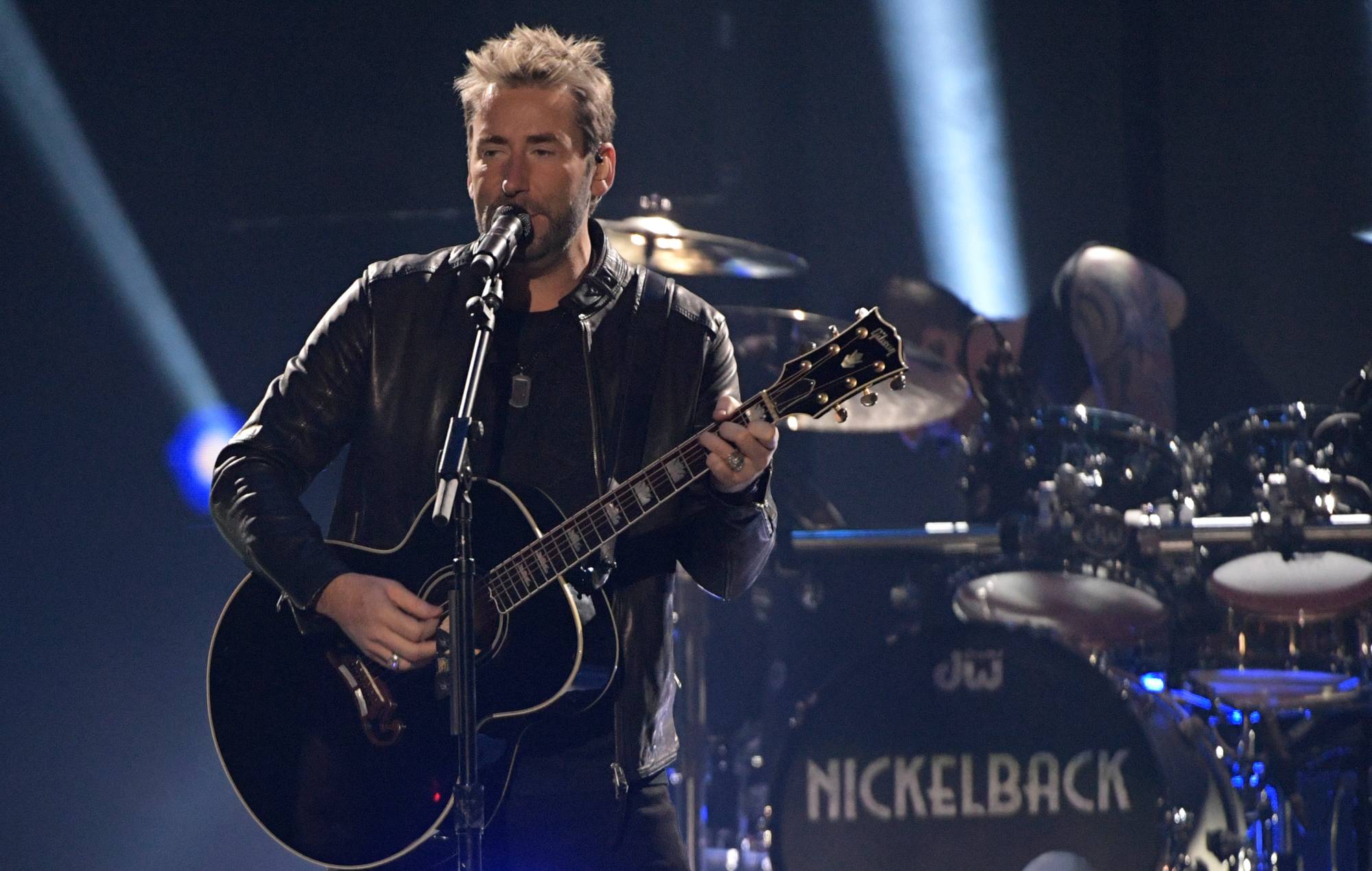
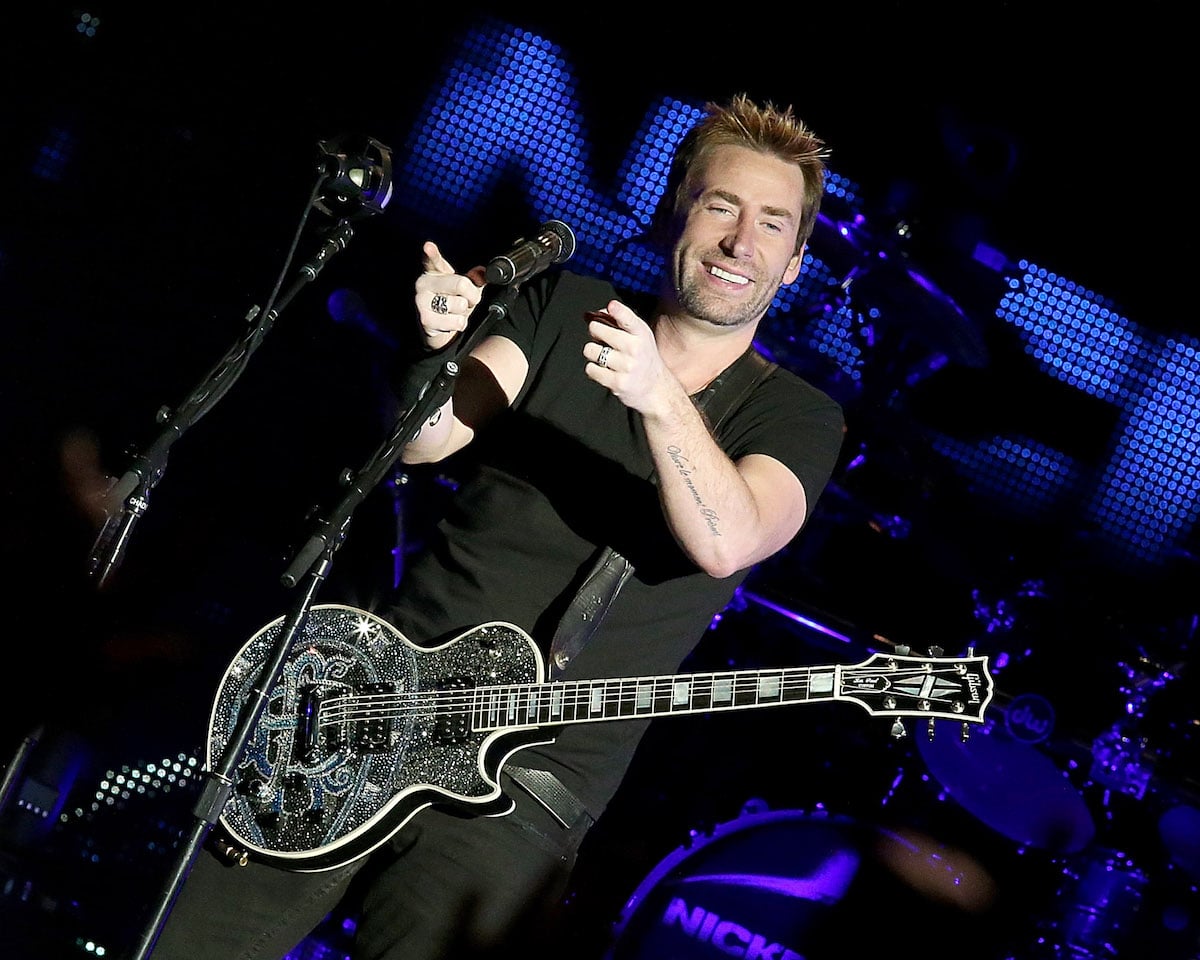
Chad Kroeger has accumulated an estimated net worth of approximately $80 million through his enduring career as the frontman of Nickelback, extensive songwriting credits, publishing royalties, and strategic business investments in the music and beverage industries.
Evolution of a Global Rock Icon and Publishing Powerhouse
The financial trajectory of Chad Kroeger is deeply intertwined with the monumental commercial success of Nickelback, the Canadian rock band he co-founded in Hanna, Alberta, in 1995 alongside his brother Mike Kroeger, Ryan Peake, and original drummer Brandon Kroeger. Over nearly three decades, the band transformed from an independent regional act into one of the most commercially successful post-grunge and alternative rock acts of the 21st century. Their breakthrough came with the 2001 major-label album Silver Side Up, propelled globally by the chart-topping single "How You Remind Me." This track dominated international charts, securing heavy airplay and driving massive physical album sales during an era when the music industry still relied heavily on compact disc purchases.
Subsequent studio albums such as The Long Road (2003), All the Right Reasons (2005), and Dark Horse (2008) sustained this momentum, spawning numerous mainstream hits including "Photograph," "Rockstar," and "Far Away." A substantial portion of Kroeger's net worth stems from his role as the primary lyricist and principal songwriter for the band. Under traditional music publishing economics, songwriters retain a significant percentage of performance and mechanical royalties. Because Kroeger wrote or co-wrote the vast majority of Nickelback’s extensive catalog, these composition royalties continue to generate substantial, recurring passive income streams decades after their initial release, insulating his wealth from the fluctuations of modern touring economies.
Touring Economics and Live Performance Revenues
While recorded music sales and streaming distributions form a foundational baseline for modern rock stars, live concert tours have historically represented the primary engine of wealth accumulation for arena-headlining acts like Nickelback. Throughout the 2000s and 2010s, the band mounted massive, multi-city international tours across North America, Europe, Australia, and Asia. These tours consistently ranked among the highest-grossing rock itineraries of their respective years, moving hundreds of thousands of tickets per cycle.
Touring revenues are typically structured around guaranteed performance fees augmented by a percentage of box office gross revenues, VIP merchandise sales, and corporate sponsorship integration. As the principal face and creative director of the enterprise, Kroeger commanded a disproportionate share of touring profits, alongside standard performance wages. Even as streaming models altered the recorded music landscape, Nickelback maintained a fiercely loyal live audience, ensuring that every subsequent album cycle—such as Feed the Machine (2017) and Get Rollin' (2022)—translated into lucrative global amphitheater and arena runs that continually reinforced their financial standing.
| Revenue Stream | Primary Source Mechanism | Financial Impact on Net Worth |
|---|---|---|
| Songwriting Royalties | Performance and mechanical rights via BMI and publishers | High recurring passive income from global radio, TV, and streaming playback |
| Live Touring | Ticket sales, VIP packages, and arena-scale guarantees | Major episodic capital injections during active album cycles |
| Recorded Music Sales | Physical CD/vinyl sales, digital downloads, and master shares | Historical foundation of wealth from multi-platinum 2000s album era |
| Business Ventures | Independent label equity, beverage stakes, and endorsements | Diversified secondary portfolio mitigating performance downtime |
Business Ventures, Publishing Catalog, and Entrepreneurial Investments
Beyond his performance and songwriting output within Nickelback, Chad Kroeger has engaged in various entrepreneurial initiatives, production ventures, and strategic investments within the broader entertainment sector. Recognizing early in his career that relying solely on performance royalties presents long-term vulnerabilities, he diversified his financial portfolio by acquiring and developing publishing assets and collaborating with fellow artists as a producer and co-writer.
Kroeger has lent his songwriting and production talents to a diverse array of artists across multiple genres, ranging from heavy metal and country to pop. Notable collaborations include co-writing and performing on Santana’s global hit "Into the Night" (2007), working with Tim McGraw on "Cowboy Casanova," and collaborating with Avril Lavigne, Travis Tritt, and Daughtry. These external writing and production credits not only expanded his professional footprint but also unlocked secondary streams of publishing royalties and producer fees independent of Nickelback’s primary output. Furthermore, his involvement with 604 Records—a Vancouver-based independent record label co-founded with lawyer Jonathan Simkin—demonstrates a strategic foothold in artist development and regional music distribution, allowing him to capture value from emerging Canadian talent.
Asset Management, Real Estate, and Financial Resilience
A significant valuation of a high-net-worth musician involves tangible assets, real estate holdings, and structured wealth management. Over the years, Kroeger has invested a portion of his career earnings into high-end real estate properties, most notably substantial residential estates in British Columbia, Canada. These property holdings serve both as private residences and as long-term capital appreciation assets within a diversified investment framework.
Managing an estimated $80 million portfolio requires careful coordination with financial advisors, tax attorneys, and wealth managers, particularly given the cross-border nature of international touring income generated across the United States, Europe, and Canada. Currency exchange fluctuations between the Canadian dollar and the United States dollar—where a substantial portion of global entertainment revenue is denominated—require sophisticated hedging and corporate structuring strategies. Through judicious management of his corporate entities, publishing rights, and real estate holdings, Kroeger has maintained a stable financial position that withstands shifts in the modern entertainment economy.
Frequently Asked Questions
What is Chad Kroeger's primary source of wealth?
Chad Kroeger's primary source of wealth is his career as the lead vocalist, rhythm guitarist, and principal songwriter for the rock band Nickelback. His ownership stake in the band's extensive catalog of multi-platinum hits generates substantial, recurring songwriting and publishing royalties.
How much do Nickelback tours contribute to Chad Kroeger's net worth?
Live concert tours have historically been major revenue drivers for Nickelback, contributing millions of dollars per album cycle through arena ticket sales, merchandise, and festival headlining guarantees. Kroeger receives a primary share of these touring profits as the band's frontman and primary creative force.
Does Chad Kroeger own his master recordings or publishing rights?
While record label ownership structures have evolved across Nickelback's history, Kroeger retains extensive songwriting and publishing shares through his affiliation with performing rights organizations and publishing administrators, ensuring long-term residuals from radio airplay, sync licensing, and digital streaming.
What external music projects has Chad Kroeger been involved in?
Kroeger has established a successful track record as a songwriter and producer for other major artists. Notable external contributions include co-writing Santana's hit single "Into the Night," working with Avril Lavigne, and co-founding the Canadian independent record label 604 Records.
How has Chad Kroeger diversified his financial portfolio?
Beyond music performance and songwriting, Kroeger has diversified his wealth through real estate investments in British Columbia and equity stakes in independent music production and distribution enterprises like 604 Records.
Strategic Financial Management for Long-Term Legacy
Navigating the financial complexities of a multi-decade career in the global music industry requires a disciplined approach to asset protection, copyright retention, and tax planning. For artists operating at the level of Nickelback, sustaining long-term value involves treating creative catalogs as appreciating corporate assets rather than mere consumer products. By maintaining active control over writing rights, engaging in selective external collaborations, and maintaining prudent real estate and business investments, Chad Kroeger exemplifies how modern rock musicians can successfully transition from transient pop-culture phenomena into enduring, financially resilient media entrepreneurs.