Net worth assets represent the total economic value of everything an individual or household owns that carries monetary worth, forming the foundational positive side of a personal balance sheet. Calculating net worth requires subtracting total liabilities from these accumulated resources to reveal a clear financial snapshot. Mastering how to classify, evaluate, and optimize these holdings is essential for long-term financial stability, estate planning, and strategic wealth accumulation.
Defining Net Worth Assets and Personal Balance Sheets
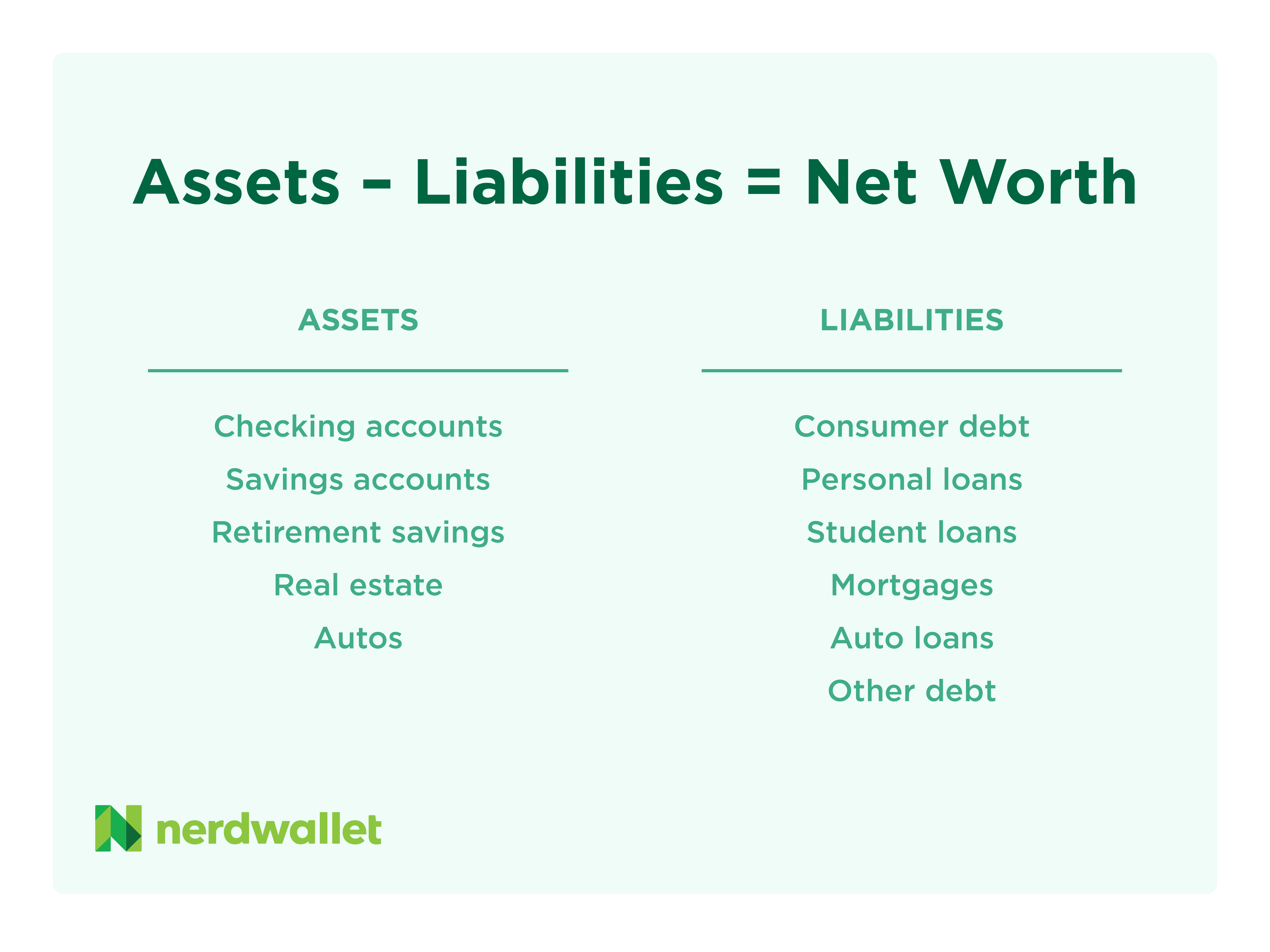
To understand personal financial health, one must first deconstruct the anatomy of a personal balance sheet. This financial statement divides cleanly into two opposing columns: assets and liabilities. Net worth assets occupy the positive side of this ledger, encompassing all possessions, financial instruments, real estate holdings, and liquid reserves that can be converted into cash or that generate ongoing economic value.
The mathematical formula governing this calculation is straightforward: Total Assets minus Total Liabilities equals Net Worth. However, the true complexity lies not in the subtraction, but in the accurate categorization and valuation of what constitutes an asset. Financial institutions, estate planners, and tax authorities generally separate these holdings into distinct classes based on liquidity, utility, and physical existence.
Understanding these classifications prevents common accounting errors, such as confusing gross income with accumulated wealth or overestimating the value of depreciating personal property. A robust personal balance sheet accounts for both immediate survival funds and multi-decade wealth generators, providing a dynamic metric that evolves across different life stages.
Liquid Versus Illiquid Assets: Liquidity and Access
The speed and ease with which an asset can be converted into cash without losing significant market value defines its liquidity profile. Categorizing holdings by liquidity allows individuals to assess their immediate financial resilience against unexpected emergencies or sudden market downturns.
Liquid assets sit at the top of the financial hierarchy. These include checking accounts, savings accounts, money market funds, and publicly traded stocks or bonds that trade on high-volume exchanges. These instruments can be accessed within hours or days to cover immediate obligations like medical bills, structural home repairs, or sudden job loss.
Conversely, illiquid assets require substantial time, specialized marketing, legal procedures, or brokerage intervention to convert into cash. Primary real estate, private equity shares, fine art, collectible vehicles, and certain types of restricted stock units fall into this category. While illiquid holdings often form the largest portion of a high-net-worth individual's portfolio, they cannot be deployed rapidly during a cash-flow crisis without incurring steep liquidation discounts or transaction fees.
Tangible Versus Intangible Holdings: Physical and Digital Wealth
Beyond liquidity, assets are divided into tangible and intangible classifications, reflecting their physical form and the legal mechanisms that secure their value. Recognizing the distinction helps ensure proper insurance coverage, accurate tax reporting, and comprehensive estate distribution.
Tangible assets are physical items that you can touch, see, and store. This category includes residential and commercial real estate, precious metals like gold and silver, high-end jewelry, luxury watches, and vehicles. While tangible assets provide utility or aesthetic enjoyment, many of them—particularly consumer goods and automobiles—suffer from depreciation over time.
Intangible assets lack physical substance but represent powerful legal claims to future economic benefits. Examples include intellectual property, patents, copyrights, trademarks, business goodwill, and digital currencies. In the modern economy, intangible assets frequently outpace physical holdings in generating wealth. However, valuing them often requires certified appraisals, actuarial assessments, or complex discounted cash flow models.
| Asset Category | Description | Typical Liquidity | Valuation Method |
|---|---|---|---|
| Cash & Equivalents | Currency, bank accounts, money market funds | High (Immediate) | Nominal face value |
| Marketable Securities | Stocks, bonds, mutual funds, ETFs | High (Days) | Current market exchange price |
| Real Estate | Primary residences, land, rental properties | Low (Months) | Comparative market analysis, appraisal |
| Retirement Accounts | 401(k), traditional IRA, Roth IRA | Moderate to Low | Account statement minus early penalties/taxes |
| Personal Property | Vehicles, jewelry, art, collectibles | Low (Variable) | Replacement cost, resale market data |
Methods for Valuing Different Asset Classes
Accurate net worth tracking depends entirely on realistic asset valuation. Overstating the value of volatile holdings creates a false sense of security, while underestimating assets can complicate loan applications and estate planning. Each asset class requires a specific valuation approach aligned with current market conditions.
Publicly traded securities and cash equivalents offer the simplest valuation process. Individuals can look up closing prices on public exchanges on any given business day. Retirement accounts, such as 401(k) plans and individual retirement accounts (IRAs), are valued using the underlying market value of their holdings minus potential future income tax liabilities. Because traditional retirement distributions are taxed as ordinary income, financial planners often distinguish between nominal asset value and net realizable after-tax value.
Real estate valuation requires localized market data. Homeowners and investors rely on recent comparable sales of similar properties in the neighborhood, municipal tax assessments, or formal appraisals conducted by licensed professionals. For personal property like vehicles or luxury goods, valuation relies on secondary market pricing guides, auction results, or specialized insurance appraisals. Depreciating assets should be written down annually to reflect wear, tear, and technological obsolescence.
Common Pitfalls in Calculating Net Worth
Miscalculating net worth frequently stems from emotional bias, valuation errors, and failure to account for hidden liabilities. Avoiding these common mistakes ensures a realistic assessment of financial health.
A frequent error involves valuing personal use items, such as clothing, furniture, and consumer electronics, at their original purchase price. Most consumer goods lose the vast majority of their value immediately upon purchase and should either be excluded from a conservative net worth statement or listed at modest garage-sale or thrift-store liquidation values.
Another major pitfall is ignoring future tax liabilities embedded within retirement accounts or capital gains assets. For instance, a traditional pretax 401(k) balance of five hundred thousand dollars does not equal five hundred thousand dollars in cash because income taxes apply upon withdrawal. Similarly, selling highly appreciated real estate or taxable brokerage accounts triggers capital gains taxes and transaction costs that reduce the net proceeds. Factoring in these contingent liabilities prevents unpleasant financial surprises during major life transitions.
Strategic Asset Management and Growth
Accumulating high-quality net worth assets requires shifting focus from gross income generation to asset allocation and portfolio diversification. Wealthy individuals continually optimize their balance sheets by replacing low-yielding or depreciating assets with income-producing instruments.
Diversification across uncorrelated asset classes helps protect net worth against macroeconomic shocks, inflation, and regional market downturns. A balanced portfolio typically combines cash buffers for emergencies, fixed-income instruments for stability, equities for long-term growth, and real estate for inflation hedging. Regularly rebalancing this mix ensures that the portfolio remains aligned with personal risk tolerance and time horizons.
Moreover, distinguishing between good debt (liabilities that fund appreciating assets, such as a mortgage on a rental property) and bad debt (high-interest consumer loans that fund depreciating lifestyle expenses) is vital. Managing leverage prudently accelerates net worth growth while safeguarding against insolvency during economic contraction.
Frequently Asked Questions About Net Worth Assets
Should primary residence equity be included in net worth?
Yes, the equity in a primary residence—calculated as the current market value minus the remaining mortgage balance—is a legitimate component of net worth. However, because selling a home incurs high transaction costs and finding alternative housing requires capital, financial analysts often calculate both "total net worth" (including the home) and "liquid or investable net worth" (excluding the home) to get a complete picture.
How often should I calculate my net worth?
Calculating net worth quarterly or annually is standard practice for most individuals. Conducting this review every three to six months allows you to monitor progress toward long-term financial goals, verify that debt reduction strategies are working, and adjust investment allocations without becoming overly reactive to daily market fluctuations.
Are future pension benefits considered net worth assets?
Standard pension benefits and Social Security payments are generally excluded from personal net worth statements. Because these future income streams cannot be liquidated, transferred, or sold prior to payout, traditional accounting principles treat them as income streams rather than owned assets.
How do business owners value private company shares for net worth?
Valuing privately held businesses for net worth purposes typically requires professional valuation services. Methods include examining comparable private transactions, calculating the capitalized earnings power of the enterprise, or assessing the net book value of company assets minus business liabilities. Conservative owners often apply a liquidity discount to private business valuations.
What is the difference between net worth and liquid net worth?
Total net worth encompasses every asset owned minus all liabilities, including illiquid items like real estate and private business equity. Liquid net worth strips away all non-cash or hard-to-sell assets, counting only cash, bank deposits, and marketable securities that can be accessed immediately. This narrower metric is particularly crucial when evaluating emergency preparedness.
Next Actions for Financial Tracking
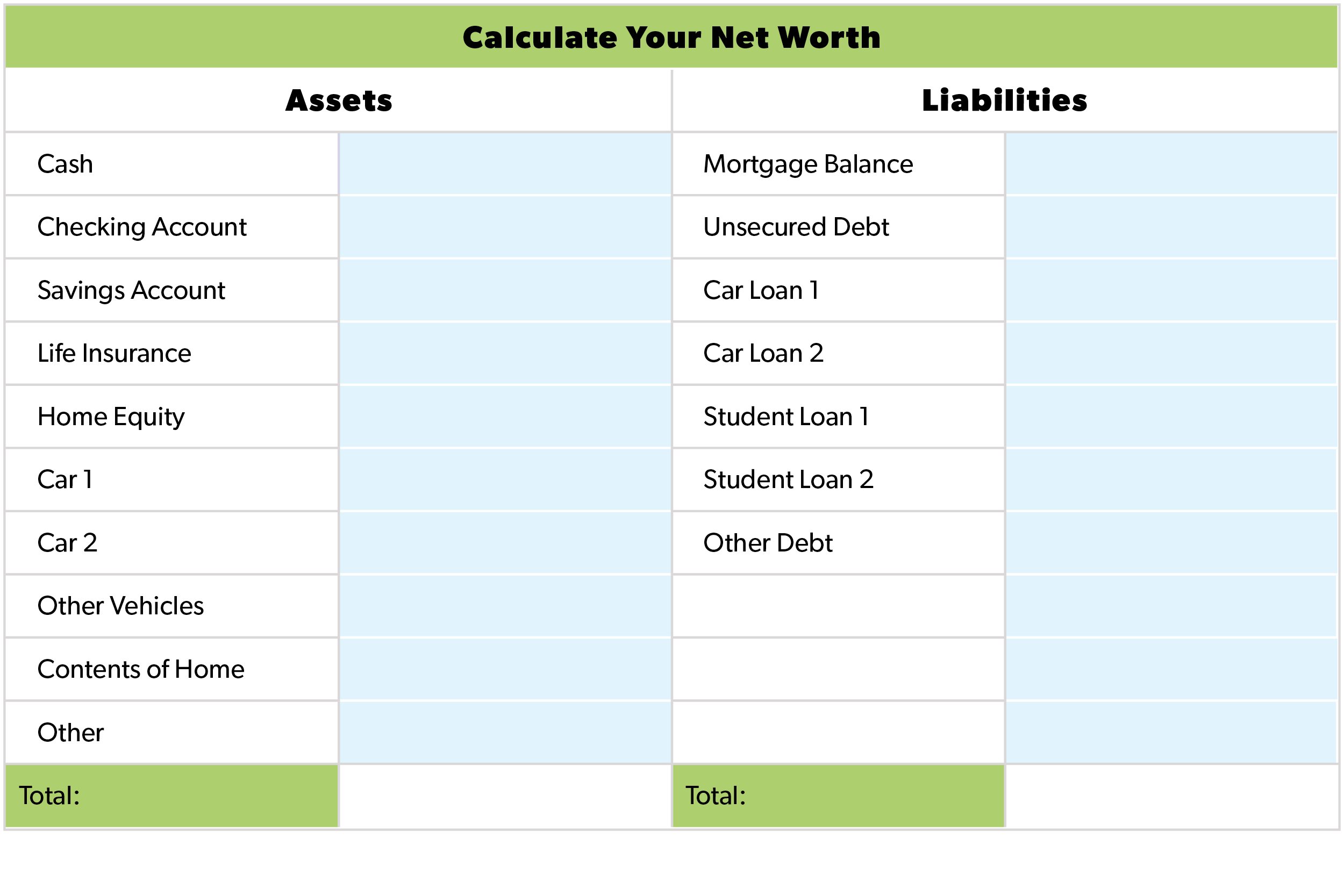
Begin your asset audit by gathering recent statements for all bank accounts, investment portfolios, retirement vehicles, and property valuations. Create a centralized digital spreadsheet or use verified personal finance software to list these holdings accurately against your outstanding liabilities. Revisit this ledger at the end of each quarter to measure growth, identify underperforming holdings, and refine your long-term wealth accumulation strategy.