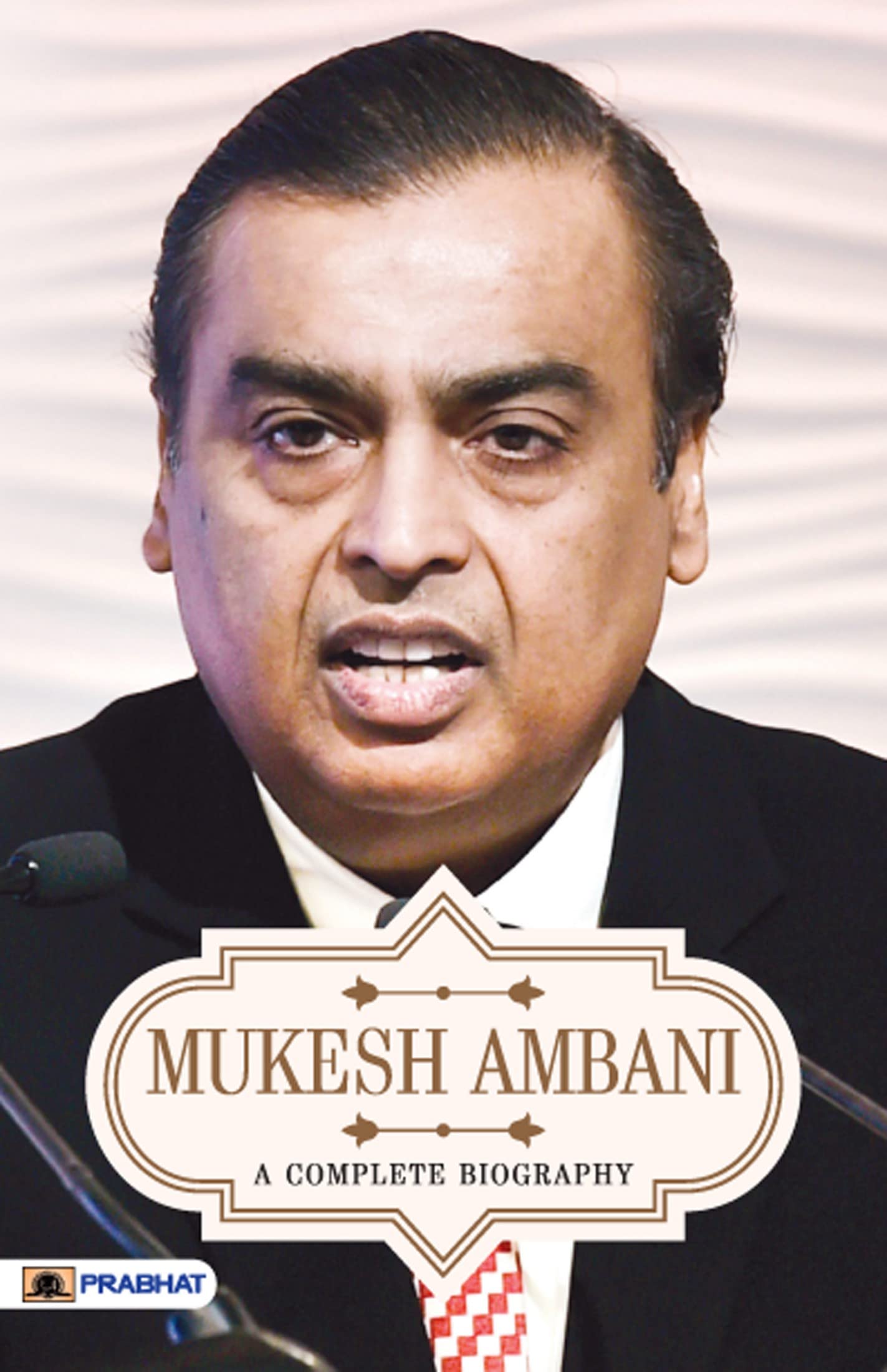
Mukesh Ambani is an Indian industrialist, the Chairman and Managing Director of Reliance Industries Limited (RIL), and one of the wealthiest individuals in the world. Born on April 19, 1957, the 68-year-old business tycoon has spearheaded Reliance’s evolution from a traditional textile and petrochemical enterprise into a global powerhouse spanning energy, retail, telecommunications, and green technology.
Personal Background and Age
Mukesh Dhirubhai Ambani was born in the British Crown colony of Aden (present-day Yemen) to Dhirubhai Ambani and Kokilaben Ambani. His father was working as a clerk at A. Besse & Co. before returning to India in 1958 to establish a trading business that ultimately grew into Reliance Industries. Mukesh grew up alongside his younger brother, Anil Ambani, and two sisters, Nina Kothari and Deepti Salgaocar.
As of 2026, Mukesh Ambani is 68 years old and will mark his 69th birthday on April 19. Despite his immense global stature, his early years in Mumbai were relatively modest. The family lived in a two-bedroom apartment in Bhuleshwar until his father’s business ventures expanded significantly in the 1970s. Ambani married Nita Ambani (née Dalal) in 1985. Nita is an active philanthropist, member of the International Olympic Committee, and founder of the Reliance Foundation. Together, they have three children: twins Akash and Isha, and younger son Anant.
- Dhirubhai Ambani & Kokilaben Ambani
- Mukesh Ambani (m. Nita)
- Akash
- Isha
- Anant
- Anil Ambani
- Mukesh Ambani (m. Nita)
Educational Qualifications and Early Career at Reliance
Mukesh Ambani completed his secondary schooling at Hill Grange High School in Mumbai alongside his brother Anil. He earned a Bachelor’s degree in Chemical Engineering from the Institute of Chemical Technology (formerly the Department of Chemical Technology, University of Mumbai).
In 1979, Ambani enrolled at the Stanford Graduate School of Business to pursue a Master of Business Administration (MBA). However, he withdrew from the program in 1981 at his father's request to oversee the construction of Reliance’s polyester filament yarn plant in Patalganga, Maharashtra. India’s government at the time had opened licensing for yarn manufacturing, and Dhirubhai needed his son’s engineering background to direct project execution.
| Attribute | Details |
|---|---|
| Full Name | Mukesh Dhirubhai Ambani |
| Date of Birth | April 19, 1957 |
| Birthplace | Aden, Colony of Aden (now Yemen) |
| Education | B.E. Chemical Engineering (ICT, Mumbai); Stanford MBA (Incomplete) |
| Primary Role | Chairman & Managing Director, Reliance Industries Limited |
| Estimated Net Worth | Exceeds $100 Billion (varies with RIL equity valuation) |
| Key Ventures Built | Jamnagar Refinery, Reliance Jio, Reliance Retail, Dhirubhai Ambani Green Energy Complex |
| Primary Residence | Antilia, Altamount Road, Mumbai, India |
During the 1980s and 1990s, Ambani managed the backward integration of Reliance. He expanded the company’s operations from polyester yarns into basic petrochemicals, petroleum refining, and upstream oil and gas exploration.
Transforming Reliance Industries: Core Business Segments
Following the death of Dhirubhai Ambani in July 2002 without a formal will, a ownership dispute arose between Mukesh and Anil. In 2005, the empire was split under a demerger agreement facilitated by their mother, Kokilaben. Mukesh retained control of the core refining, petrochemicals, oil, and gas operations, while Anil took over power, telecommunications, and financial services.
Under Mukesh Ambani's executive management, Reliance Industries diversified into consumer-facing industries and green technology, transforming the company's valuation.
- RELIANCE INDUSTRIES LIMITED
- Oil-to-Chemicals (O2C & Refining)
- Reliance Jio (Telecom & Tech)
- Reliance Retail (E-commerce & Brick)
- New Energy & Materials (Gigafactories & Solar)
Petroleum and Petrochemicals
Ambani spearheaded the construction of the Jamnagar Refinery complex in Gujarat. Commissioned in 1999 and subsequently expanded, Jamnagar became the world's largest single-location petroleum refining complex, capable of processing over 1.2 million barrels of crude oil per day. The facility produces clean fuels, synthetic polymers, and aromatics exported globally.
Telecommunications: Reliance Jio Infocomm
In 2016, Ambani re-entered the telecommunications industry with the commercial launch of Reliance Jio Infocomm Limited. By deploying an all-IP 4G VoLTE network across India—and later rolling out nationwide 5G infrastructure—Jio disrupted India's mobile sector with low-cost data tariffs. Jio quickly grew into India's largest mobile network operator, accumulating hundreds of millions of subscribers and attracting equity investments from global firms including Meta Platforms and Google.
Retail Expansion: Reliance Retail Ventures
Reliance Retail, established under RIL's consumer division, grew into India's largest retailer by revenue and store count. Operating across grocery, electronics, apparel, and digital e-commerce platforms like Jiomart, the subsidiary integrates small neighborhood stores (kiranas) into its digital supply chain ecosystem.
Renewable Energy Transition
Ambani announced RIL’s target to achieve net-zero carbon operations by 2035. Central to this strategy is the Dhirubhai Ambani Green Energy Giga Complex in Jamnagar, a 5,000-acre project hosting integrated manufacturing facilities for solar photovoltaic modules, green hydrogen, energy storage batteries, and fuel cells.
Net Worth, Holdings, and Major Assets
Mukesh Ambani’s net worth fluctuates based on the market price of Reliance Industries stock, in which his family holds approximately 50% promoter equity. His fortune consistently places him among the top wealthiest individuals globally on the Bloomberg Billionaires Index and Forbes Real-Time Billionaires List.
- MUKESH AMBANI NET WORTH COMPONENTS
- RIL Equity (~50%) (O2C, Jio, Retail)
- Real Estate Assets (Antilia, Stoke Park, etc.)
- Global Investments (Hospitality & Sports)
Equity Capital
The vast majority of Ambani’s wealth is tied directly to RIL’s market capitalization, reflecting the performance of its energy, telecom, and retail subsidiaries.
Real Estate and Personal Assets
- Antilia: A 27-story, 400,000-square-foot skyscraper located on Altamount Road in South Mumbai. Named after a mythical Atlantic island, the residence features private helipads, a multi-story garage for over 160 vehicles, guest apartments, ballroom space, and specialized climate control systems.
- Stoke Park: A 300-acre historic estate in Buckinghamshire, England, acquired by Reliance in 2021 to expand its luxury hospitality portfolio.
- Mandarin Oriental New York: A luxury hotel property in Manhattan acquired through a controlling stake acquisition by Reliance Industries in 2022.
Sports and Media Holdings
Through Reliance's sports division, Ambani owns the Mumbai Indians, a franchise in the Indian Premier League (IPL). RIL also holds controlling interests in Network18 Media & Investments, a media conglomerate operating national news networks and entertainment channels.
Succession Planning and Philanthropy
To ensure a structured leadership transition, Ambani implemented a multi-pronged succession plan dividing executive oversight of RIL's primary business divisions among his three children:
- Akash Ambani: Appointed Chairman of Reliance Jio Infocomm Limited, taking primary operational responsibility for digital services and telecommunications.
- Isha Ambani: Leads Reliance Retail Ventures Limited, driving offline retail expansion and e-commerce platform integrations.
- Anant Ambani: Manages the energy division, focusing on the development of renewable energy, green hydrogen production, and gigafactory deployment.
- RIL SUCCESSION ARCHITECTURE
- Akash Ambani (Telecom & Digital)
- Isha Ambani (Retail & E-commerce)
- Anant Ambani (New Energy & O2C)
In philanthropy, Ambani operates through the Reliance Foundation, established in 2010 and chaired by Nita Ambani. The organization directs initiatives in rural transformation, healthcare delivery, education, disaster response, and heritage conservation across India.
Frequently Asked Questions
What is Mukesh Ambani’s current age?
Mukesh Ambani was born on April 19, 1957, making him 68 years old.
Why did Mukesh Ambani drop out of Stanford University?
Ambani left his MBA program at Stanford in 1981 to return to India and oversee the setting up of Reliance’s polyester manufacturing facility in Patalganga, supporting his father Dhirubhai Ambani during a period of industrial expansion.
What is Mukesh Ambani’s main source of wealth?
His wealth derives from his family’s controlling stake (approximately 50%) in Reliance Industries Limited, a conglomerate operating across energy, petrochemicals, retail, telecommunications, and media.
What is Antilia, and where is it located?
Antilia is Mukesh Ambani’s primary private residence, situated on Altamount Road in South Mumbai, India. The 27-story skyscraper is considered one of the world's most valuable residential properties.
Who are the members of Mukesh Ambani’s immediate family?
Mukesh Ambani is married to Nita Ambani. They have three children: Akash, Isha, and Anant Ambani, all of whom hold executive leadership roles within different business units of Reliance Industries.
Key Strategic Takeaways from Mukesh Ambani's Business Model
Analyzing Ambani’s business history highlights core strategic practices relevant to corporate leadership and industrial execution:
- Scale and Capital Efficiency: Ambani consistently prioritizes large-scale projects, such as the Jamnagar Refinery and Jio's nationwide network rollout, lowering unit production costs to gain market share.
- Vertical Integration: From backward integration in petrochemicals to backward integration in data infrastructure and retail supply chains, controlling multiple layers of the value chain helps defend margins against market volatility.
- Disruptive Pricing: Entering consumer markets like telecom with aggressive pricing models helped build a subscriber base before monetization through value-added digital services.
- Proactive Sector Pivots: Balancing mature cash-generating assets (Oil-to-Chemicals) with high-growth technology platforms (Jio, Retail) and long-term sustainability investments (Green Energy) ensures operational durability across changing economic landscapes.