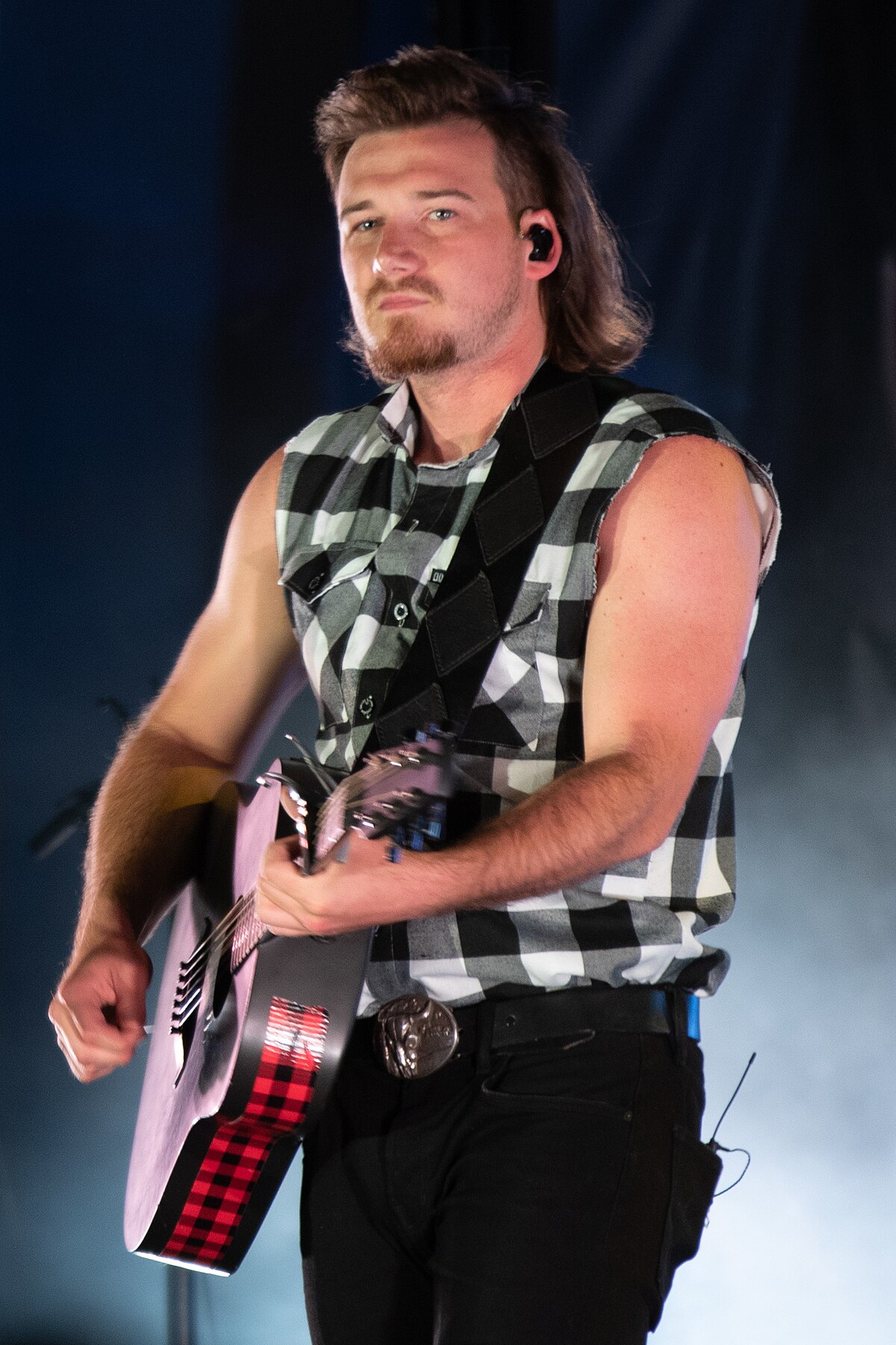
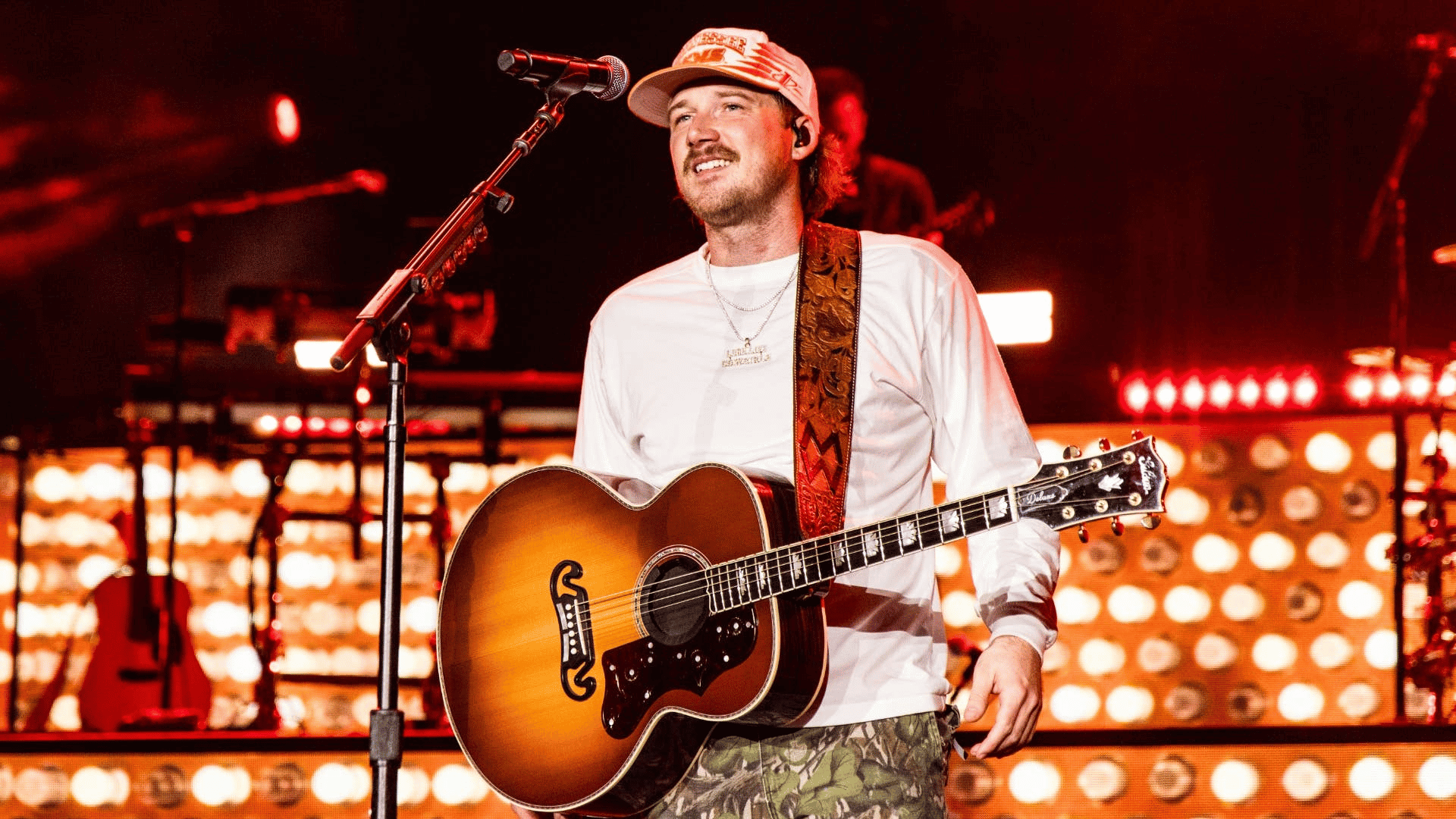
As of 2026, country music superstar Morgan Wallen has an estimated net worth between $30 million and $50 million. His financial trajectory reflects a rapid rise driven by record-breaking stadium tours, billions of digital streams, lucrative songwriting publishing rights, high-volume merchandise operations, and expanding hospitality and lifestyle business equity investments.
Understanding Morgan Wallen's Financial Trajectory
Morgan Wallen's transition from a contestant on The Voice in 2014 to one of the highest-grossing live performers in North American music history represents one of the most commercially successful ascents in modern country music. While high-profile entertainment figures often generate headline figures measured in hundreds of millions of dollars in gross revenue, an artist's personal net worth is determined by net earnings after deducting production costs, record label distributions, management commissions, taxes, and venue operations.
Wallen’s financial growth accelerated dramatically following the release of his record-breaking 2021 project, Dangerous: The Double Album, and his subsequent 2023 release, One Thing at a Time. The latter maintained an unprecedented run atop the Billboard 200 chart, laying the foundation for massive stadium-level touring revenue, multi-platform streaming royalties, and strategic equity investments in hospitality and consumer goods.
Primary Income Source 1: Stadium Touring and Live Performances
Live performance revenue forms the largest single component of Morgan Wallen's total annual earnings. Touring yields substantial cash flow through ticket sales, VIP experience packages, and gross venue guarantees.
- Gross Ticket Sales
- Venue & Promoter Fees
- Touring Production & Logistics (Crew, Staging, Travel)
- Management & Agency Commissions
- Artist Net Touring Earnings
- Management & Agency Commissions
- Touring Production & Logistics (Crew, Staging, Travel)
- Venue & Promoter Fees
The Financial Scale of the "One Night at a Time" World Tour
Wallen’s One Night at a Time tour expanded from major arenas into packed NFL and MLB stadiums across North America, Australia, and Europe. According to box-office tracking data from industry trade publications like Pollstar and Billboard Boxscore, major stadium dates routinely grossed between $4 million and $9 million per night, depending on venue capacity and ticketing tiers.
How Touring Margins Translate to Net Income
While a multi-year stadium run can gross over $300 million in total ticket sales, the artist does not retain the full sum:
- Promoter and Venue Costs: Stadium rentals, local staging crews, ticketing platform fees, and local security consume 30% to 40% of gross ticket revenue.
- Production and Transportation: Shipping massive LED stage setups, lighting rigs, sound equipment, and housing hundreds of touring personnel across dozens of cities costs tens of millions of dollars per tour cycle.
- Representation Commissions: Talent agencies (such as WME), personal managers, business managers, and legal teams typically receive a combined 15% to 25% commission on the artist's net performance fees.
- Artist Retainer: After expenses, top-tier headliners typically realize a net personal payout of 25% to 35% of overall gross ticket receipts.
Primary Income Source 2: Recorded Music and Streaming Royalties
Morgan Wallen operates as one of the most streamed artists globally across platforms such as Spotify, Apple Music, Amazon Music, and YouTube. In an era where digital consumption dominates music monetization, his deep catalog generates steady, passive royalty streams.
Master Recording Monetization
Wallen is signed to Big Loud Records in partnership with Republic Records (a division of Universal Music Group). Under standard major-label distribution deals, streaming revenue is distributed based on master recording ownership and contractual royalty splits:
- Digital Service Provider (DSP) Payouts: Platforms like Spotify pay out roughly $0.003 to $0.005 per stream to rights holders (labels and publishers).
- Catalog Volume: Wallen's tracks consistently accumulate billions of streams annually. A single track accumulating 500 million streams generates approximately $1.5 million to $2.5 million in gross master payouts.
- Label Distribution Split: Depending on contract terms and advance recoupment status, established artists receive anywhere from 20% to 50%+ of master royalty payouts, with the record label retaining the remainder to cover distribution, marketing, and operational expenses.
Physical Sales and Digital Downloads
Although streaming represents the vast majority of consumer engagements, Wallen maintains strong physical sales figures. Special vinyl pressings, CD box sets, and digital album downloads provide high-margin physical sales revenue, particularly around initial album release windows.
Primary Income Source 3: Songwriting, Publishing, and Performance Rights
In addition to performing recorded tracks, Wallen is a credited songwriter on a significant portion of his discography, as well as hits performed by other country artists. This dual role unlocks a distinct stream of revenue: music publishing.
Mechanical and Performance Royalties
Music publishing generates revenue whenever a song is streamed, played on terrestrial radio, performed live, or reproduced physically:
- Performance Royalties: Collected by Performance Rights Organizations (PROs) such as BMI or ASCAP when tracks are broadcast on country radio, satellite radio, or performed in commercial venues. Radio play remains a lucrative component of country music monetization.
- Mechanical Royalties: Paid to songwriters and publishers for the reproduction of music compositions across streaming services and physical media.
- Publishing Deals: Wallen works alongside established publishing entities (including Big Loud Publishing and Warner Chappell Music). Songwriting catalogs are high-value financial assets; artists who write their own material retain composition ownership that yields recurring income long after active touring cycles conclude.
Primary Income Source 4: Merchandising and Direct-to-Consumer Sales
Merchandise represents one of the highest-margin income streams for stadium-level country artists. Wallen’s brand power supports extensive merchandise operations, both on-site at concert venues and through direct-to-consumer (DTC) e-commerce platforms.
- Venue Merchandising: On concert nights, per-head merchandise spending at stadium venues often ranges from $15 to $25 per attendee. For a stadium hosting 50,000 fans, gross nightly merchandise revenue can exceed $1 million.
- E-Commerce Operations: Outside of active tour dates, official online stores sell branded apparel, headwear, limited-edition vinyl releases, and holiday collection drops year-round.
- Profit Margins: Apparel production typically operates at high profit margins (often 60% to 80% gross margin), though venue operators take a cut (typically 15% to 25%) of concert hall sales.
Primary Income Source 5: Hospitality, Business Investments, and Brand Equity
As his capital base grew, Wallen began diversifying his revenue away from exclusive reliance on music creation and touring into physical real estate, hospitality, and equity-based brand partnerships.
Nashville Hospitality: "This Bar & Tennessee Kitchen"
In partnership with TC Restaurant Group—a dominant venue operator in Nashville’s lower Broadway entertainment district—Wallen launched his multi-story entertainment complex, Morgan Wallen’s This Bar & Tennessee Kitchen.
Rather than acting merely as a licensed celebrity name, major artists who partner with established restaurant groups typically negotiate a combination of upfront licensing fees, recurring royalties on gross venue receipts, and direct equity ownership in the operating enterprise.
Equity and Brand Partnerships
Unlike traditional celebrity endorsement deals where an artist receives a flat fee to appear in an advertisement, Wallen’s recent corporate deals increasingly emphasize equity stakes and direct ownership:
- Field & Stream: Wallen partnered with country singer Eric Church to acquire and revitalize the historic outdoor lifestyle brand Field & Stream, securing brand equity and retail royalty exposure across media and apparel lines.
- Beverage and Outdoor Brands: Collaborations with beverage brands (such as RYL Tea) and outdoor lifestyle suppliers provide product royalty splits and dividend distributions tied to retail expansion.
Financial Structure: Gross Revenue vs. Net Worth Realization
To understand why a musician with gross tour and streaming receipts in the hundreds of millions retains a personal net worth in the tens of millions, it is essential to analyze the structural expenses of high-earning recording artists.
| Income Stream / Financial Tier | Industry Gross Estimate | Typical Artist Retention Share | Key Financial Expenses & Deductions |
|---|---|---|---|
| Stadium Live Touring | $4M – $9M per night | 25% – 35% | Venue rental, stage production, crew travel, logistics, promoter splits, commissions |
| Streaming & Master Sales | $15M – $30M annually | 20% – 50% | Record label distribution fees, production recoupment, marketing expenses |
| Songwriting & Publishing | $5M – $10M annually | 50% – 70% | Co-writer splits, publisher administrative shares, PRO processing fees |
| Tour & Online Merchandise | $10M – $20M annually | 40% – 60% | Manufacturing costs, e-commerce fulfillment, venue merchandise commission fees |
| Hospitality & Equity Deals | Variable Equity Yields | Equity/Dividend Based | Operating overhead, corporate tax structures, joint-venture partnership splits |
Tax and Professional Team Deductions
Top-tier musical artists face significant tax liabilities and overhead costs:
- Federal and State Taxes: High earners in the United States face a top federal income tax bracket of 37%, along with state tax liabilities depending on state residence and "jock tax" filings required in every state where live concerts are performed.
- Professional Commissions: Standard industry fees take a notable portion of gross income—Personal Management (15%), Booking Agency (10% on live performance), Legal Representation (5% or hourly billing), and Business Management/Accounting (5%).
Frequently Asked Questions
What is Morgan Wallen's estimated net worth in 2026?
Morgan Wallen's net worth is estimated to be between $30 million and $50 million. This figure takes into account his earnings after concert production expenses, label splits, management fees, taxes, and ongoing business investments.
How much does Morgan Wallen earn per concert?
For stadium-level performances, gross ticket receipts often range between $4 million and $9 million per night. After venue rentals, promoter cuts, stage production costs, crew salaries, and management commissions are deducted, Wallen's personal net earning per stadium show is estimated at $1 million to $2.5 million.
Does Morgan Wallen own his master recordings?
Wallen is signed to Big Loud Records in partnership with Republic Records. While major labels traditionally retain master recording ownership in exchange for distribution, funding, and marketing support, high-grossing artists frequently renegotiate higher royalty shares or master ownership buyback options in contract renewals.
What business ventures does Morgan Wallen own outside of music?
Wallen has expanded his portfolio into hospitality and retail equity. Key ventures include his Nashville Broadway bar and music venue, This Bar & Tennessee Kitchen (in partnership with TC Restaurant Group), an equity stake in the revived Field & Stream outdoor brand alongside Eric Church, and select consumer beverage partnerships.
How much money does Morgan Wallen make from streaming?
Wallen's catalog receives billions of annual streams across major platforms. Generating billions of streams creates tens of millions of dollars in total gross master and publishing royalties annually, of which Wallen receives a significant multi-million dollar payout based on his songwriter credits and record contract terms.
Practical Takeaway: Evaluating Celebrity Wealth Metrics
When reviewing media reports regarding music industry net worths, observers should distinguish between gross revenue generated and accumulated net worth:
- Separate Gross Proceeds from Personal Net Income: Headline tour gross figures measure total money spent by ticket buyers, not the cash deposited into an artist's personal bank account.
- Recognize Equity vs. Cash Earnings: True wealth accumulation for modern music stars relies on transitioning from contractual royalty checks to owning equity assets—such as publishing catalogs, physical real estate, hospitality venues, and direct product ownership.
- Account for Structural Overhead: Maintaining a top-tier touring footprint requires massive capital expenditure, full-time logistics teams, and extensive legal and financial management representation.
Wallen’s financial standing demonstrates how a core catalog of hits can be converted into a diversified business empire spanning live entertainment, streaming, merchandise, and physical commercial real estate.