Navigating the logistics and supply distribution framework of Menards requires a clear understanding of how the home improvement giant manages its regional distribution centers, cross-dock facilities, and direct-to-store fulfillment operations in 2026. Menards operates one of the most vertically integrated supply chains in the big-box retail sector, utilizing a private fleet and a strategically organized network of distribution centers (DCs) to supply its sprawling footprint across the American Midwest.
The Evolution of Menards Distribution and Fulfillment Infrastructure
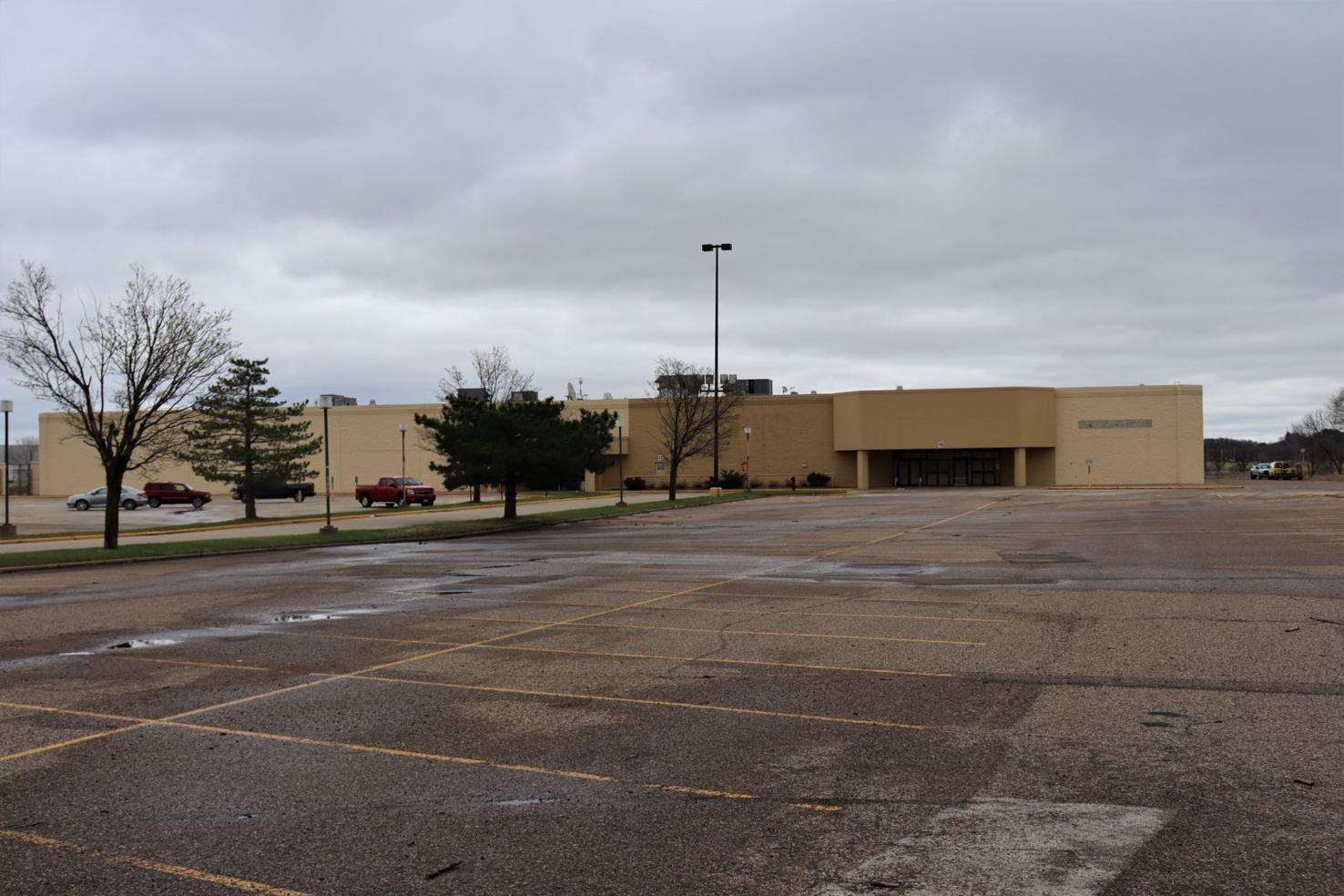
The operational backbone of Menards relies heavily on massive distribution hubs located near major manufacturing and transit corridors in states like Wisconsin, Illinois, Indiana, Ohio, Iowa, and Michigan. These facilities serve as central clearinghouses for thousands of stock-keeping units (SKUs), ranging from heavy building materials and lumber to seasonal goods, plumbing fixtures, and electrical supplies.
In 2026, supply chain resilience remains a top priority for corporate logistics teams. Menards has continuously adapted its fulfillment model to offset freight volatility, labor shortages, and inventory discrepancies. By integrating advanced warehouse management systems (WMS) with real-time inventory tracking, these centers coordinate inbound shipments from international and domestic manufacturers before cross-docking or staging products for outbound delivery to individual retail stores.
Core Functions of a Menards Distribution Facility
- Inbound Freight Consolidation: Receiving full truckload (FTL) and less-than-truckload (LTL) shipments from vendors, palletizing, and verifying quality control parameters.
- Cross-Docking Operations: Rapidly transferring goods from inbound trailers directly to outbound store-bound trailers without placing them into long-term warehouse storage, significantly reducing handling costs.
- Bulk Storage and Racking: Managing high-density vertical racking systems for seasonal overstock, bulk insulation, roofing materials, and lumber products.
- Reverse Logistics and Returns: Processing defective merchandise, vendor chargebacks, and in-store stock rotations to ensure inventory accuracy.
Fleet Management and Private Transportation Logistics
Unlike many competitors that rely completely on third-party logistics (3PL) providers for line-haul transportation, Menards operates an extensive private fleet of heavy-duty semi-trucks and specialized trailers. This approach provides the company with unmatched control over delivery schedules, fuel costs, and freight capacity.
Transportation managers at each fulfillment hub coordinate daily milk runs and dedicated store deliveries. Drivers face rigorous route optimization standards to ensure retail locations maintain optimal stock levels without accumulating excess backroom inventory. Furthermore, specialized flatbed trailers allow the company to transport dimensional lumber, steel beams, and concrete blocks directly from regional manufacturers to distribution yards or high-volume retail hubs.
Technology Integration and Warehouse Automation
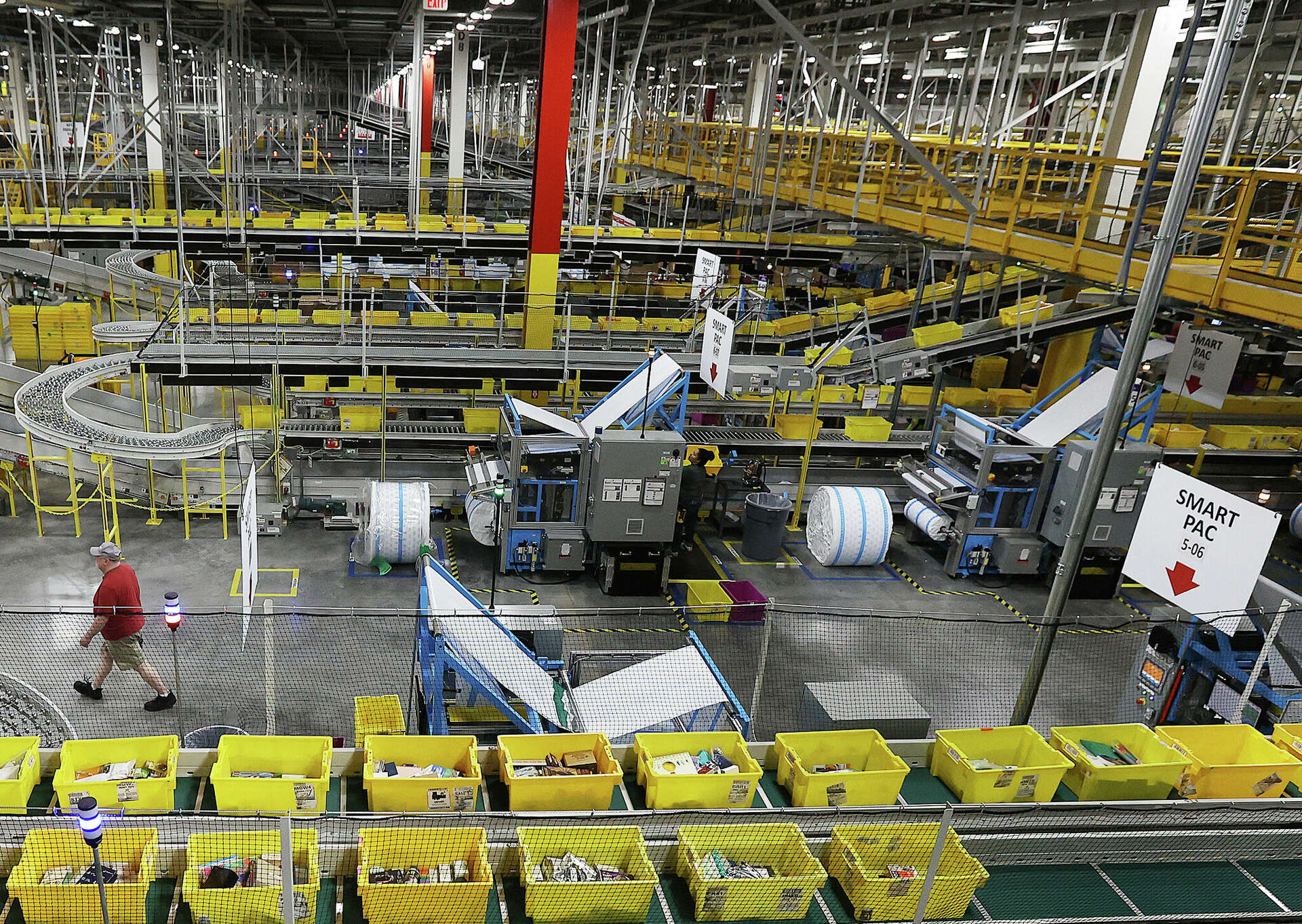
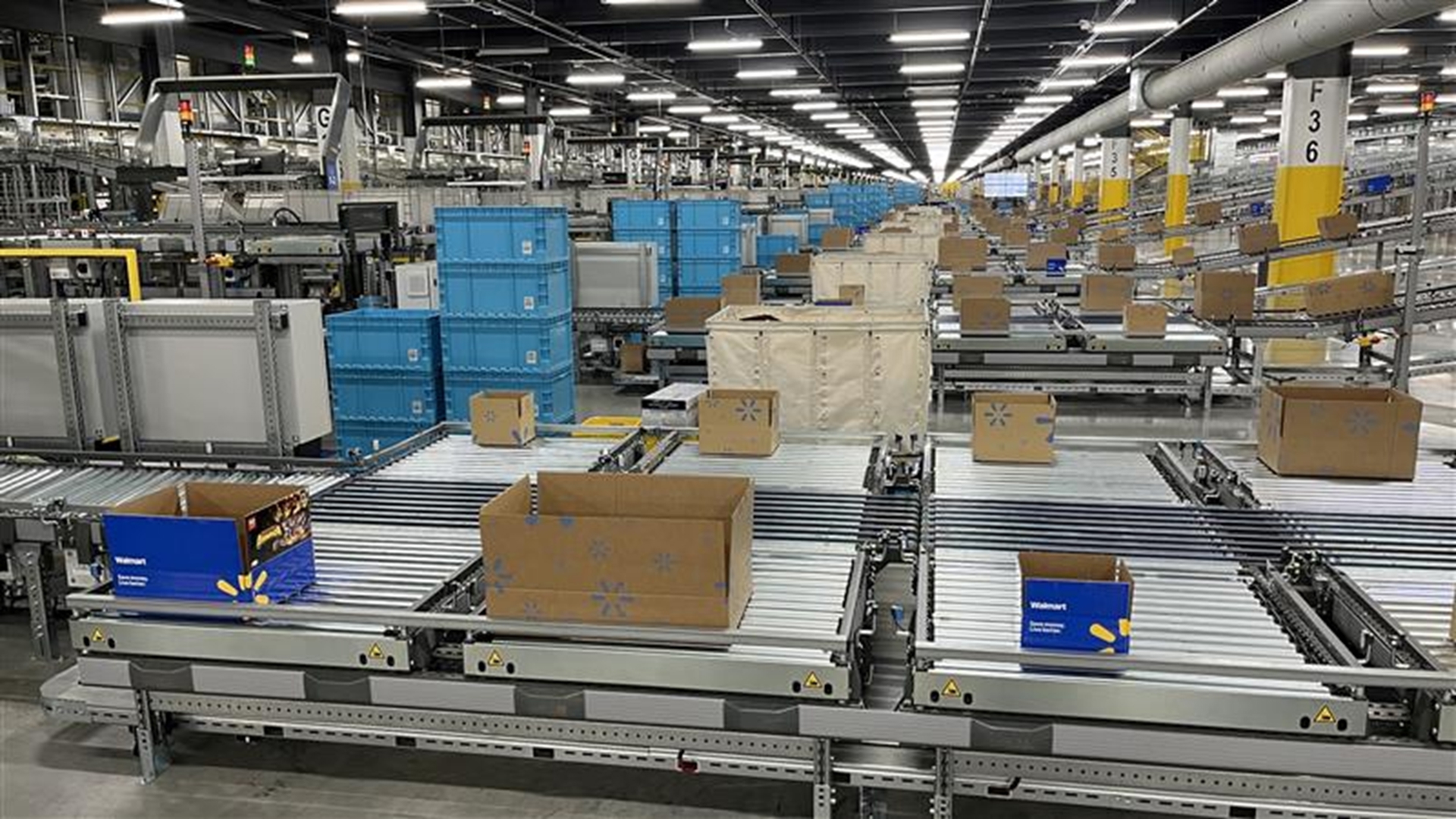
Modern fulfillment demands high levels of digital oversight. Menards fulfillment centers leverage automated conveyor belts, barcode scanning terminals, and radio-frequency identification (RFID) tracking to minimize human error during picking and staging processes.
Warehouse personnel utilize handheld mobile computers linked directly to central enterprise resource planning (ERP) software. When an online order or a store replenishment request is generated, the system calculates the most efficient pick path through the warehouse aisles. This digital integration ensures high inventory turnover ratios and cuts down fulfillment cycle times.
Operational Tip for Vendors: Vendors shipping goods into any Menards distribution facility must adhere strictly to compliance guidelines, including pallet dimension standards, GS1-128 barcode labeling, and strict appointment scheduling protocols. Failure to meet these inbound shipping specifications often results in costly chargebacks and processing delays.
Comparing Menards Fulfillment Models: Distribution Centers vs. Cross-Dock Hubs
Understanding the distinction between traditional distribution warehouses and cross-dock facilities clarifies how goods flow through the Menards network.
| Facility Type | Primary Purpose | Inventory Storage Duration | Target Product Categories |
|---|---|---|---|
| Regional Distribution Center (RDC) | Long-term stocking, bulk storage, and regional store replenishment. | Medium to Long-Term (30 to 90+ days) | Hardware, tools, lighting, seasonal goods, packaged chemicals. |
| Cross-Dock Facility | Rapid sorting and immediate redistribution to retail stores. | Short-Term (Under 24 to 48 hours) | Fast-moving consumer goods, promotional items, high-demand building supplies. |
| Direct-to-Jobsite Yard | Specialized staging for contractor and commercial builder orders. | Variable | Lumber, drywall, roofing, masonry products. |
Pros and Cons of the Menards Supply Chain Framework
Evaluating the operational strengths and weaknesses of the Menards fulfillment network provides vital context for industry analysts, vendors, and large-scale commercial contractors.
- Pros:
- Exceptional Cost Control: Operating a private truck fleet reduces reliance on volatile spot-market freight rates.
- High Inventory Availability: Streamlined replenishment loops keep core home improvement staples on store shelves consistently.
- Vertical Integration: Tight coordination between manufacturing partners, distribution hubs, and retail outlets minimizes systemic bottlenecks.
- Cons:
- Geographic Concentration: The heavy reliance on Midwestern distribution hubs limits rapid expansion into coastal markets.
- Strict Vendor Compliance: Rigid receiving requirements can create administrative hurdles and financial penalties for unprepared suppliers.
- Capital Intensity: Maintaining a massive private fleet and large physical warehouses requires substantial ongoing capital expenditure.
Frequently Asked Questions About Menards Fulfillment Operations
Where are the main Menards distribution centers located?
Menards primary distribution centers are strategically clustered throughout the American Midwest, with massive facilities anchored in cities such as Eau Claire, Wisconsin; Plano, Illinois; Sullivan, Indiana; and Shelby, Iowa. These locations provide optimal geographic coverage to supply over 300 retail stores efficiently.
How does Menards handle online orders and home delivery fulfillment?
Online orders are typically fulfilled either through local retail stores equipped with dedicated fulfillment staging areas or shipped directly from regional distribution centers depending on item dimensions, weight, and customer proximity.
Can independent vendors deliver freight directly to Menards distribution centers without appointments?
No. All inbound freight deliveries require strict appointment scheduling through the Menards vendor portal to manage dock door capacity and prevent yard congestion. Unscheduled trucks are typically turned away.
What is the primary role of cross-docking in Menards facilities?
Cross-docking allows Menards to bypass long-term warehouse storage entirely for high-demand goods, transferring merchandise directly from inbound supplier trucks to outbound store trailers, which accelerates supply chain velocity.
How does Menards manage lumber and heavy building material logistics?
Heavy building materials are handled via specialized flatbed trailers and dedicated lumber distribution yards that connect regional sawmills and manufacturing plants directly to retail store receiving docks.
Optimizing Your Relationship with the Menards Supply Network
Whether you are a retail supplier, a commercial contractor, or a logistics professional analyzing big-box supply chains, mastering the operational rhythms of Menards fulfillment centers is essential. Ensuring strict adherence to compliance mandates, maintaining precise electronic data interchange (EDI) standards, and understanding regional distribution pathways will guarantee seamless integration with one of the retail industry's most disciplined logistics operations.