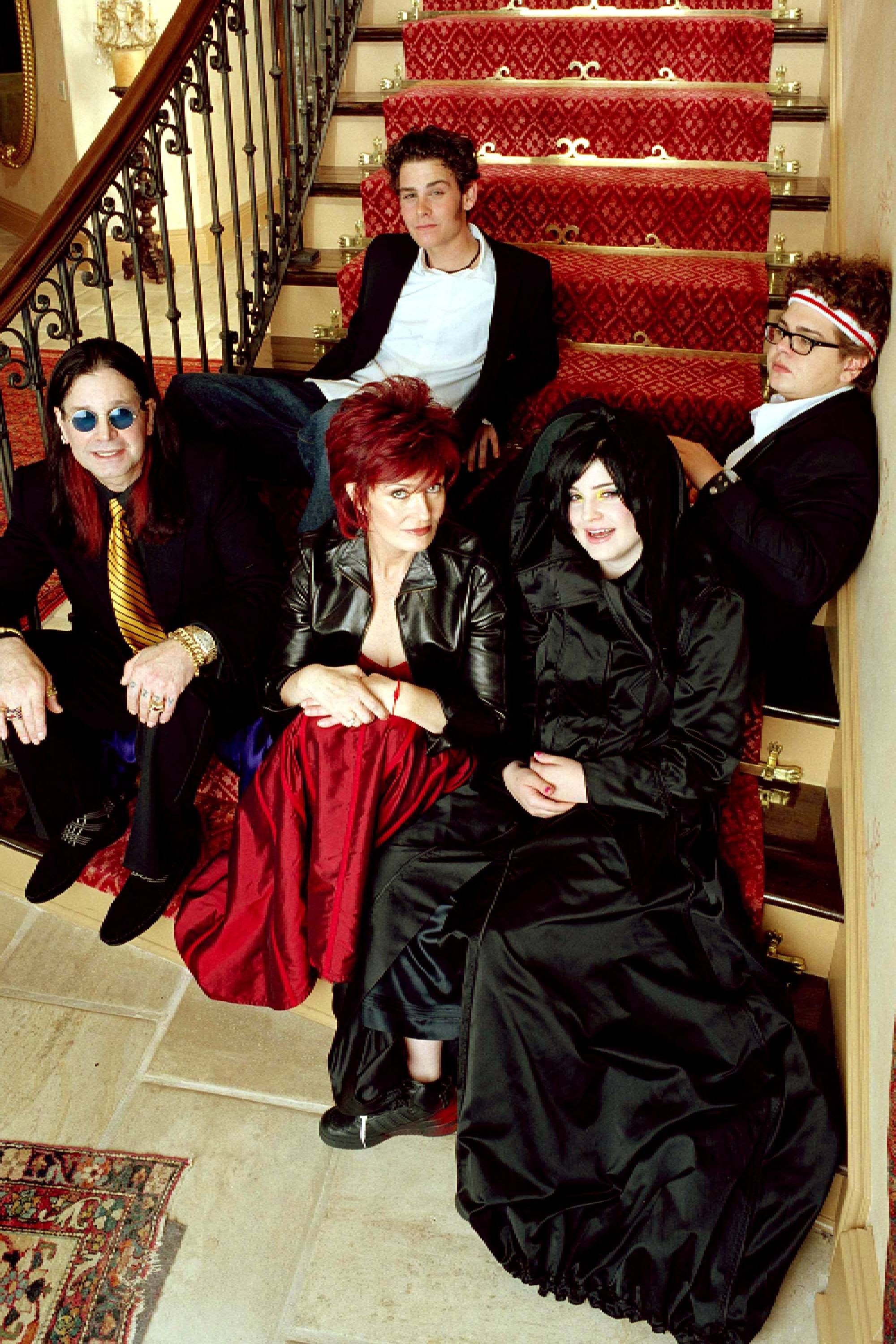
Melinda Varga, widely recognized by viewers as the sharp-tongued and no-nonsense executive assistant to Sharon Osbourne during the heyday of MTV's groundbreaking reality series The Osbournes, stepped away from the intense glare of the entertainment industry long ago. Unlike other peripheral figures from early-2000s docuseries who leveraged temporary small-screen exposure into enduring social media influencer careers, Melinda chose a quiet, private life far removed from Hollywood production sets, celebrity management offices, and public scrutiny.
Understanding the Phenomenon of The Osbournes and Its Supporting Cast
When MTV launched The Osbournes in March 2002, the show revolutionized television by inventing the modern celebrity-access docuseries. Documenting the chaotic daily domestic life of Black Sabbath frontman Ozzy Osbourne, his manager and wife Sharon, and their two youngest children, Jack and Kelly, the program became an overnight pop culture juggernaut. Behind the monumental success of the Osbourne household operations was a rotating cast of professional assistants, security personnel, and household staff who tried to maintain a semblance of order amidst absolute bedlam.
Among these behind-the-scenes professionals, Melinda Varga emerged as a fan favorite due to her interactions with Sharon Osbourne. Tasked with managing the demanding schedules, corporate communications, and high-stakes crises of one of heavy metal's most formidable management teams, Melinda displayed an unflappable demeanor. While series leads like Ozzy, Sharon, Kelly, and Jack absorbed the primary spotlight, supporting figures added authenticity to the depiction of the family’s frantic business and personal enterprises.
The Reality Television Landscape of the Early 2000s
To understand Melinda's role and her subsequent disappearance from the public eye, it is essential to examine the production environment of early reality television. Shows like The Osbournes operated without the scripted safety nets and careful public relations curation common in contemporary influencer culture. Cameras followed real employees, real assistants, and real business associates as they navigated stressful professional environments.
For supporting staff members like Melinda, appearing on a globally broadcast television show was often a byproduct of employment rather than an ambition for fame. While participants signed release forms permitting their likenesses to be broadcast, few anticipated the global reach the medium would achieve in the pre-streaming, high-cable-penetration era. Consequently, when production wrapped on the series, many ordinary professionals chose to return strictly to their corporate or personal careers rather than capitalize on fleeting celebrity status.
| Cast Member / Staff Role | Primary Function on The Osbournes | Post-Show Trajectory |
|---|---|---|
| Ozzy Osbourne | Patriarch and touring musician | Continued music career, ongoing health documentation |
| Sharon Osbourne | Matriarch, manager, and media personality | Television hosting, panelist roles, production |
| Kelly Osbourne | Daughter and aspiring musician/fashion figure | Music, fashion television hosting, podcasting |
| Jack Osbourne | Son and media producer | Travel shows, paranormal investigations, producing |
| Melinda Varga | Executive assistant to Sharon Osbourne | Transitioned away from media to private civilian life |
Transitioning Away from the Entertainment Industry Spotlight
The transition from working within the high-pressure environment of celebrity artist management to private life is a deliberate choice made by many industry professionals. Managing Sharon Osbourne required a rare combination of administrative precision, crisis management skills, and emotional resilience. Once Melinda's tenure with the Osbourne family concluded, she did not seek out subsequent reality television opportunities, acting roles, or public-facing executive positions within the entertainment sector.
The absence of a digital footprint or active social media presence under her public-facing moniker is indicative of a deliberate retreat into privacy. In an era where digital footprints expand automatically through professional networking platforms and public registries, individuals who intentionally protect their privacy often employ strict personal boundaries, utilizing non-public profiles or stepping entirely out of corporate roles that require public visibility.
The Evolution of Celebrity Assistants in Modern Media
The role of the celebrity executive assistant has transformed significantly since the early 2000s. During the era of The Osbournes, assistants were captured on film handling physical paperwork, answering landlines, coordinating chaotic travel schedules, and dealing with direct interpersonal conflicts inside private residences. Today, high-profile assistants manage encrypted digital communications, complex social media schedules, and brand partnerships, operating as digital gatekeepers.
Melinda’s professional background represents a classic era of executive support where interpersonal discretion and operational execution were paramount. The skills developed while managing the demanding logistics of a major rock music manager and television producer translate effectively into high-level corporate administration, project management, or private wealth operations, even if those subsequent career chapters remain entirely private.
Why Supporting Cast Members Disappear From Public Records
Public curiosity regarding early reality television personalities often collides with privacy rights and personal choice. When individuals are featured on documentary programs through their employment rather than as primary talent, they retain no legal obligation to maintain public profiles once their employment or contractual television obligations conclude.
Furthermore, media archiving practices often conflate fictionalized portrayals with real-life identities, leaving former staff members vulnerable to speculative online commentary, unverified blog rumors, and fabricated updates. Recognizing that a lack of public updates simply indicates a successful transition to private civilian life helps separate verified historical records from sensationalized internet speculation.
Frequently Asked Questions About Melinda From The Osbournes
Who was Melinda on The Osbournes?
Melinda Varga served as the executive assistant to Sharon Osbourne during the early seasons of MTV's reality series The Osbournes. She was featured on camera handling administrative tasks and coordinating professional logistics for the family's management business.
Is Melinda still working in the entertainment industry?
No, Melinda stepped away from the entertainment industry and public television production entirely following her tenure with the Osbourne family, choosing to pursue a private career and personal life out of the public eye.
Does Melinda have active social media accounts?
There are no verified, public-facing social media profiles associated with Melinda Varga from The Osbournes. She has maintained strict personal privacy and does not participate in public digital culture or influencer spaces.
Why did supporting staff members appear on The Osbournes?
Supporting staff members appeared naturally on the show because MTV’s production style documented the genuine, everyday environment of the Osbourne household and their active business offices, capturing real employees as they performed their daily duties.
How has the role of celebrity assistants changed since the show aired?
While assistants in the early 2000s focused heavily on physical logistics, phone communications, and in-person scheduling, modern celebrity assistants primarily manage digital security, online brand assets, complex virtual calendars, and electronic communications.
Next Steps for Fans of Early Reality Television History
For viewers interested in exploring the historical context of early docuseries, focusing on the production mechanics, archival interviews with creators, and retrospective analyses of late-90s and early-2000s MTV programming provides deeper insight than searching for speculative updates on private supporting staff. Examining how unscripted television formats evolved helps contextualize why figures like Melinda Varga chose privacy over continued media exposure.