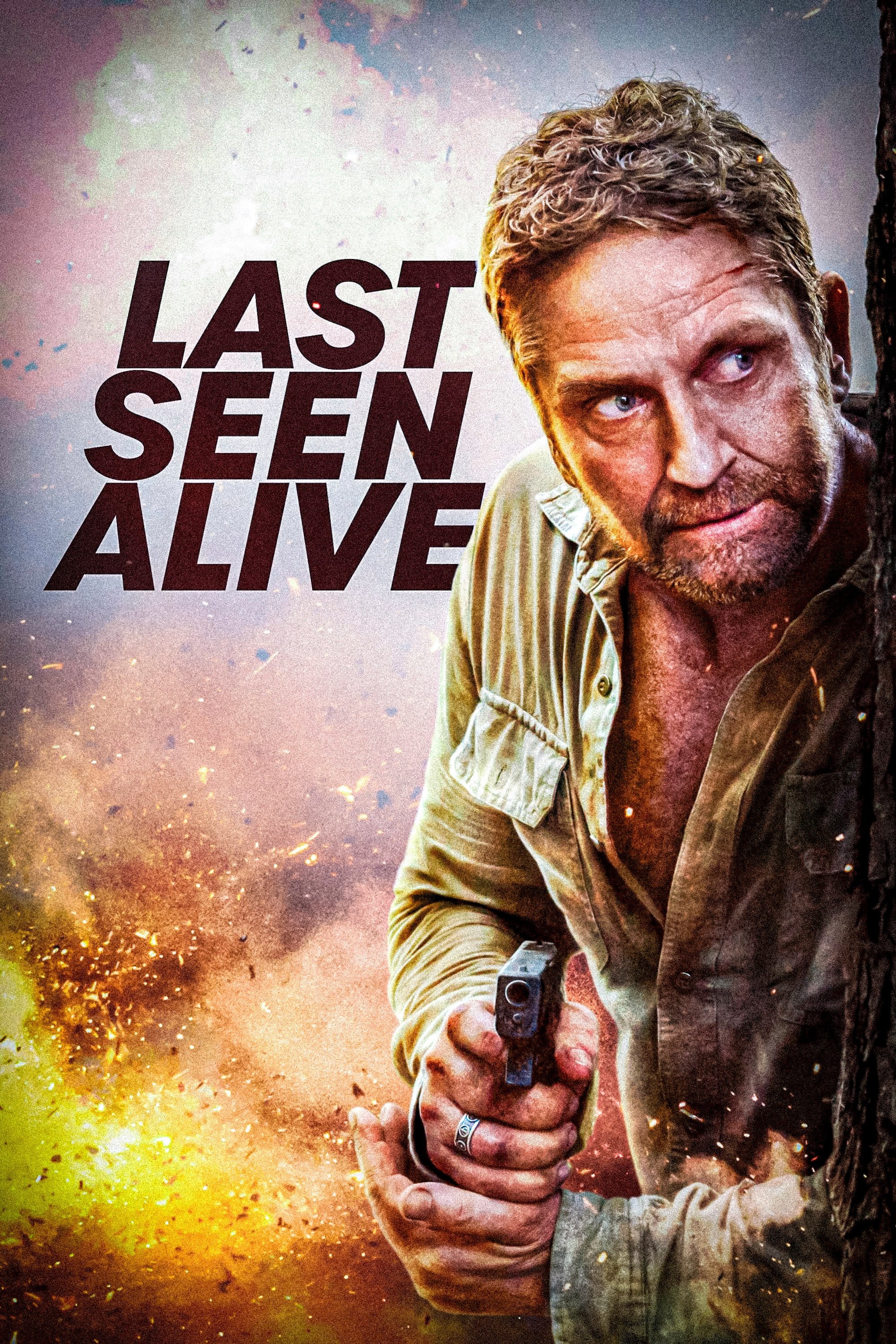
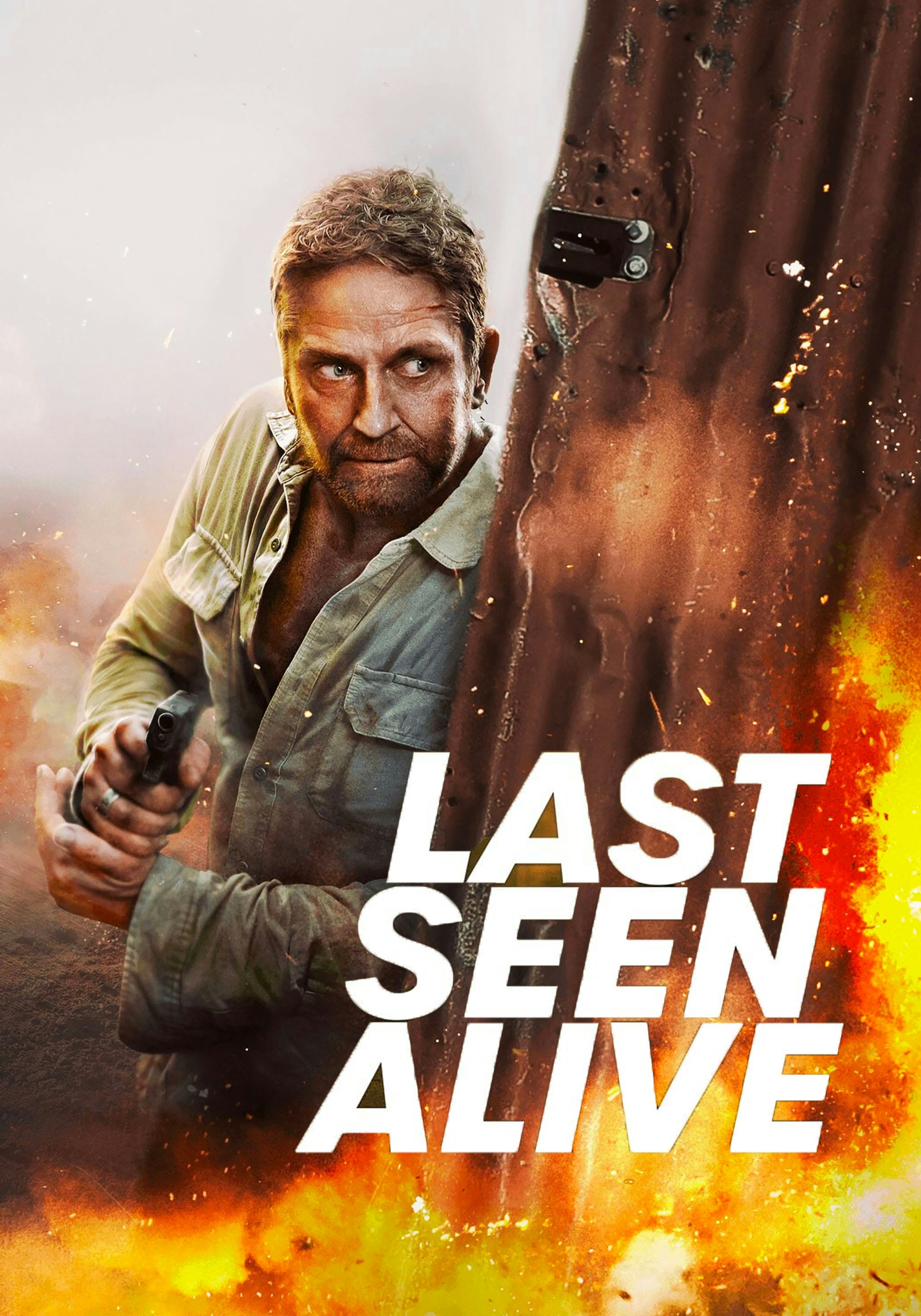
The 2022 thriller Last Seen Alive, starring Gerard Butler and Jaimie Alexander, was filmed primarily in the state of Georgia, USA. Principal photography focused on the Savannah metropolitan area, specifically within Bloomingdale, Rincon, and various rural stretches of Chatham and Effingham Counties, which provided the film's distinctive Southern atmosphere.
Directed by Brian Goodman, Last Seen Alive (originally titled Chase) follows Will Spann (Butler) as he embarks on a desperate search for his estranged wife, Lisa (Alexander), after she mysteriously vanishes from a gas station. To capture the tension of a ticking-clock thriller, the production relied heavily on practical, real-world locations that could ground the high-stakes narrative in a gritty, recognizable reality. By 2026, many of these locations have become points of interest for film enthusiasts visiting the American South, representing the region's significant role in modern independent and mid-budget action cinema.
The Strategic Choice of Georgia for Last Seen Alive
The decision to film in Georgia was driven by both aesthetic requirements and the state's robust film incentive programs. By the time production began in the spring of 2021, Georgia had firmly established itself as "the Hollywood of the South." For a film like Last Seen Alive, which requires a mix of mundane suburban environments and isolated, rural backwoods, the Savannah area offered a versatile canvas.
The production utilized the natural landscape of the Georgia Lowcountry—characterized by its flat terrain, towering pine forests, and humid atmosphere—to mirror the protagonist’s internal state of confusion and claustrophobia. The choice of smaller towns like Bloomingdale and Rincon allowed the crew to maintain a controlled environment while achieving a "lived-in" look that would have been difficult to replicate on a studio backlot. This authenticity is central to the film’s effectiveness, as the story hinges on the idea that a disappearance can happen in a place that feels entirely ordinary.
The Central Hub: The Bloomingdale Gas Station
The most critical location in Last Seen Alive is the gas station where Lisa Spann disappears. In the film, this location is a pivotal set piece where the mystery begins and where much of the initial investigation takes place.
The filming for these scenes occurred at a real-world gas station in Bloomingdale, Georgia, located at 1515 US-80. During production, the station was modified to fit the cinematic needs of the "Lucky 7" brand seen in the movie. Bloomingdale, a small city in Chatham County, provided the perfect "pass-through" vibe necessary for the plot. The station is situated on a stretch of highway that sees significant local traffic but feels isolated enough for a kidnapping to go unnoticed by the casual observer.
For fans visiting in 2026, the location remains a functioning commercial site. The production team chose this specific spot because of its layout, which allowed for the long-take camera movements that Director Brian Goodman used to establish Will Spann's frantic perspective. The surrounding area, including the nearby intersections and wooded patches, was also utilized for the early segments of Will’s search, where he encounters local law enforcement and suspicious bystanders.
Exploring Effingham County and Rincon
As the narrative shifts from the gas station to the search for the kidnappers, the production moved into Effingham County, specifically the town of Rincon. This area provided the backdrop for the Spann family’s ancestral home and the surrounding rural properties that play a major role in the film's second act.
Rincon offers a distinct contrast to the more industrial or highway-focused areas of Bloomingdale. Its residential streets and older wood-frame houses provided the "Southern Gothic" aesthetic required for the home of Lisa’s parents. The production sought locations that felt established and perhaps a bit worn down, suggesting a history of family tension and local secrets.
The rural roads connecting Rincon and Bloomingdale were used for the film's driving sequences. These roads are often lined with dense brush and pine trees, creating a sense of "tunnel vision" that enhances the thriller's pacing. The geography of Effingham County was essential for the sequences involving the "hollow" and the makeshift campsites where the antagonists operate.
Savannah: The Industrial and Logistical Core
While the rural areas provided the atmosphere, the city of Savannah served as the logistical heart of the production. Savannah’s historic and industrial districts were utilized for several of the film's more urban-leaning scenes, including the interiors of the police station and some of the darker, industrial hideouts seen in the climax.
Savannah’s versatility is a primary reason for its popularity in the film industry. The production of Last Seen Alive was able to utilize local warehouses and storefronts to stand in for various locations within the fictional setting. The city’s infrastructure also supported the film’s post-production and storage needs.
Furthermore, the "gritty" side of Savannah—away from the famous oak-lined squares and tourist-heavy historic district—offered the right visual texture for the film's more violent encounters. The contrast between the beautiful, moss-draped trees and the decaying industrial structures serves as a visual metaphor for the disruption of Will Spann’s life.
Comparison of Key Filming Locations
The following table summarizes the primary locations used in Last Seen Alive and their real-world counterparts in Georgia.
| Movie Setting / Scene | Real-World Location | County | Significance |
|---|---|---|---|
| Lucky 7 Gas Station | 1515 US-80, Bloomingdale | Chatham | The site of the inciting disappearance; main set piece. |
| The Parents' House | Private Residence, Rincon | Effingham | Established the family background and Southern atmosphere. |
| Rural Road Chases | Highway 21 and side roads | Effingham | Created the sense of isolation and high-speed tension. |
| Police Station Interiors | Savannah Local Offices | Chatham | Used for the bureaucratic hurdles Will Spann faces. |
| The Industrial Hideout | Savannah Industrial District | Chatham | The location for the film’s high-stakes climax. |
Production Challenges and Aesthetic Direction
Filming Last Seen Alive presented several unique challenges. The production was a relatively fast-paced shoot, and the team had to navigate the unpredictable weather patterns of the Georgia spring. The humidity and sudden rainstorms often required the crew to adapt their lighting and shooting schedules on the fly.
Cinematographer Peter Holland utilized the natural light of the Georgia Lowcountry to create a high-contrast look. During the daytime scenes at the gas station, the light is often harsh and unforgiving, reflecting Will Spann’s exposure and vulnerability. In contrast, the scenes set in the woods or at night use deep shadows and limited practical lighting to heighten the sense of danger.
The production also emphasized practical effects and real-world stunts. Gerard Butler, known for his physical roles, performed many of the driving and combat sequences on-location. This choice was deliberate; Goodman and Butler wanted the film to feel more like a 1970s character-driven thriller than a polished modern blockbuster. By staying on the ground in Bloomingdale and Rincon, rather than using soundstages, the actors were able to react to the actual environment—the heat, the insects, and the genuine topography of the Georgia woods.
The Role of Southern Landscape in the Thriller Genre
The choice of Georgia for Last Seen Alive is part of a larger trend in the thriller genre where the Southern landscape is treated as a character itself. In the film, the environment is often an obstacle. The dense woods provide cover for the villains, while the long, straight highways emphasize the distance between Will and the help he needs.
This use of geography is a staple of "Southern Noir." By 2026, many film critics have noted that Last Seen Alive succeeds largely because it doesn't try to hide its locations. It leans into the specific aesthetics of the Georgia/South Carolina border region. The moss, the red clay, and the specific architecture of the small-town storefronts all contribute to a sense of place that makes the disappearance feel more "real" to the audience.
Frequently Asked Questions
Is the gas station from Last Seen Alive a real place?
Yes, the gas station is a real commercial location in Bloomingdale, Georgia. It is located on US-80. While the branding in the movie was changed to "Lucky 7," the physical structure and the surrounding layout are exactly as they appear in the film.
Why was the movie's title changed from Chase?
The film was originally titled Chase during production to reflect the fast-paced nature of the plot. However, it was renamed Last Seen Alive for its international and streaming releases to avoid confusion with other titles and to emphasize the mystery/thriller aspect of the story.
How long did it take to film Last Seen Alive?
The principal photography for the film was remarkably efficient, taking place over several weeks in May 2021. The tight schedule contributed to the frantic energy seen on screen, as the actors and crew were working under significant time constraints.
Can tourists visit the filming locations?
Most of the locations are public areas or commercial businesses, such as the roads in Effingham County and the gas station in Bloomingdale. However, the parents' house is a private residence, and visitors are encouraged to respect the privacy of the homeowners. Savannah’s historic and industrial districts are easily accessible to the public.
Was any part of the movie filmed on a studio set?
While some minor interior pick-ups and sound editing occurred in controlled environments, the vast majority of Last Seen Alive was filmed on location. The director’s vision was to maintain a gritty, realistic feel that only real-world locations could provide.
What other movies have been filmed in Bloomingdale, Georgia?
Bloomingdale and the surrounding Chatham County area have hosted numerous productions, including The Gift and segments of various television series. Its proximity to the Savannah film hub makes it a frequent choice for productions requiring a small-town or rural Southern look.
Recommendations for Filming Location Enthusiasts
If you are planning a visit to the Last Seen Alive filming locations in 2026, the best approach is to start in Savannah and work your way westward. Savannah serves as an excellent home base with plenty of cinematic history to explore beyond this specific film.
- Start in Bloomingdale: Visit the gas station on US-80 to see the site of the disappearance. It is a working station, so you can stop for fuel and snacks while taking in the view.
- Drive through Effingham: Take the backroads toward Rincon to experience the same "tunnel vision" driving experience depicted in the film. The pine corridors are particularly atmospheric at sunset.
- Explore Savannah’s Industrial Zones: Head toward the outskirts of Savannah to see the types of industrial parks used for the film's climax.
- Respect Local Privacy: Remember that many of the residential shots were done at private homes. Viewing from the street is acceptable, but always prioritize the residents' privacy.
By visiting these sites, you gain a deeper appreciation for how filmmakers transform ordinary locations into the backdrop for extraordinary stories. The Georgia Lowcountry remains a vital part of the American cinematic landscape, offering a unique blend of beauty and grit that continues to attract filmmakers from around the world.