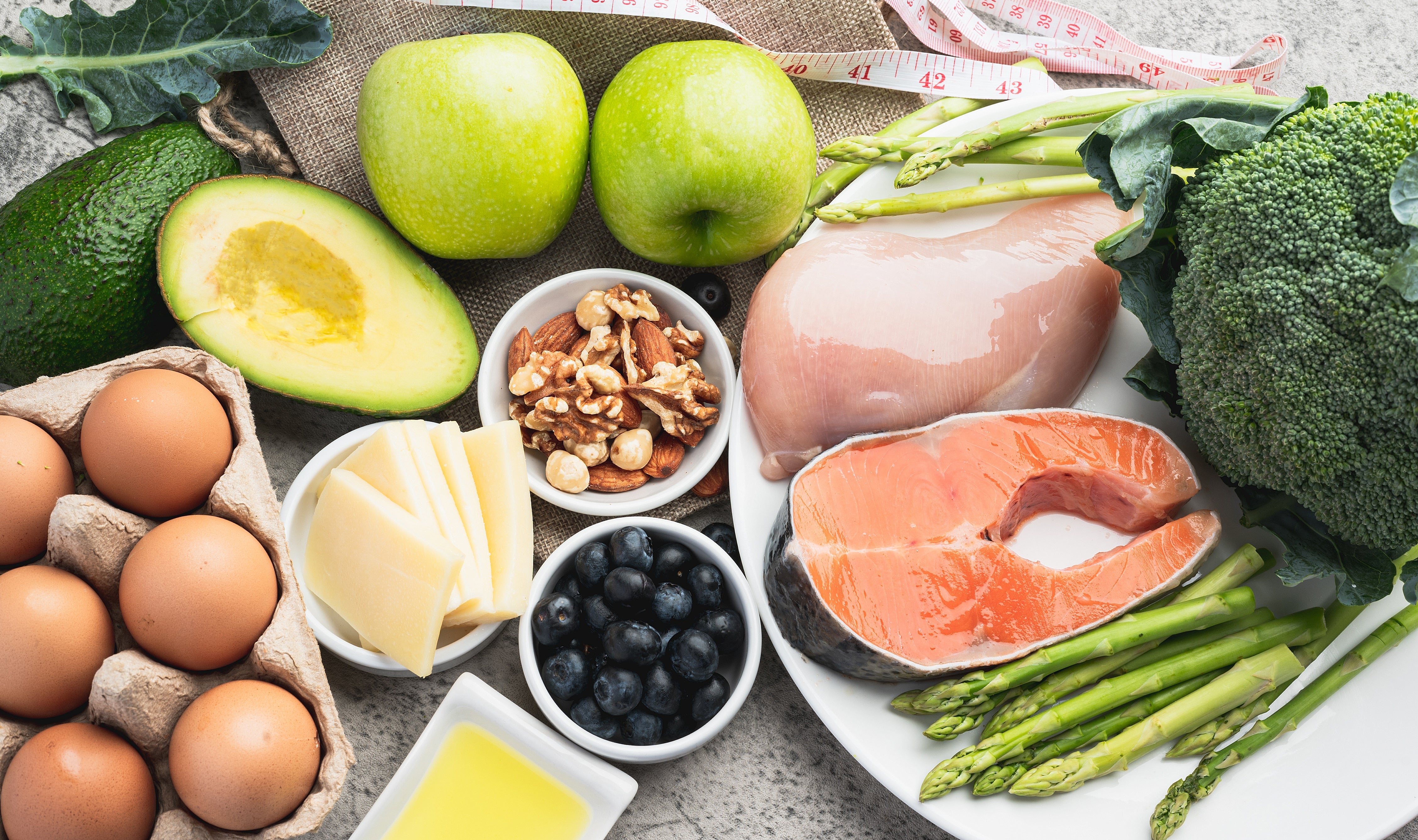
A ketogenic diet is a high-fat, moderate-protein, and very-low-carbohydrate nutritional framework designed to shift the body’s metabolism from burning glucose to burning fats and ketones. By restricting carbohydrates to typically under 50 grams per day, the body enters a metabolic state called ketosis, which can lead to efficient fat loss and improved insulin sensitivity.
Defining the Ketogenic Framework
The ketogenic diet, commonly referred to as "keto," is more than a weight-loss trend; it is a metabolic intervention. At its core, the diet seeks to mimic the physiological state of fasting without depriving the body of calories. Historically, the ketogenic diet was developed in the 1920s as a therapeutic treatment for pediatric epilepsy. However, by 2026, its application has expanded significantly into the realms of metabolic health, type 2 diabetes management, and athletic performance optimization.
In a standard Western diet, carbohydrates provide the primary source of energy. When these are consumed, the body breaks them down into glucose, which is then transported through the bloodstream. Insulin is secreted to usher glucose into cells for fuel. When carbohydrate intake is drastically reduced, the body’s stores of glycogen (stored glucose in the liver and muscles) become depleted. This depletion forces the body to find an alternative fuel source, leading to the mobilization of stored body fat and dietary fat.
The transition to keto requires a specific macronutrient distribution. While individual needs vary based on activity levels and metabolic health, a typical ketogenic profile consists of approximately 70% to 75% of calories from healthy fats, 20% to 25% from protein, and only 5% to 10% from carbohydrates. This precision is necessary because even a slight excess in carbohydrates or protein can trigger an insulin response sufficient to halt ketone production.
The Biological Mechanism: Understanding Ketosis
To understand how the keto diet works, one must understand the liver’s role in fat metabolism. When insulin levels are low due to carbohydrate restriction, the liver begins converting fatty acids into molecules known as ketone bodies: acetoacetate, beta-hydroxybutyrate (BHB), and acetone. These ketones are water-soluble molecules that can cross the blood-brain barrier, providing a highly efficient fuel source for the brain and muscles.
This metabolic switch is known as ketosis. Unlike glucose, which can cause "spikes" and "crashes" in energy levels, ketones provide a steady, consistent stream of energy. This often results in reported improvements in mental clarity and a reduction in the "brain fog" associated with high-sugar diets. Furthermore, being in a state of ketosis alters hunger hormones. Research indicates that the ketogenic diet can suppress ghrelin (the hunger hormone) and increase cholecystokinin (a hormone that signals fullness), making it easier for individuals to maintain a calorie deficit without the psychological burden of constant hunger.
It is vital to distinguish between nutritional ketosis and ketoacidosis. Nutritional ketosis is a safe, regulated metabolic state where ketone levels typically range between 0.5 and 3.0 mmol/L. Ketoacidosis, conversely, is a dangerous medical emergency primarily seen in Type 1 diabetics where ketone levels skyrocket alongside high blood sugar, making the blood dangerously acidic. For the average person, the body’s feedback loops prevent nutritional ketosis from escalating into ketoacidosis.
Variations of the Ketogenic Approach
As the diet has matured, several variations have emerged to accommodate different lifestyles and goals. Choosing the right version depends on an individual's metabolic starting point and physical activity demands.
| Diet Type | Fat % | Protein % | Carb % | Best For |
|---|---|---|---|---|
| Standard (SKD) | 70-75% | 20% | 5-10% | Beginners and general weight loss. |
| High-Protein (HPKD) | 60% | 35% | 5% | Bodybuilders or those needing more satiety. |
| Targeted (TKD) | 65-70% | 20% | 10-15% | Athletes who need carbs around workouts. |
| Cyclical (CKD) | Variable | Variable | Variable | Advanced trainees (5 days keto, 2 days high-carb). |
The Standard Ketogenic Diet (SKD) is the most researched and widely practiced. For those who engage in high-intensity interval training (HIIT) or heavy lifting, the Targeted Ketogenic Diet (TKD) allows for small amounts of fast-acting carbohydrates immediately before or after a workout to fuel performance without permanently exiting ketosis. The Cyclical Ketogenic Diet (CKD) is generally reserved for elite athletes who require glycogen re-loading phases to maintain high-level performance.
Practical Considerations and the "Keto Flu"
The most significant hurdle for new practitioners is the induction phase, often accompanied by the "keto flu." As the body transitions from glucose to fat, it undergoes profound hormonal and electrolyte shifts. When insulin levels drop, the kidneys signal the body to excrete excess water and sodium. This "whoosh" of water weight loss in the first week is often celebratory, but it carries a hidden cost: the loss of essential minerals.
Symptoms of the keto flu include headaches, fatigue, irritability, muscle cramps, and nausea. These are almost always a result of electrolyte imbalances rather than the diet itself. To mitigate this, practical considerations must include:
- Sodium Supplementation: Increasing salt intake (via sea salt or bouillon) to replace what the kidneys are flushing out.
- Magnesium and Potassium: Consuming leafy greens, avocados, and nuts—or using high-quality supplements—to prevent muscle cramps and heart palpitations.
- Hydration: Drinking significantly more water than usual, as the body no longer has glycogen to hold onto water molecules.
Another practical consideration is digestive health. Many beginners focus so heavily on fats that they neglect fiber. To avoid constipation, it is essential to prioritize low-carb, high-fiber vegetables such as broccoli, cauliflower, and spinach.
Strategic Food Choices for Success
Sustainability on a ketogenic diet depends on food quality. "Dirty keto"—a term for consuming highly processed fats like seed oils and low-quality deli meats—may induce weight loss but can lead to systemic inflammation and poor long-term health outcomes. Instead, a "clean keto" approach focuses on whole, nutrient-dense foods.
- Healthy Fats: Prioritize monounsaturated and saturated fats from whole sources. Avocados, extra virgin olive oil, grass-fed butter, coconut oil, and fatty fish like salmon provide the building blocks for ketone production while supporting heart health.
- Proteins: Choose high-quality sources such as pasture-raised eggs, grass-fed beef, poultry, and wild-caught seafood. While keto is not a high-protein diet, adequate protein is necessary to prevent muscle wasting.
- Low-Carb Vegetables: These should make up a large volume of the diet. Cruciferous vegetables (Brussels sprouts, cabbage) and nightshades (peppers, eggplant) provide essential vitamins and minerals without exceeding the daily carb limit.
- Hidden Carbs: Practitioners must become expert label readers. Many "keto-friendly" packaged snacks use sugar alcohols or fillers that can cause insulin spikes in sensitive individuals.
Monitoring and Verifying Ketosis
For those serious about the metabolic benefits of the diet, "guessing" is rarely effective. Monitoring ketone levels provides objective data on how specific foods affect an individual's metabolic state. There are three primary methods for testing:
- Urine Strips: These are the most affordable but the least accurate over time. They measure excess acetoacetate excreted in the urine. As the body becomes "keto-adapted" (efficient at using ketones), the concentration in urine often drops, even if the person remains in deep ketosis.
- Breath Meters: These measure acetone levels in the breath. They are non-invasive and reusable, making them a popular choice for daily monitoring in 2026.
- Blood Glucose/Ketone Meters: This remains the gold standard. By using a small finger-prick sample, these devices measure BHB levels directly in the blood. While the test strips can be expensive, they provide the most reliable data for clinical or performance goals.
Long-Term Sustainability and Safety
While the ketogenic diet offers significant benefits for weight loss and metabolic health, it is not a "one-size-fits-all" solution. Long-term adherence requires a shift in mindset from a temporary "fix" to a lifestyle. Some individuals may experience "keto-adaptation" within three to six weeks, after which cravings for sugar typically diminish and energy levels stabilize.
However, certain populations should exercise caution. Individuals with a history of pancreatitis, gallbladder disease, or specific rare genetic fat-metabolism disorders must avoid the diet. Furthermore, those on medication for high blood pressure or type 2 diabetes must work closely with a healthcare provider, as the diet can lead to rapid improvements that necessitate medication dosage reductions to avoid hypoglycemia or hypotension.
Current research from the National Institutes of Health (NIH) emphasizes that the quality of fats and the inclusion of fiber are the two most important factors in determining the long-term safety of the diet. For most healthy adults, a well-formulated ketogenic diet is a powerful tool for metabolic flexibility—the ability of the body to switch seamlessly between burning carbohydrates and fats.
FAQ
How long does it take to get into ketosis?
Most people enter nutritional ketosis within 2 to 4 days of consuming fewer than 50 grams of carbohydrates per day. However, becoming "fat-adapted"—where the body efficiently utilizes fat as its primary fuel source and performance returns to baseline—typically takes 3 to 6 weeks of consistent adherence.
Can I build muscle on a keto diet?
Yes, you can build muscle, though the process may be slower initially as the body adapts. Adequate protein intake is crucial (roughly 1.2 to 1.7 grams per kilogram of body weight). Many athletes use a Targeted Ketogenic Diet (TKD) to provide the necessary glycogen for explosive lifts while maintaining an overall ketogenic state.
What happens if I eat a high-carb meal by mistake?
Eating a high-carb meal will spike insulin and temporarily pause ketone production, effectively kicking you out of ketosis. However, you can return to ketosis quickly by resuming strict carbohydrate restriction and engaging in physical activity to burn off the newly stored glycogen. It is not a "failure" but a temporary metabolic shift.
Is the keto diet safe for the heart?
For most people, a "clean" keto diet focusing on monounsaturated fats (like olive oil and avocado) and omega-3s (like fatty fish) can actually improve heart health markers by reducing triglycerides and increasing HDL ("good") cholesterol. However, those with specific genetic predispositions to high LDL should monitor their lipid profiles closely with a physician.
Do I have to stay on keto forever?
Not necessarily. Many people use keto to achieve a specific weight or health goal and then transition to a "Low Carb High Fat" (LCHF) or "Paleo" lifestyle. This allows for more flexibility with fruits and root vegetables while still maintaining the metabolic improvements gained during the ketogenic phase.
Practical Recommendation for Starting
Before beginning a ketogenic journey, the most effective next step is to perform a "pantry audit." Remove processed sugars, flours, and high-carb snacks to eliminate temptation during the initial two-week transition. Simultaneously, invest in a high-quality electrolyte supplement containing sodium, potassium, and magnesium. Consult with a healthcare professional to establish baseline blood markers—including fasting insulin, HbA1c, and a full lipid panel—to track your progress objectively over the coming months.