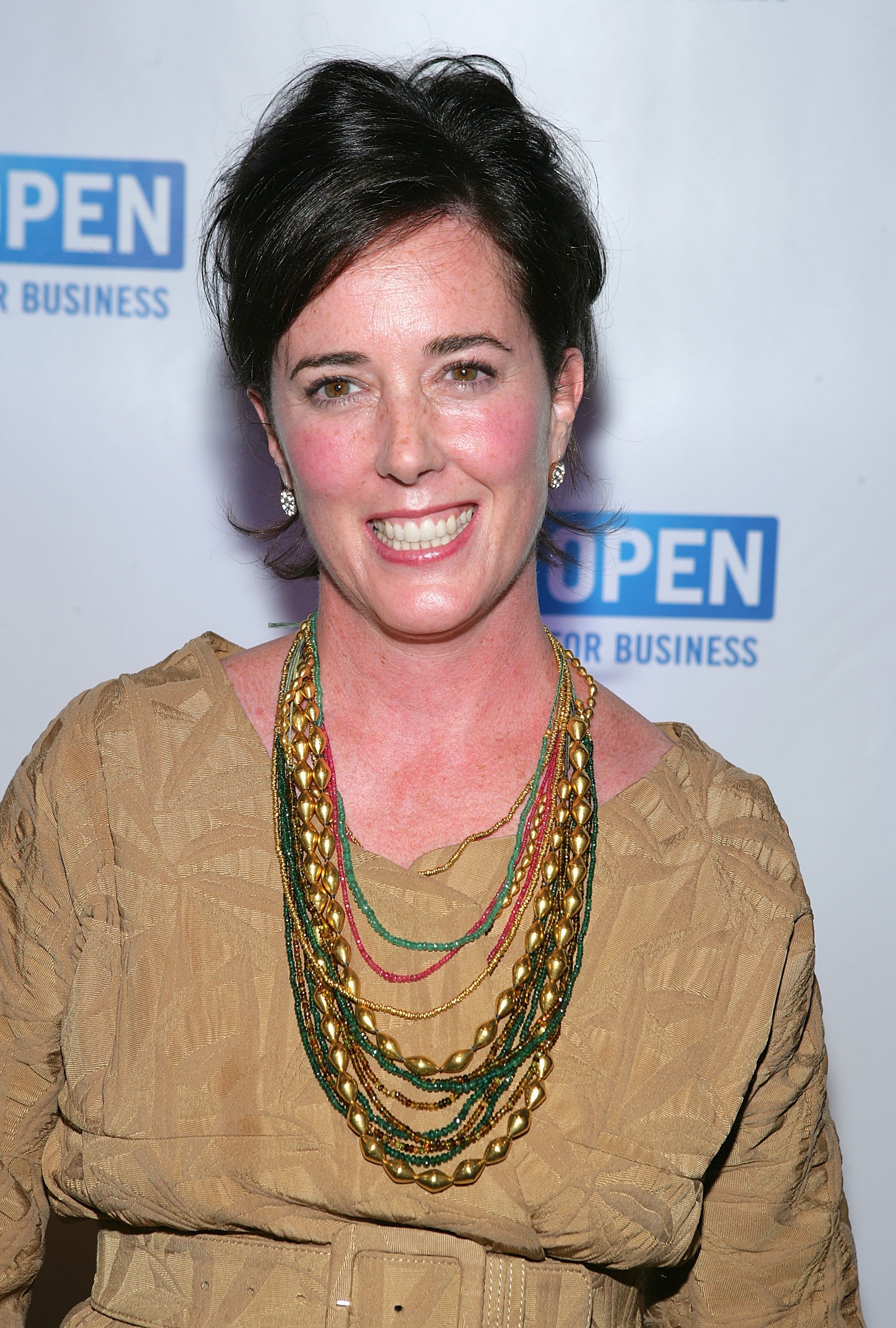
Kate Spade, the iconic American fashion designer and entrepreneur, was married to Andy Spade for 24 years until her passing in 2018. At the time of her death, her net worth was estimated to be between $150 million and $200 million, a valuation largely derived from the sale of her namesake brand and her subsequent business ventures in the luxury accessories market.
Marital History and Partnership
Kate Spade, born Katherine Noel Valentine Brosnahan, met Andy Spade in the mid-1980s while both were working at the clothing retailer Mademoiselle in New York City. Andy Spade is the brother of actor and comedian David Spade. Their professional and personal lives became deeply intertwined, ultimately serving as the catalyst for one of the most recognizable fashion brands in American history.
The couple married in 1994. This union was not merely a domestic partnership; it was a foundational business collaboration. Shortly after their marriage, the pair co-founded Kate Spade Handbags in 1993, with Andy playing a pivotal role in the brand’s marketing and business strategy, while Kate focused on the creative direction and aesthetic identity. Together, they navigated the rapid expansion of the company, moving from a small boutique venture to a global luxury powerhouse that defined the "accessible luxury" segment for a generation of consumers.
Assessing the Financial Valuation of Kate Spade
The estimation of Kate Spade’s net worth at the time of her death in 2018 is a complex calculation rooted in her exit from the company she co-founded. The financial trajectory of her career can be categorized into several distinct phases, each contributing to her total estate value.
The primary driver of her wealth was the phased acquisition of the Kate Spade brand by the Neiman Marcus Group and, subsequently, the Liz Claiborne organization (later known as Fifth & Pacific, and eventually Kate Spade & Company). In 1999, the Spades sold a 56% stake in their company to Neiman Marcus for $33.6 million. In 2006, they sold the remaining 44% interest to Liz Claiborne for approximately $124 million. By the time they stepped away from the brand entirely in 2007, the total sale of their interest provided the couple with a significant capital infusion.
Following the sale of their namesake brand, the couple remained active in the industry. In 2016, they launched a new luxury footwear and accessories brand called Frances Valentine, named after their daughter. While this venture represented a re-entry into the market, the brand was in its growth phase at the time of Kate's death, and her primary liquid net worth was anchored in the earlier divestment of her original brand.
Comparative Financial Milestones
To understand the scale of the financial impact Kate Spade had on the fashion industry, it is helpful to look at the transition of the company through its various ownership stages. The following table illustrates the key financial milestones of the entity that bore her name.
| Period | Milestone | Financial Context |
|---|---|---|
| 1993 | Founding | Founded with $35,000 in personal savings. |
| 1999 | Neiman Marcus Acquisition | Sold 56% interest for ~$33.6 million. |
| 2006 | Liz Claiborne Acquisition | Sold remaining 44% for ~$124 million. |
| 2017 | Coach, Inc. Acquisition | Coach purchased Kate Spade & Co for $2.4 billion. |
Note: The 2017 acquisition by Coach, Inc. occurred after Kate and Andy Spade had fully exited the company, meaning they did not participate in the final valuation of $2.4 billion.
Legacy and Professional Influence
Kate Spade’s influence extended beyond the balance sheet. Her aesthetic—characterized by clean lines, vibrant color palettes, and utilitarian yet whimsical design—disrupted a market that had been dominated by high-end, often somber European luxury houses. By targeting the aspirational, professional woman, she successfully commoditized a specific lifestyle brand, setting a blueprint for future fashion entrepreneurs.
The brand's identity was so potent that it survived multiple corporate acquisitions. When Coach, Inc. (now Tapestry, Inc.) acquired the brand in 2017, the purchase price reflected the enduring value of the design language Kate Spade established in the mid-90s. This persistence of value is rare in the fashion industry, where brands often struggle to maintain relevance after the departure of their founders.
Impact of Business Divestment on Personal Estate
The structure of the Spades’ exit from their original company serves as a case study in effective asset management. By liquidating their equity in two stages, the couple was able to preserve capital while maintaining creative control during the crucial expansion years. This liquidity allowed them to transition into a variety of other investment vehicles, including real estate and the development of their second brand, Frances Valentine.
When analyzing net worth for high-profile designers, it is important to distinguish between "brand value" and "personal net worth." While the Kate Spade brand continued to generate billions in revenue under new corporate management, the personal net worth of Kate Spade was tied to the proceeds of the company sale, investment appreciation, and personal assets. These assets remained under private management, ensuring the financial stability of her estate and her family.
Addressing Frequently Asked Questions
Was the Kate Spade brand still owned by Kate Spade at the time of her death?
No. Kate and Andy Spade had fully divested their ownership in the Kate Spade company by 2007. They transitioned to working on new ventures, most notably their later brand, Frances Valentine.
How did the sale of the company affect her total wealth?
The two-stage sale (1999 and 2006) was the primary catalyst for her personal wealth. By selling the company to larger corporate entities with robust distribution networks, she realized the value of her creative work as liquid capital, which formed the bulk of her financial portfolio.
What is the distinction between Kate Spade the person and Kate Spade the company?
"Kate Spade" the person refers to the designer and co-founder. "Kate Spade" the company refers to the corporate entity that, while originally created by her, has operated independently of her creative influence since she left in 2007. The company is currently owned by Tapestry, Inc.
Does the 2017 acquisition by Coach include Kate Spade's personal earnings?
No. The $2.4 billion acquisition of Kate Spade & Company by Coach (Tapestry) was a transaction between institutional shareholders and a parent corporation. Kate Spade did not receive proceeds from this specific sale as she was no longer a shareholder.
Was Kate Spade involved in other business ventures?
Yes. Following her departure from the original brand, she engaged in various design projects and eventually launched Frances Valentine in 2016. This brand focused on footwear and accessories, reflecting her continued commitment to the design philosophy she pioneered.
Managing Personal Assets and Estate Planning
For individuals managing significant wealth derived from business exits, the strategy employed by the Spades highlights the importance of diversification. After selling a concentrated asset like a fashion label, protecting the proceeds through structured financial planning is essential. In 2026, the principles of professional wealth management remain focused on the preservation of capital through varied investment portfolios—spanning private equity, real estate, and diversified market funds—to ensure that the creator's legacy is supported long after their professional exit.
Disclaimer: This article provides historical and financial information regarding the career and estate of Kate Spade. It does not constitute financial, legal, or investment advice. For specific guidance regarding estate planning or personal financial management, please consult a certified financial planner or legal professional.