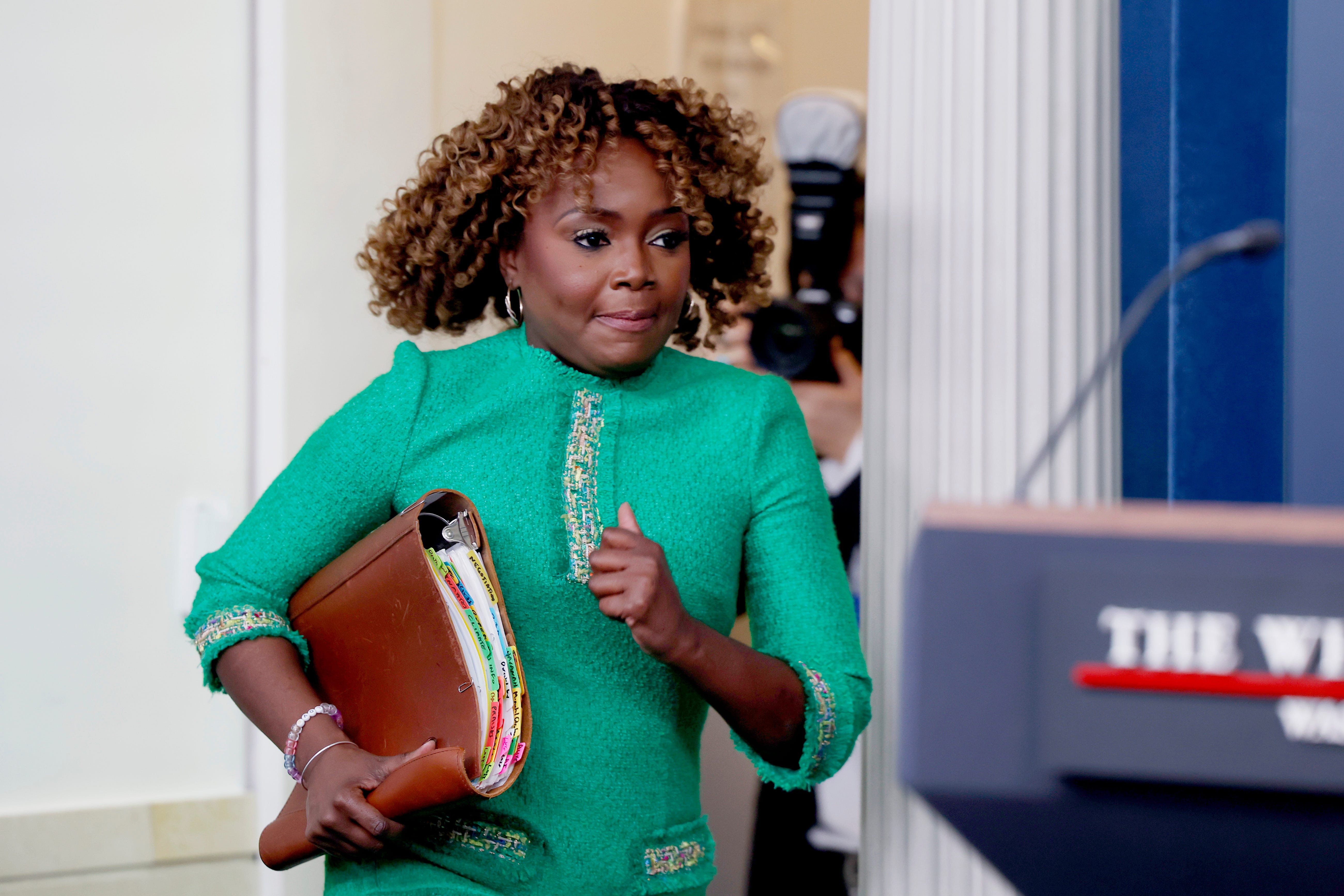
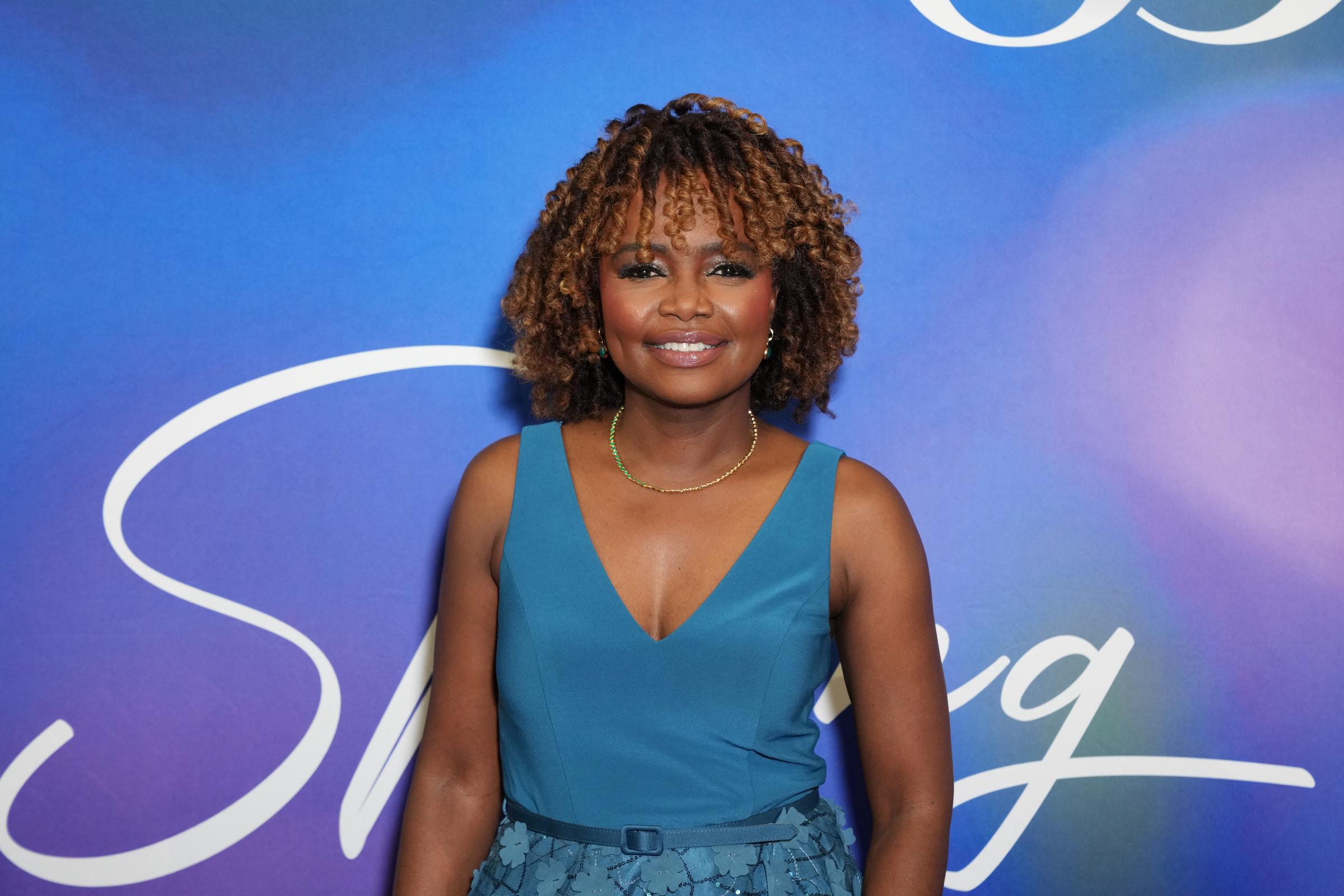
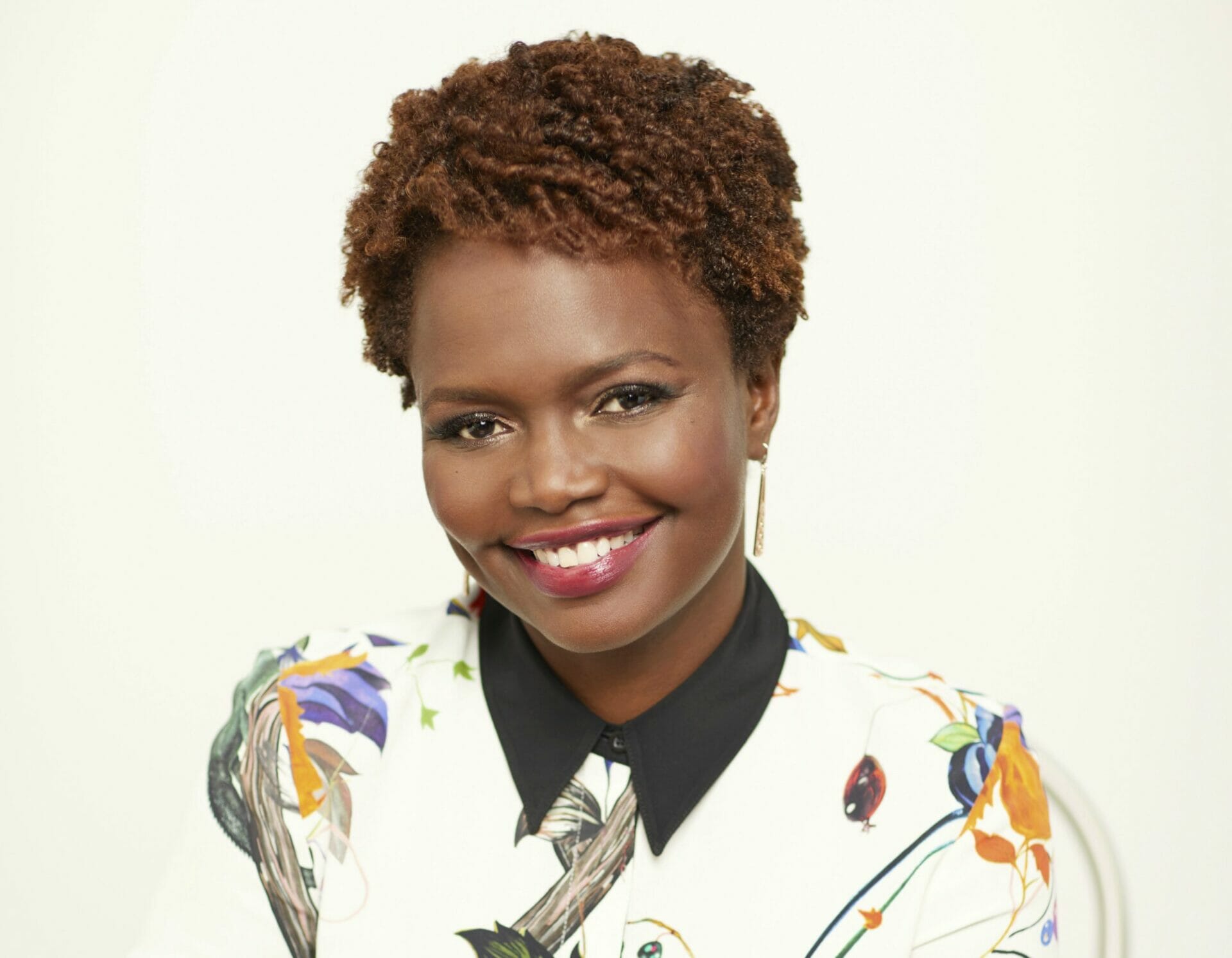
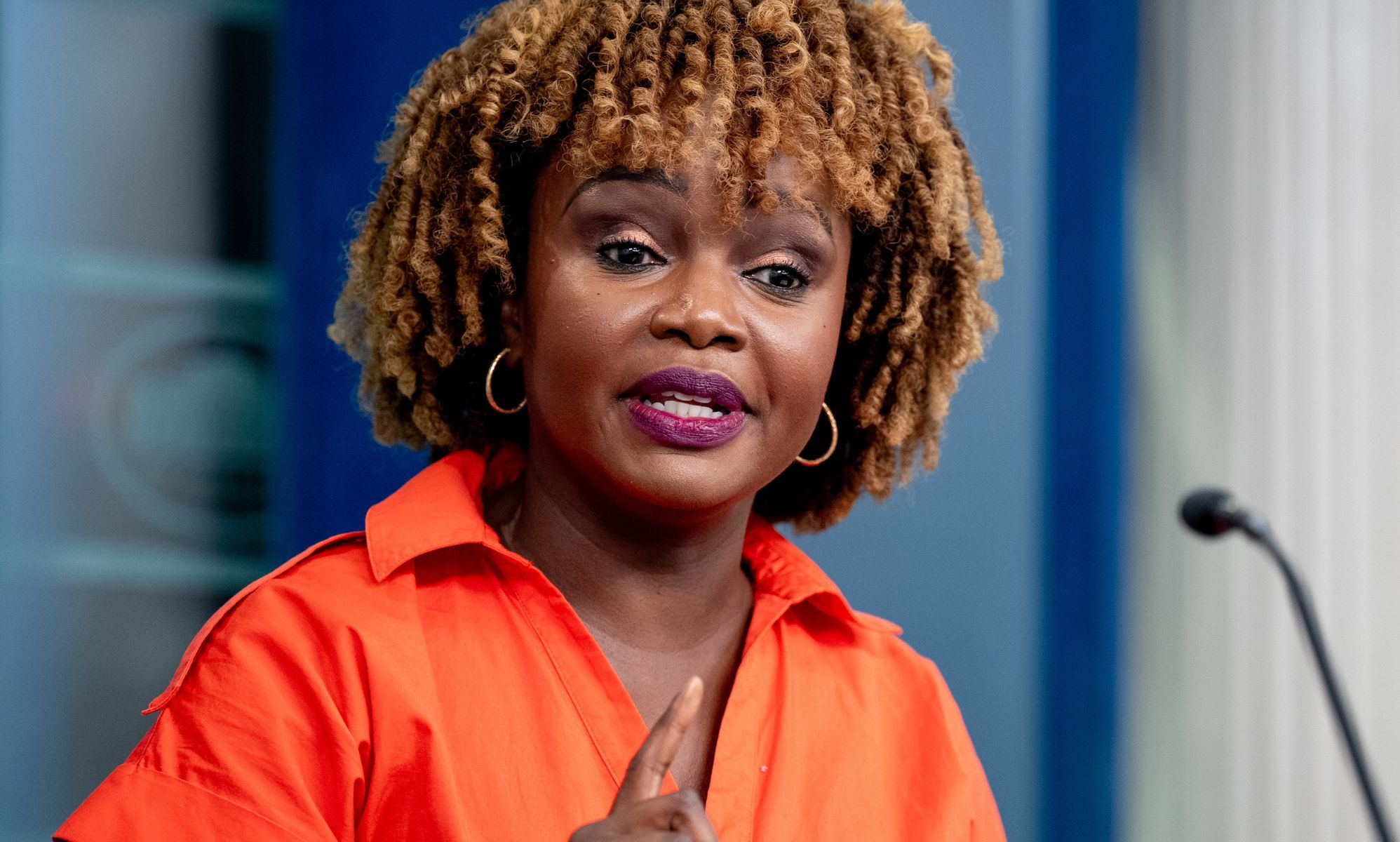
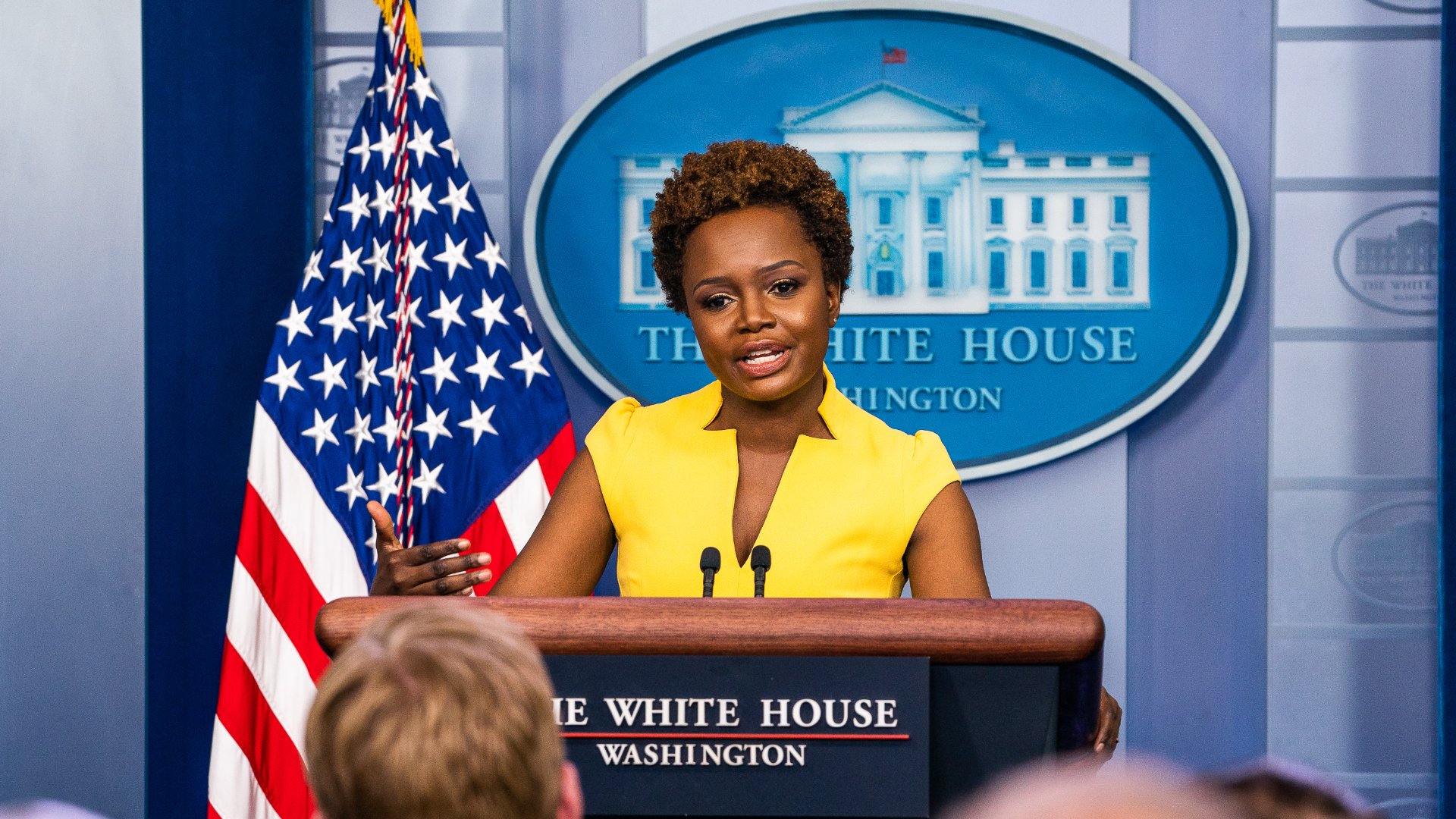
Karine Jean-Pierre was born in Fort-de-France, Martinique, an overseas department of France located in the Caribbean. Born on August 13, 1974, to Haitian immigrant parents, she moved to the United States at the age of five and was raised in the Queens Village neighborhood of New York City.
Understanding the origins of Karine Jean-Pierre requires looking beyond a simple geographical coordinate. Her birthplace in Martinique and her subsequent upbringing in a vibrant immigrant community in New York played a pivotal role in shaping her identity as a trailblazing political strategist and the first Black, immigrant, and openly LGBTQ+ person to serve as the White House Press Secretary.
The Geographic and Cultural Origins in Martinique
To answer the question of where Karine Jean-Pierre was born, one must look at the specific political and cultural status of Fort-de-France, Martinique. Martinique is not an independent nation but an integral part of the French Republic. As an overseas department (département d'outre-mer), those born on the island are French citizens by birth.
Jean-Pierre’s parents were part of the Haitian diaspora. They fled Haiti to escape the repressive regime of Jean-Claude "Baby Doc" Duvalier, seeking a more stable life in Martinique before eventually migrating to the United States. This "double migration"—from Haiti to a French territory and then to the U.S.—is a common narrative among Caribbean families seeking economic opportunity and political safety during the mid-to-late 20th century.
Because she was born in a French territory to Haitian parents, Jean-Pierre grew up in a household where French and Haitian Creole were spoken. This multilingual and multicultural foundation provided her with a global perspective that would later inform her work in international relations and domestic policy. Her birthplace represents a intersection of Caribbean history, French colonialism, and the broader Black Atlantic experience.
From Martinique to New York: The Early Immigrant Experience
While Martinique was her place of birth, the United States is where Jean-Pierre’s formative years took place. In 1979, at the age of five, she arrived in the United States. Her family settled in Queens, New York, specifically in the Village of Hempstead and Queens Village. These neighborhoods have long served as hubs for Caribbean immigrants, providing a supportive community for newcomers.
The transition from a Caribbean island to the urban landscape of New York City was a defining period for the Jean-Pierre family. Like many immigrant families, they faced the challenges of language barriers, economic pressures, and the push for upward mobility. Her father worked as a taxi driver, often logging grueling hours, while her mother worked as a home health aide.
In her memoir, Moving Forward, Jean-Pierre describes the immense pressure placed on her as the eldest child. In many immigrant households, the eldest child acts as a bridge between the old world and the new, often tasked with navigating bureaucracy, translating for parents, and setting an academic example for younger siblings. This environment fostered the discipline and resilience that would eventually propel her to the highest levels of American government.
Family Background and the Haitian Diaspora
The context of her birth is inextricably linked to the history of Haiti. Her parents’ decision to leave Haiti was not merely a choice for better scenery; it was a survival mechanism. The Haitian diaspora in the 1970s was characterized by a flight of professionals and working-class families seeking to escape political violence and systemic poverty.
Jean-Pierre has frequently cited her parents’ work ethic as her primary motivation. Her father, despite having an education, drove a taxi in New York to ensure his children could attend college. Her mother’s work in healthcare highlighted the essential yet often undervalued labor performed by immigrant women in the American economy.
Growing up in Queens allowed Jean-Pierre to remain connected to her Haitian roots through food, music, and community gatherings. This heritage remains a point of pride. During her tenure at the White House, she has occasionally referenced her Haitian background to highlight the diversity of the American experience, particularly during discussions regarding immigration policy and Caribbean relations.
Academic Path: Shaping a Political Strategist
The journey from a five-year-old immigrant from Martinique to a White House official was paved with rigorous academic achievement. Jean-Pierre attended Kellenberg Memorial High School on Long Island before pursuing higher education in New York.
Undergraduate Studies at Adelphi University
She attended Adelphi University, where she earned her Bachelor of Science in 1997. It was during her undergraduate years that her interest in public service began to crystallize. Initially considering a career in medicine to satisfy traditional immigrant expectations, she eventually realized her passion lay in social change and policy.
Graduate Education at Columbia University
The most significant turning point in her academic career was her enrollment at Columbia University’s School of International and Public Affairs (SIPA). She earned her Master of Public Administration (MPA) in 2003. At Columbia, she was mentored by figures like David Dinkins, the first Black mayor of New York City. This education provided the technical framework for her political career, moving her from grassroots activism into the world of professional political strategy.
| Key Milestone | Year | Location / Institution |
|---|---|---|
| Birth | 1974 | Fort-de-France, Martinique |
| Immigration to U.S. | 1979 | New York City, NY |
| Undergraduate Degree | 1997 | Adelphi University (B.S.) |
| Graduate Degree | 2003 | Columbia University (MPA) |
| Obama Admin Role | 2009 | Regional Political Director |
| MoveOn.org Spokesperson | 2016 | National Spokesperson |
| WH Press Secretary | 2022 | Washington, D.C. |
Breaking Barriers: The Significance of Her Birthplace in US Politics
The fact that Karine Jean-Pierre was born in Martinique adds a layer of historical significance to her role as White House Press Secretary. She is the first person in this position who was not born in the United States or a U.S. territory (since Martinique is a French department).
Her appointment by President Joe Biden in 2022 was seen as a symbolic victory for several communities:
- The Immigrant Community: Her presence at the podium reinforces the idea that the "American Dream" is accessible to those who arrive as young children and work through the system.
- The Black Diaspora: Being of Haitian descent and born in Martinique, she represents the global nature of Black identity, bridging the gap between African Americans and Caribbean immigrants.
- The LGBTQ+ Community: As an openly gay woman, her birthplace and background further emphasize the intersectionality of modern American leadership.
Jean-Pierre has often remarked that she is "everything that Donald Trump hates," referring to her identity as a Black, immigrant, lesbian woman. This framing highlights how her origins have become a focal point of her political persona, representing a stark contrast to more traditional or exclusionary views of American citizenship.
Citizenship and Legal Standing for Public Office
Because Karine Jean-Pierre was born in Martinique (France), some have asked about her citizenship and eligibility for high-level government roles. Under U.S. law, the requirement to be a "natural-born citizen" only applies to the Presidency and Vice Presidency (Article II of the Constitution).
For Cabinet positions and high-level staff roles like Press Secretary, the requirement is generally that the individual be a U.S. citizen. Jean-Pierre is a naturalized U.S. citizen, having gone through the legal process after moving to the country as a child. Her French citizenship by birth and her naturalized American citizenship reflect the dual-identity common to many high-achieving immigrants in the U.S. government.
Her background has occasionally been a topic of discussion in the context of foreign policy, particularly concerning the Caribbean. Her deep understanding of the region's nuances—from the political instability in Haiti to the status of French territories—provides the administration with a spokesperson who has an organic connection to the geography she discusses.
Frequently Asked Questions
Is Karine Jean-Pierre a U.S. citizen?
Yes, Karine Jean-Pierre is a naturalized U.S. citizen. Although she was born in Martinique, she immigrated to the United States at age five and obtained her citizenship later through the standard legal processes. She has lived in the United States for over 40 years.
What is Karine Jean-Pierre's ethnicity?
Karine Jean-Pierre is of Haitian descent. Her parents were both born in Haiti but moved to Martinique before her birth to escape political turmoil. In the United States, she is identified as Black and is a prominent figure in the Haitian-American community.
Can someone born outside the U.S. be Press Secretary?
Yes. There are no constitutional requirements stating that the White House Press Secretary must be born in the United States. The "natural-born citizen" requirement is specific to the President and Vice President. As long as a person is a U.S. citizen and can obtain the necessary security clearances, they are eligible for the role.
Does Karine Jean-Pierre speak French?
Yes, Karine Jean-Pierre is fluent in French and Haitian Creole. These were the primary languages spoken in her household during her childhood in Martinique and later in New York. Her linguistic skills have been highlighted as an asset in her diplomatic and communication roles.
Where did Karine Jean-Pierre grow up?
She primarily grew up in the Queens Village neighborhood of Queens, New York. She also spent part of her childhood in the Village of Hempstead on Long Island. Her upbringing in these diverse, immigrant-heavy areas significantly influenced her political outlook and career path.
Understanding the Impact of Her Narrative
The story of Karine Jean-Pierre's birth in Fort-de-France, Martinique, and her rise to the White House podium serves as a modern case study in American social mobility. For researchers and students of political science, her background is a reminder of the evolving face of American governance in 2026.
If you are following her career or researching the history of the White House Press Office, it is essential to view her birthplace not just as a trivia fact, but as a catalyst for her advocacy. Her experiences as an immigrant from the Caribbean have directly informed her work on voting rights, immigration reform, and civil rights. To truly understand her political contributions, one must acknowledge the island of Martinique as the starting point of a journey that eventually led to the most famous briefing room in the world.