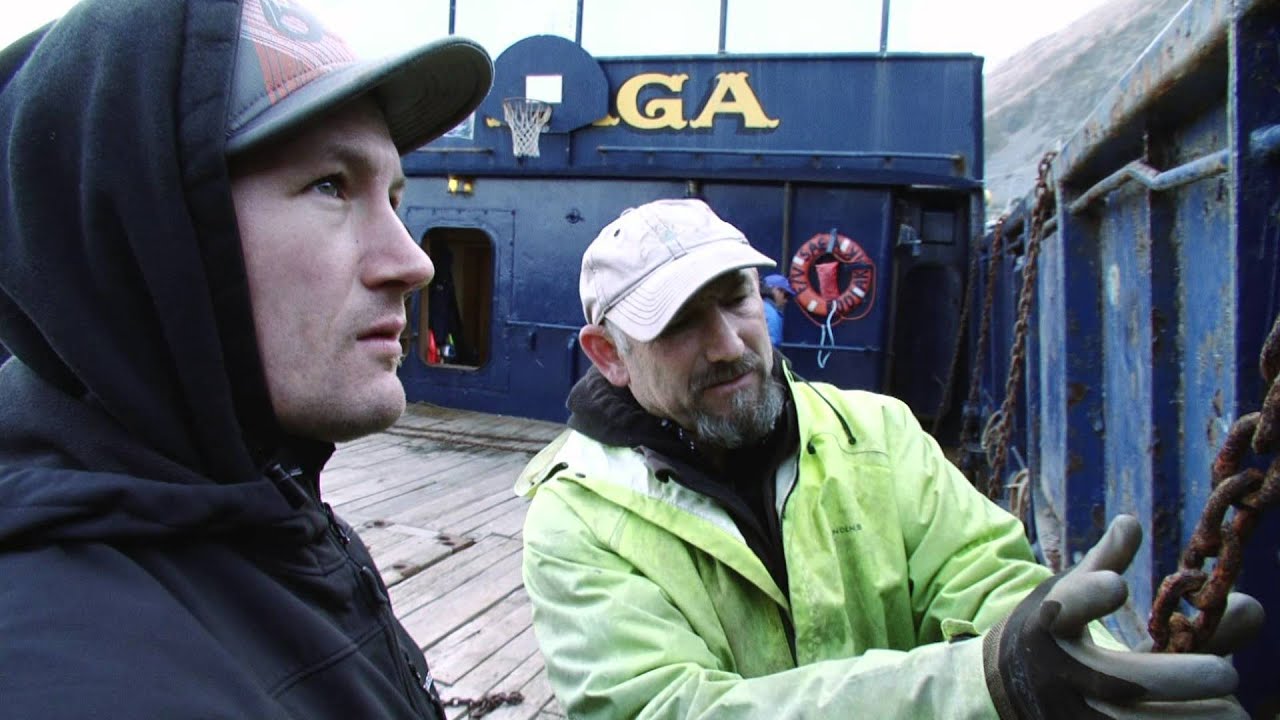
Justin Tennison was a dedicated deckhand featured on the Discovery Channel series Deadliest Catch, serving primarily aboard the F/V Time Bandit. His career was defined by the grueling physical demands of Alaskan crab fishing, and his legacy remains tied to his contributions to the fleet's operations, the camaraderie he built with the Hillstrand brothers, and the sudden, tragic end to his life in 2011.
The Professional Context of Bering Sea Crab Fishing
The Bering Sea remains one of the most perilous commercial fishing grounds in the world. For individuals like Justin Tennison, the profession was not merely a job but a high-stakes endurance test. Commercial crab fishing in this region is governed by the Alaska Department of Fish and Game, which manages the seasonal quotas for species such as Opilio (snow) and King crab.
Working as a deckhand on a vessel like the Time Bandit requires a specific set of technical skills. The role involves heavy manual labor, often performed in sub-zero temperatures with extreme wind chills. Deckhands are responsible for baiting and setting hundreds of heavy steel pots, hauling them back to the surface using complex hydraulic systems, and sorting the catch according to size and sex requirements. The financial viability of this industry relies on the “share” system, where crew members receive a percentage of the vessel's net profit rather than a static hourly wage.
Justin Tennison’s Tenure Aboard the Time Bandit
Justin Tennison joined the crew of the F/V Time Bandit, captained by Johnathan and Andy Hillstrand, during the series' later seasons. His presence on the boat was marked by a blend of technical competence and a willingness to handle the demanding tasks required during the short, intensive fishing seasons. In the context of Deadliest Catch, the Time Bandit was often portrayed as a high-performing vessel with a tight-knit crew.
Tennison integrated into this environment during a period when the show’s production was highlighting the interpersonal dynamics of the crews as much as the fishing itself. His colleagues noted his work ethic, and his appearances on the show provided viewers with a glimpse into the life of a deckhand who lived in Homer, Alaska. While he was not a permanent fixture for the entirety of the show's long history, his time on the Time Bandit became a recognized chapter in the vessel's operational narrative.
Understanding Career Earnings in the Bering Sea
Public curiosity regarding the earnings of Deadliest Catch cast members often conflates base salary with the reality of professional fishing compensation. It is vital to distinguish between two distinct streams of income: television appearance fees and commercial fishing shares.
Commercial Fishing Compensation
In the Bering Sea, deckhands are compensated based on a crew share system. After the vessel owner deducts operating expenses—such as fuel, bait, gear maintenance, and food—the remaining profit is divided among the crew. Consequently, an individual’s earnings are volatile and dependent on:
- Total Catch Volume: The success of the season based on the quota.
- Market Price: The fluctuating price per pound for king or snow crab.
- Vessel Expenses: The higher the operational overhead, the smaller the net profit pool.
- Experience Level: Senior deckhands or those with specific technical roles often negotiate a higher percentage share.
Because these figures are private, there is no public record of Justin Tennison’s specific earnings from his time at sea. Claims regarding “career earnings” for individual deckhands are often speculative estimations by media outlets and do not reflect official payroll or corporate records.
Television Production Fees
The transition from a deckhand to a television personality creates a secondary, albeit separate, income source. Participants in reality series like Deadliest Catch are typically compensated by the production company for their time spent on camera and for the rights to use their likeness. These fees are governed by private contractual agreements and are entirely separate from the risks and rewards associated with the actual harvest of shellfish.
Comparison of Career Factors in Bering Sea Fishing
| Factor | Description | Impact on Earnings |
|---|---|---|
| Share System | Percentage-based pay after expenses | High volatility based on catch success |
| Quota Limits | Government-mandated catch restrictions | Determines the absolute ceiling of income |
| Season Duration | Brief, high-intensity windows | High hourly effort, low annual consistency |
| Production Fees | Payments for on-camera appearance | Provides stability regardless of catch yield |
Legacy and Remembrance
Justin Tennison’s legacy is preserved both through the archives of Deadliest Catch and the impact he had on his local community in Homer, Alaska. In February 2011, at the age of 33, Tennison passed away. His death was officially attributed to complications from sleep apnea, a condition that the coroner noted as the primary cause of his passing.
The death of a crew member has a profound effect on the close-knit community of Bering Sea fishermen. In the seasons following his passing, the production team honored his memory, acknowledging his contributions to the Time Bandit crew. For the fans of the series, his legacy serves as a reminder of the human cost associated with the industry. The portrayal of these men on television often emphasizes their resilience, but the loss of a colleague highlights the reality of the risks involved in commercial fishing.
Frequently Asked Questions
What was Justin Tennison’s primary role on the Time Bandit?
Justin Tennison worked as a deckhand. His primary responsibilities included the physical maintenance of crab pots, sorting the catch on the deck, and assisting with the deployment and retrieval of gear in the harsh conditions of the Bering Sea.
How are deckhands on Deadliest Catch paid?
Deckhands are paid through a share of the vessel’s profits. Once the boat returns to port and the catch is sold, expenses such as fuel, bait, and food are subtracted. The remaining amount is split among the crew according to their pre-negotiated percentage shares.
Did Justin Tennison own the F/V Time Bandit?
No, Justin Tennison was a crew member. The F/V Time Bandit is famously owned and operated by the Hillstrand family, specifically brothers Johnathan, Andy, and Neal Hillstrand.
Why is there limited public information on his exact earnings?
Individual earnings in commercial fishing are considered private business data. Because deckhands are independent contractors or share-based employees, there are no public tax or salary records that disclose their specific income from fishing operations.
How did the show address his passing?
The show acknowledged the loss in a dedicated segment during the season following his death. The producers and the Hillstrand family paid tribute to his work ethic and his place as a valued member of their crew, respecting the privacy of his family while marking his absence from the vessel.
Next Steps for Researching Commercial Fishing
For those interested in the realities of the Bering Sea crab industry beyond the television lens, it is recommended to consult official government resources. The Alaska Department of Fish and Game provides comprehensive reports on the status of crab stocks, annual total allowable catch (TAC) limits, and the regulatory framework that dictates how seasons are conducted. Understanding these regulations provides a more accurate picture of the economic pressures that the crews face annually. Additionally, maritime industry publications offer in-depth analysis of the equipment, vessel safety requirements, and the evolution of the crab industry, providing a technical perspective that balances the entertainment value of reality television with the professional demands of the maritime sector.