The Justice Courts in Tucson, Arizona, are the primary venues for handling civil lawsuits involving smaller monetary claims, landlord-tenant disputes, and various traffic or minor criminal offenses. Residents often confuse these with the Superior Court; however, the Pima County Justice Courts operate under specific jurisdictional limits and localized procedural rules that remain critical for litigants to understand as of 2026.
Jurisdictional Limits and Case Types Handled in 2026
The Pima County Justice Court system is designed to provide an accessible forum for resolving legal disputes that do not reach the threshold of the Superior Court. For the 2026 fiscal year, the financial jurisdictional limit for civil lawsuits in Justice Court remains capped at $10,000. Understanding what falls under this purview is the first step in ensuring your filing is directed to the correct judicial body.
The court handles a broad spectrum of cases including:
- Small Claims: Actions involving amounts up to $3,500 where attorneys are typically not involved, allowing for a simplified, expedited process.
- Civil Lawsuits: Disputes ranging from contract breaches to property damage where the claim amount exceeds $3,500 but remains under the $10,000 threshold.
- Eviction Actions: Formal forcible detainer actions filed by landlords against tenants for non-payment or lease violations.
- Traffic Citations: Processing of civil traffic violations issued by the Pima County Sheriff’s Department or the Arizona Department of Public Safety within the jurisdiction.
- Orders of Protection and Injunctions against Harassment: Petitions filed by individuals seeking legal intervention to prevent contact from specific parties.
Operational Standards and Courtroom Protocol
When entering the Pima County Justice Court facilities in 2026, visitors must adhere to strict security and administrative protocols. The court operates with a focus on efficiency, and failing to meet procedural deadlines or appearance requirements can result in default judgments or case dismissals.
Essential Courthouse Rules
Prohibited Items and Security
Weapons of any kind are strictly forbidden inside the courthouse, including pocket knives, pepper spray, or tools. You will undergo security screening similar to airport protocols. Electronic devices must be silenced or powered off before entering the courtroom. Recording devices, including cameras and voice recorders, are prohibited unless prior authorization is granted by the presiding judge for specific legal documentation purposes.
Filing and Documentation Requirements
Electronic filing (E-filing) is the preferred method for 2026. Attorneys are generally required to use the portal for all submissions, while pro se litigants (individuals representing themselves) are encouraged to utilize the online system to reduce processing times. If you are submitting paper documents, ensure they are formatted according to the Arizona Rules of Civil Procedure for Justice Courts.
Comparison of Legal Forums in Pima County
Choosing the correct venue is essential to avoid jurisdictional dismissal. The following table illustrates the primary differences between the Justice Court and the Superior Court of Arizona in Pima County for 2026.
| Feature | Justice Court | Superior Court |
|---|---|---|
| Civil Claim Limit | Up to $10,000 | Over $10,000 |
| Case Complexity | Simplified Procedures | Complex / Formal Rules |
| Legal Representation | Optional (Pro Se common) | Highly Recommended / Complex |
| Typical Case Types | Small Claims, Eviction, Traffic | Felony, Family Law, High-Value Civil |
| Jury Trial Availability | Yes (Limited) | Yes (Extensive) |
Procedural Workflow for Pro Se Litigants
If you are navigating the system without legal counsel, the court expects you to act with the same level of compliance as a licensed attorney. Follow this logical sequence to manage your case effectively in 2026:
- Verification: Confirm that your dispute falls within the $10,000 limit and that the incident occurred within the Justice Court’s geographic precinct.
- Summons and Complaint: File the necessary forms and ensure the defendant is properly served via a licensed process server or certified mail.
- Discovery: Exchange evidence and witness lists as requested. In Justice Court, this process is condensed; ensure your evidence is organized and admissible.
- Mediation: In many landlord-tenant or civil cases, the court will require or strongly suggest mediation to resolve the dispute before a formal trial date is set.
- Trial Presentation: If mediation fails, you will present your case to the Justice of the Peace. Prepare a concise narrative, organize physical evidence, and arrive at least 30 minutes before your scheduled start time.
Frequently Asked Questions
Can I appeal a decision made in the Pima County Justice Court? Yes, you may appeal a final judgment to the Superior Court, provided the notice of appeal is filed within the statutory timeframe, usually 14 calendar days from the date of the entry of judgment.
What is the difference between a Small Claims case and a standard civil case in Justice Court? Small Claims are limited to $3,500 and are designed for individuals without legal representation; the rules of evidence are relaxed, and the process is intentionally less formal. Standard civil cases up to $10,000 follow more rigorous rules of civil procedure.
Do I need an attorney to appear in Justice Court? While you are not required to have an attorney, legal counsel is highly recommended for complex civil disputes or cases involving significant property interests. Pro se litigants are held to the same standards as attorneys regarding court rules and deadlines.
How do I pay a traffic fine online? The Pima County Justice Court utilizes an online portal for ticket payments. You will need your citation number and date of birth to access the system and determine if your violation is eligible for a defensive driving program.
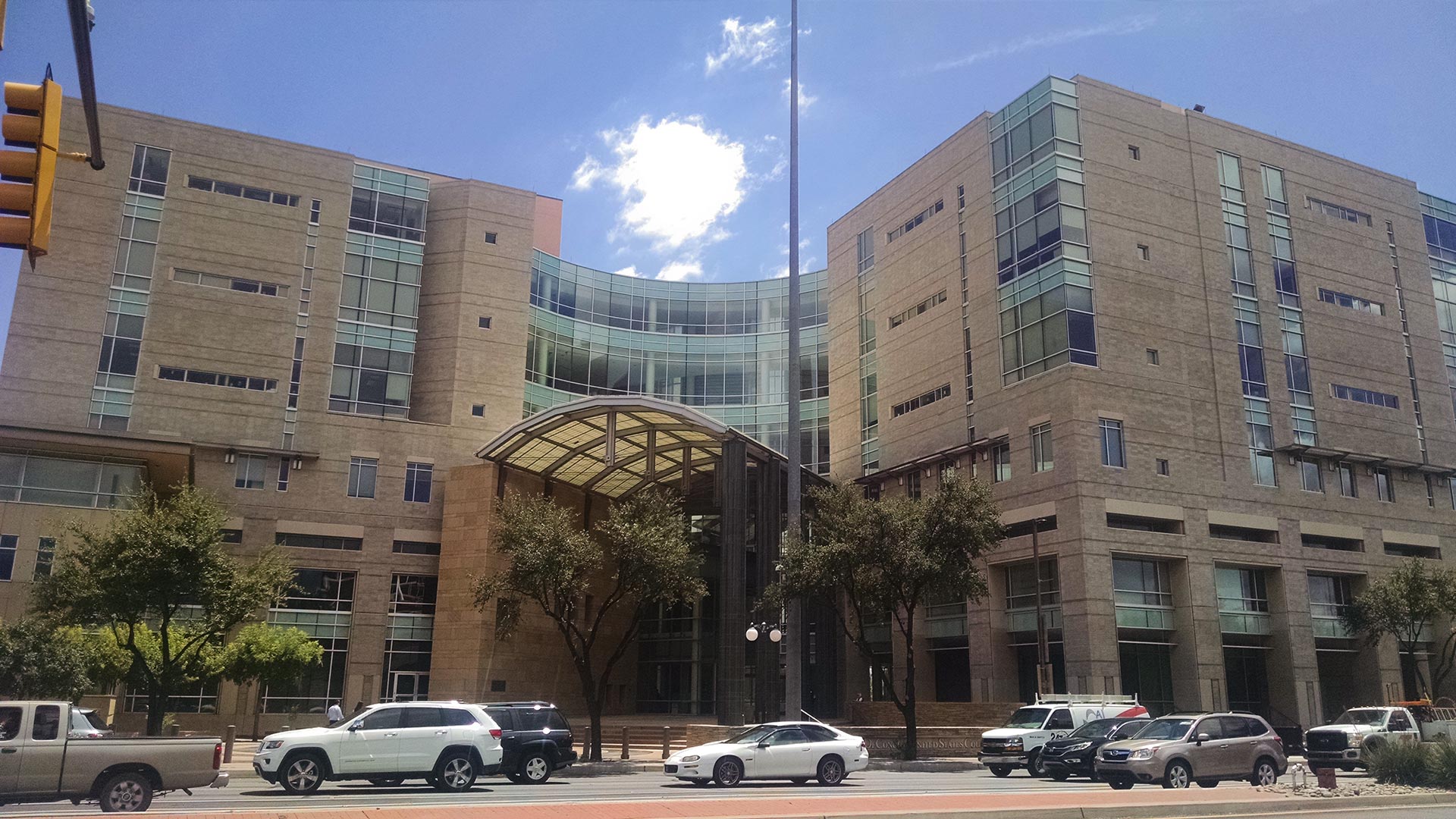
Where is the main Justice Court facility located? The Pima County Public Service Center, which houses various court offices, is located in downtown Tucson. Always verify the specific precinct number on your paperwork, as Pima County is divided into multiple justice precincts.
Expert Insight for 2026 Filings
As a strategy for 2026, ensure that all digital evidence—such as screenshots of communication, logs, or bank records—is printed and indexed. Courts often do not permit the tethering of personal devices to courthouse networks to display evidence. Furthermore, always keep a secondary hard copy of every document you submit to the clerk. Should a dispute arise regarding a filing date or a missing exhibit, having a file-stamped copy is the only way to protect your position. If you are involved in a high-stakes civil matter, consult with a local attorney who maintains an active practice within the Pima County precinct to ensure your filings meet the latest 2026 standards of the local bench.