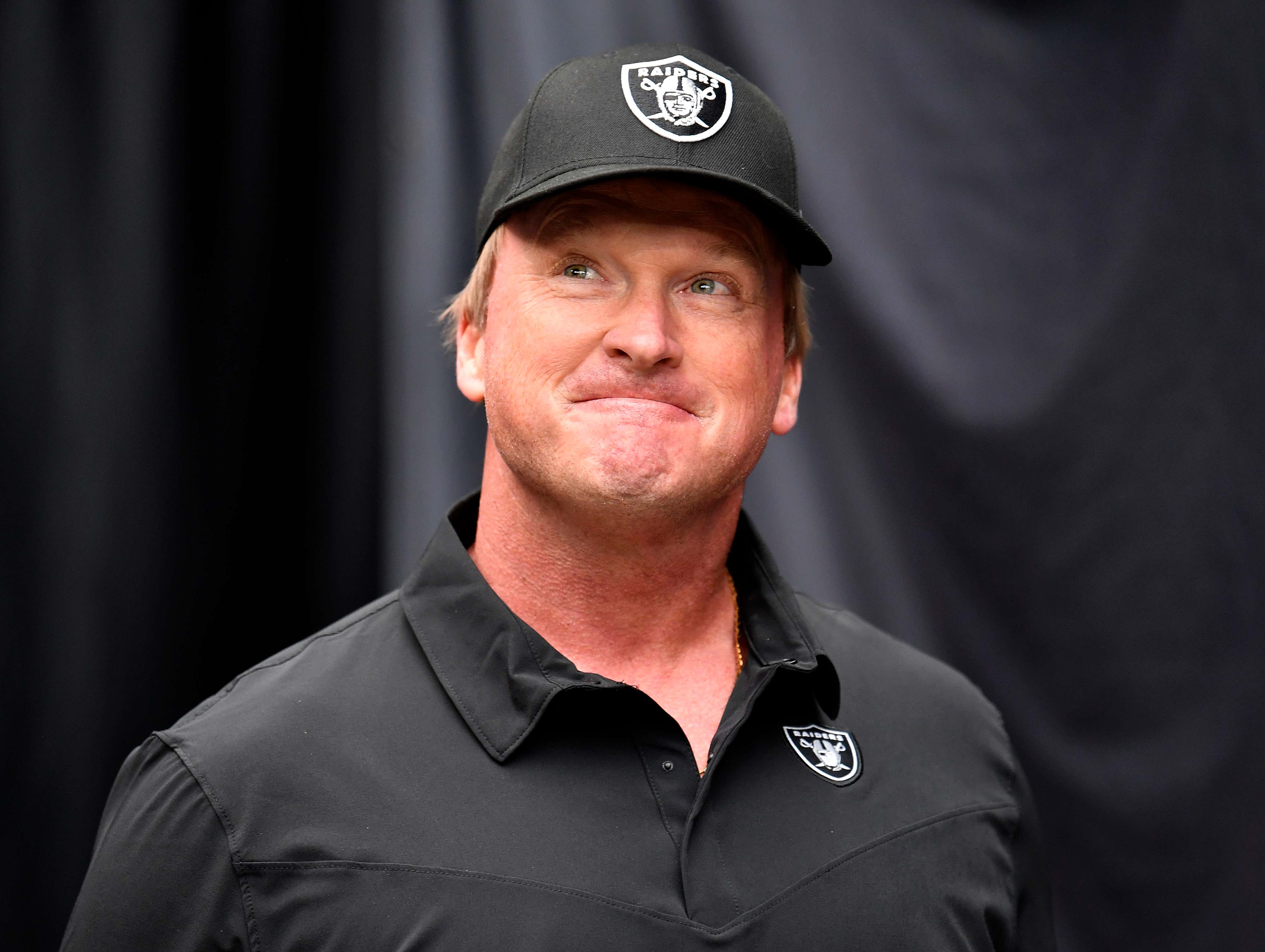
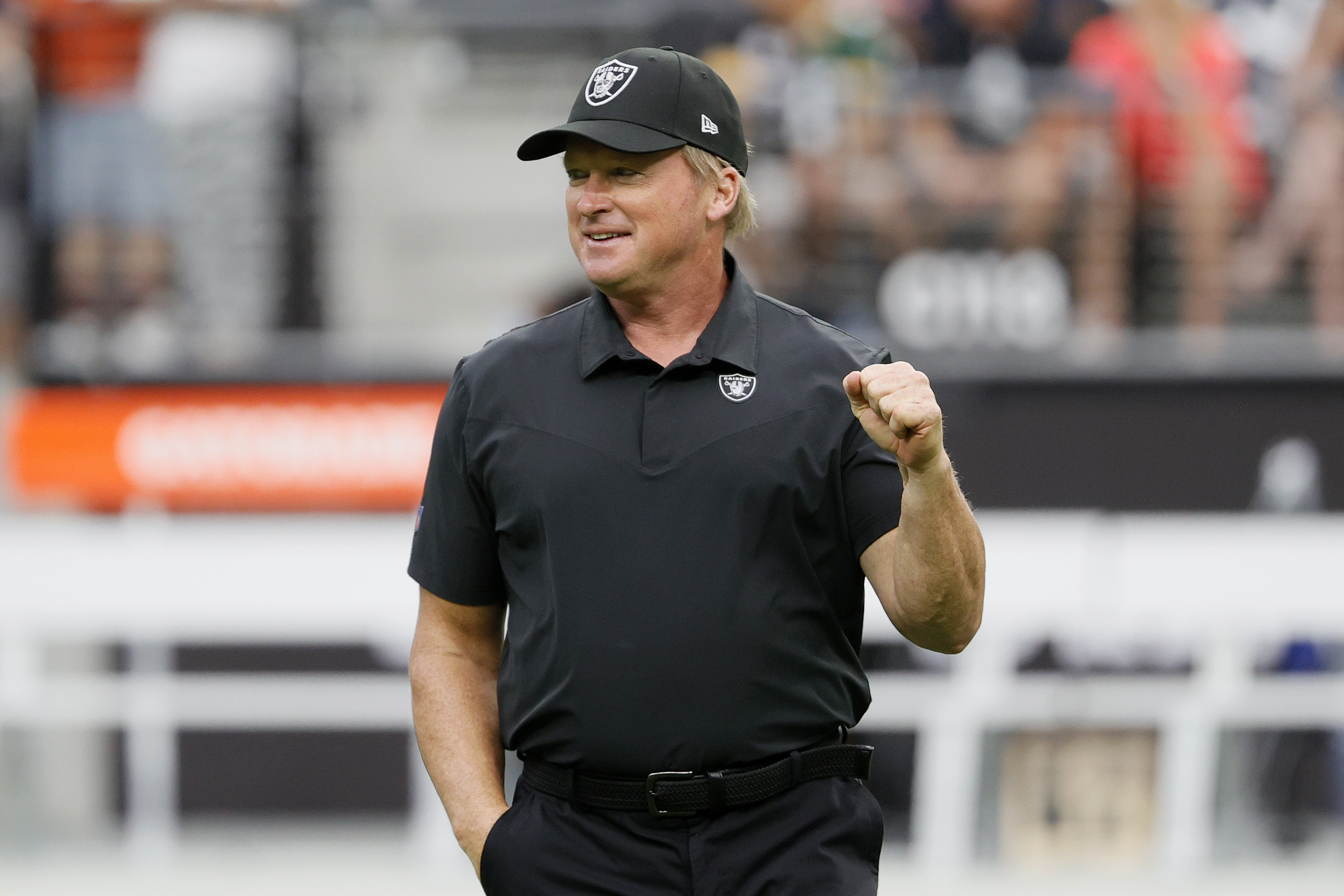
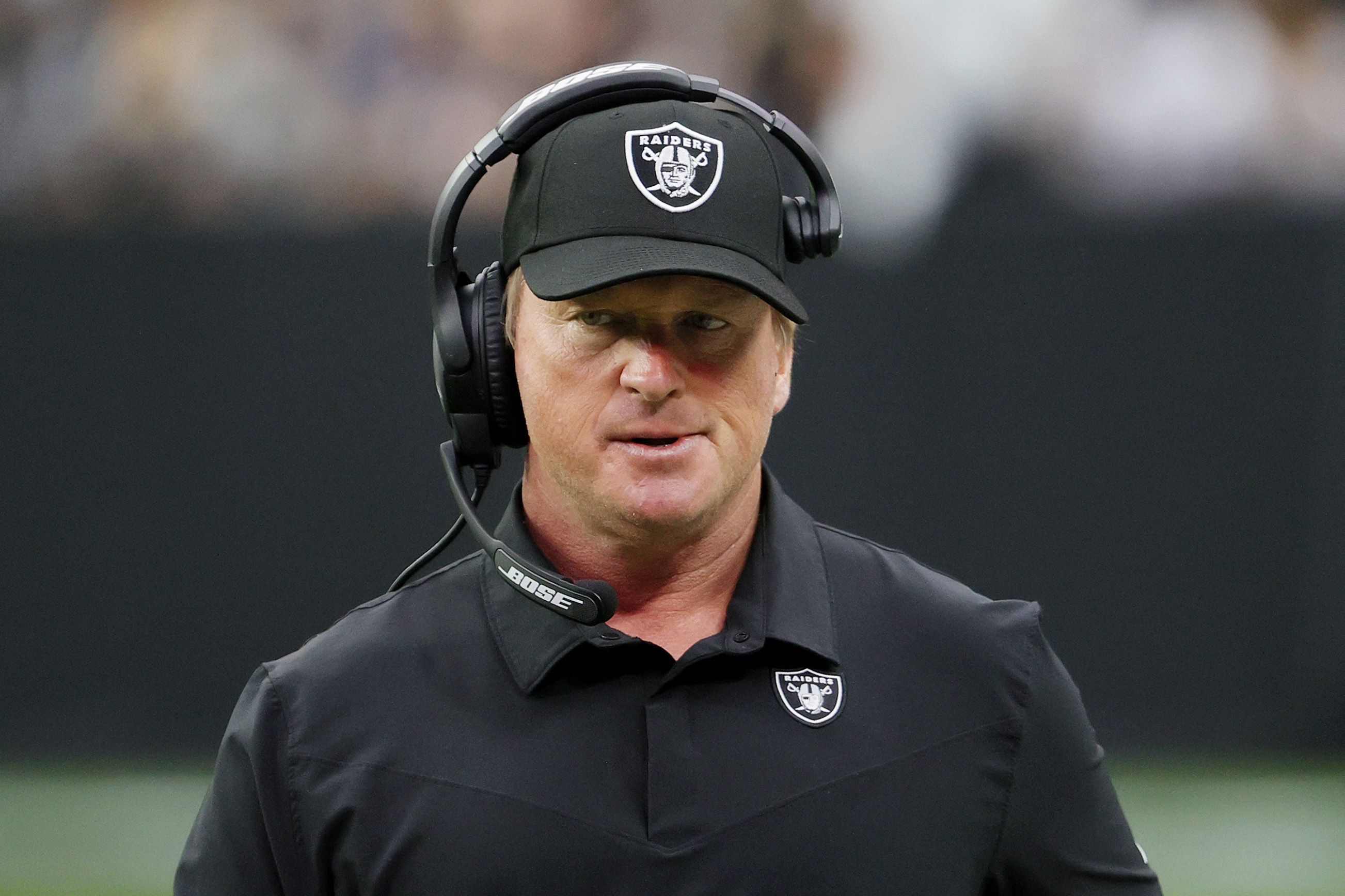
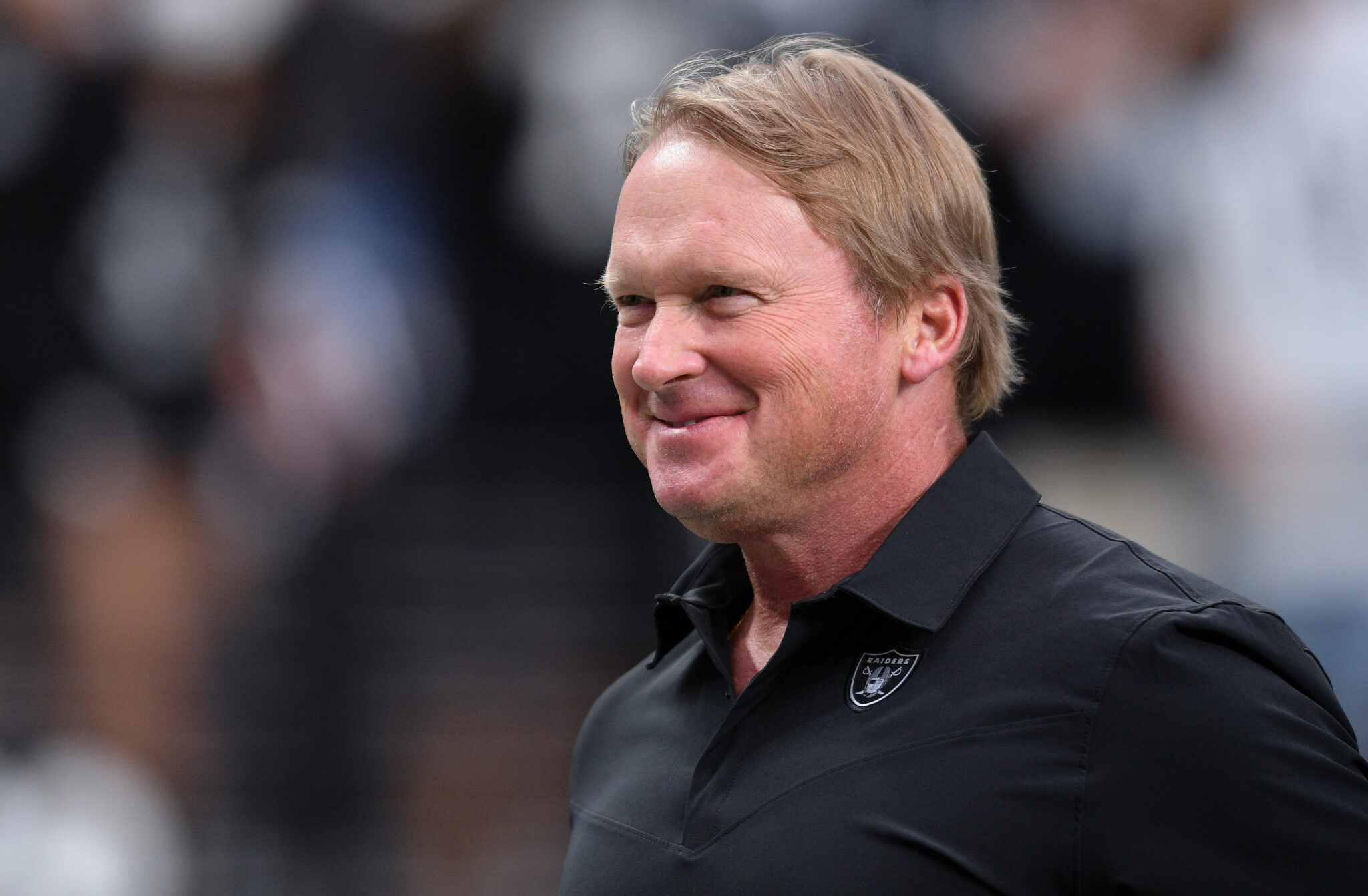
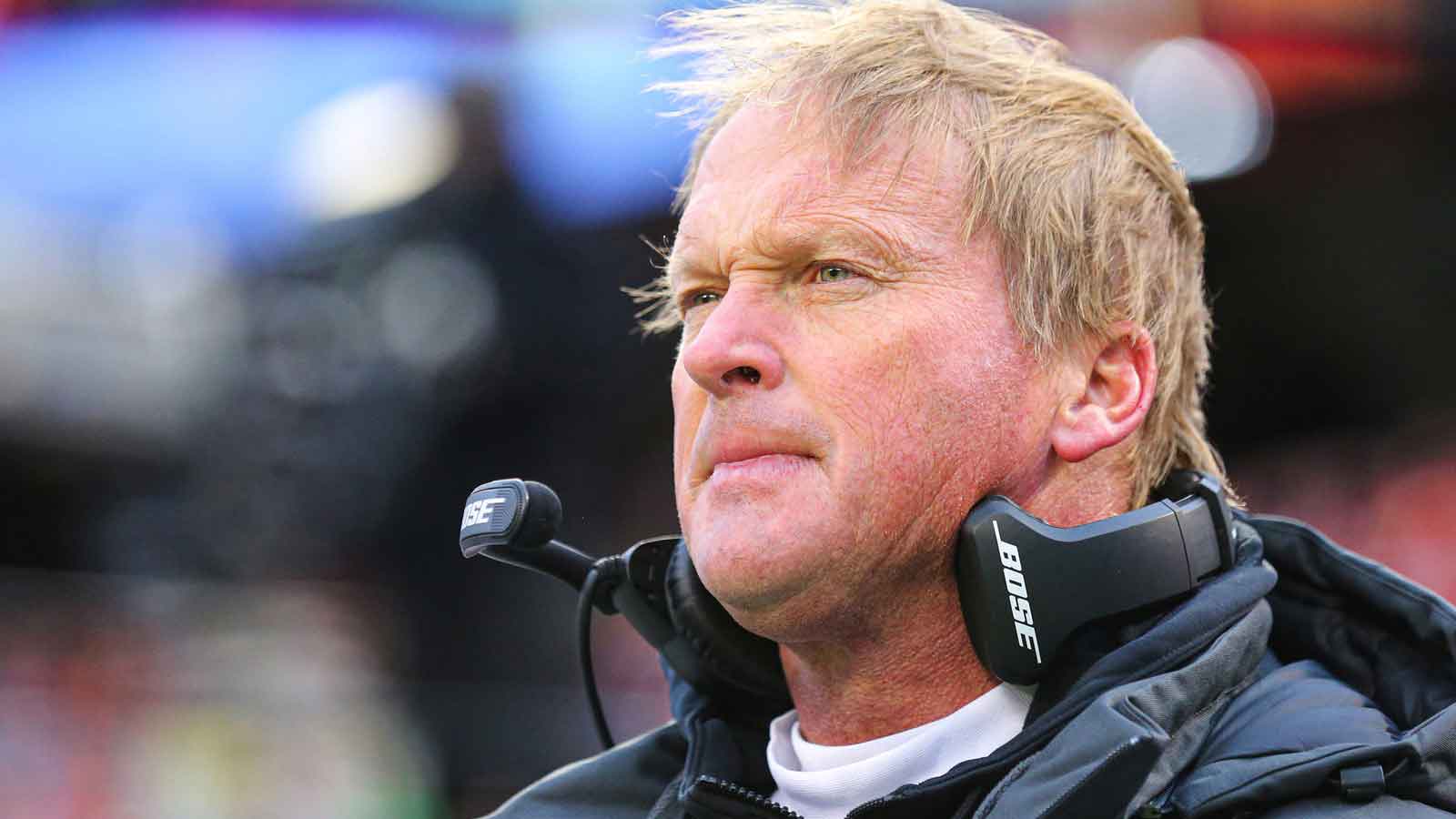
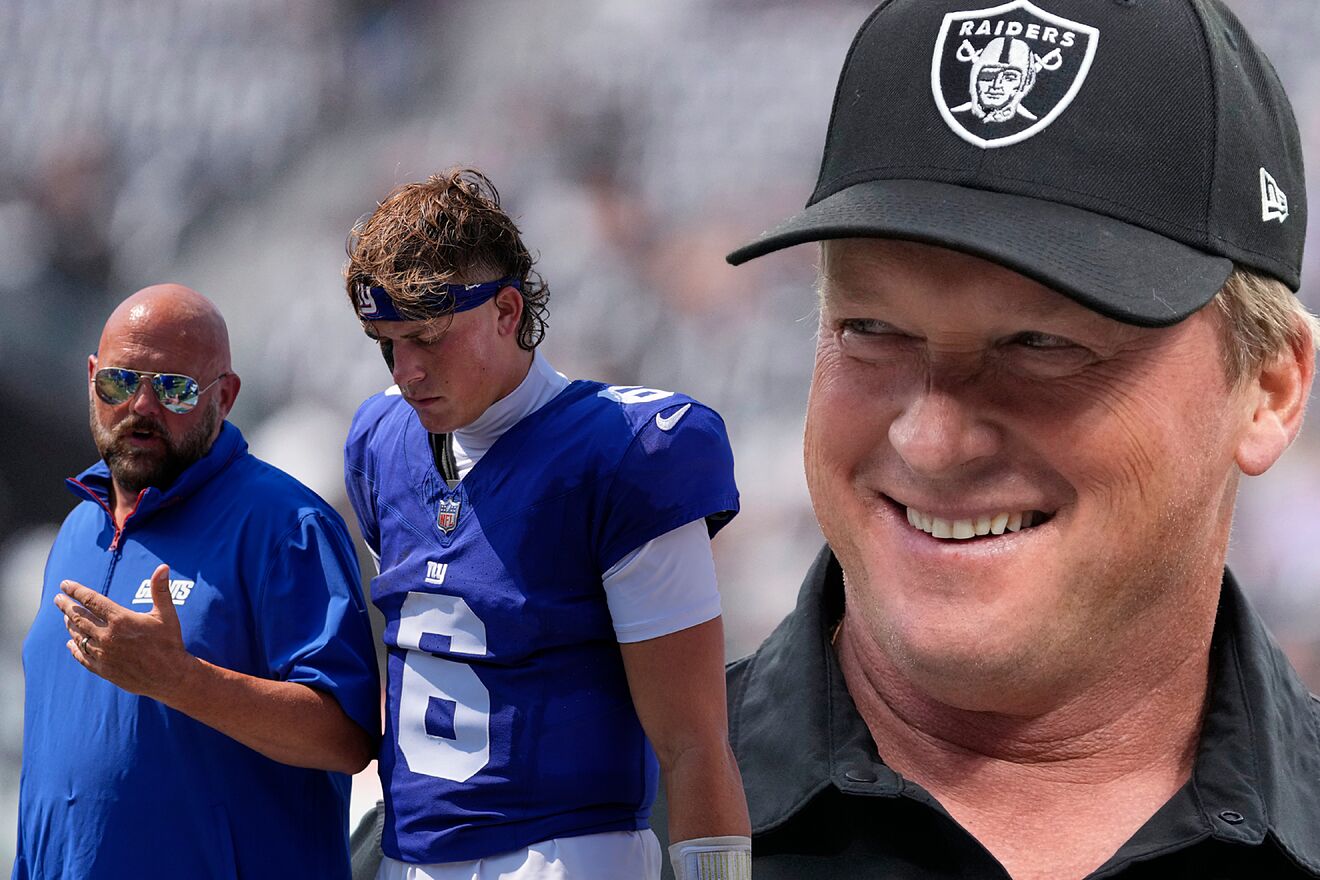
Jon Gruden is a prominent American football coach and television personality recognized for his high-energy, intensity-driven leadership style. Over a multi-decade career, he achieved significant success in the National Football League (NFL), including a Super Bowl championship with the Tampa Bay Buccaneers in 2003, followed by a transition into broadcasting and a later, controversial tenure returning to coaching.
The Rise and Tactical Philosophy of Jon Gruden
Jon Gruden entered the NFL coaching circuit with a reputation as an offensive innovator. His tactical philosophy was rooted in the "West Coast Offense," a system emphasizing short, precise passing routes designed to neutralize pass rushes and maintain ball control. Unlike many of his contemporaries during the 1990s, Gruden was known for his obsessive attention to detail, specifically regarding quarterback mechanics and situational play-calling.
His early career path included stints as an offensive coordinator before he earned his first head coaching role with the Oakland Raiders in 1998. During this initial tenure, Gruden transformed the Raiders from a struggling franchise into a disciplined, playoff-contending team. His ability to develop young talent and maximize the output of veteran players became the hallmark of his coaching identity. This success attracted the interest of the Tampa Bay Buccaneers, who traded a historic package of draft picks and cash to secure his services in 2002.
Super Bowl XXXVII and Professional Peak
The apex of Jon Gruden's career occurred during the 2002 NFL season. Upon joining the Tampa Bay Buccaneers, Gruden inherited a roster known for a dominant defense, but one that lacked offensive potency. By installing his complex playbook and demanding a high level of mental preparation from his personnel, he led the team to Super Bowl XXXVII.
In a twist of irony, the Buccaneers faced the Oakland Raiders—the team Gruden had coached just months prior. The Buccaneers won the game decisively, 48–21. This victory solidified his reputation as a master strategist, particularly because he was intimately familiar with the tendencies of the personnel he had recently helped build in Oakland. For several years following this win, Gruden was considered one of the top offensive minds in the league, though he struggled to replicate that postseason success in subsequent seasons with the Buccaneers.
Transition to Broadcasting: Monday Night Football
Following his departure from the Tampa Bay Buccaneers in 2009, Jon Gruden transitioned into a highly visible career as a television analyst. He joined ESPN’s Monday Night Football booth, where his distinct, energetic commentary style—often characterized by effusive praise for players and a high-pitched, enthusiastic delivery—became a cultural touchstone for football fans.
During his tenure at ESPN, Gruden became synonymous with the "Gruden Grinder" segment, where he broke down film for viewers. This role allowed him to maintain his presence in the football ecosystem, influencing the way fans perceived scouting and player development. His broadcasting style was marked by an "everyone is a great player" approach, which helped him build strong relationships with active players and coaches across the league. This period was critical in shaping his public image as a mentor-like figure who possessed an encyclopedic knowledge of NFL personnel.
The Return to Coaching and Subsequent Departure
In 2018, Jon Gruden signed a record-breaking 10-year contract to return as head coach of the Oakland Raiders (who were in the process of relocating to Las Vegas). This move generated significant media scrutiny regarding the length and value of the contract. During his second stint with the organization, Gruden assumed significant control over personnel decisions, including the drafting of players and trade strategy.
His tenure came to a sudden end in October 2021 following the disclosure of private emails that contained racist, misogynistic, and homophobic language. The fallout from these revelations was swift; the NFL and the Raiders organization faced immense public and institutional pressure. Gruden resigned from his position, marking a sharp conclusion to his coaching career. This event remains a central point of discussion when evaluating his professional legacy, as it effectively halted his ability to coach in the NFL.
Comparative Analysis of Coaching Impact
Evaluating the impact of a coach like Jon Gruden requires looking at both on-field performance metrics and his broader influence on offensive trends. The following table provides a snapshot of his career milestones and the shifting landscapes of his professional life.
| Milestone Phase | Key Role | Defining Characteristic | Outcome/Status |
|---|---|---|---|
| 1998–2001 | Raiders Head Coach | Rebuilding/Tactical Focus | Established Reputation |
| 2002–2008 | Buccaneers Head Coach | Championship Pursuit | Super Bowl XXXVII Winner |
| 2009–2017 | ESPN Analyst | Media Engagement | Pop Culture Icon |
| 2018–2021 | Raiders Head Coach | Personnel Authority | Resigned Post-Controversy |
Historical Context and Legacy
The legacy of Jon Gruden is defined by a dichotomy: he is both a Super Bowl-winning coach who influenced a generation of offensive schemes and a figure whose career ended amidst significant reputational damage. From a historical perspective, his career mirrors the evolution of the NFL from a closed-door, film-study-oriented industry to a media-saturated, personality-driven business.
Beyond the controversies, analysts often point to his "Gruden's QB Camp" series as a notable contribution to the sport. By providing behind-the-scenes access to how quarterback prospects interacted with coaching concepts, he helped demystify the transition from college to the professional level. While his reputation within the NFL currently remains in a state of suspended animation due to the 2021 events, his influence on offensive strategies, particularly regarding the use of pre-snap motion and complex personnel groupings, continues to be observed in modern play-calling.
Frequently Asked Questions
What was Jon Gruden’s primary offensive scheme?
Jon Gruden primarily utilized the West Coast Offense. This system relies on quick, short passing concepts that act as a surrogate for the running game. By timing the quarterback's footwork to the routes of the receivers, the scheme seeks to beat the pass rush through speed and accuracy rather than relying solely on vertical, deep-field threats.
How did the 2002 Super Bowl victory change his career?
The Super Bowl XXXVII win validated Gruden as a "turnaround" coach capable of fixing underperforming units. It shifted the perception of him from an up-and-coming coordinator to an elite head coach, leading to his massive contract and the subsequent high expectations that defined the rest of his career.
What is the current status of Jon Gruden’s NFL career?
As of 2026, Jon Gruden is not coaching in the NFL. His resignation in 2021 was prompted by the exposure of private communications that violated the league’s conduct policies, and he has remained outside the mainstream coaching landscape since that time.
Was Jon Gruden considered a successful talent evaluator?
His record as a talent evaluator is mixed. While he was highly effective at identifying specific types of veteran players who fit his system, his draft selections—particularly during his second stint with the Raiders—were frequently criticized by analysts for reaching for players who did not meet standard collegiate production metrics.
How has his broadcasting style impacted football media?
Gruden brought a high-energy, "film-room" aesthetic to mainstream television. He emphasized the intellectual side of the game, encouraging viewers to look at eye-level reads and defensive coverages, which set a trend for more technical analysis in professional sports broadcasting.
Understanding Professional Transitions
For those tracking the career of individuals in high-pressure executive or coaching roles, the primary takeaway is the necessity of consistent alignment between personal conduct and professional standards. In the modern era, the digital footprint of any public figure—including private communications—is subject to scrutiny. Individuals in high-visibility positions must operate with the understanding that their internal interactions carry the same weight as their public performance. As the sports industry continues to prioritize institutional values, the margin for error regarding professional conduct has narrowed, making the maintenance of a positive reputation as vital as tactical expertise.