The search query for the "Joe Tippens book" typically refers to the documented narrative of a cancer patient who gained public attention for his anecdotal report of achieving remission while utilizing a regimen including fenbendazole. It is critical to note that no formal, peer-reviewed medical textbook or clinical guidance manual authored by Joe Tippens exists. The "book" or literature often sought by the public refers to informal blog chronicles, personal digital publications, or community-distributed summaries of his self-reported protocol.
The Evolution of the Tippens Protocol Narrative
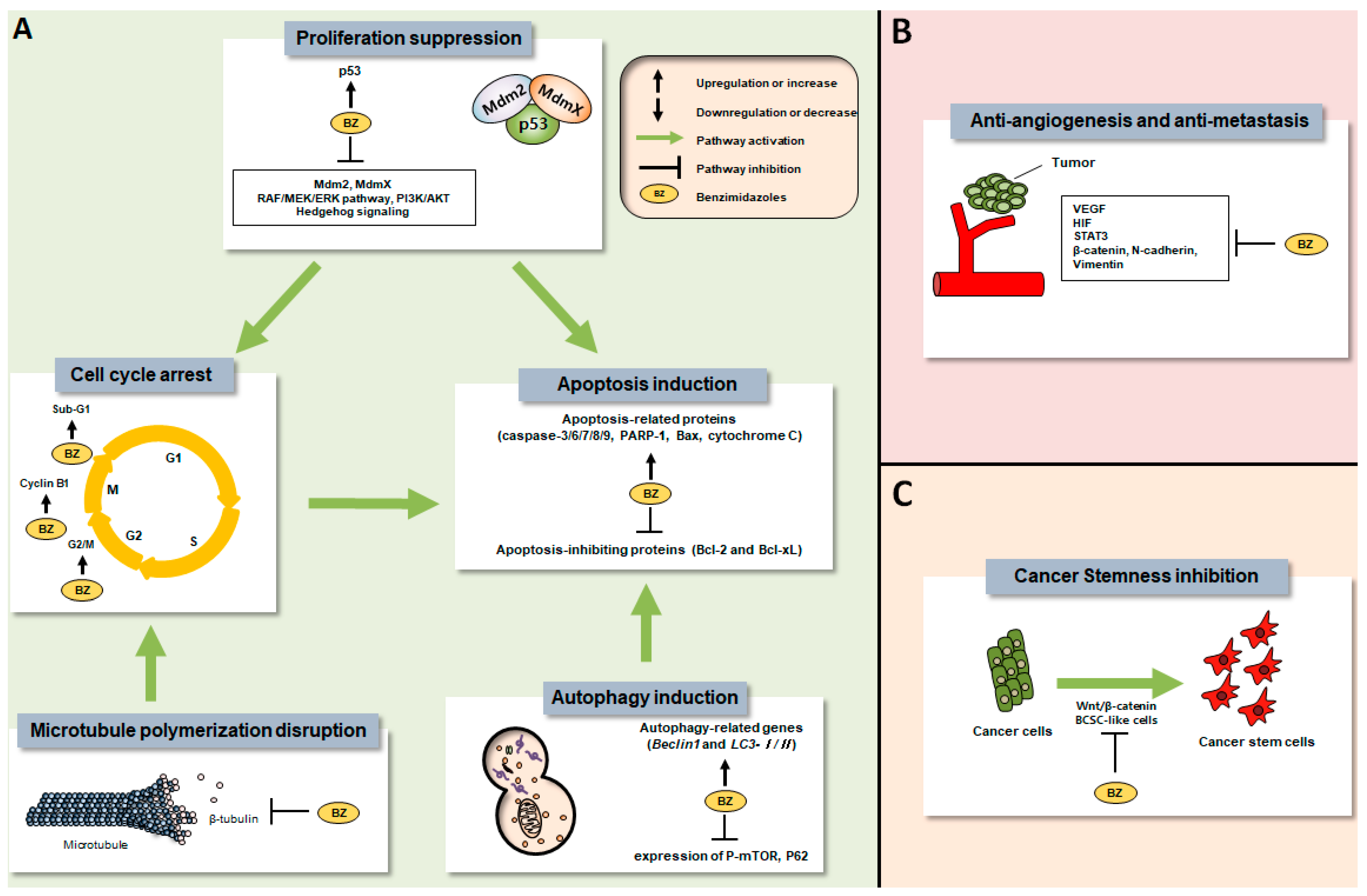
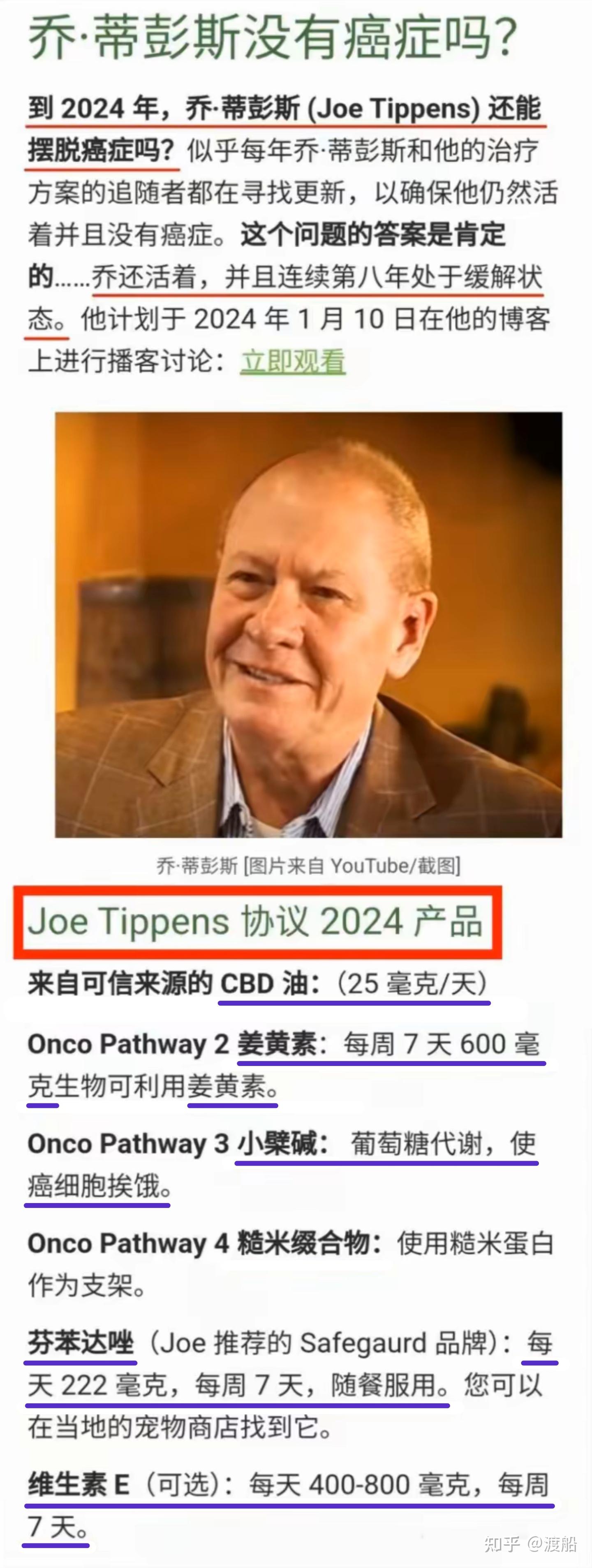
The story of Joe Tippens gained traction in the late 2010s and continues to circulate in online health forums as of 2026. The primary focus of the discourse is the use of fenbendazole, an anthelmintic agent primarily indicated for veterinary use in treating parasites in animals. The narrative posits that this substance, often combined with high-dose vitamin E (tocotrienol), curcumin, and CBD oil, contributed to a regression of metastatic disease.
From a clinical oncology perspective, it is vital to distinguish between anecdotal reports and evidence-based medicine. By 2026, the medical community remains consistent in its stance: anecdotal evidence does not constitute a clinical treatment protocol. Oncologists rely on randomized, controlled clinical trials (RCTs) that undergo rigorous Phase I through Phase III testing to ensure drug safety, pharmacological interactions, and survival efficacy.
Technical Analysis of Reported Protocol Components
The substances frequently mentioned in the informal literature associated with this narrative possess distinct pharmacological profiles. Understanding these is essential for any patient evaluating their treatment options alongside their established oncological care team.
| Component | Common Usage | Potential Interactions |
|---|---|---|
| Fenbendazole | Veterinary Anti-parasitic | Unknown long-term human toxicity |
| Curcumin | Dietary Supplement | Potential anticoagulant properties |
| Vitamin E (Tocotrienols) | Antioxidant Support | Possible interference with radiation therapy |
| CBD Oil | Symptom Management | Known CYP450 liver enzyme interactions |
Pharmacological Considerations
The primary concern for clinicians regarding the use of off-label or non-human-grade substances is the lack of standardized dosing, manufacturing oversight, and purity testing. As of 2026, the FDA and global regulatory bodies have not approved fenbendazole for the treatment of any human cancer. The risk of hepatotoxicity and drug-drug interactions, particularly when taken alongside chemotherapy agents that are metabolized through the same liver pathways, remains a major safety barrier.
Navigating Integrative Oncology and Safety Protocols
Patients seeking to incorporate complementary strategies into their 2026 treatment plan must prioritize transparency with their oncology care teams. Integrating "alternative" substances without medical oversight is identified by hospital systems as a leading cause of treatment interruptions, as substances can unexpectedly alter the bioavailability of prescribed targeted therapies or immunotherapies.
Best Practices for Patient Advocacy
- Open Dialogue: Always present any substance you are considering to your board-certified oncologist.
- Pharmacist Review: Utilize the clinical pharmacy department at your hospital to run a formal interaction screening between your current medication list and any supplements.
- Source Verification: If purchasing supplements, ensure they are USP-verified or NSF-certified to minimize risks of heavy metal contamination or inaccurate labeling.
- Monitoring Liver Function: Request regular metabolic panels (CMP) to monitor liver and kidney function, as these are the primary organs affected by off-label supplement regimens.
Comparative Framework: Clinical Trials vs. Informal Regimens
To understand why the medical establishment maintains caution regarding the Tippens-style protocol, one must compare the standards of proof utilized in formal oncology settings against informal reports.
Standard of Clinical Rigor The current gold standard for any cancer treatment in 2026 involves double-blind, placebo-controlled studies where safety is monitored by an Institutional Review Board. This process ensures that if a patient experiences a adverse event, the exact chemical trigger is identified and reported to global health registries. Conversely, anecdotes lack these data points, making it impossible to determine if remission was caused by the agent, an underlying immune response, or the primary treatment already being administered.
Frequently Asked Questions
Is there an official book written by Joe Tippens? There is no medical textbook or peer-reviewed publication authored by Joe Tippens. Most information is disseminated via personal blogs or unofficial digital documents that aggregate his specific anecdotal experiences.
Has the FDA approved fenbendazole for human cancer treatment? No. As of 2026, the FDA has not approved, cleared, or authorized fenbendazole for the treatment of cancer in humans. Its use remains strictly within the veterinary domain.
Can I take these supplements alongside standard chemotherapy? Many supplements, including high-dose antioxidants and specific oils, can interfere with the way chemotherapy or targeted immunotherapy works. Always consult your oncology team for a specific interaction profile before starting any new substance.
Why do some people report success with this regimen? Medical professionals attribute such reports to several factors, including the "survivorship bias," where only positive outcomes are publicized, or the fact that many individuals are concurrently receiving standard-of-care treatments that are the actual drivers of their remission.
Where can I find reputable information on integrative cancer care? Look to established organizations like the Society for Integrative Oncology (SIO), which provides evidence-based guidelines on incorporating supportive therapies like meditation, acupuncture, and controlled nutrition into conventional cancer care.
Establishing a Professional Medical Strategy
If you are currently navigating a cancer diagnosis in 2026, it is imperative to align your goals with practitioners who prioritize evidence-based outcomes. Your primary care physician and oncologist serve as your best defense against misinformation. If you feel that your current treatment plan is not yielding the desired results, seek a second opinion at a National Cancer Institute (NCI)-designated comprehensive cancer center. These institutions lead the country in the development of 2026-standard clinical trials and can provide access to emerging therapies that have passed the necessary safety and efficacy benchmarks. Prioritize your safety by rejecting unregulated protocols and focusing on the rigorous, data-backed advancements currently available in modern medicine.