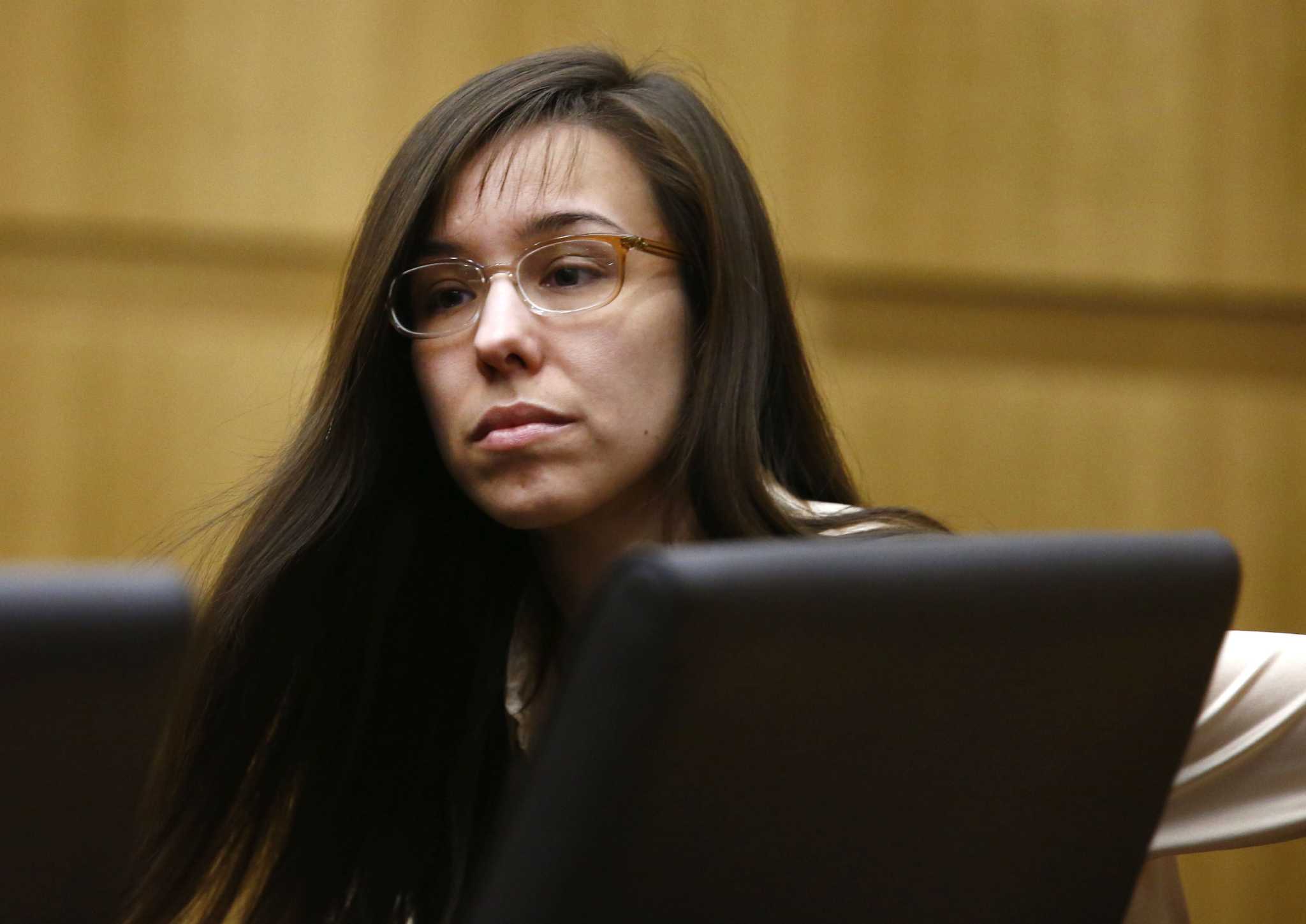
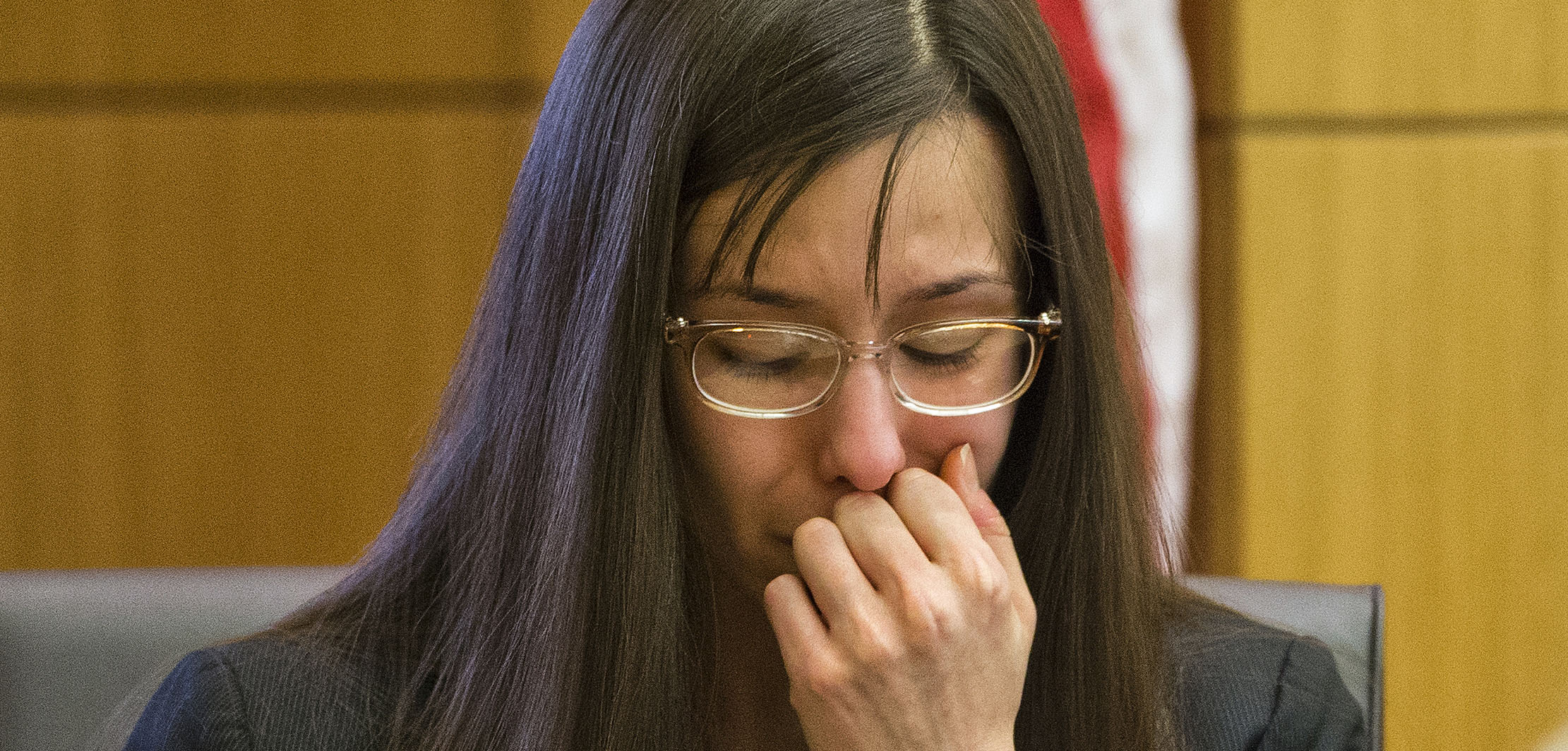
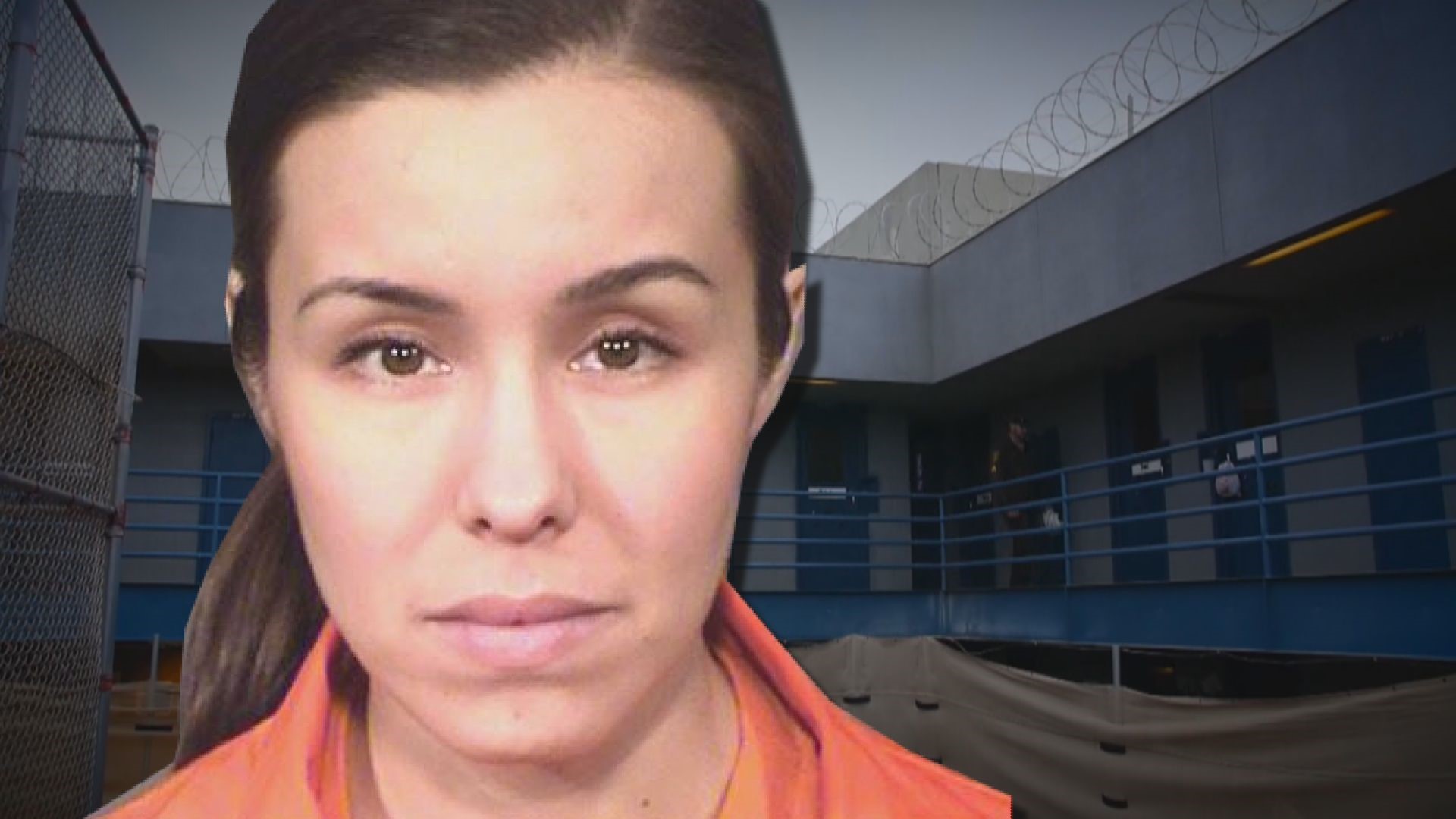
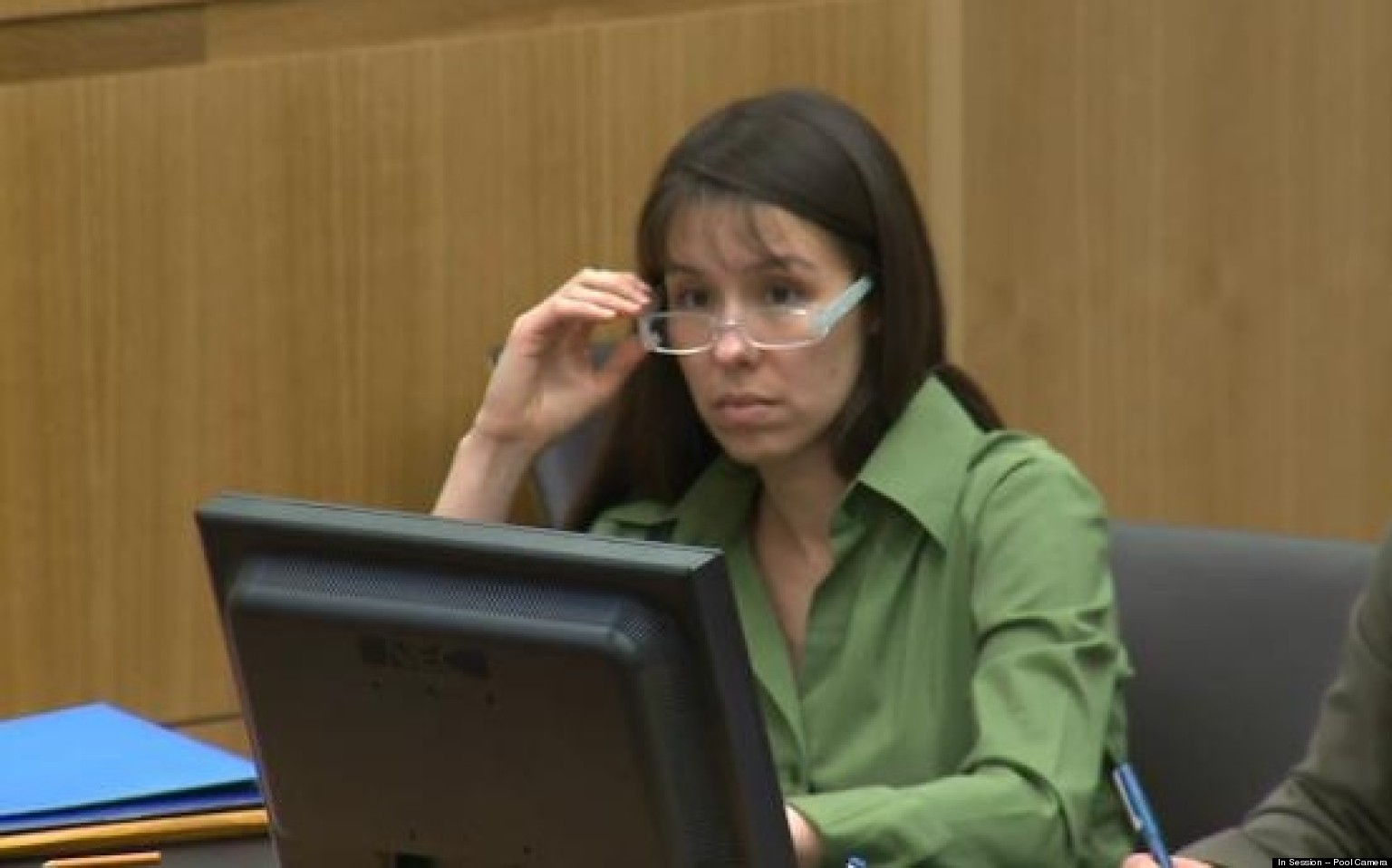
Jodi Arias will never be released from prison. Following her conviction for the 2008 first-degree murder of Travis Alexander, she was sentenced to serve life in prison without the possibility of parole. She remains incarcerated at the Arizona Department of Corrections, Rehabilitation and Reentry, where she is serving a permanent, non-negotiable sentence.
The Legal Framework of the Case
The conviction of Jodi Arias stems from the high-profile 2008 homicide of Travis Alexander in Mesa, Arizona. The legal proceedings that followed were among the most publicized criminal trials in recent American history, primarily due to the graphic nature of the evidence and the high level of media scrutiny. Following a protracted trial, a jury found Arias guilty of first-degree murder in May 2013.
In the state of Arizona, first-degree murder carries severe statutory penalties. Under the Arizona Revised Statutes, sentencing options for first-degree murder are limited to either the death penalty or life imprisonment. The latter can be further categorized as life with the possibility of parole after 25 years or life without the possibility of parole. The distinction between these options is determined by the jury's findings during the sentencing phase of the trial.
Sentencing Proceedings and Outcomes
After the initial guilty verdict, the jury failed to reach a unanimous decision regarding the sentence, which necessitated a second sentencing trial. In 2015, the second jury also failed to reach a unanimous decision on whether to impose the death penalty. Under Arizona law at the time, this deadlock resulted in the judge assuming the responsibility for the final sentence.
In April 2015, Judge Sherry Stephens sentenced Jodi Arias to life in prison. Critically, the judge exercised her authority to deny the possibility of parole. Consequently, Arias does not have a "release date" or a future eligibility hearing for parole consideration. Her status within the Arizona correctional system is permanent, barring any unforeseen and legally unprecedented change in her conviction or sentencing through the appeals process—a path that has already been heavily litigated.
Understanding Life Without Parole in Arizona
"Life without the possibility of parole" is a specific legal mandate. Unlike sentences where an inmate can earn "good time" credits or appear before a parole board after serving a set percentage of their time, a life-without-parole sentence means the individual is expected to remain in the custody of the Department of Corrections for the duration of their natural life.
There are no scheduled administrative reviews, milestones, or behavioral incentives that could shorten this specific type of sentence. The Arizona Department of Corrections, Rehabilitation and Reentry (ADCRR) maintains administrative control over inmates based on their sentencing orders; because the sentencing order for Arias lacks a provision for parole, the agency has no mechanism to calculate a release date.
Historical Context and Legal Appeals
Following the 2015 sentencing, the defense initiated a series of appeals. In appellate law, these actions typically challenge procedural errors, evidentiary rulings, or constitutional violations that occurred during the trial. The defense raised issues regarding prosecutorial misconduct and the impact of pre-trial publicity on the jury pool.
Despite these legal challenges, the Arizona Court of Appeals affirmed the murder conviction and the life sentence in 2020. This decision effectively exhausted the primary avenues for overturning the verdict. As of 2026, the judicial consensus remains that the trial was conducted within the bounds of the law, and the resulting sentence stands as the final resolution of the criminal matter.
Facility and Incarceration Conditions
Jodi Arias is housed within the Arizona state prison system. Correctional facilities in Arizona are organized by custody levels, which determine the security measures and daily routine of the inmates. While specific locations for high-profile inmates are often managed with heightened security protocols for the safety of both the facility and the individual, the fundamental nature of her custody remains that of a general population or high-security inmate serving a life term.
Inmates serving life sentences do not have access to early release programs. They are, however, subjected to the same rules, disciplinary codes, and standard operating procedures as any other inmate. Any reports or speculation regarding changes in her living conditions or status are distinct from the question of her release; there is no legal pathway for her to transition back into society.
Comparison of Sentencing Structures in Arizona
To understand why there is no release date for this case, it is helpful to compare the different potential outcomes that existed during the sentencing phase of the trial.
| Sentencing Type | Availability to Inmate | Impact on Release |
|---|---|---|
| Death Penalty | Statutory Option | Execution |
| Life with Parole | Statutory Option | Eligible after 25 years |
| Life Without Parole | Court Mandate | No release possible |
The table above illustrates the sentencing landscape. Because the judge and the jury’s eventual process led to the third category, the legal "problem" of a release date does not exist. There is no eligibility to move from one category to another after the sentencing order is finalized by the court.
Frequently Asked Questions
Is there any way Jodi Arias could be released?
No. Jodi Arias is serving a sentence of life without the possibility of parole. There are no legal mechanisms, such as pardon boards or administrative parole hearings, that can grant her release from the Arizona Department of Corrections, Rehabilitation and Reentry.
Did the appeals process change her sentence?
No. While the defense pursued multiple appeals after her 2015 sentencing, the Arizona Court of Appeals rejected the challenges in 2020. The original conviction and the sentence of life without parole were upheld, and the case is considered closed in the state appellate courts.
Does "life in prison" in Arizona mean the rest of her life?
Yes, in the context of a "life without parole" sentence, it means the inmate will remain incarcerated until death. The Arizona correctional system provides no exit point for individuals under this specific sentencing designation.
Are there any "good behavior" programs she can join?
Even if an inmate participates in work programs, educational courses, or behavioral therapy, these do not apply to "life without parole" sentences. Such programs are intended for inmates who have a future date of release, allowing them to prepare for reentry into society. For those serving life without parole, these programs are voluntary and do not affect the duration of the sentence.
How does the current year affect her status?
The passage of time, including the current year of 2026, does not change the nature of the sentence. Her legal status is fixed at the moment the sentencing order was signed by the judge. The current calendar year has no bearing on the legal finality of her case.
Next Steps for Research and Verification
For readers who wish to verify the official status of an inmate in the Arizona system, the Arizona Department of Corrections, Rehabilitation and Reentry maintains a public access inmate database. This portal provides confirmation of current custody status and sentencing information for all individuals under the jurisdiction of the state. It is the primary and most reliable source for information regarding an inmate's location and sentence term.
For further details regarding the history of the legal proceedings, the original court documents and case files are accessible through the Maricopa County Clerk of the Superior Court. These records provide the comprehensive account of the trial, the jury's findings, and the judge's final sentencing order, which remain the authoritative evidence for the conclusion of this case.