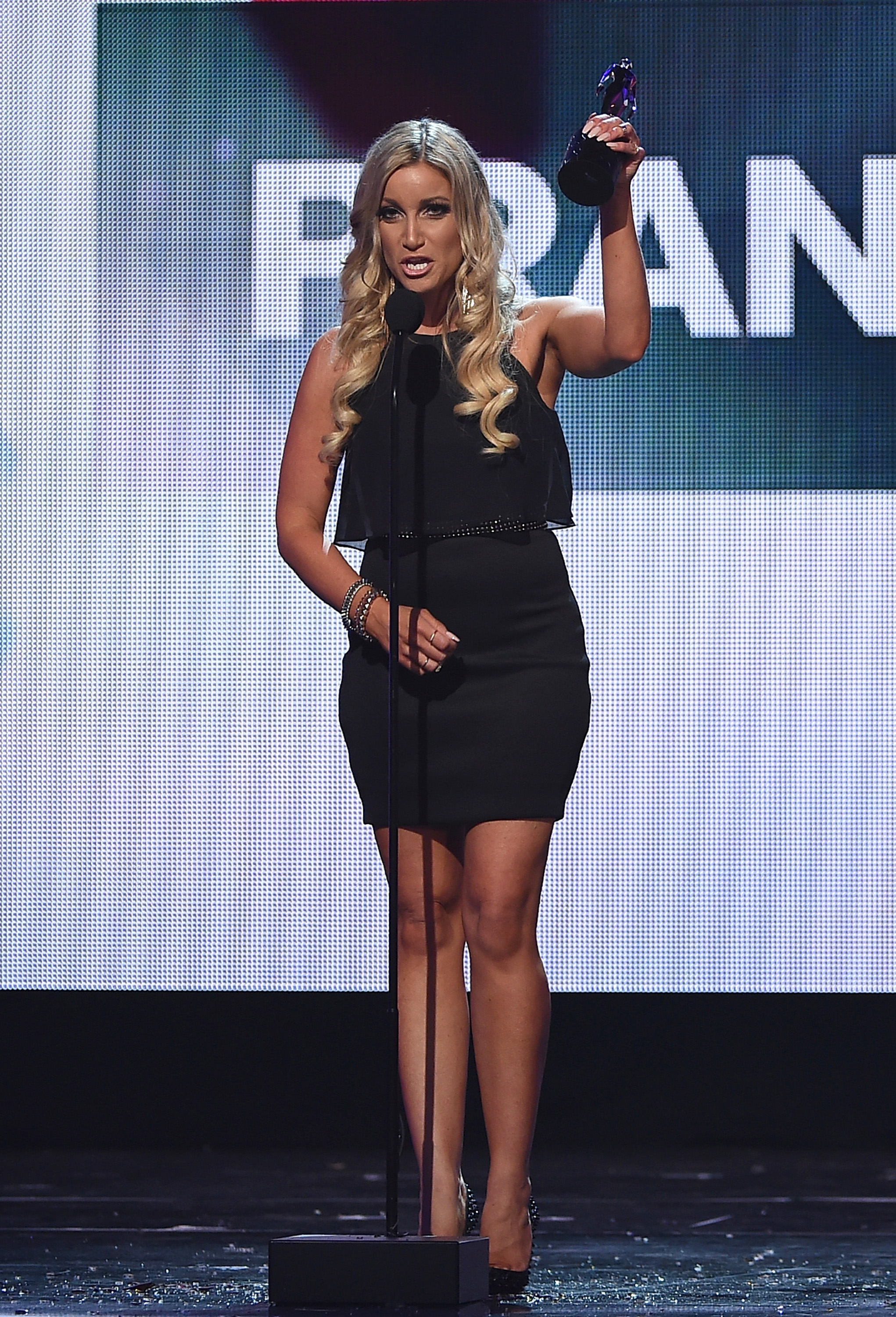
Jesse Wellens and Jeana Smith, widely recognized as the duo behind the pioneering YouTube channel PrankvsPrank and the vlog channel BFvsGF, were instrumental in the mid-2010s creator economy. Their combined net worth is estimated in the multi-million dollar range, accumulated through long-term advertising revenue, brand sponsorships, and individual creative ventures following their 2016 separation.
The Rise of the Prank Economy
The partnership between Jesse Wellens and Jeana Smith represents one of the most significant case studies in the early maturation of YouTube as a media platform. Launched in 2009, their channel PrankvsPrank focused on elaborate, often escalating pranks played on each other. This format tapped into a burgeoning demand for "lifestyle-based entertainment," where the audience felt a parasocial connection to the creators.
As the channel grew, they transitioned into the vlog format via their channel BFvsGF. This secondary platform allowed viewers to follow their daily lives, cementing their status as a relatable "couple-next-door" archetype. By 2013 and 2014, their channels were consistently ranking among the most-viewed on the platform, providing them with a steady stream of AdSense revenue during a period when YouTube CPM (Cost Per Mille) rates were favorable for high-engagement, long-form content.
Revenue Streams and Financial Foundation
The financial success of Wellens and Smith was built upon three primary pillars: platform monetization, brand partnerships, and diversification. During their peak, they leveraged their massive subscriber count to secure lucrative deals with third-party brands, a common practice for top-tier YouTubers of that era.
While YouTube remains the primary source of historical revenue, their net worth is also supported by the legacy of their early ventures. Unlike newer creators who rely heavily on short-form content, Wellens and Smith benefited from the library value of their long-form prank videos. These videos continued to generate passive revenue long after their production ceased. Because their content was evergreen, it maintained a consistent viewership floor that contributed to their cumulative earnings over the last decade.
The 2016 Split and Individual Career Shifts
The professional and personal dissolution of their partnership in 2016 marked a pivot point in their careers. The cessation of BFvsGF forced a transition from collaborative content to individual brand identities. Following the split, Jesse Wellens moved toward high-production-value filmmaking, stunts, and experimental content. He notably embarked on projects involving cross-country travel and film-style cinematography, which shifted his channel’s tone from comedic pranks to adventure-focused storytelling.
Jeana Smith, conversely, took a more measured approach to her solo presence. She pivoted toward lifestyle content and authentic vlogging that centered on personal growth and self-discovery. This transition allowed her to maintain a loyal, albeit smaller, audience base who followed her journey beyond the constraints of the PrankvsPrank brand. The separation essentially split the audience, but it also reduced the production overhead and pressure that often accompanies high-pressure, long-term creative partnerships.
Comparative Overview of Channel Evolution
| Metric | PrankvsPrank / BFvsGF Era | Post-2016 Solo Era |
|---|---|---|
| Content Focus | High-intensity pranks/vlogs | Documentary/Adventure/Lifestyle |
| Production Style | Raw, unpolished handheld | Cinematographic/High-production |
| Audience Dynamic | Couple-centric parasocial | Individual brand-centric |
| Primary Monetization | AdSense/Brand Deals | Multi-platform/Consulting/Direct |
Evaluating Long-Term Digital Wealth
Estimating the net worth of internet personalities requires an understanding of digital asset valuation. Unlike traditional actors or performers who earn salaries, Wellens and Smith functioned as independent business owners. Their "net worth" is not merely the sum of their historical YouTube deposits; it includes intellectual property, the residual value of their brand names, and the capital generated from their secondary business ventures.
By 2026, their wealth is considered stable. Both have transitioned away from the high-burnout environment of daily vlogging. Wealth accumulation in this sector often follows a trajectory where early, high-intensity years (the "grind") fund a move toward more sustainable, lower-output professional activities. For Wellens and Smith, the wealth generated during their peak years provided the liquidity required to pursue individual creative interests without the dependency on daily viral success.
Factors Affecting Creator Net Worth
It is a common misconception that YouTube earnings are static. Creator net worth is subject to significant volatility based on:
- Platform Algorithm Changes: Shifts in how YouTube recommends content can drastically alter passive income.
- Taxation and Overhead: Creators often operate as S-corps or LLCs, incurring business taxes, production costs, and legal fees that reduce take-home income.
- Brand Reputation: Long-term marketability depends on maintaining a clean public image, which influences the quality of future sponsorship opportunities.
H3: Did the 2016 separation decrease their overall revenue?
The separation effectively ended the growth phase of their joint channels, leading to a decline in aggregate reach. However, from a financial perspective, the move mitigated the risks of brand burnout. While the total volume of ad revenue generated by the joint channels decreased, both individuals were able to cultivate personal brands that were not tied to a specific "couple" theme, allowing for potentially more targeted and higher-value sponsorship deals in the years that followed.
H3: How does residual income work for legacy YouTube channels?
Residual income for creators like Wellens and Smith comes primarily from the "long tail" of their video library. Content that remains searchable and relevant—such as popular prank compilations—continues to serve ads to new viewers years after the initial upload date. While the CPM rate may fluctuate, this passive income forms a baseline for financial stability, though it rarely matches the income levels seen during the peak of an active, daily-uploading channel.
H3: Is their net worth verified through public records?
Net worth figures for YouTubers are typically estimated by third-party analysts and are not publicly audited. These estimates rely on available data regarding view counts, industry-standard CPM rates, and historical sponsorship trends. Because private business records are not public, any stated "net worth" for Jesse Wellens or Jeana Smith should be viewed as an educated estimate rather than an official financial disclosure.
H3: Why did they transition away from prank content?
The transition was driven by a combination of creative exhaustion and changes in the digital media landscape. By 2016, the "prank" genre had become oversaturated and faced increasing scrutiny regarding the ethics and staging of such videos. Wellens and Smith’s departure from the genre reflected a natural maturation process, where they sought to explore more sustainable forms of media and individual creative expression rather than repeating the same successful, yet restrictive, content formulas.
Strategic Recommendations for Future Creators
For those looking to understand the financial trajectory of creator-led businesses, the career paths of Wellens and Smith serve as a cautionary and instructive example. The primary takeaway is the importance of "brand agility." Creators who build an identity solely around a partner or a specific format face significant challenges when that format becomes dated or the partnership concludes.
To ensure long-term viability, modern creators should focus on diversifying their revenue beyond AdSense. This includes developing proprietary products, establishing a strong presence on multiple platforms, and—most importantly—building a brand that is sufficiently distinct from any single content format. By 2026, the most successful creators are those who view their channels as top-of-funnel marketing for a wider business ecosystem rather than the sole source of income.
Those seeking to emulate this success should prioritize content that has a longer shelf life, invest in personal branding rather than just channel branding, and establish an early transition plan for when the initial "viral" growth phase eventually plateaus.