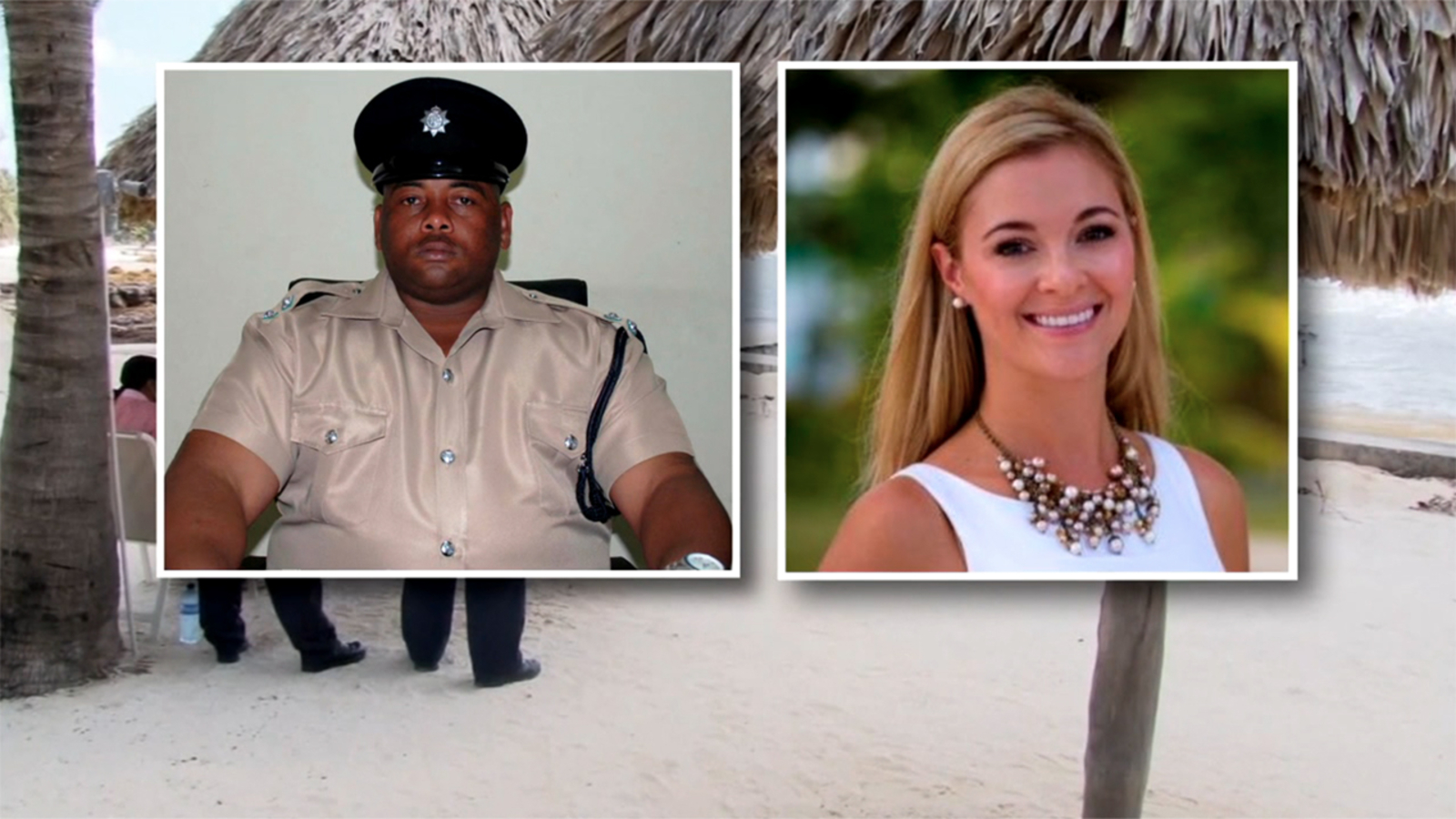
The legal case involving Jasmine Hartin reached a definitive conclusion in 2023 when she pleaded guilty to the charge of manslaughter by negligence regarding the death of Superintendent Henry Jemmott. Her sentencing, finalized in the Supreme Court of Belize, resulted in a non-custodial sentence consisting of a substantial fine and a requirement to engage in community service, marking the end of a high-profile criminal process in the Caribbean nation.
Contextualizing the Incident and Initial Charges
The legal journey began in May 2021, when Henry Jemmott, a senior police officer in Belize, was found dead near a pier in San Pedro, Ambergris Caye. Jasmine Hartin, who was a socialite and the partner of Andrew Ashcroft at the time, was found near the scene. Following the discovery of Jemmott’s body with a single gunshot wound from his own service weapon, authorities detained Hartin.
The investigation into the incident garnered significant international attention due to the social standing of those involved and the circumstances surrounding the death. Hartin was initially charged with manslaughter by negligence, a charge that reflects a legal determination that the death was the result of a reckless act rather than intentional malice or premeditation. The case proceeded through the Belizean judicial system over the span of two years, involving multiple hearings, bail applications, and negotiations regarding plea arrangements.
The Judicial Process and Plea Agreement
In May 2023, the judicial proceedings reached a turning point when Hartin formally entered a guilty plea before Justice Ricardo Sandcroft. This plea was the culmination of negotiations between the defense and the prosecution. By pleading guilty to manslaughter by negligence, Hartin accepted legal responsibility for the lack of care that led to the discharge of the weapon, while avoiding the potential for a more severe conviction such as murder or manslaughter with intent.
Under the laws of Belize, the judge has discretion during sentencing to weigh both the severity of the offense and the personal circumstances of the defendant. The prosecution and defense presented arguments regarding the nature of the event, the impact on the victim's family, and the defendant's cooperation with the court. The judge took into account the social and legal ramifications of the event, ensuring that the verdict adhered to the standards of the Belizean criminal code.
The Sentencing Components
The final verdict delivered in the Supreme Court of Belize imposed a penalty intended to serve both as a punishment for the negligence and a reflection of the court's view on rehabilitation and responsibility. The sentence was structured as follows:
- Financial Penalty: Hartin was ordered to pay a fine of 75,000 Belize dollars (approximately 37,500 USD). This amount was stipulated as part of the judicial settlement.
- Community Service: A requirement was established for Hartin to complete 300 hours of community service.
- Public Awareness Requirement: The court mandated that Hartin participate in a media campaign or series of public presentations aimed at educating others on the dangers of mixing alcohol and firearms, a central factor in the initial incident.
- Suspended Custodial Sentence: The judge ruled that if these specific conditions—payment of the fine, completion of community service, and fulfillment of the public education requirements—were not met, a custodial sentence would be activated.
Comparison of Key Legal Outcomes
| Component | Requirement / Condition |
|---|---|
| Primary Charge | Manslaughter by Negligence |
| Financial Penalty | 75,000 BZD |
| Community Service | 300 Hours |
| Public Obligation | Educational campaign on firearm safety |
| Default Penalty | Term of imprisonment if conditions fail |
Legal Implications and Jurisdictional Context
The case highlighted the specific application of Belizean criminal law regarding firearm safety and negligence. In many Caribbean jurisdictions, the judiciary maintains a framework that allows for "non-custodial" sentencing in cases where there is a clear admission of guilt and evidence of remorse, particularly when the crime lacks the element of malicious intent.
Legal observers noted that the outcome was consistent with the sentencing guidelines for involuntary manslaughter in the region. The focus of the court was not solely on incarceration, but on restorative measures, such as the public education requirement, which sought to address the societal implications of the death of a senior police officer. This verdict remains a point of reference for how Belizean courts handle cases involving accidental or negligent deaths occurring within private social spheres.
Frequently Asked Questions
What was the specific charge Jasmine Hartin pleaded guilty to?
Jasmine Hartin pleaded guilty to manslaughter by negligence. This charge indicates that the death of Henry Jemmott was deemed to be the result of a reckless or negligent action—specifically involving the handling of a firearm—rather than a deliberate intent to kill.
Why did she receive a non-custodial sentence?
In the Belizean judicial system, judges have the authority to impose fines and community service instead of prison time, provided the crime meets specific criteria for such leniency. The court considered the plea of guilty, the lack of prior criminal convictions, and the specific circumstances of the negligence when determining that a financial penalty and service hours were appropriate.
What happens if the terms of the verdict are not followed?
The sentence included a provision that acts as a safety net for the justice system. Should the defendant fail to pay the mandated fine or complete the required community service hours and public awareness projects, the suspended custodial sentence would be triggered, necessitating imprisonment.
Was there a civil lawsuit associated with this criminal verdict?
While the criminal proceedings focused on the state’s prosecution of the negligence charge, the death of Henry Jemmott prompted discussions regarding civil liabilities. It is common in such cases for the victim's family to pursue civil damages independently of the criminal sentencing process, though the criminal verdict serves as established evidence of the negligence.
How did the court address the firearm safety aspect?
The judge emphasized the necessity of public accountability. By requiring Hartin to lead or participate in a campaign highlighting the hazards of combining alcohol with firearm handling, the court transformed the personal consequence of the incident into a wider public safety initiative.
Next Steps for Compliance
For individuals observing the legal conclusion of this case, it serves as a reminder of the strict liability associated with firearm ownership and usage in Belize. For those interested in the ongoing status of the requirements, compliance is monitored by the court and relevant local authorities. The primary action for anyone in a similar position or studying this case is to recognize that the legal system in Belize mandates strict adherence to court-ordered financial and restorative penalties to avoid the activation of suspended prison terms. Parties involved in such high-profile cases typically rely on legal counsel to document the completion of community service and the payment of fines to ensure the court records are updated and the liability is officially discharged.