Modern horticulture operates at the intersection of high consumer demand for unblemished produce and stringent regulatory frameworks regarding chemical residues. Evaluating the impact of pest control on fruit properties requires a rigorous examination of how both synthetic pesticides and biological interventions alter the physical, chemical, and organoleptic characteristics of harvestable yields. As global agricultural standards evolve through 2026, understanding these mechanisms ensures compliance, optimizes fruit quality, and protects long-term orchard health.
Mechanisms of Pest Management and Their Interaction with Fruit Development
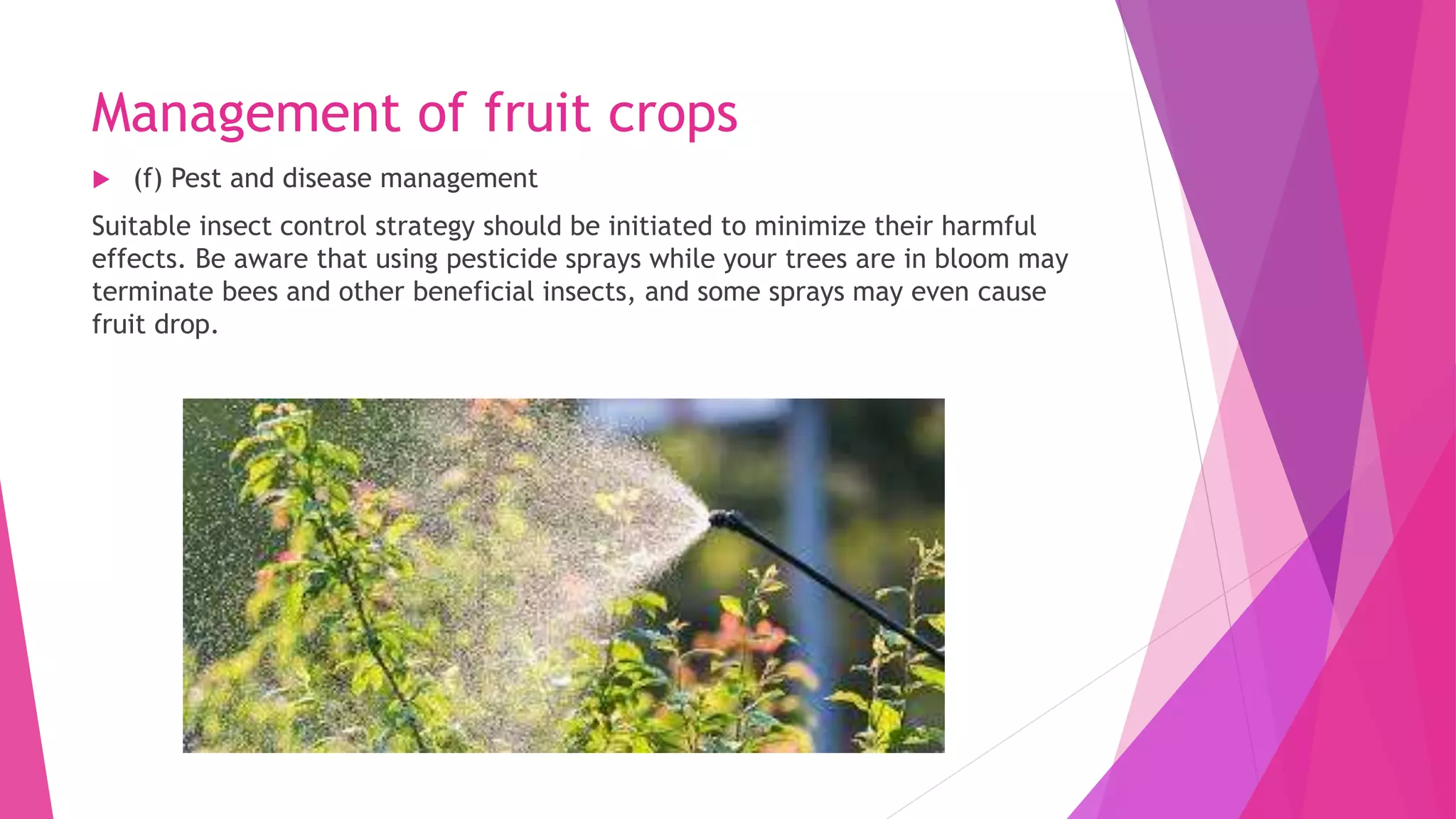
Pest control methodologies—ranging from conventional synthetic insecticides and systemic fungicides to integrated pest management (IPM) biologicals—interact directly with fruit physiology during critical developmental stages. When protectant or systemic treatments are applied, they can induce physiological stress responses in the plant cuticle and exocarp (the outer layer of the pericarp).
Systemic compounds travel through the plant vascular system (xylem and phloem), potentially leaving trace metabolites within the fruit matrix. Conversely, contact-based treatments remain on the fruit surface, interacting with epicuticular waxes. The application timing dictates the severity of this interaction. Early-season applications during cell division heavily influence final fruit size and structural integrity, whereas pre-harvest applications primarily impact surface residues, skin tension, and post-harvest decay resistance.
Physical and Morphological Alterations in Harvested Fruit
The physical properties of fruit—such as firmness, skin thickness, color development, and wax composition—are sensitive to chemical exposure. Accumulations of certain chemical residues or adjuvants can alter the transpiration rate of the fruit, directly affecting shelf life and weight retention during cold storage.
- Cuticular Wax Modification: Many emulsifiable concentrates and oil-based carriers dissolve or alter natural epicuticular waxes, which can either accelerate moisture loss or enhance glossiness depending on the formulation.
- Firmness and Turgor Pressure: Over-application of specific growth-regulating pesticides can inhibit calcium absorption, leading to localized cellular breakdown, premature softening, and micro-cracking in stone fruits and pome fruits.
- Pigmentation and Anthocyanin Synthesis: Chemical stress can suppress or stimulate secondary metabolite pathways, occasionally resulting in uneven sun-blushing, delayed chlorophyll degradation, or altered carotenoid accumulation in citrus and apples.
Biochemical Shifts: Sugar-Acid Ratios and Nutritional Value
Internal fruit quality depends heavily on total soluble solids (TSS, measured in degrees Brix), titratable acidity (TA), and the concentration of bioactive antioxidants like polyphenols and vitamins. Pest control strategies indirectly and directly influence these biochemical markers.
When phytophagous insects (such as aphids, mites, or thrips) cause cellular damage, the fruit redirects metabolic energy toward defense mechanisms, such as synthesizing pathogenesis-related proteins and phenylpropanoids, which can reduce sugar accumulation. Conversely, effective pest suppression prevents premature leaf defoliation, maintaining optimal photosynthetic capacity to maximize sugar transport into the developing fruit sink. However, aggressive synthetic treatments can sometimes cause mild phytotoxicity, temporarily suppressing enzymatic activity involved in starch-to-sugar conversion during ripening.
| Pest Control Approach | Primary Mechanism | Impact on Brix (Sugar) Levels | Impact on Acidity & Shelf Life | Chemical Residue Risk Profile |
|---|---|---|---|---|
| Conventional Synthetics | Broad-spectrum neurotoxins and systemic inhibitors | Neutral to slight increase via leaf protection | Maintains acidity; extends post-harvest window | Moderate to High (requires strict Pre-Harvest Interval adherence) |
| Integrated Pest Management (IPM) | Targeted pheromones, selective chemistry, and beneficials | Optimal accumulation due to balanced leaf health | Stabilizes natural acid degradation rates | Low (minimal residues within statutory limits) |
| Biological Controls (Microbials) | Pathogenic fungi, bacteria, and parasitoids | Unaffected (natural photosynthetic rate maintained) | Natural ripening progression without artificial stalling | Negligible (organic-compliant standard) |
| Organic Botanicals / Oils | Suffocation of soft-bodied insects and surface disruption | Variable; high oil concentrations can cause localized stress | Potential reduction in storage life if cuticle is damaged | Very Low (rapid degradation in sunlight) |
Comparative Analysis of Chemical Versus Biological Pest Management
Agronomists and orchard managers must weigh the operational benefits of chemical pest eradication against the physiological toll exacted on fruit tissues. Selecting a strategy involves balancing efficacy, export compliance, and organoleptic quality.
Chemical Pest Control: Pros and Cons
- Pros: Rapid knockdown of heavy pest infestations; cost-effective for large-scale operations; highly predictable immediate results.
- Cons: Risk of exceeding Maximum Residue Limits (MRLs); potential development of pest resistance; negative impacts on beneficial insect populations; possible phytotoxic burn on sensitive fruit skins.
Biological and IPM Strategies: Pros and Cons
- Pros: Zero to minimal chemical residues; preservation of natural fruit wax and flavor profiles; enhances consumer marketability and meets 2026 export standards.
- Cons: Requires higher technical expertise and continuous monitoring; slower initial response time during severe outbreaks; weather-dependent efficacy for microbial agents.
Troubleshooting Quality Defects Caused by Pest Management Errors
When fruit exhibits aberrant physical properties following pest management applications, immediate diagnostic troubleshooting is necessary to prevent complete batch rejection.
Phytotoxicity Management: When foliar burns or russeting appear on apples or pears due to incompatible tank mixes, immediately flush foliage with clean irrigation water if applications occurred within 24 hours, and adjust surfactant loads for subsequent sprays.
Residue Mitigation Protocols: If pre-harvest testing indicates elevated pesticide persistence, extend the Pre-Harvest Interval (PHI) by a minimum of 7 to 14 days, utilize post-harvest mechanical washing brushes with mild food-grade surfactant rinses, and consult certified agricultural extension agents for degradation rate modeling.
Frequently Asked Questions
Can pest control chemicals change the taste of fruit?
Directly, most approved agricultural chemicals do not alter internal fruit sugars, but improper formulations, incorrect tank mixing, or excessive adjuvants can cause phytotoxicity that disrupts normal ripening, resulting in a bland or off-flavor profile.
How do systemic insecticides affect internal fruit safety?
Systemic insecticides are absorbed into the plant's vascular network, but they metabolize over time. Adhering strictly to legally mandated Pre-Harvest Intervals (PHIs) ensures that internal residue levels drop well below the Maximum Residue Limits established for consumer safety.
Does organic pest control preserve fruit firmness better than synthetic options?
Organic and biological controls generally inflict less chemical stress on the fruit's outer cuticle and wax layers, which helps maintain natural turgor pressure and firmness during extended cold storage.
What causes russeting on apples after spraying?
Russeting is often caused by physical or chemical abrasion of the young fruit skin during early-season applications of copper-based compounds, sulfur, or harsh emulsifiable concentrate insecticides during humid weather conditions.
How do 2026 export standards regulate pest control residues?
Current 2026 international trade regulations enforce near-zero tolerance policies and lower Maximum Residue Limits (MRLs) across major markets, requiring growers to adopt precision-timed IPM protocols to secure phytosanitary certification.
Optimizing Orchard Management for Superior Fruit Properties
Balancing rigorous crop protection with superior fruit quality requires continuous calibration of application equipment, strict adherence to meteorological forecasts to prevent runoff or slow drying, and a deliberate shift toward selective biological controls. By prioritizing integrated strategies that protect the exocarp and metabolic integrity of the crop, producers ensure that harvested yields meet both rigorous safety regulations and high consumer expectations for texture, flavor, and nutritional density.