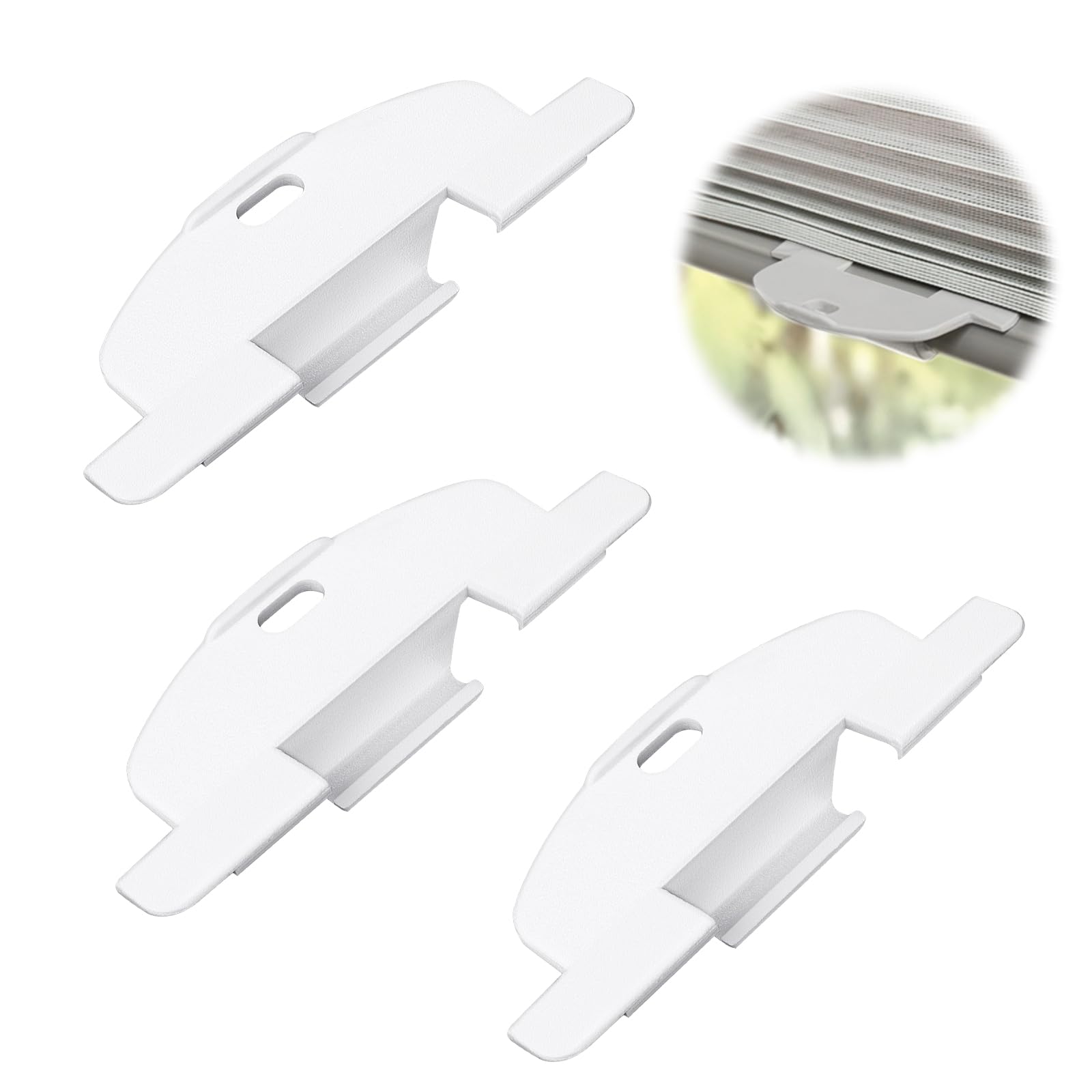
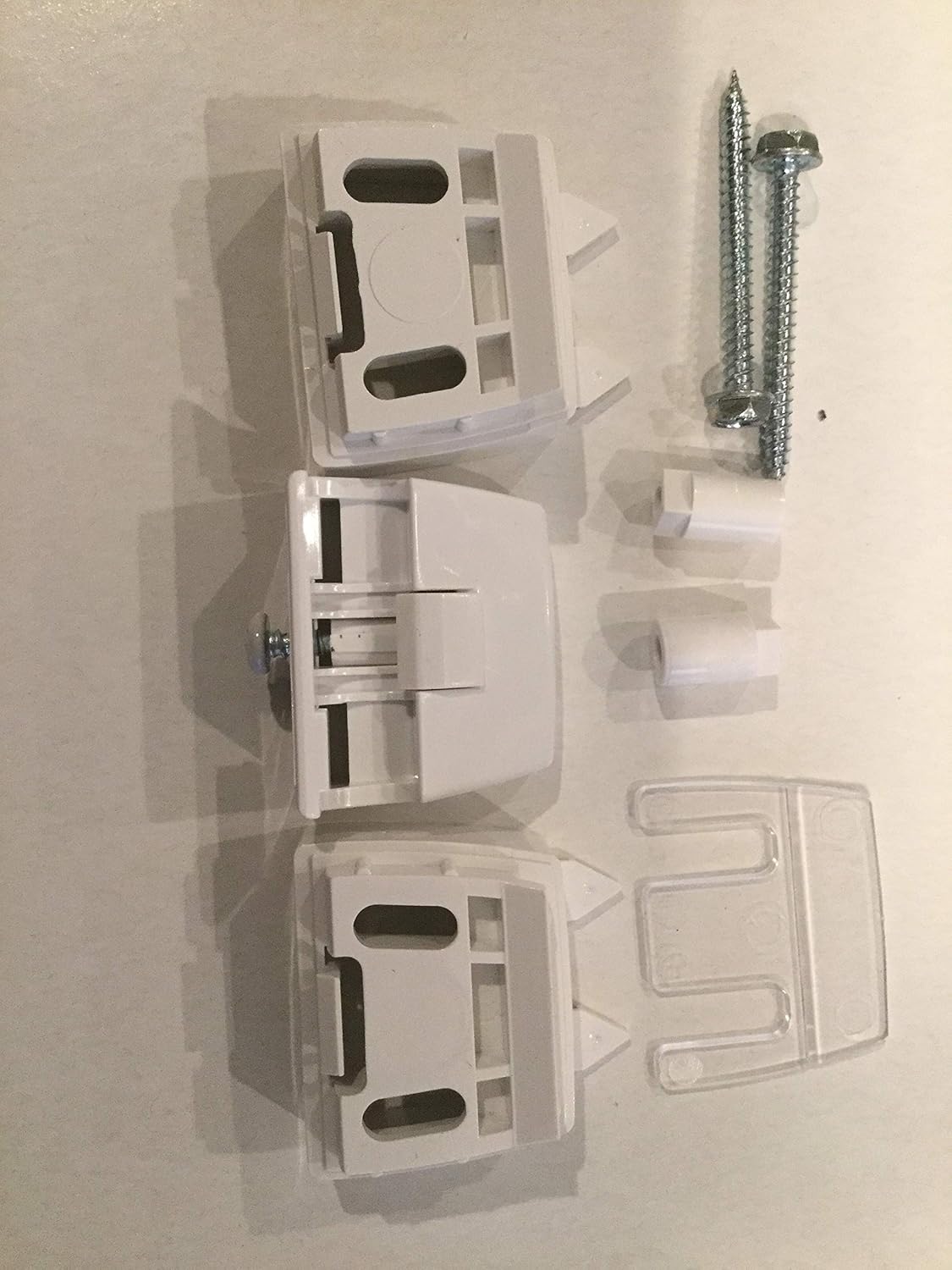
Hunter Douglas window treatments are engineered with proprietary internal mechanisms, making the sourcing and installation of repair parts a specialized task. As of 2026, the brand has shifted toward modular component designs that prioritize longevity and easier field servicing, though identifying the correct part number remains the primary barrier to successful restoration.
Identifying Your Specific Hunter Douglas System
Before sourcing components, you must identify the specific generation and lift system of your blind. Hunter Douglas has evolved its operating systems significantly over the last decade. Whether you are working with a legacy cord-lock system or the modern PowerView Gen 3 automation, the parts are rarely interchangeable.
- Locate the serial number: This is typically found on a small clear tag tucked into the headrail or on the bottom rail.
- Determine the lift system: Distinguish between LiteRise (cordless), UltraGlide (retractable cord), and PowerView (motorized).
- Inspect the clutch mechanism: Older systems often utilize a chain-driven clutch that may require a specific tensioner kit.
Common Replacement Components and Failure Points
Technical failures in blinds generally occur at high-friction points. In 2026, most service professionals categorize parts by their failure frequency. The following table outlines the most common components requiring replacement and their associated system indicators.
| Component Category | Primary Failure Indicator | Compatibility Note |
|---|---|---|
| Cord Locks | Slippage or inability to hold position | Model-specific; must match rail width |
| Lift Cords | Fraying or snapping | Requires specific diameter for spool clearance |
| Bottom Rail End Caps | Brittleness or cracking | Color-matched to the specific finish code |
| Clutch Assemblies | Gear stripping or noise | Not compatible across different lift weights |
| Battery Wands | Corroded contact points | Requires 2026-spec AA or NiMH rechargeables |
Sourcing Genuine Versus Aftermarket Parts
When seeking repair parts in 2026, you will encounter two distinct categories: original manufacturer components and generic aftermarket alternatives. Hunter Douglas maintains a policy of distributing internal service parts primarily through authorized dealers rather than direct-to-consumer storefronts.
Using genuine parts ensures that the spring tension and gear ratios meet the engineering specifications required for the weight of your fabric. Aftermarket parts often use lower-grade plastics that fail to account for the UV exposure window treatments receive, leading to premature brittleness. Always prioritize OEM (Original Equipment Manufacturer) components to maintain the structural integrity and warranty status of the product.
Procedures for Replacing Lift Cords and Cord Locks
The most frequent repair involves the replacement of lift cords. This process requires precision to ensure the blind hangs level.
- Remove the blind from the mounting brackets to provide clear access to the headrail.
- Carefully pry off the end caps to expose the internal spool mechanism.
- Use a long-reach needle-nose plier to extract the old cord, taking care not to disturb the orientation of the spring drum.
- Thread the new cord through the cord lock and ensure it is knotted securely at the bottom rail grommet.
- Level the blind by adjusting the cord tension at the bottom rail before finalizing the knot.
Safety Warning Regarding Corded Systems In accordance with updated 2026 safety standards, all retrofitted corded blinds must incorporate updated tensioning devices. Ensure that any repair work performed adheres to current regional child safety protocols, which mandate that all accessible cords must be secured with tensioners to prevent entanglement risks.
Troubleshooting Motorized PowerView Components
PowerView automation systems are the most complex to repair. As of 2026, most connectivity issues are related to the communication bridge or the battery wand rather than the motor itself. If your motorized shade is unresponsive, prioritize these diagnostic steps:
- Power Reset: Remove the battery wand for 30 seconds and reinsert it to force a hard reboot of the motor controller.
- Signal Interference: Check for new Wi-Fi routers or mesh nodes installed within 5 feet of the shade, which can cause signal saturation.
- Battery Integrity: Use a multimeter to verify that the battery wand is outputting the required 12V or 18V, depending on your motor model.
Maintenance Best Practices for Longevity
To prevent the need for frequent part replacement, implement a bi-annual maintenance schedule. Dust accumulation is the primary cause of internal component degradation, as particles migrate into the gear housings and act as an abrasive.
- Dusting: Use a vacuum with a soft brush attachment on the lowest setting.
- Inspection: Examine the cord locks for signs of wear every six months. If the cord appears "fuzzy," replace it immediately before it snaps and causes a mechanical jam.
- Lubrication: Use only silicone-based lubricants on gears. Avoid petroleum-based sprays, which will attract dust and lead to premature failure of the clutching mechanism.
Frequently Asked Questions Regarding Repairs
Can I order Hunter Douglas parts directly from the manufacturer? Hunter Douglas generally directs consumers to local authorized dealers for repair parts to ensure the correct components are selected. You will need your serial number to assist the dealer in cross-referencing the exact model and color-matched parts.
Are parts for 2026 models compatible with blinds from the early 2000s? In most cases, no. Hunter Douglas frequently updates their internal mechanisms to improve safety and functionality. If your blind is more than 15 years old, consider that sourcing exact matching parts may require checking secondary markets or specialized legacy component suppliers.
What should I do if my blind is uneven? Uneven hanging is usually caused by an imbalance in the lift cord tension or a slipping cord lock. You can typically adjust this at the bottom rail by re-knotting the cord, but if the internal spring is damaged, the entire headrail assembly may require professional service.
How do I find a certified repair technician? Visit the official Hunter Douglas dealer locator website to find certified service providers in your region. These professionals are equipped with the specialized tools necessary to disassemble proprietary headrails without damaging the finished aluminum or composite surfaces.
Is it cost-effective to repair or replace? For blinds with high-end fabric or motorized systems, repair is almost always more cost-effective. However, if the headrail mechanism is obsolete and requires a complete internal rebuild, replacement might be the more pragmatic financial choice.
Professional Consultation and Support
Attempting to repair complex lifting mechanisms without proper documentation can lead to the permanent disabling of the window treatment. If you are uncertain about the internal configuration of your blinds, reach out to an authorized service professional who has access to the 2026 Technical Service Manuals. Proper documentation and the use of authentic, manufacturer-approved components ensure that your window treatments will continue to provide the light control and insulation performance intended for years to come.