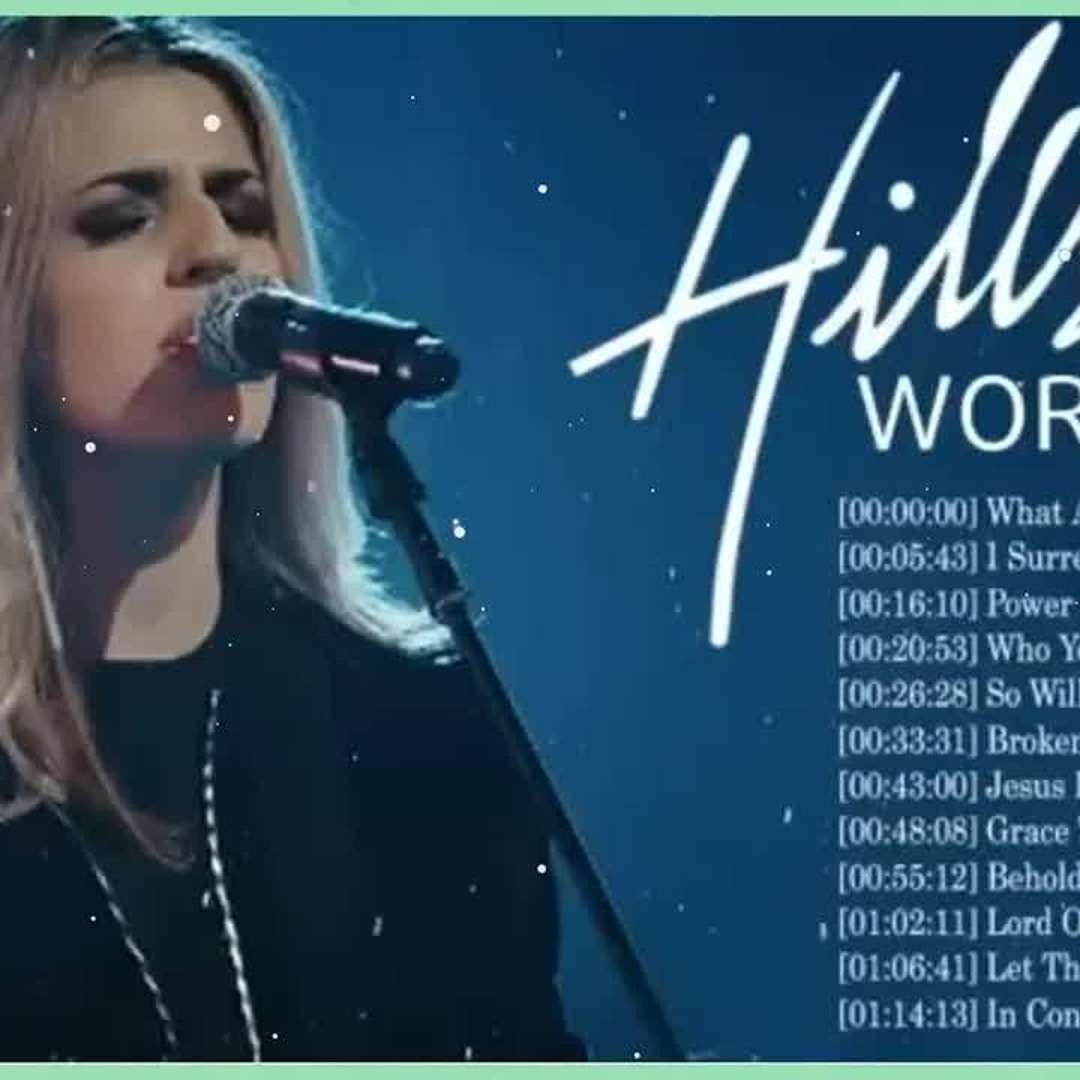
The global landscape of contemporary worship music continues to be shaped significantly by the catalog and ongoing releases associated with the Hillsong collective. As we navigate through 2026, understanding the structural evolution, theological themes, and musical impact of Hillsong group songs requires a close examination of how these compositions are curated, performed, and utilized in modern congregational settings. This comprehensive analysis explores the history, organizational branches, major musical eras, and strategic impact of Hillsong group songs, providing worship leaders, musicians, and enthusiasts with an authoritative perspective.
The Evolution and Structural Diversity of Hillsong Group Entities
To fully comprehend the breadth of Hillsong group songs, it is essential to distinguish between the various sub-entities that have produced music under the broader organizational umbrella. Over the decades, distinct branches have emerged, each targeting specific demographics, stylistic preferences, and theological expressions.
The primary musical arms of the movement are categorized by their specific focus, production style, and congregational settings. The table below outlines the core entities responsible for producing Hillsong group songs, detailing their target audience, primary musical style, and landmark characteristics.
| Entity Name | Primary Focus / Target Audience | Musical Style & Instrumentation | Landmark Era / Peak Years |
|---|---|---|---|
| Hillsong Worship | Global Sunday congregational gatherings | Anthem-driven, acoustic-to-electric dynamic builds, choir harmonization | 1990s – Present |
| Hillsong UNITED | Youth culture, young adults, modern seekers | Indie-rock, ambient synth, alternative worship, atmospheric guitars | Late 1990s – Present |
| Hillsong Young & Free | Generation Z, youth ministry, modern pop culture | Contemporary Christian pop, electronic dance beats, synth-heavy production | 2013 – Present |
| Hillsong Kids | Children, family ministry, early childhood education | Upbeat pop melodies, simple lyric structures, interactive performance | 2000s – Present |
Theological Frameworks and Lyrical Architecture
The enduring popularity of Hillsong group songs stems largely from their specific approach to lyricism and theological expression. Rather than focusing solely on academic theology, the songwriters construct vertical expressions of worship that blend biblical orthodoxy with contemporary emotional resonance.
Core Thematic Pillars
- Exaltation and Transcendence: Many tracks focus heavily on the majesty, holiness, and sovereignty of God, drawing heavily from the Book of Psalms and prophetic literature.
- Redemption and Grace: A persistent thread involves the personal and communal experience of forgiveness, spiritual renewal, and the finished work of the cross.
- Immanence and Comfort: Slower ballads and reflective anthems emphasize the personal presence of God in times of trial, grief, and personal transition.
Worship leaders analyzing these songs for modern services note a distinct narrative arc in how these tracks are structured. Most compositions begin with an intimate, reflective verse before building dynamically into a declaration-heavy chorus and an expansive, soaring bridge designed for corporate repetition.
Musical Production Standards and Technical Specifications
From a technical standpoint, producing and performing Hillsong group songs requires careful attention to arrangement, mix engineering, and instrumentation. The modern sound associated with these tracks is characterized by a massive sonic footprint that translates effectively from massive arena settings down to intimate local church auditoriums.
Essential Production Elements
- Dynamic Range Management: Arrangements typically feature stripped-down verses driven by delicate acoustic guitar or ambient piano, transitioning into massive walls of sound featuring heavily compressed drums, layered electric guitars, and soaring synthesizer pads.
- Vocal Layering: The signature sound relies heavily on robust gang vocals and stacked harmonies rather than relying exclusively on a single lead vocalist, encouraging congregational participation.
- Tempo and Key Selection: The majority of upbeat congregational anthems reside in the keys of C, G, D, or A, making them easily accessible for standard guitar and piano arrangements, while emotional ballads frequently utilize minor keys or relative minors to evoke introspection.
Comparison of Live vs. Studio Recording Paradigms
A defining characteristic of the Hillsong catalog is its reliance on live recording environments. Unlike traditional pop or rock acts that primarily record in controlled studio settings, many of the most influential Hillsong group songs are captured live during actual worship gatherings.
- Live Recording Approach:
- Pros: Captures authentic emotional resonance, spontaneous congregational responses, and organic crowd energy.
- Cons: Acoustic challenges in large arenas can sometimes complicate mix engineering; crowd noise can limit post-production editing flexibility.
- Studio Production Approach:
- Pros: Absolute control over instrumentation, pristine vocal tuning, and optimized for radio broadcast and streaming algorithms.
- Cons: Can occasionally lack the spontaneous spiritual fervor and collective communal atmosphere found in live environments.
Step-by-Step Guide: Integrating Hillsong Group Songs into Modern Worship Sets
For worship pastors and music directors seeking to implement these tracks into local church settings in 2026, a strategic approach ensures both musical excellence and pastoral alignment.
- Step 1: Theological Screening: Review the lyrical content of the selected tracks to ensure they align directly with the doctrinal statements and pastoral vision of your local congregation.
- Step 2: Arrangement Customization: Scale down massive arena-sized orchestrations to fit the capabilities of your local team, utilizing multi-tracks, click tracks, and pad generators if necessary to fill out the sound.
- Step 3: Key Optimization: Adjust the vocal keys to fit the natural range of your worship leaders and the average congregational singer, ensuring that corporate participation remains the primary objective over vocal performance.
- Step 4: Flow and Transitions: Plan seamless transitions between songs based on musical keys and thematic continuity, avoiding awkward pauses that can disrupt the corporate flow of worship.
- Step 5: Sound Check and Balance: Ensure that vocal tracks sit prominently above the instrumentation in the mix, as clarity of lyrics is vital for effective congregational engagement.
Frequently Asked Questions
What differentiates Hillsong Worship from Hillsong UNITED?
Hillsong Worship primarily focuses on anthems tailored for Sunday morning congregational singing in large church settings, whereas Hillsong UNITED leans toward an alternative rock and youth-culture aesthetic designed for broader arena tours and young adult ministries.
How can a small church effectively play these songs with limited musicians?
Small teams can utilize digital multi-track software, backing tracks, or simple pad synthesizers to replicate missing instrumentation like keyboards, atmospheric guitars, and percussion while maintaining an acoustic-driven core.
Are these songs licensed for streaming and copyright projection?
Yes, the vast majority of Hillsong group songs are registered with major copyright licensing organizations such as CCLI (Christian Copyright Licensing International), allowing churches to legally project lyrics and perform them in weekly services.
What are the most popular keys for congregational singing in these arrangements?
The keys of G Major, C Major, and D Major are universally favored because they comfortably match the vocal ranges of untrained congregational singers and allow for straightforward guitar and piano chord voicings.
How do Hillsong group songs impact contemporary Christian music trends globally?
They consistently set industry standards for production quality, modern lyric structures, and ambient guitar-driven arrangements, heavily influencing worship songwriting styles across denominations worldwide.
Strategic Conclusion for Modern Worship Leaders
The ongoing legacy of Hillsong group songs in 2026 demonstrates the profound power of blending strong theological foundations with cutting-edge musical execution. By understanding the historical context, production standards, and structural nuances of these compositions, worship teams can effectively utilize this expansive catalog to foster deep spiritual engagement and corporate worship experiences in their respective communities. Whether through the reflective anthems of Hillsong Worship or the energetic pop sensibilities of Young & Free, maintaining intentionality in arrangement and heart posture remains the ultimate key to impactful ministry.