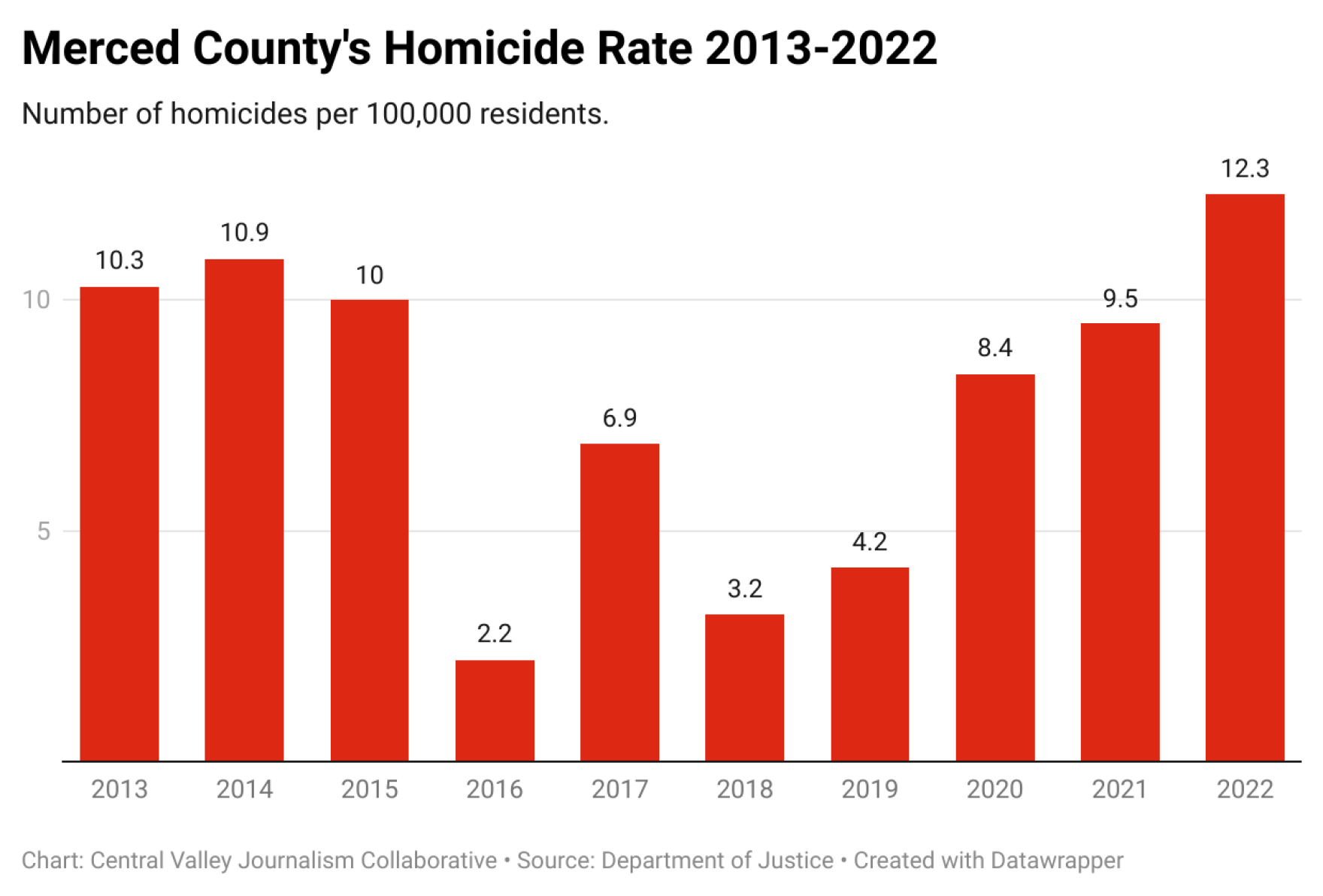
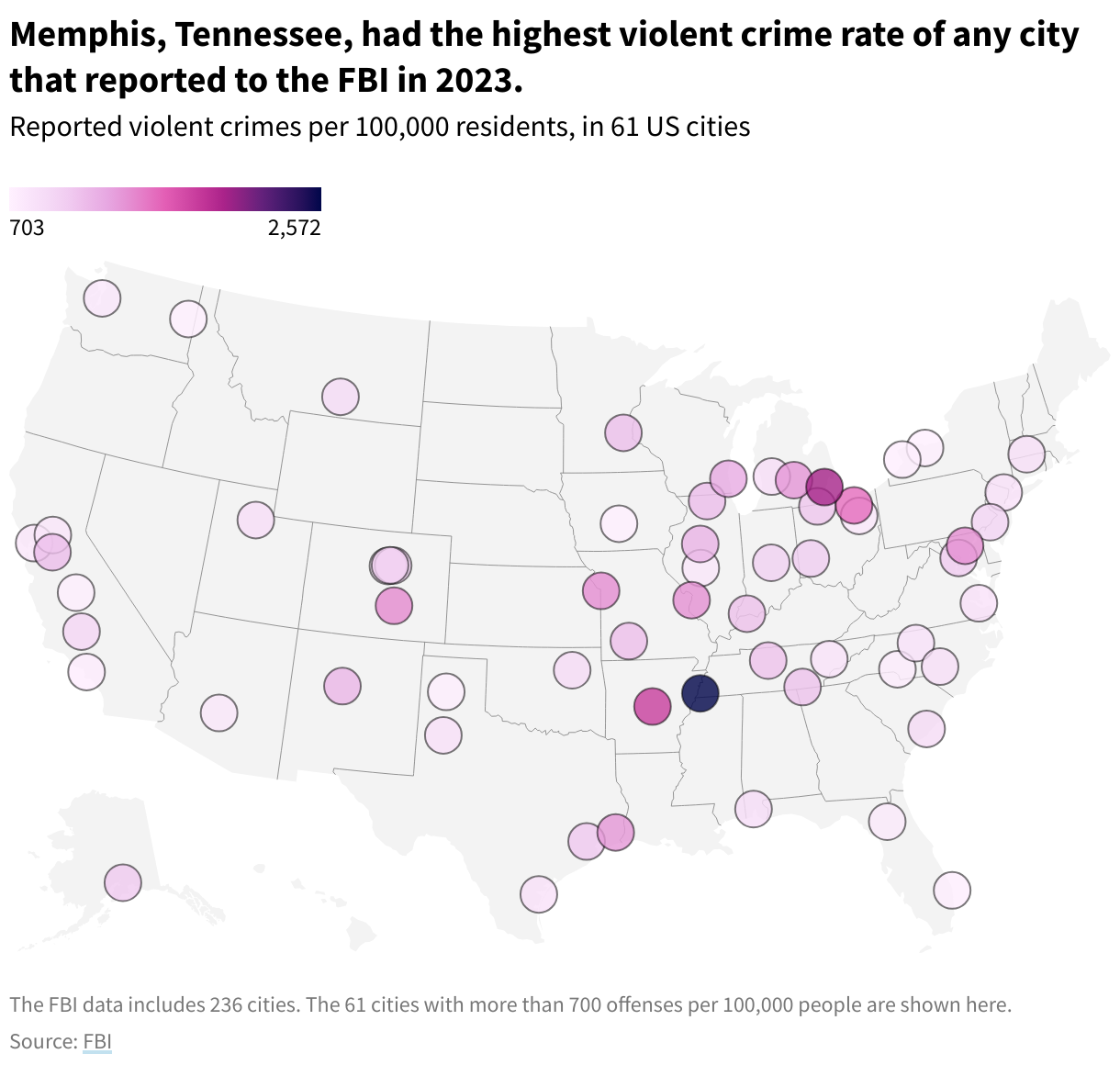
Understanding the landscape of violent crime in the United States requires a multidimensional analysis of demographic, socio-economic, and jurisdictional data. As of 2026, the metrics identifying cities or regions with the highest homicide rates are derived from localized Uniform Crime Reporting (UCR) data and specialized federal oversight, focusing on the number of homicides per 100,000 residents to ensure proportional comparisons between disparate population sizes.
Defining Methodology in Crime Statistics
To analyze the highest homicide rates, researchers must distinguish between absolute count and per capita rates. A city with a smaller population but a high volume of violent incidents will frequently outrank larger metropolitan areas that experience higher total crime but maintain a lower incident rate relative to their population density. In 2026, the standard for reporting continues to emphasize the importance of community-based reporting systems, which integrate localized data with the FBI’s National Incident-Based Reporting System (NIBRS).
The data presented here relies on standardized reporting across municipal law enforcement agencies. It is critical to note that inconsistencies in local reporting practices can impact year-over-year fluctuations. The following table illustrates the key variables analyzed when determining homicide rate rankings across major U.S. jurisdictions in 2026.
| Metric | Definition | Significance |
|---|---|---|
| Per Capita Rate | Homicides per 100,000 residents | Allows for accurate comparison of crime density. |
| Clearance Rate | Percentage of cases solved by arrest | Indicates the efficacy of local investigative units. |
| Socio-Economic Index | Average income and unemployment levels | Correlates with environmental risk factors for violence. |
| Response Capacity | Ratio of officers to total population | Reflects municipal resource allocation for public safety. |
Regional Trends and Urban Concentration
Throughout 2026, longitudinal data indicates that the highest homicide rates remain concentrated in specific urban corridors that face compounding challenges. These include deindustrialization, high rates of poverty, and an ongoing struggle with systemic resource gaps. Unlike mid-sized cities that may experience sudden spikes due to localized gang activity or specific cyclical events, cities with consistently high rates often face entrenched structural issues.
Regions identified as having high-intensity metrics often share several indicators:
- Educational Disparities: A direct correlation between high school completion rates and long-term community safety outcomes.
- Economic Stagnation: Lack of private sector investment leading to limited entry-level employment opportunities for youth.
- Healthcare Accessibility: Limited access to trauma-informed care and mental health resources, which are essential in mitigating the cycle of violence.
The Role of Law Enforcement and Community Intervention
The strategy for addressing the highest homicide rates in the United States has shifted significantly by 2026. The reliance on traditional policing is now supplemented by specialized community-based violence intervention (CVI) programs. These initiatives operate on the principle that violence is a public health issue rather than solely a criminal justice concern.
Operational Effectiveness in 2026
Modern municipal strategies now utilize data-driven predictive modeling to identify high-risk areas before violent incidents occur. This involves inter-agency collaboration between the Department of Justice, local task forces, and social work organizations. The objective is to provide proactive outreach to at-risk individuals, aiming to de-escalate conflicts before they transition into lethal confrontations.
Comparative Analysis: Per Capita Metrics
When evaluating where the highest homicide rates occur, it is essential to look at the persistence of the trend. Some cities see temporary spikes due to seasonal factors or localized unrest, whereas others have maintained high rankings over several reporting cycles. The following breakdown highlights the primary factors that distinguish high-rate municipalities in the current year.
- Geographic Isolation: Cities lacking proximity to major economic hubs often struggle with a tax base that is insufficient to support robust emergency services.
- Organizational Turnover: High turnover rates within local police departments frequently lead to a loss of institutional knowledge, which hampers complex homicide investigations.
- Institutional Trust: In areas where the relationship between the community and law enforcement has been historically strained, witness cooperation remains a critical barrier to increasing clearance rates.
Frequently Asked Questions
What does the term homicide rate mean in a statistical context? The homicide rate represents the frequency of homicides per 100,000 inhabitants within a specific jurisdiction, allowing for a standardized comparison between cities of different sizes. This metric is the industry standard used by the Department of Justice and academic researchers to assess public safety trends across the country.
Why do some small cities have higher rates than large metropolitan areas? Because the rate is calculated per capita, a small city with a population of 50,000 that experiences 25 homicides will have a significantly higher rate than a city of 1,000,000 experiencing 200 homicides. This statistical weighting highlights intense, localized problems that might otherwise be masked by the sheer volume of larger, safer cities.
How does the government track these statistics in 2026? As of 2026, the primary mechanism is the National Incident-Based Reporting System (NIBRS), which collects detailed data on every crime incident reported to law enforcement. This system provides a more granular view of criminal activity than the older, summary-based reporting methods.
Are these homicide rates expected to stabilize? Stabilization depends on a combination of long-term economic development, educational reform, and the successful implementation of violence intervention programs. While data shifts year-to-year, consistent policy application is recognized by experts as the primary driver for long-term reduction in homicide rates.
What is the impact of community violence intervention? Community violence intervention programs focus on non-police responses to potential violence. By deploying outreach workers who have existing trust within the community, these programs successfully mediate interpersonal conflicts that would otherwise result in lethal outcomes.
Strategic Outlook for Public Safety
The endeavor to lower homicide rates in the most affected areas of the United States requires a sustained commitment to resource equity. As we move through 2026, the focus has shifted away from purely punitive measures toward a holistic, evidence-based approach. For policymakers, this means funding trauma centers in underserved areas, expanding mental health crisis response teams, and prioritizing the professionalization of investigative units to ensure that justice is served for victims and their families.
Transparency remains the cornerstone of these efforts. By publishing accessible, accurate, and real-time data regarding local crime statistics, municipal governments foster accountability. Citizens, researchers, and local leaders utilize this information to advocate for the specific infrastructure and social support systems necessary to foster safer environments. Effective policy in 2026 is no longer just about the presence of security personnel; it is about the presence of opportunity, stability, and institutional support within the communities that need it most.