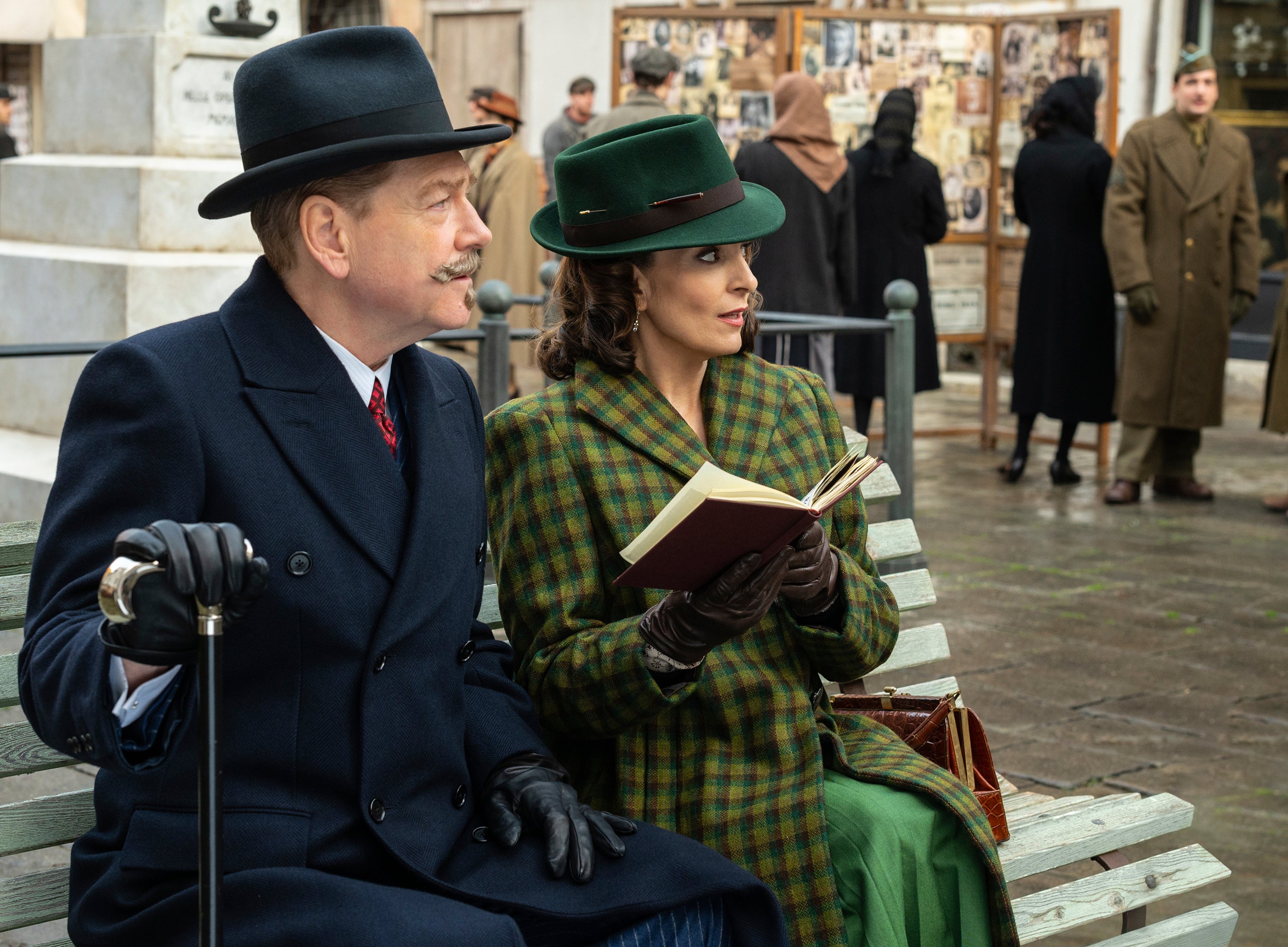
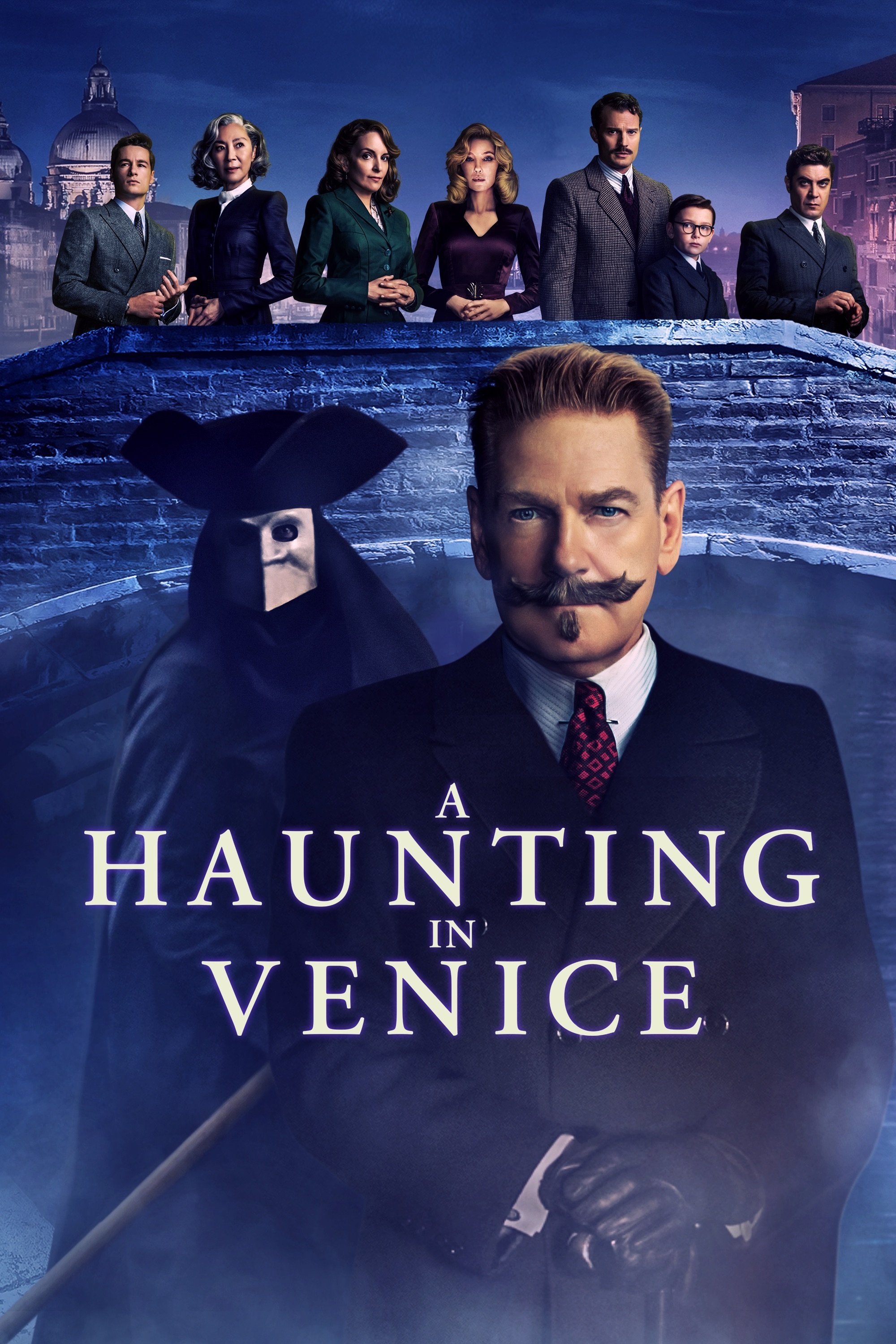
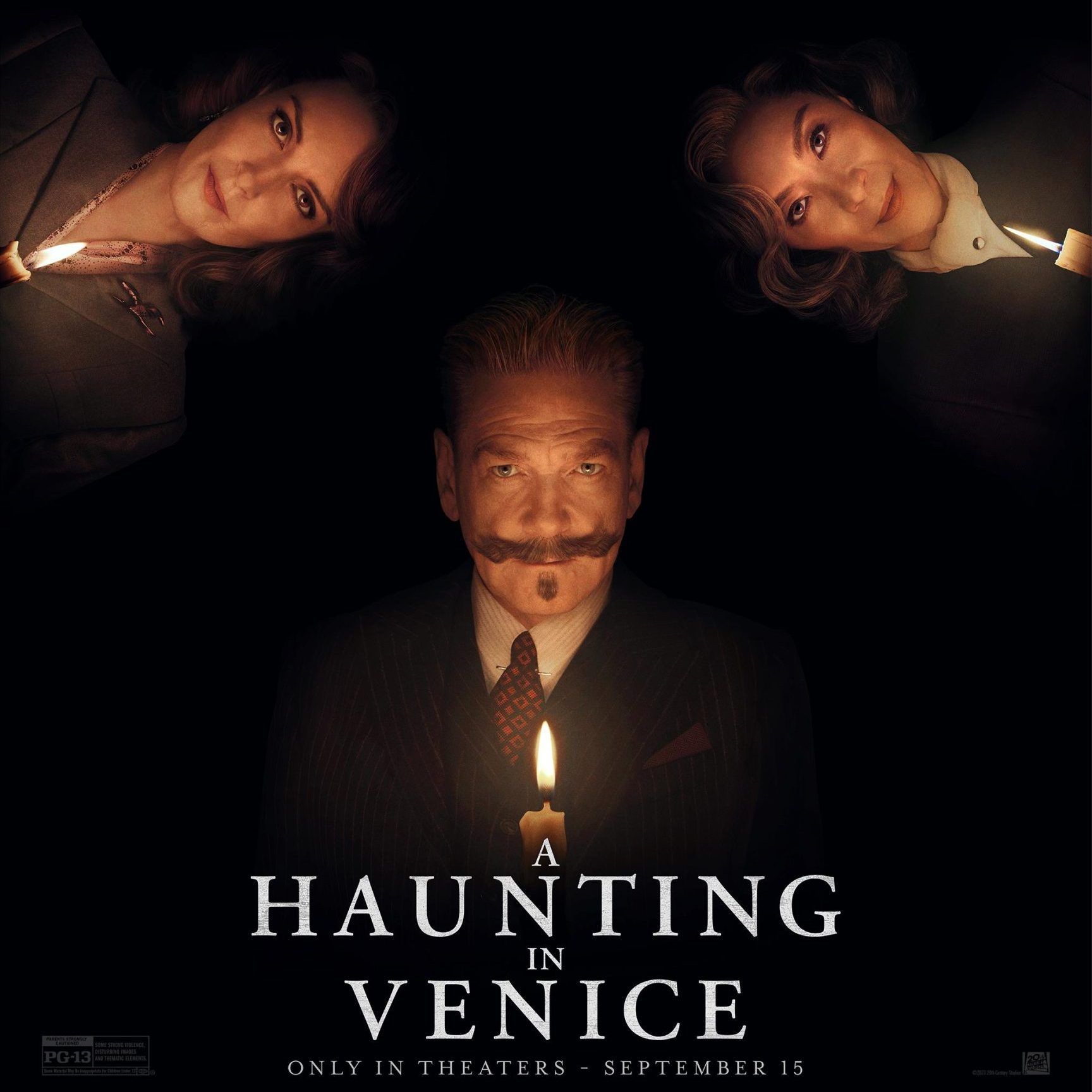
A Haunting in Venice, released in 2023, is the third installment in director Kenneth Branagh’s film series featuring Agatha Christie’s famed detective Hercule Poirot. Directed by and starring Branagh, the film shifts from the expansive, travelogue-style mystery of its predecessors to a claustrophobic, supernatural-tinged thriller set in a decrepit Venetian palazzo on Halloween night. Unlike traditional adaptations, the film takes significant creative liberties with Christie’s 1969 novel, Hallowe'en Party, blending psychological tension with classic whodunit mechanics to explore the boundaries of the rational mind.
Evolution of the Poirot Franchise
The cinematic journey of Hercule Poirot under Kenneth Branagh began with Murder on the Orient Express (2017) and continued with Death on the Nile (2022). Both films were marked by grand, sweeping cinematography and expansive ensemble casts designed to mirror the "event cinema" style of 1970s adaptations. A Haunting in Venice represents a deliberate pivot in tone, visual language, and narrative scope.
By opting for a single, isolated location—the Palazzo Tiepolo—Branagh minimized the scale to focus on atmospheric dread. The film serves as a character study, placing a retired, cynical Poirot in a scenario where he must reconcile his unwavering reliance on logic with the inexplicable occurrences surrounding a séance. This shift reflects a trend in modern mystery adaptations: moving away from the "cozy" tropes of the mid-20th century toward darker, more character-driven psychological narratives that prioritize internal trauma over mere puzzle-solving.
Adapting Hallowe'en Party for the Screen
Agatha Christie’s original 1969 novel, Hallowe'en Party, is set in an English village and focuses on a murder that occurs during a children’s festive evening. Michael Green, the screenwriter for all three of Branagh’s Poirot films, made the bold decision to relocate the story entirely. Moving the setting to post-World War II Venice provided a unique gothic backdrop that Christie’s original English village setting could not offer.
The adaptation functions more as a thematic reinterpretation than a literal translation. By introducing the element of a medium and the potential for supernatural influence, the film forces the protagonist to confront the limits of his empirical methodology. While purists of the original source material often debate the validity of such sweeping changes, the film maintains the structural integrity of the mystery genre: a gathering of suspicious individuals, a confined space, a sudden death, and a methodical detective working to peel back the layers of deception.
The Technical Craft of Gothic Suspense
The production design of A Haunting in Venice is critical to its status as a horror-mystery hybrid. The Palazzo Tiepolo was constructed using a combination of practical sets and on-location shooting in Venice to evoke a sense of decay and historical weight. The use of Dutch angles—a signature of Branagh’s visual style—is employed here to create a feeling of disorientation and unease.
Cinematographer Haris Zambarloukos utilized low-light conditions and high-contrast lighting to emphasize the claustrophobia of the setting. The technical approach was to treat the house itself as a secondary character, where the architecture, shadows, and reflections play as much a part in the mystery as the dialogue. This focus on "gothic noir" creates a specific viewing experience that demands a different pace of engagement compared to the more brightly lit, wide-angle shots of Death on the Nile.
Understanding the Narrative Structure
The plot follows a structured progression common in locked-room mysteries, though it incorporates elements of the ghost story to keep the audience guessing. Below is a breakdown of how the narrative elements are balanced:
| Narrative Element | Role in A Haunting in Venice |
|---|---|
| The Detective | Poirot, now retired, seeks distance from human cruelty and mystery. |
| The Catalyst | An invitation to a séance that challenges his skepticism. |
| The Setting | A derelict palazzo, cut off from the city by a storm, creating isolation. |
| The Conflict | The tension between rational detective work and potential spiritual intervention. |
| The Resolution | A return to logic, identifying human greed and trauma as the true source of "hauntings." |
Prerequisite Viewing and Context
While A Haunting in Venice functions as a standalone entry, viewers unfamiliar with the preceding films may lack context regarding Poirot’s emotional state. The film assumes a familiarity with the detective’s past losses and his general worldview. For those approaching the film for the first time, consider the following checklist to enhance the experience:
- Character Familiarity: Recognize that Branagh’s Poirot is significantly more melancholic than previous iterations in television or film.
- Genre Expectations: Be prepared for a shift toward jump scares and atmospheric horror; this is not a traditional "drawing room" mystery.
- Historical Context: Understand the film’s post-WWII setting, as the characters' motivations are deeply rooted in the trauma of the war.
- Source Material: It is not necessary to have read Hallowe'en Party, as the plot and setting are substantially different from the original text.
Frequently Asked Questions
Is A Haunting in Venice a true supernatural horror movie?
While the film utilizes tropes from the horror genre, including séances, ghosts, and jump scares, it is fundamentally a mystery film. The narrative eventually resolves these supernatural threats through the lens of rational deduction, consistent with Hercule Poirot’s character and Agatha Christie’s traditional storytelling style.
Do I need to watch the previous Branagh Poirot films to understand this one?
No, the film is self-contained in terms of the murder investigation. However, watching Murder on the Orient Express and Death on the Nile provides a deeper understanding of Poirot’s psychological journey and why he is in a state of retirement at the beginning of this film.
How closely does the film follow the original book?
The film is a very loose adaptation. While it borrows characters and the general concept of a tragedy occurring at a social gathering, the location (Venice vs. an English village), the time period, and several core plot developments were entirely overhauled for the screen.
Who is the target audience for this film?
The film is intended for fans of classic detective fiction who appreciate a gothic, atmospheric twist. It appeals to viewers who enjoy character-driven mysteries rather than just plot-focused puzzles, and it is suitable for those who enjoy the blending of investigative thriller elements with psychological horror.
Is the film appropriate for younger viewers?
The film is rated PG-13. It contains themes of murder, psychological trauma, and frightening imagery. Parents or guardians should note that the tone is significantly darker than previous Poirot adaptations, with a persistent sense of dread and several intense, suspenseful sequences.
Preparing for the Investigation
To get the most out of A Haunting in Venice, approach the viewing with an eye toward the details. Watch the interaction between the characters during the séance closely; the film relies heavily on the "unreliable narrator" device, where every character possesses a motive for deceit. Because the film is available on multiple streaming platforms and digital rental services as of 2026, viewers have the advantage of being able to re-examine specific scenes to track the detective’s observations—a highly recommended strategy for those who enjoy solving the mystery alongside Poirot.