As of 2026, the international gymnastics landscape is defined by the continued dominance of the United States in women’s artistic gymnastics and a fierce rivalry between Japan and China on the men’s side. Following the Paris 2024 Games, medal trends show a significant shift toward athlete longevity and the rise of "specialist" nations like Brazil and Italy, challenging the traditional power hierarchy.
Gymnastics remains one of the most prestigious and technically demanding sports in the Olympic program. Since the departure from the "Perfect 10" scoring system in 2006, the sport has evolved into a high-stakes calculation of risk versus execution. As we look at the standings in 2026, midway through the cycle leading to the Los Angeles 2028 Games, the data reveals not just who is winning, but how the methodology of training and competition is shifting globally.
Current Individual Gold Medal Standings and World Leaders
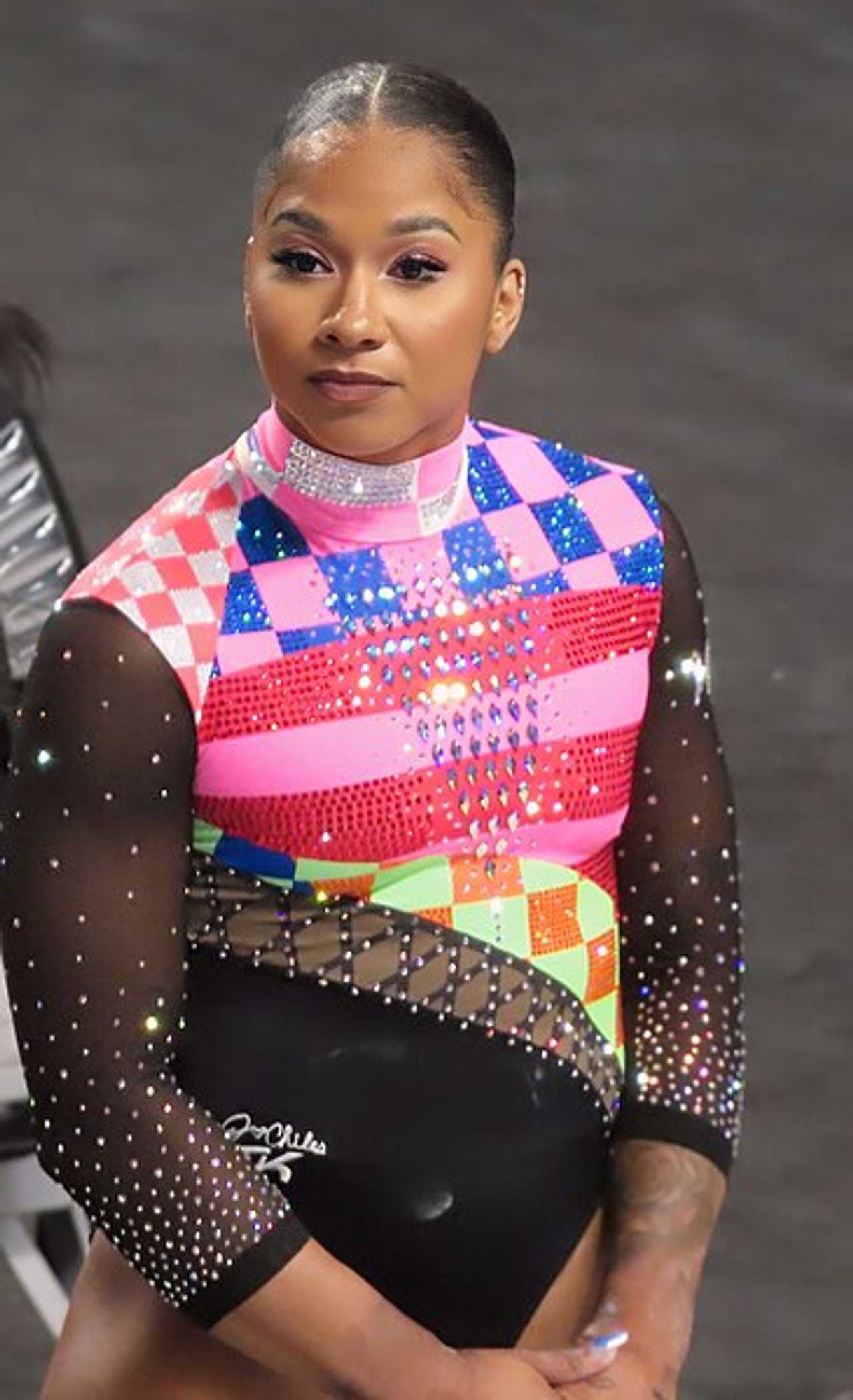
In the current 2025-2026 competitive cycle, individual standings are largely influenced by the outcomes of the Paris 2024 Olympic Games and the subsequent 2025 World Championships. In the women’s division, Simone Biles remains the statistical outlier, having secured her legacy as the most decorated gymnast in history. However, the emergence of Rebeca Andrade (Brazil) as a consistent gold-medal threat on vault and floor has created the first genuine individual rivalry the sport has seen in decades.
On the men’s side, Shinnosuke Oka of Japan has solidified his position as the "all-around" king following his multi-gold performance in Paris. The men’s standings are currently characterized by a high degree of parity among the top five athletes, with Zhang Boheng (China) and Illia Kovtun (Ukraine) frequently swapping positions on the podium in international circuits.
The gold medal standings are not merely a reflection of talent but of strategic "difficulty" (D-score) management. Athletes who can maintain a D-score of 6.5 or higher on multiple apparatuses while keeping execution (E-score) deductions below 1.5 are the current leaders in the world rankings. This technical threshold has become the baseline for anyone eyeing a gold medal in the 2026-2028 timeframe.
Top Nations: The Power Hierarchy in 2026
The "Big Three" of gymnastics—the United States, China, and Japan—continue to hold the majority of the hardware, but their paths to victory differ significantly. Understanding these national strategies is essential for analyzing current standings.
The United States: Women’s Artistic Gymnastics (WAG) Supremacy
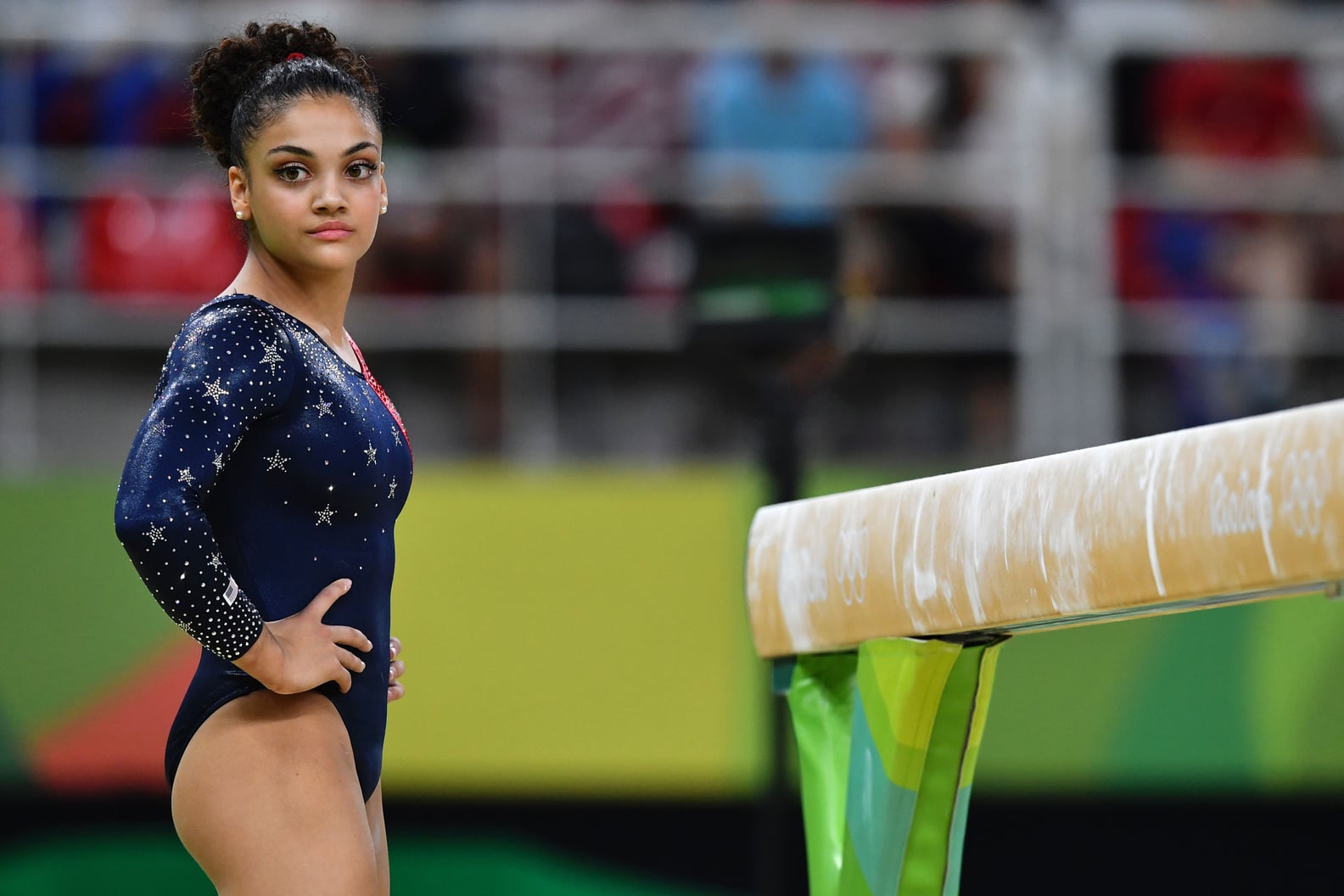
The U.S. women’s team has maintained its gold-medal streak by leveraging a deep pool of talent facilitated by the NCAA pipeline and a centralized developmental program. The U.S. strategy focuses on high-difficulty tumbling and vaulting. In 2026, the U.S. remains the nation to beat in the team final, possessing a "B-team" that is often statistically stronger than most other nations' primary squads. The primary challenge for the U.S. in this cycle is managing the transition as veteran stars move toward retirement and a new generation of juniors enters the senior ranks.
Japan and China: The Battle for Men’s Artistic Gymnastics (MAG)
The rivalry between Japan and China is the cornerstone of men's gymnastics. Japan’s philosophy emphasizes "beautiful gymnastics"—near-perfect form and pointed toes—which maximizes E-scores. China, conversely, often pushes the boundaries of D-scores, performing some of the most difficult releases and strength holds in the world. As of 2026, Japan holds the edge in the team standings due to their superior consistency across all six apparatuses, whereas China remains dominant in individual events like Parallel Bars and Still Rings.
The Rise of Brazil and Italy
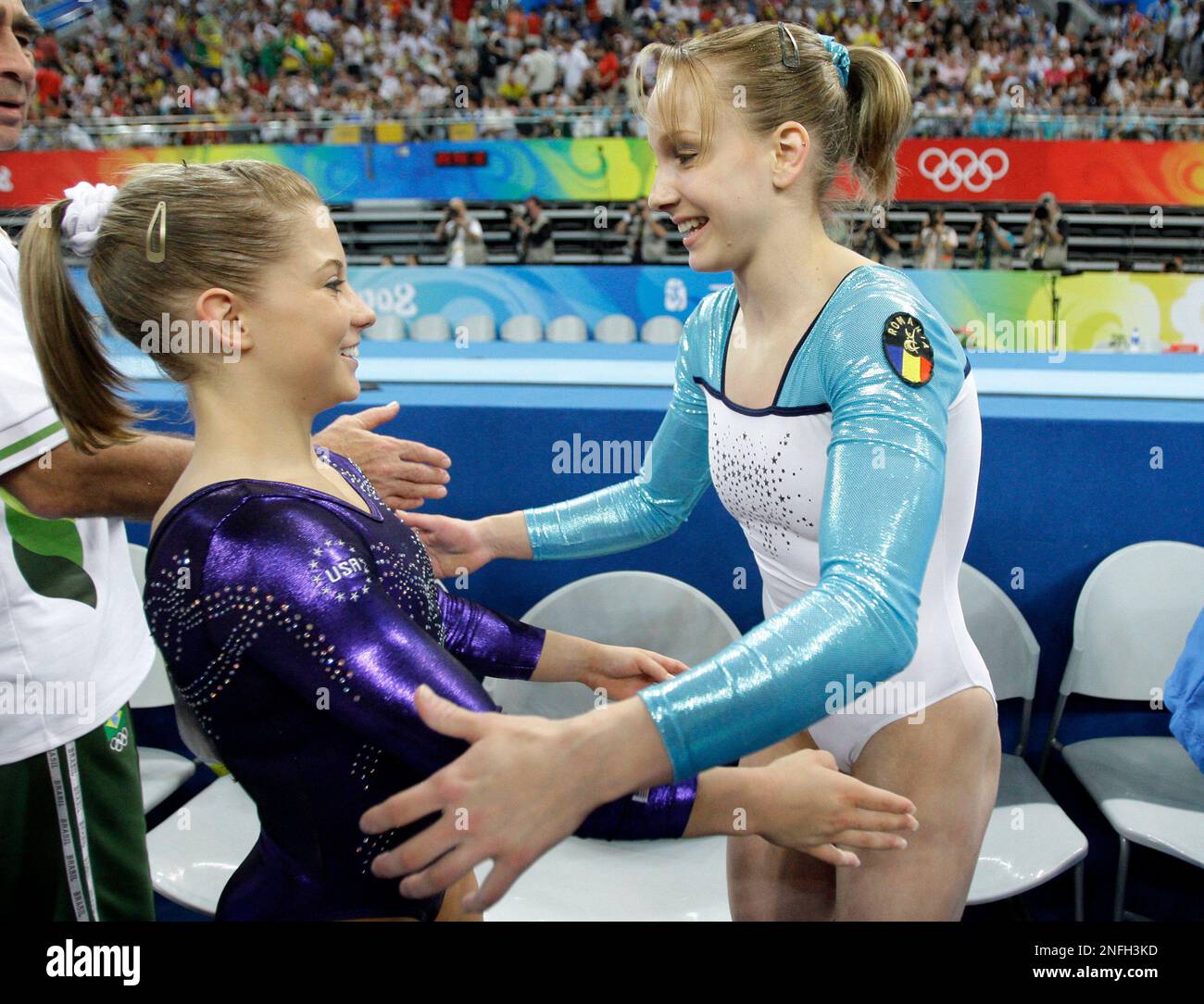
One of the most notable trends in 2026 is the solidification of Brazil and Italy as top-tier nations. Brazil, led by Rebeca Andrade and Flávia Saraiva, has successfully disrupted the traditional US-China-Russia triad. Italy has seen a surge in its women's program, particularly on the Uneven Bars and Floor Exercise, winning multiple European titles and Olympic medals. These nations have invested heavily in specialized coaching and international training camps, proving that a concentrated focus on specific apparatuses can lead to overall team success.
Olympic Medal Trends: Evolution of the Sport
Analyzing medal trends over the last decade reveals several structural shifts in how gymnastics is judged and who reaches the podium.
The Longevity Revolution
Historically, women’s gymnastics was a sport for teenagers, with many athletes retiring by age 19. In 2026, we see a dramatic reversal. The average age of Olympic medalists has risen significantly. Athletes like Simone Biles, Jade Carey, and Rebeca Andrade are competing—and winning—well into their 20s. This trend is attributed to better sports science, improved recovery protocols, and the financial viability of professional gymnastics, allowing athletes to treat the sport as a career rather than a childhood hobby.
Difficulty vs. Execution: The Scoring Balance
Since the introduction of the open-ended scoring system, there has been a constant tug-of-war between "throwing" harder skills and performing simpler skills perfectly. Recent trends in 2024 and 2025 suggest that judges are becoming more punitive regarding execution. Small errors, such as flexed feet or slight hops on landings, are now costing athletes more than they did in the 2012 or 2016 cycles. This has forced nations to recalibrate their training to prioritize "clean" routines over sheer acrobatic difficulty.
The "Specialist" Path to Gold
With the Olympic qualification rules becoming increasingly complex, more athletes are focusing on becoming "event specialists." Instead of training all four (women) or six (men) events, gymnasts are perfecting one or two. This trend has led to a wider distribution of gold medals among different nations. In 2026, a nation like Ireland or the Philippines can realistically aim for a gold medal on Pommel Horse or Vault without having a competitive full team.
Comparative Data: Recent Olympic and World Medal Performance
The following table outlines the medal distribution from the most recent major global cycle (Paris 2024 through early 2026), highlighting the dominance of the top five nations.
| Nation | Gold Medals (Artistic) | Silver Medals | Bronze Medals | Primary Strength |
|---|---|---|---|---|
| United States | 5 | 3 | 2 | Women's Team, Vault, Floor |
| Japan | 4 | 2 | 3 | Men's All-Around, High Bar |
| China | 3 | 4 | 2 | Parallel Bars, Still Rings |
| Brazil | 2 | 1 | 2 | Women's Vault, Floor |
| Italy | 1 | 2 | 2 | Women's Beam, Uneven Bars |
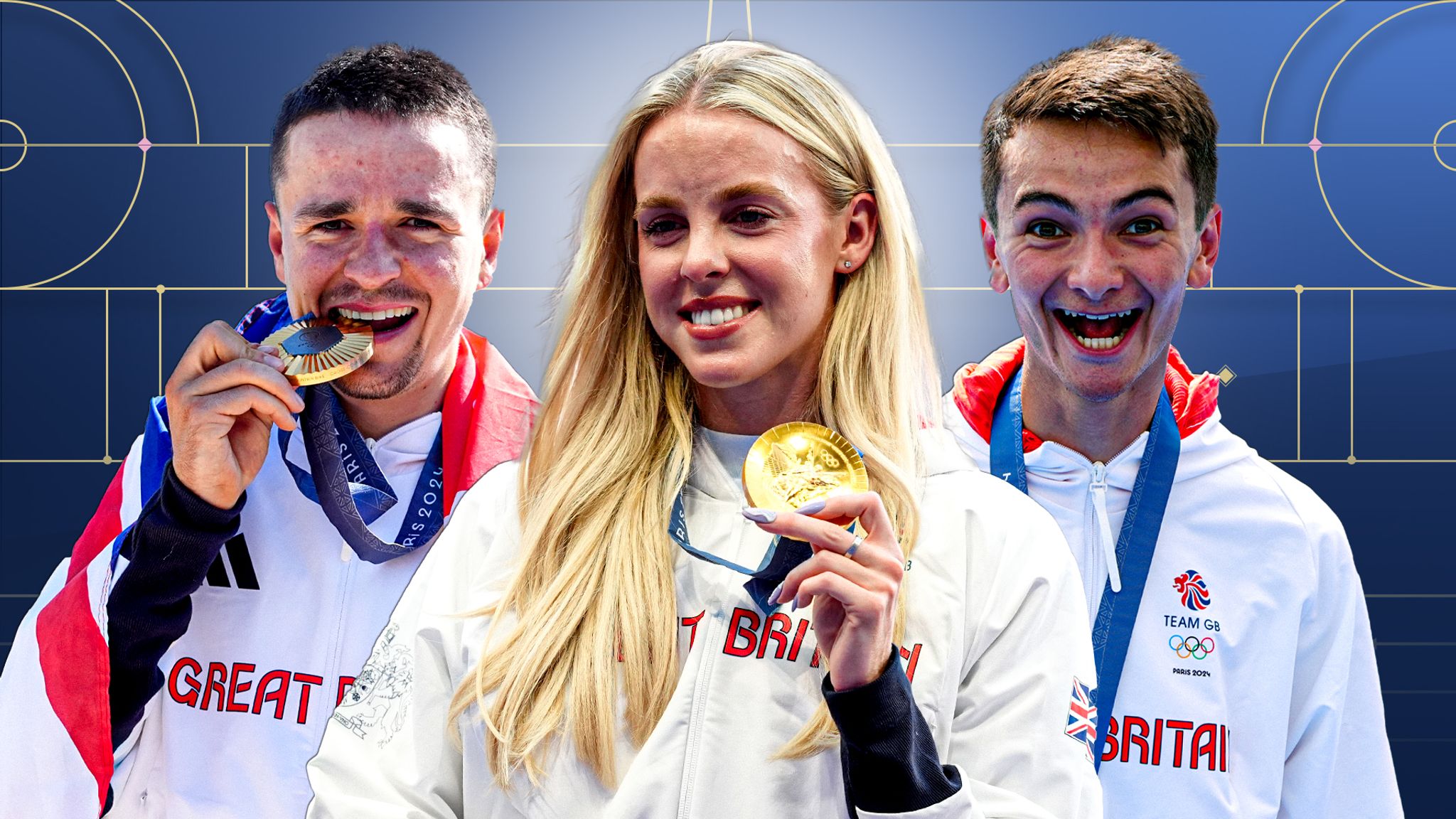
| Great Britain | 1 | 1 | 2 | Men's Pommel Horse, Floor |
Note: Data reflects combined totals from the Paris 2024 Games and 2025 World Championships.
Technical Depth: The Mechanics of Winning
To understand the current standings, one must look at the Code of Points (CoP). The CoP is the rulebook that defines the value of every movement. In the 2025-2028 cycle, the FIG (International Gymnastics Federation) has introduced stricter requirements for "artistry" in women’s floor and beam routines. This means that a gymnast cannot simply perform difficult tumbling; they must also demonstrate dance, rhythm, and choreography that connects with the music.
For the men, the trend has been toward increasing the complexity of release moves on the Horizontal Bar. The current gold medalists are typically those who can chain two or three "Tkatchev" or "Kovacs" variations together without a pause. This requires immense grip strength and spatial awareness, which has become a focus of the Japanese and Chinese training regimes.
Future Outlook: The Road to Los Angeles 2028
As we progress through 2026, the focus shifts toward the 2027 World Championships, which will serve as the primary qualifier for the LA 2028 Olympics. We expect to see:
- Junior Integration: The athletes born in 2010 and 2011 will begin their senior debuts, potentially disrupting the current standings.
- Technological Integration: The use of AI-assisted judging, which began as a pilot program, is expected to become more prominent, providing real-time feedback on angles and rotations to ensure fairer scoring.
- Sustainability in Training: More nations are adopting "low-impact" training surfaces and video analysis to reduce the career-ending injuries that plagued the sport in the past.
Frequently Asked Questions
Who is the highest-ranked gymnast in the world in 2026?
Ranking depends on the discipline. In Women’s Artistic Gymnastics (WAG), Simone Biles (USA) remains the top-ranked individual based on historical medal count and recent difficulty scores. In Men’s Artistic Gymnastics (MAG), Shinnosuke Oka (Japan) currently holds the top spot as the reigning Olympic All-Around champion.
Which country has won the most Olympic gold medals in gymnastics?
Historically, the Soviet Union holds the record for the most gold medals. However, in the modern era (post-1992), the United States has dominated the women's medal count, while China and Japan have led the men's standings.
How has the scoring system changed for the 2025-2026 cycle?
The current cycle has placed a heavier emphasis on "landing control" and "artistic composition." Deductions for steps on landings have become more severe, and women’s routines must show a greater variety of dance movements to avoid neutral deductions.
Why are older gymnasts winning more medals now?
The shift is due to a combination of improved sports medicine and a change in the Code of Points that rewards experience and technique over "raw power" that can be harder on younger bodies. Additionally, many athletes now utilize the NCAA system in the US to maintain their skills while gaining an education, extending their competitive window.
What are the key events to watch in 2026?
The 2026 World Artistic Gymnastics Championships are the focal point of the year. Additionally, the Continental Championships (European, Pan-American, Asian) provide critical data on how the "New Guard" of athletes is progressing against established veterans.
Tracking the Path Forward
For fans and analysts looking to stay current with gymnast gold medal winners and nation standings, the most effective method is to follow the FIG World Cup series. Unlike the Olympics, which occur every four years, the World Cup circuit provides a continuous stream of data on athlete form and new routine compositions.
To truly understand who will stand on the podium in 2028, watch the "Execution" scores during the 2026 season. While difficulty gets an athlete to the final, execution wins the gold. Pay close attention to the development of the Italian and Brazilian women's teams, as their trajectory suggests they may challenge for the team gold in the upcoming Los Angeles Games.