When launching a crowdfunding campaign in 2026, understanding the precise financial structure behind GoFundMe is critical for effective fundraising. While the platform is often marketed as free for organizers, the reality involves unavoidable transaction processing costs that impact the total net amount received by the beneficiary. This guide breaks down the current fee ecosystem, payment protocols, and financial strategies to maximize your campaign outcomes.
The Core Fee Structure Explained
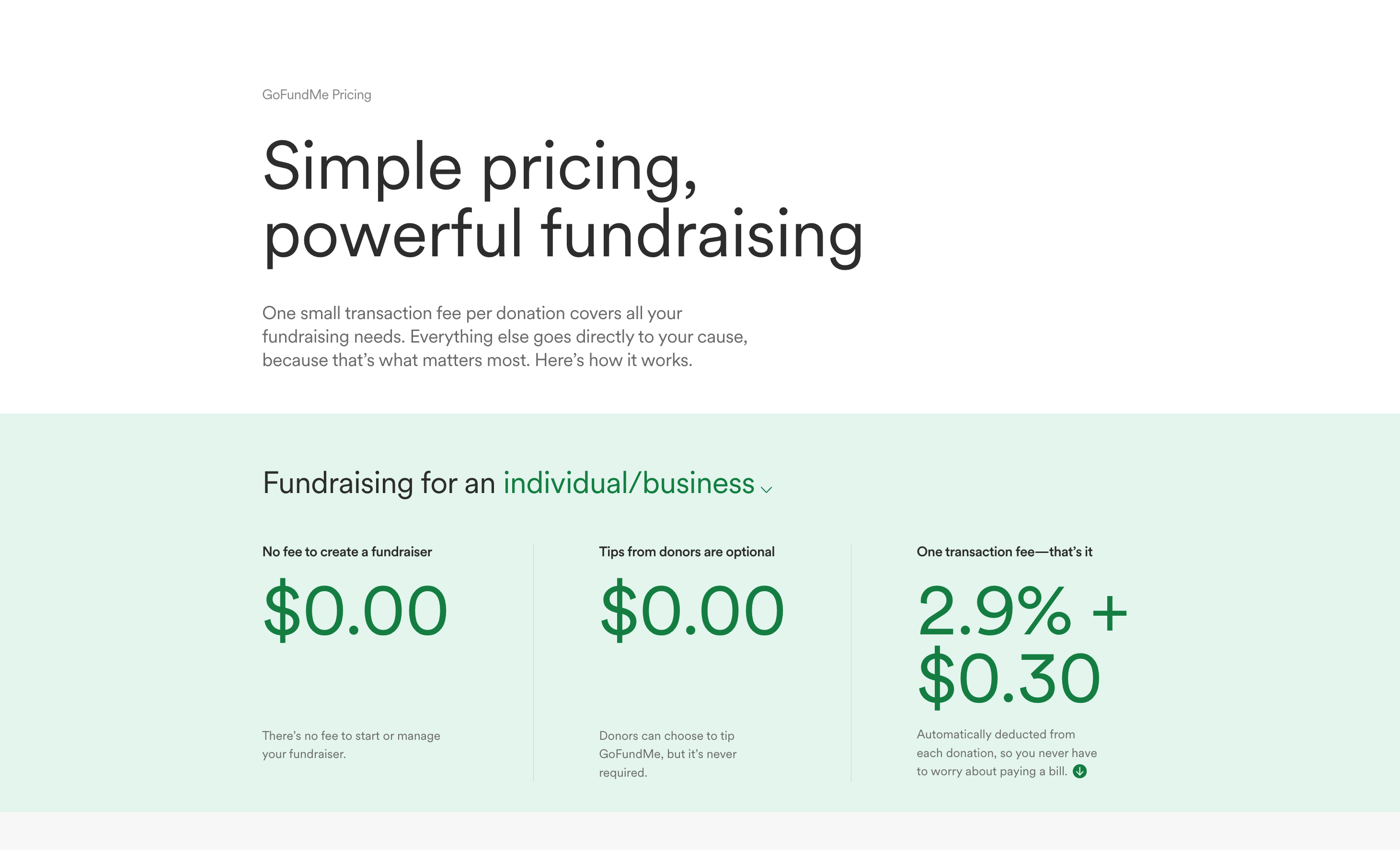
As of 2026, GoFundMe operates under a zero-platform-fee model for personal and charitable campaigns in the United States, Canada, the United Kingdom, and several other supported countries. This means the company does not take a percentage of the funds raised for their own operational revenue. Instead, they rely on voluntary tips from donors and mandatory third-party payment processing fees.
These processing fees are not retained by GoFundMe; they are strictly paid to the payment processors, such as Stripe or Adyen, which handle the secure movement of funds from the donor’s credit card or digital wallet to the bank account of the beneficiary.
Breakdown of Transaction Fees
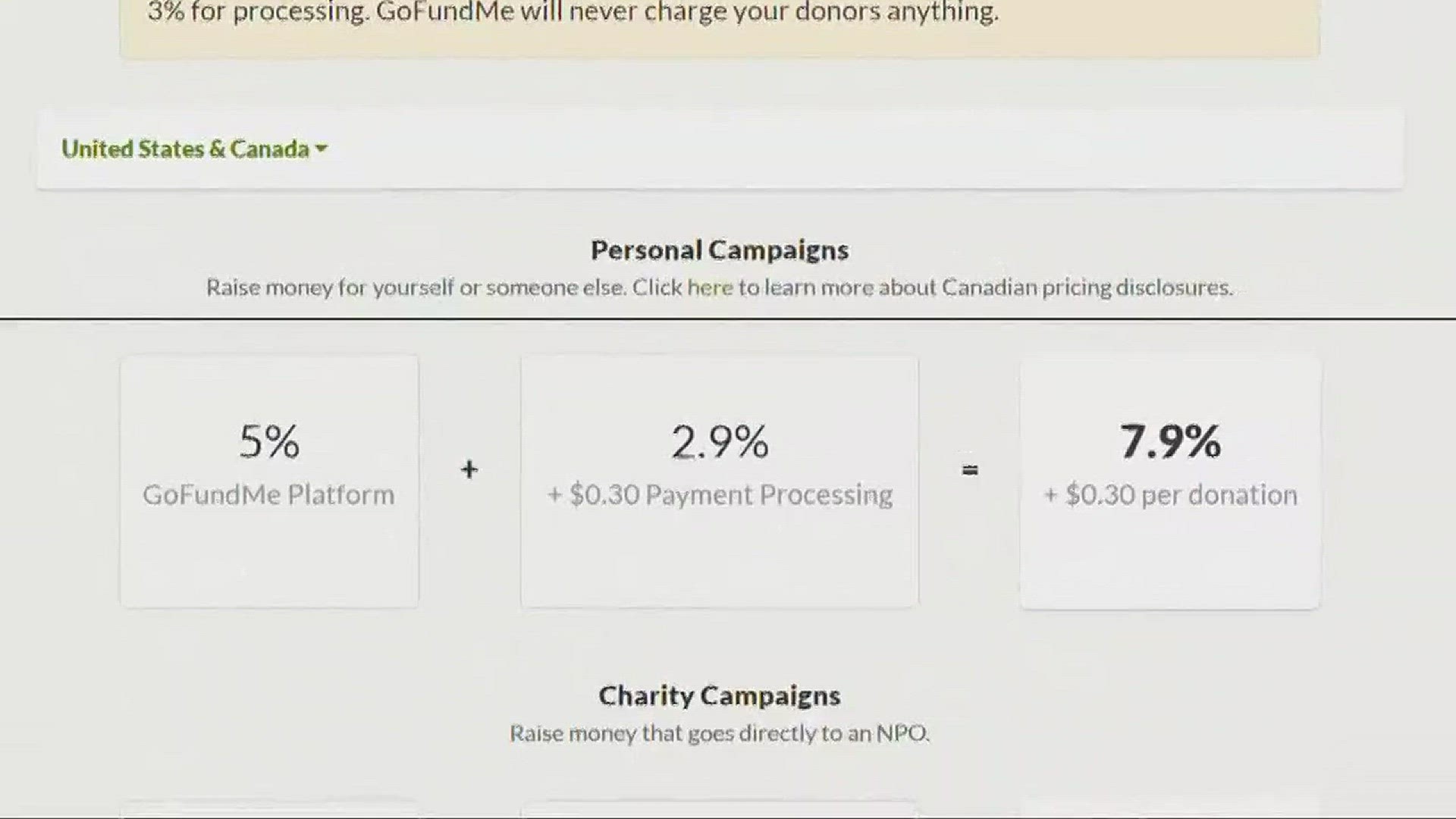
The standard fee structure for 2026 remains consistent across most major regions. It is essential to account for these costs when setting your campaign goal to ensure the net total meets your financial requirements.
| Fee Type | Current Rate (US) | Description |
|---|---|---|
| Processing Fee | 2.9% + $0.30 | Applied per individual transaction. |
| Platform Fee | 0.0% | Voluntary tips cover platform operations. |
| Disbursement Fee | $0.00 | No cost for standard bank transfers. |
| International Fee | Variable | Applicable if the donor currency differs from the account currency. |
Why Voluntary Tips Influence Your Bottom Line
When donors reach the final stage of the checkout process, they are presented with an option to leave a voluntary tip to GoFundMe. This tip is entirely separate from the donation amount designated for the campaign. Understanding this is vital for managing donor expectations.
Some potential donors may be confused by this prompt, fearing that the "tip" is actually a service fee deducted from the creator's campaign total. It is professional practice to communicate clearly in your campaign description or updates that donors are not required to tip, and that tipping is an optional way to support the infrastructure of the site. If you find that your donors are hesitant, a brief note explaining that the platform fee is zero can encourage higher conversion rates.
Strategies for Mitigating Fee Impact
While payment processing fees are mandatory, you can optimize your campaign to ensure you hit your targets despite these deductions.
- Increase Your Goal by 5% to 10%: Always account for the roughly 3% transaction fee when determining the total amount you need to raise. Setting a goal that is slightly higher than your actual requirement acts as a buffer against these processing costs.
- Encourage Larger, Fewer Donations: Since the $0.30 portion of the transaction fee is fixed regardless of the donation size, fewer donations of larger amounts are technically more cost-effective than a high volume of small micro-donations.
- Utilize Direct Transfers: Ensure your banking information is linked correctly to the platform’s payment processor. Incorrect banking details can trigger payment reversals, which may incur additional administrative fees or bank penalties from your own financial institution.
Managing Payouts and Timing
In 2026, GoFundMe utilizes automated, secure banking systems to expedite payouts. Once a donation is processed, it is generally held for a standard verification period—usually 2 to 5 business days—before being released to the connected bank account.
Important Operational Note
Beneficiary Verification: Ensure that the person receiving the funds has verified their identity through the platform's KYC (Know Your Customer) compliance protocols. Delays in fund disbursement are almost exclusively caused by incomplete identity verification, which can pause the transfer of funds indefinitely until tax and identity documentation are provided.
Technical Requirements for Successful Transfers
To ensure that funds move from the payment processor to your account without friction, verify that your financial institution supports the current transaction protocols used by GoFundMe.
- Bank Account Type: You must use a checking account that accepts electronic transfers (ACH). Savings accounts or non-standard money market accounts may be rejected by the processor.
- Currency Matching: The currency of the bank account must match the currency in which the campaign was set up. Attempting to deposit USD into a EUR account will trigger bank-side currency conversion fees and potential transfer failures.
- Tax Documentation: For campaigns exceeding specific thresholds set by the IRS in 2026, you will be required to provide a Taxpayer Identification Number (TIN) or Social Security Number (SSN). Failure to provide this will result in the suspension of all payouts.
Frequently Asked Questions
Are there any hidden fees for starting a campaign?
No, there are no upfront costs to launch a campaign on GoFundMe in 2026. The only costs incurred are the standard payment processing fees deducted from each successful donation.
Can I avoid paying the 2.9% processing fee?
The processing fee is mandatory because it covers the costs charged by credit card companies and payment networks. There is no legal or technical way to bypass these fees while using the platform's built-in payment infrastructure.
Does the person donating pay the fees?
Donors only pay the processing fee if they choose to cover it during the checkout flow; otherwise, the fee is deducted from the donation amount. The optional tip is completely voluntary and does not affect the campaign's net total.
What happens if I receive a chargeback?
If a donor disputes a charge through their bank, the transaction is reversed. You will lose the donation amount, and you may be charged a "chargeback fee" by the payment processor to cover the administrative costs of the dispute.
Does GoFundMe charge for charity campaigns?
Charitable organizations may have access to different pricing structures depending on their tax-exempt status and the tools used to integrate donations. Verify your organization’s eligibility through the GoFundMe Charity dashboard for potential rate adjustments.
Final Recommendations for Campaign Success
To maximize the efficiency of your fundraising efforts in 2026, focus on transparency. Donors are more likely to contribute when they understand exactly where their money is going. By acknowledging the necessary transaction fees, you build trust and demonstrate a sophisticated approach to your campaign management. Ensure your bank account is active and verified long before you hit your fundraising goals to prevent any delays in accessing your capital when it is needed most.