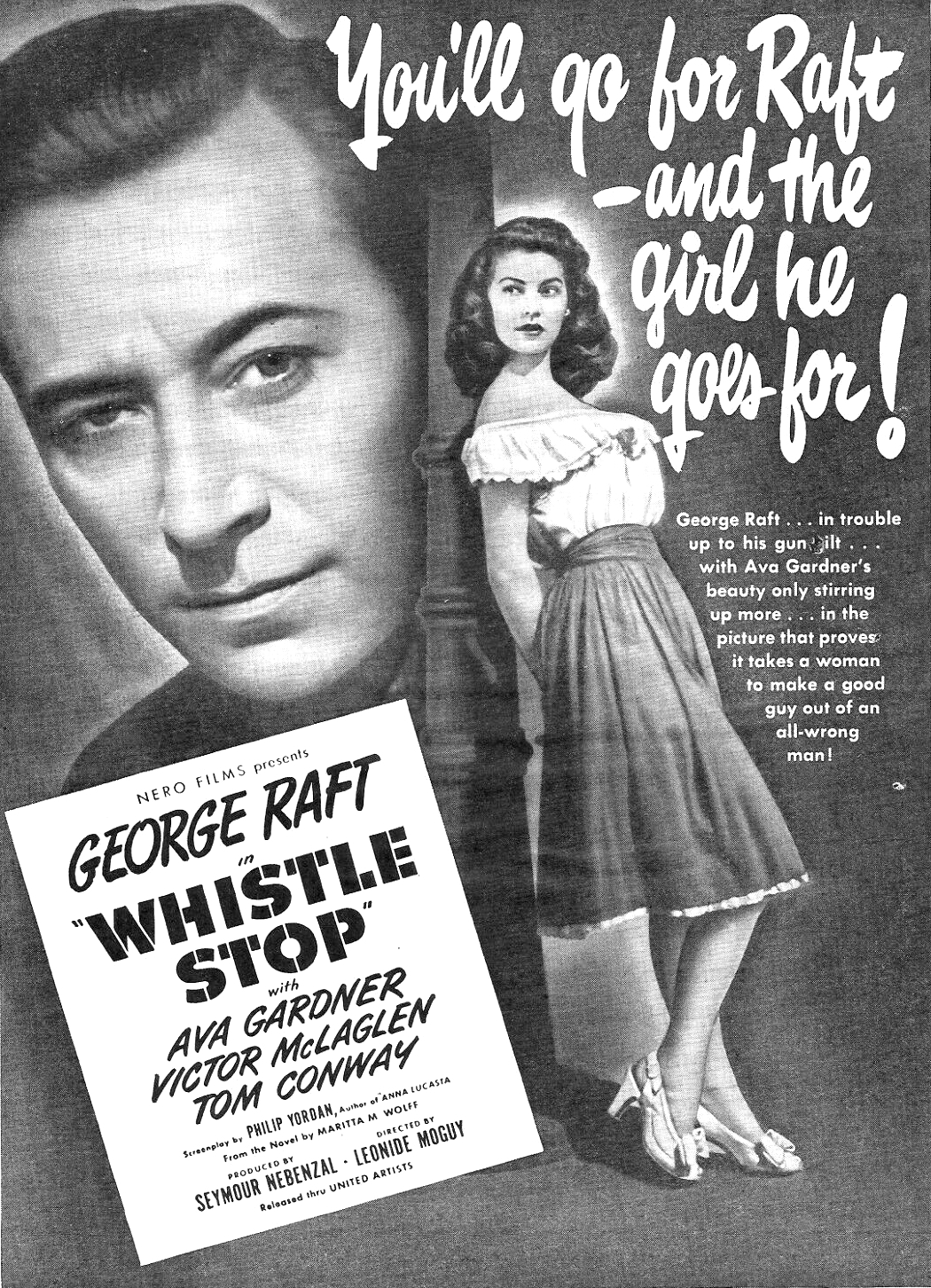
In the mid-20th century, George C. Scott and Ava Gardner stood as two of the most formidable personalities in cinema, though their financial trajectories and legacies were shaped by vastly different forces. As of 2026, George C. Scott’s estate remains a testament to a career built on technical mastery and a refusal of industry norms, while Ava Gardner’s legacy continues to be defined by her transition from a studio-system star to an independent international icon. At the time of their respective deaths, George C. Scott’s net worth was estimated at approximately $1 million to $2 million, while Ava Gardner’s estate was valued between $200,000 and $500,000, largely reflecting her high-cost lifestyle in London and medical expenses later in life.
The Financial Evolution of George C. Scott
George C. Scott was a quintessential "actor's actor," a man who prioritized the integrity of the performance over the glamour of the industry. This philosophy directly influenced his career earnings. Unlike many of his contemporaries who sought long-term, lucrative studio contracts, Scott often worked as a freelance power player, commanding high fees for specific roles but also taking risks on theatrical productions and smaller, character-driven films.
The Patton Era and Salary Peaks
Scott’s most financially significant period began in 1970 with his iconic portrayal of General George S. Patton. While his exact salary for Patton was not a matter of public record in the same way modern blockbuster salaries are, it catapulted him into the "A-list" bracket where he could command upwards of $500,000 to $1 million per film during the 1970s. This was a substantial sum at the time, equivalent to several million dollars in 2026 currency.
However, Scott’s famous refusal of the Academy Award for Best Actor for Patton had a complex effect on his marketability. While it bolstered his reputation for integrity, it also signaled to studios that he was "difficult," which occasionally limited his participation in the massive commercial franchises that would have expanded his net worth.
Late-Career Television and Stage Work
In the 1980s and 1990s, Scott transitioned heavily into television movies and miniseries. This move was financially strategic. Television work during this era offered high upfront pay for shorter filming schedules. Projects like A Christmas Carol (1984) and Mussolini: The Untold Story (1985) ensured a steady stream of income. Despite this, Scott’s five marriages and subsequent divorces significantly impacted his liquid assets, leading to a more modest net worth at the time of his passing in 1999 than his high-earning years might have suggested.
Ava Gardner’s Rise from Studio Contract to Independent Star
Ava Gardner’s financial journey is a classic study in the transition from the "Old Hollywood" studio system to the era of the independent international star. Born into poverty in North Carolina, her initial contracts with MGM were surprisingly modest.
The MGM Years
During her early years at MGM in the 1940s, Gardner was under a standard contract that paid her roughly $400 to $500 per week. Even as she became a global sensation with films like The Killers (1946) and Mogambo (1953), the studio system ensured that the majority of the profits remained with the corporation. Gardner famously expressed frustration with this arrangement, feeling that she was being "rented out" for huge sums while seeing only a fraction of the revenue.
Independence and Life in Europe
In the mid-1950s, Gardner broke away from the traditional Hollywood lifestyle and moved to Spain, and later to London. This move allowed her to work on her own terms, often appearing in "prestige" international productions that offered significant salaries. For example, her role in The Night of the Iguana (1964) solidified her as a heavyweight actress who could command high fees.
By the 1980s, Gardner’s earnings had slowed. She took occasional television roles, such as in the soap opera Knots Landing, largely to fund her medical care and her residence at Ennismore Gardens in London. While she did not leave behind a massive fortune, she maintained a lifestyle of high elegance until her death in 1990, supported by the residuals of her long career and careful management of her remaining assets.
The Intersection of Scott and Gardner: A Volatile Connection
While never married, George C. Scott and Ava Gardner shared a high-profile, tumultuous relationship in the early 1960s, specifically during the production of John Huston’s The Bible: In the Beginning... (1966). This period was a focal point for tabloid interest, which had a secondary effect on their professional brands.
Their relationship was marked by intense passion and, reportedly, physical volatility. From a career perspective, this "bad boy/femme fatale" pairing reinforced their public personas but did not result in a combined financial empire. Unlike couples like Elizabeth Taylor and Richard Burton, who leveraged their relationship into multi-million dollar co-starring deals, Scott and Gardner’s personal turmoil often overshadowed their professional collaborations.
| Metric | George C. Scott | Ava Gardner |
|---|---|---|
| Peak Earning Decade | 1970s | 1950s |
| Notable Highest-Paid Role | Patton (1970) | The Night of the Iguana (1964) |
| Primary Income Source | Film/TV Acting & Directing | Film Acting & Modeling |
| Est. Net Worth at Death | ~$1M - $2M (1999) | ~$200K - $500K (1990) |
| Major Asset Types | Real Estate, Film Residuals | Jewelry, Art, London Real Estate |
| Legacy Foundation | The George C. Scott Archive | The Ava Gardner Museum |
Career Earnings and the Impact of Residuals
In 2026, the concept of "residuals" is central to understanding the estates of deceased stars. Both Scott and Gardner lived in an era before the current streaming-heavy residual models, but they still benefited from television syndication.
- George C. Scott’s Estate: His estate continues to receive income from his directing credits and lead roles in perennial favorites like Dr. Strangelove and Patton. These films are frequently licensed for broadcast and digital platforms, providing a slow but steady stream of revenue to his heirs.
- Ava Gardner’s Estate: Gardner’s estate is managed with a focus on her likeness and brand. The Ava Gardner Trust oversees her image, which remains popular for classic Hollywood merchandising and fashion collaborations. Her estate's value is bolstered more by her enduring status as a beauty icon than by the specific box office receipts of her older films.
The Enduring Legacy of Two Icons
As we look at these figures from the vantage point of 2026, their legacies are measured in influence rather than just dollars.
George C. Scott’s Artistic Legacy
Scott is remembered as the man who redefined "toughness" on screen. His legacy is one of technical precision. Modern actors frequently cite his performance in Patton as a masterclass in physicality and vocal control. His refusal of the Oscar remains one of the most significant political statements in Hollywood history, influencing later actors like Marlon Brando to take similar stands against the industry's self-congratulatory nature.
Ava Gardner’s Cultural Legacy
Gardner’s legacy is tied to the concept of the "natural" actress. In an era of highly manicured starlets, Gardner was known for her earthiness and raw emotional honesty. Her move to Europe in the 1950s is now seen by film historians as a pioneering act of independence, pre-dating the modern trend of actors taking control of their own careers and living outside the "Hollywood bubble."
Frequently Asked Questions
Did George C. Scott and Ava Gardner ever marry?
No, George C. Scott and Ava Gardner were never married. They had a well-documented and volatile romantic relationship in the early 1960s, particularly during the filming of The Bible: In the Beginning..., but they eventually parted ways. Scott was married five times to four different women (marrying Colleen Dewhurst twice), while Gardner was married three times (to Mickey Rooney, Artie Shaw, and Frank Sinatra).
What was George C. Scott's most profitable film?
While Patton was his most critically acclaimed and likely led to his highest subsequent salary offers, The Hospital (1971) and his various television roles in the 1980s were also highly profitable. In terms of long-term earnings, his role as General Buck Turgidson in Dr. Strangelove (1964) remains one of his most recognized and frequently broadcasted performances.
How is Ava Gardner's estate managed today?
Ava Gardner’s estate is largely handled by the Ava Gardner Trust and the Ava Gardner Museum in Smithfield, North Carolina. The museum houses an extensive collection of her personal effects, costumes, and scripts, and it serves as the primary entity for preserving her legacy and managing her image rights.
Why was Ava Gardner's net worth relatively low at her death?
Gardner’s net worth was impacted by her lack of participation in modern profit-sharing models, her high cost of living in London, and significant medical expenses following a stroke in 1986. She also spent a great deal of her wealth on travel and supporting her extended family throughout her life.
How much was George C. Scott’s Oscar worth?
Technically, George C. Scott’s Oscar had no monetary value to him because he refused to accept it. The physical statuette was returned to the Academy. In the world of memorabilia, an Oscar won by an actor of Scott’s caliber could potentially fetch hundreds of thousands of dollars at auction, but the Academy of Motion Picture Arts and Sciences has strict rules preventing the sale of statues.
Verifying the Legacy of Golden Age Stars
For fans and researchers interested in the financial and professional history of Hollywood’s Golden Age, it is essential to consult verified archives. The Ava Gardner Museum provides the most accurate record of her personal and professional life. For George C. Scott, academic film archives and the American Film Institute (AFI) offer the most comprehensive looks at his career milestones and industry impact. When researching celebrity net worth from this era, always distinguish between "net worth at death" and "inflation-adjusted career earnings," as the latter often provides a much clearer picture of a star's actual economic power during their prime.