Galveston Beach remains the premier Gulf Coast destination for regional travelers, offering 32 miles of publicly accessible shoreline. This guide provides the technical, safety, and logistical framework required for a successful trip in 2026.
Understanding Galveston Coastal Dynamics and Beach Zones
Galveston Island is partitioned into distinct beach management areas, each governed by different municipal and county regulations. Understanding these zones is critical for selecting the appropriate location based on your specific requirements, whether for high-traffic tourism or low-density recreation.
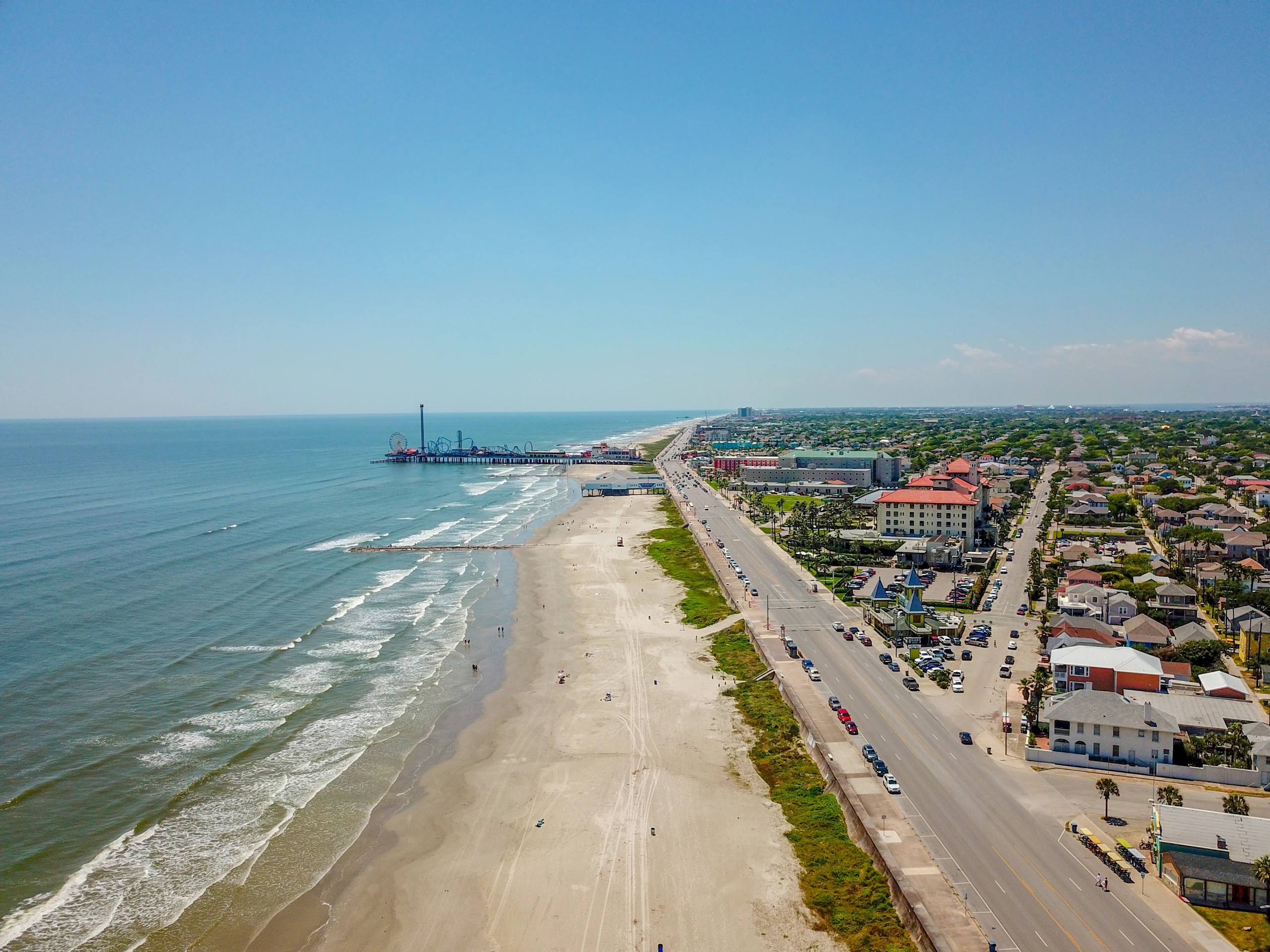
The island’s geography is shaped by a complex interplay of natural tidal movements and human-made protection structures, primarily the 10-mile seawall. As of 2026, the City of Galveston and the Galveston Park Board of Trustees maintain rigorous standards for water quality and sand maintenance to ensure alignment with Texas General Land Office (GLO) guidelines.
Major Beach Management Sectors
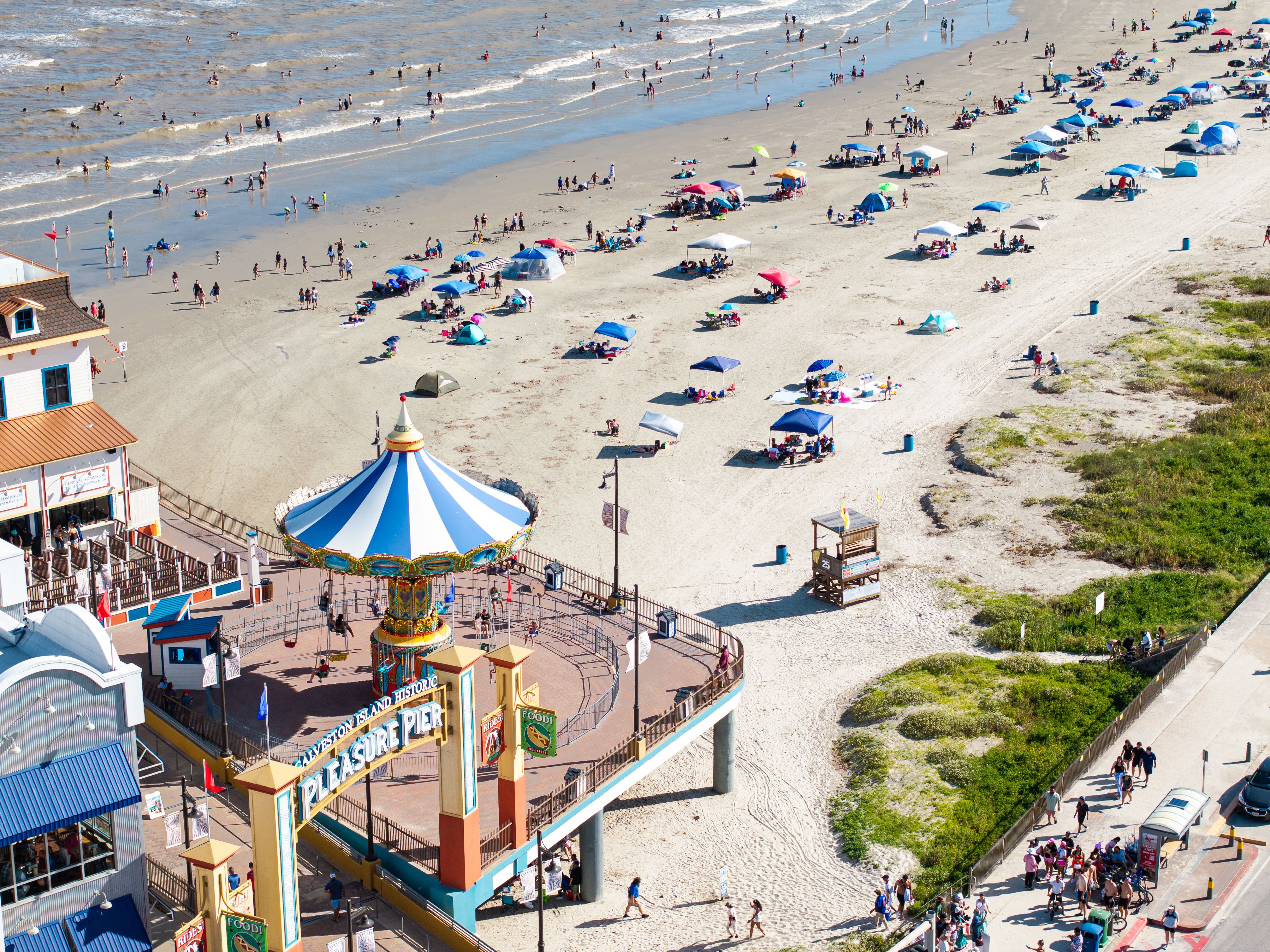
- The Seawall Beaches: Stretching from 6th Street to 61st Street, this area provides the most immediate access to restaurants, hotels, and urban infrastructure. The seawall acts as a defensive barrier, but the sand transition here is narrower compared to the west end of the island.
- Stewart Beach: Operated as a family-friendly park facility, this location offers permanent restroom amenities, full-time seasonal lifeguards, and controlled access points. It is currently the most robust facility for visitors requiring high-service amenities.
- West End Beaches: Beyond the seawall, these beaches are less densely populated. Access requires careful navigation, as parking is often restricted to designated areas, and many stretches are adjacent to private residential zones.
2026 Water Quality and Safety Protocols
The Galveston Park Board and the Texas Beach Watch program monitor bacterial levels weekly. Visitors should prioritize real-time data before entering the Gulf to mitigate health risks.
Water Safety Compliance Requirements
Flag System Awareness The beach utilizes a color-coded warning system. Green flags indicate low hazard conditions. Yellow flags suggest moderate surf or currents. Red flags represent high hazard conditions where swimming is discouraged due to strong rip currents. Double red flags signify that the water is officially closed to the public.
Rip Current Mitigation Should you be caught in a rip current, do not attempt to swim against the flow. Swim parallel to the shoreline until you are free of the current, then swim back to the beach at an angle. If you cannot escape, float or tread water until the current dissipates, then signal for help.
Comparative Analysis of Galveston Beach Access Points
| Location | Amenities | Lifeguard Status | Parking Type | Ideal For |
|---|---|---|---|---|
| Stewart Beach | High (Showers/Food) | Seasonal/Staffed | Paid Lot | Families |
| East Beach | High (Pavilion/Bars) | Seasonal/Staffed | Paid Lot | Events/Social |
| Seawall Beaches | Moderate (Restrooms) | Intermittent | Street/Paid | Urban Access |
| West End | Low (Remote) | None | Beach Entry | Privacy/Fishing |
Environmental Factors and Natural Hazards
The Gulf of Mexico is a dynamic environment. In 2026, coastal erosion remains a primary concern for local authorities. Visitors should be aware that the sand composition is primarily silt and clay, which may appear darker than the silica-based sands of Florida or the Caribbean. This is a natural geological feature of the Mississippi River sediment drift and does not indicate poor sanitation.
Furthermore, marine life interactions are common. Jellyfish stings are the most frequent health complaint. Carrying a small bottle of white vinegar is standard practice among locals to neutralize the stingers immediately. Avoid touching marine debris, as it may hide sharp shells or remains of sea creatures.
Tactical Logistics for 2026 Travel
Planning a trip to Galveston requires an understanding of the local transit and regulatory environment. The Galveston Park Board manages most parking through a digital payment system. Ensure your mobile device is charged to facilitate payments via the official city parking application to avoid citation.
- Peak Traffic Management: During the summer months, the primary access artery, I-45, experiences significant bottlenecks. Aim to arrive before 9:00 AM or after 4:00 PM to bypass heavy tourist surges.
- Permit Requirements: For those intending to drive onto permitted areas of the beach, ensure your vehicle displays the annual beach parking permit, which is valid for the duration of the 2026 calendar year.
- Waste Management: Galveston operates under "Leave No Trace" policies. Pack out all refuse, as high-tide zones are sensitive ecological habitats.
Frequently Asked Questions for 2026 Visitors
Is the water in Galveston always safe for swimming? Water quality is subject to daily environmental fluctuations, and visitors should consult the Texas Beach Watch website for the most recent bacterial count reports. Generally, avoid swimming for 24-48 hours after significant rainfall events, as runoff can temporarily increase bacteria levels.
Are pets allowed on the beaches? Pets are permitted on most beaches but must be kept on a leash at all times. Owners are strictly required to remove and dispose of all pet waste in the provided receptacles to maintain municipal health standards.
Which beach area is best for small children? Stewart Beach is the most appropriate location for children due to the presence of professional lifeguards, playground facilities, and accessible amenities. The gentle slope of the beach and monitored swimming zones provide an added layer of safety.
How do I pay for beach parking in 2026? Parking is managed via the PayByPhone mobile application and various automated kiosks situated along the Seawall. Ensure you input the correct zone number displayed on the nearest signage to avoid ticketing.
Is it legal to camp on the beach? Overnight camping is prohibited on the majority of public beaches within the City of Galveston. Unauthorized camping may result in fines or immediate removal by local law enforcement.
Expert Strategic Advice for Coastal Preservation
As a strategist observing coastal development, I recommend that visitors approach Galveston with an awareness of the island's fragility. The 2026 restoration projects focus heavily on dune nourishment. Do not walk on, climb, or damage the dune systems, as these are the primary natural barriers against storm surges and coastal erosion. By adhering to designated access paths and respecting the local ecosystem, visitors ensure the long-term viability of the Galveston shoreline for future generations.
If you are planning an extended stay, consider working with a licensed local rental agency that participates in the Galveston Sustainable Tourism initiative. These organizations prioritize maintenance of property standards and offer the most reliable logistical support for visitors.