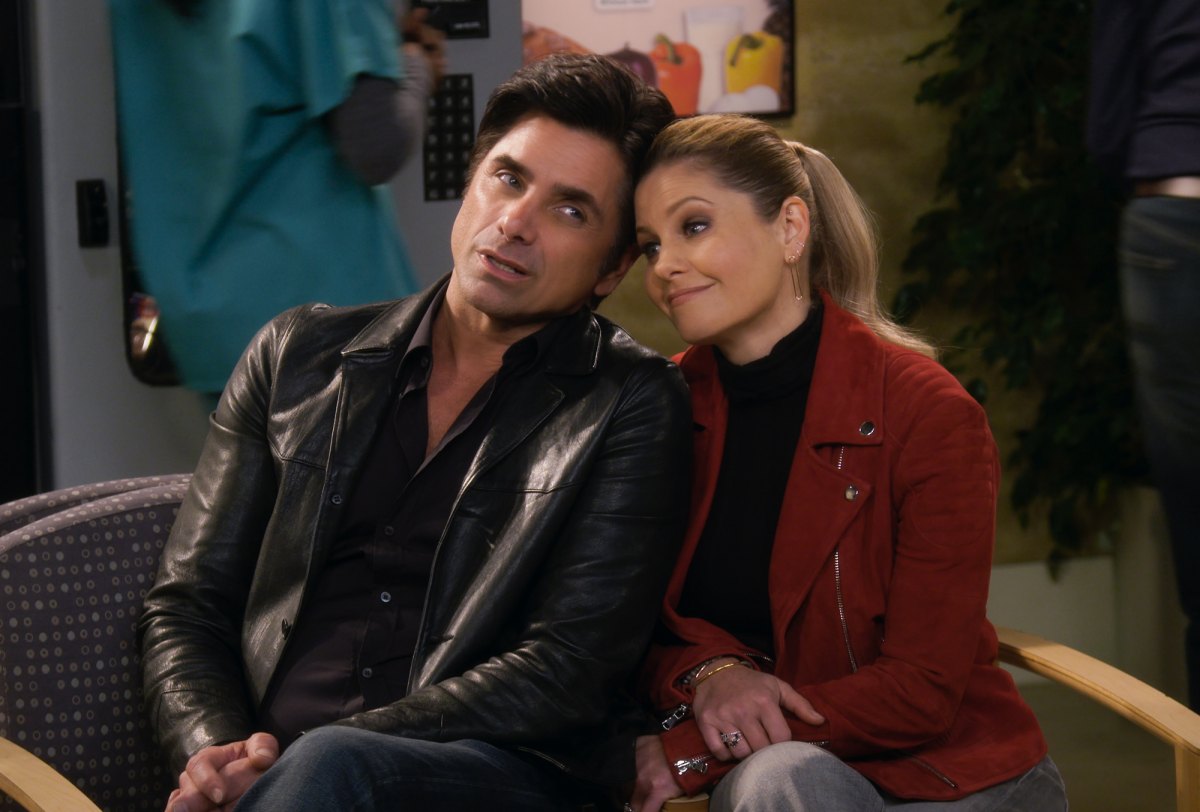
The final episode of Fuller House, titled "Our Very Last Show, Again," concludes the series with a triple wedding for D.J., Stephanie, and Kimmy. As of 2026, all five seasons and 75 episodes remain available to stream exclusively on Netflix, serving as a sentimental conclusion to the Tanner-Fuller-Gibbler family saga.
Where to Stream Fuller House in 2026
For viewers looking to revisit the series or catch the finale for the first time, Netflix remains the global home for Fuller House. As a Netflix Original series, the platform holds the exclusive streaming rights, making it unlikely to appear on other major subscription services like Disney+ or Max.
To access the series in 2026, a standard Netflix subscription is required. The show is available in various resolutions, including Ultra HD (4K) for viewers with compatible hardware and premium plans. Because the series was filmed using modern high-definition standards, the visual fidelity of the San Francisco-set sitcom is crisp, capturing the vibrant colors of the iconic Victorian home.
Accessing the final episode is straightforward:
- Navigate to the Fuller House title page on the Netflix app or website.
- Select Season 5.
- Scroll to the final entry, Episode 18, titled "Our Very Last Show, Again."
The episode has a runtime of approximately 30 minutes, slightly longer than the average sitcom installment, to accommodate the extensive wrap-up of various character arcs and the inclusion of numerous guest stars.
Comprehensive Summary of the Final Episode: "Our Very Last Show, Again"
The series finale is built around the highly anticipated triple wedding of the "She-Wolf Pack": D.J. Tanner-Fuller (Candace Cameron Bure), Stephanie Tanner (Jodie Sweetin), and Kimmy Gibbler (Andrea Barber). The narrative begins with a series of comedic and logistical hurdles that threaten to derail the ceremony.
The Wedding Crisis and Resolution
The central conflict of the finale involves the seizure of the original wedding venue due to a legal complication involving the owner. Facing the prospect of canceling the event, the trio decides to host the wedding in the most logical place: the backyard of the iconic Tanner childhood home. This decision allows the show to lean heavily into nostalgia, utilizing the familiar set for the final emotional beats.
The ceremony itself is officiated by the "Legacy Trio"—Danny Tanner (the late Bob Saget), Uncle Jesse (John Stamos), and Joey Gladstone (Dave Coulier). Their presence bridges the gap between the original Full House and the sequel, providing a sense of closure for multi-generational fans. The vows exchanged emphasize not just the romantic love between the couples, but the platonic and familial love that has sustained the three women since childhood.
The Ending Twist: Choosing Family Over Distance
Throughout the final season, a subplot suggested that once the weddings were over, Kimmy and Stephanie would move out of the house to start their new lives with Fernando and Jimmy, respectively. This created an atmosphere of impending loss for D.J., who feared being alone in the large house once more.
In the episode's closing moments, as the moving trucks are being prepared, Kimmy and Stephanie realize they cannot bear to leave. In a heart-wrenching yet joyous reversal, they decide that all three families will continue to live together in the house. This resolution reinforces the show's core theme: that "home" is defined by the people within it rather than traditional nuclear family structures. The final shot mirrors the series premiere, with the front door closing as the family gathers in the kitchen, signaling that while the show has ended, their life together continues.
Key Cast and Character Resolutions
The finale of Fuller House was careful to provide definitive endings for its main cast while paying homage to the characters that started it all in 1987.
The Main Trio
- D.J. Tanner-Fuller: Finally finds stability and a permanent partner in her high school sweetheart, Steve Hale. Her journey from a grieving widow in season one to a happily remarried woman completes her emotional arc.
- Stephanie Tanner: Her transition from a globe-trotting DJ to a mother and wife is solidified. The finale highlights her growth in responsibility and her deep bond with Jimmy Gibbler.
- Kimmy Gibbler: Always the eccentric outsider, Kimmy is fully integrated into the family. Her "re-marriage" to Fernando represents the acceptance of her unique personality.
The Next Generation
The children of the household—Jackson, Max, Tommy, Ramona, and baby Danielle—are also given moments of closure. Jackson and Ramona share a touching scene acknowledging their "sibling" bond despite not being biologically related, while Max continues to showcase the precociousness that defined his character throughout the five-season run.
The Legacy Cast
The return of Bob Saget, John Stamos, and Dave Coulier was a highlight for long-time viewers. Their roles in the finale were supportive, acting as the elder statesmen of the family. Notably absent was Michelle Tanner (Mary-Kate and Ashley Olsen), a point the show meta-referentially acknowledged through subtle fourth-wall-breaking jokes throughout the series' run, though she was mentioned with affection in the final episodes.
Series Overview and Technical Specifications
To understand the context of the finale, it is helpful to look at the scale of the production over its four-year filming period (2016–2020).
| Feature | Details |
|---|---|
| Total Seasons | 5 Seasons |
| Total Episodes | 75 Episodes |
| Original Release Date (Finale) | June 2, 2020 |
| Streaming Platform (2026) | Netflix Exclusive |
| Video Format | 4K Ultra HD, HDR10 |
| Audio Format | Dolby Digital Plus 5.1 |
| Primary Location | Warner Bros. Studios (Burbank, CA) |
| Genre | Family Sitcom / Comedy |
The production utilized multi-camera setups typical of traditional sitcoms, maintaining the "comfort food" aesthetic that made the original series a success. The use of a live studio audience for most episodes added to the authentic sitcom atmosphere, particularly during the high-energy finale.
Production Insights and Cultural Impact
The ending of Fuller House marked the conclusion of a significant chapter in the "revival" era of television. When Netflix first announced the series in 2015, it was met with a mix of skepticism and intense nostalgia. However, its consistent performance in viewership metrics proved that there was a substantial audience for "wholesome" family programming.
Why the Show Ended at Season 5
While Fuller House was a hit, Netflix typically follows a lifecycle for its original series where production costs increase significantly after the fourth or fifth season. The decision to end with Season 5 allowed the writers to craft a planned conclusion rather than facing an abrupt cancellation. This foresight is why the finale feels comprehensive and avoids leaving major cliffhangers.
The Absence of Michelle Tanner
One of the most discussed "key details" regarding the finale and the series as a whole was the absence of the youngest Tanner sister. The Olsen twins declined to return to acting, preferring to focus on their fashion empire. The production team eventually stopped trying to recruit them, choosing instead to focus on the chemistry of the remaining cast. In the finale, the "She-Wolf Pack" remains the focal point, proving that the show had successfully established its own identity independent of the full original ensemble.
Frequently Asked Questions
Did Michelle Tanner appear in the Fuller House finale?
No, Michelle Tanner did not appear in the final episode or any other episode of the series. The characters occasionally mentioned her, noting that she was busy running her fashion empire in New York City, which mirrored the real-life careers of Mary-Kate and Ashley Olsen. Despite her physical absence, the show maintained that she was still a loved member of the family.
Is there a chance for a "Fullest House" or another spin-off in 2026?
As of 2026, there have been no official announcements regarding a third series in the franchise. Following the passing of Bob Saget in 2022, several cast members, including John Stamos, expressed that it would be difficult to return to the show without the "patriarch" of the family. While the TV industry frequently revisits popular IPs, the story of the Tanner family is currently considered complete.
Why was the wedding a triple wedding?
The triple wedding was a narrative choice to symbolize the inseparable bond between D.J., Stephanie, and Kimmy. Throughout the series, they functioned as a collective parenting unit. Having them all marry their respective partners in a single ceremony underscored the theme that their lives were permanently intertwined, making the final decision to stay in the same house more impactful.
What happened to the "Legacy" cast members after the finale?
In the narrative of the show, Danny, Jesse, and Joey all remained in the lives of the main characters, though they lived in their own homes. Jesse and Becky (though Becky was absent from the very final episodes due to real-world legal issues involving Lori Loughlin) continued raising their adopted daughter, while Danny remained the supportive grandfather figure.
Can I watch Fuller House without having seen Full House?
Yes, while Fuller House is filled with references to the original 1987–1995 series, it is designed to stand alone. The premiere episode provides the necessary context for the characters' relationships, and the central plot of three women raising children in a shared home is self-explanatory. However, the emotional weight of the finale is significantly enhanced if the viewer has a connection to the original show's history.
Recommendations for Viewers
If you have just finished the Fuller House finale and are looking for similar content, the most logical next step is to revisit the original Full House. Most streaming data suggests that fans of the revival frequently cycle back to the original series to compare character developments and spot "Easter eggs" that were referenced in the Netflix run.
Additionally, for those who enjoy the multi-cam family sitcom format, titles such as The Ranch or One Day at a Time (also on Netflix) offer similar blends of humor and heart, though they may carry higher maturity ratings. For a strictly family-friendly experience in 2026, the various Disney Channel or Nickelodeon sitcoms remain the closest stylistic match to the tone established by the Tanner family.