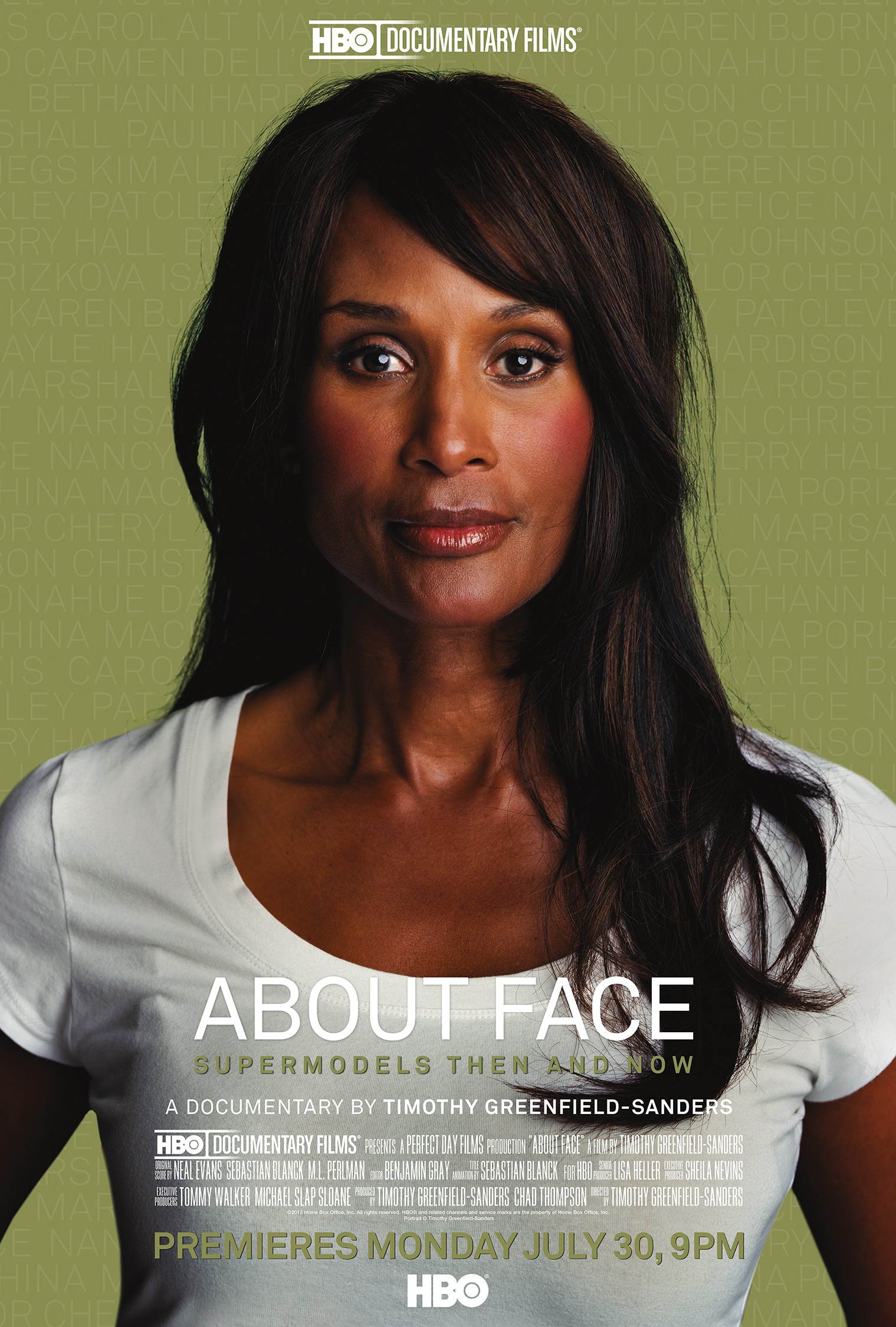
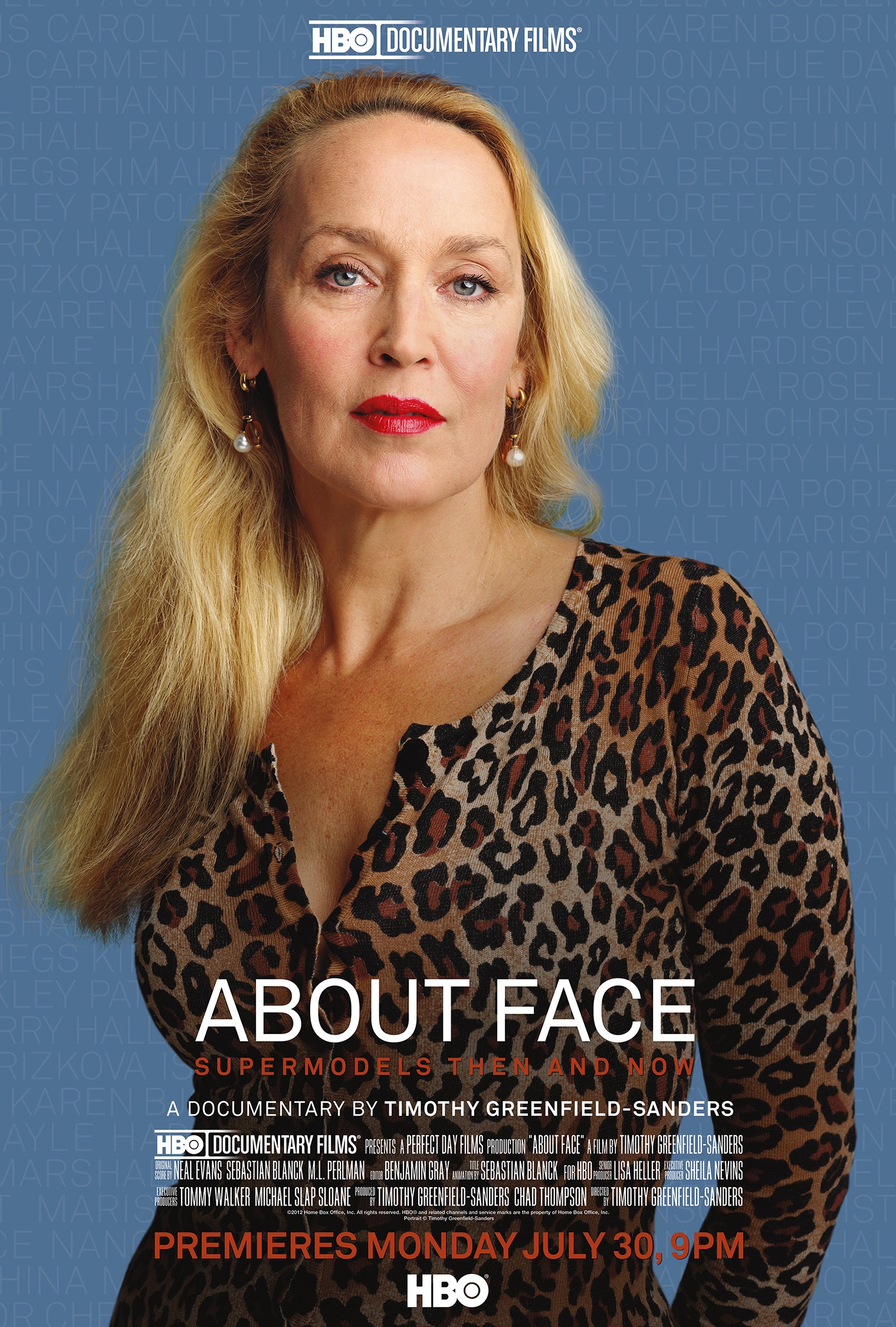
About Face: Supermodels Then and Now is a landmark documentary and cultural study that examines the lives, careers, and aging processes of the world’s most iconic fashion figures. By 2026, the film serves as a definitive historical record of how the fashion industry’s perception of beauty, race, and longevity evolved from the mid-20th century into the modern era.
The Genesis of a Cultural Retrospective
The primary lens through which we view the "About Face" evolution is the 2012 documentary directed by Timothy Greenfield-Sanders. The film brought together an unprecedented assembly of fashion royalty, including Isabella Rossellini, Christie Brinkley, Beverly Johnson, Jerry Hall, and Carmen Dell'Orefice. At its core, the project was designed to strip away the artifice of the runway and the heavy retouching of magazine covers to reveal the women behind the "faces."
In 2026, the relevance of this evolution has only intensified. We no longer live in an era where a model’s career or visibility ends at the age of 30. The "About Face" generation proved that a "stunning evolution" is not just about maintaining a youthful appearance, but about the transition from being a silent muse to becoming a powerful, multi-dimensional brand. This shift laid the groundwork for the modern influencer and the entrepreneurial model, moving the industry away from the disposable nature of the 1970s and 80s toward a more sustainable, long-term career path.
The Pioneers of Longevity: Defining the Stunning Evolution
When discussing the stunning evolution of supermodels, one cannot ignore the women who redefined what it means to age in the public eye. These individuals did more than just age gracefully; they challenged the systemic ageism that previously dominated the high-fashion world.
Carmen Dell'Orefice: The Eternal Muse
Carmen Dell'Orefice, often cited as the world’s oldest working model, provides the most dramatic "then and now" comparison. Having started her career in the 1940s, her presence in the "About Face" narrative highlights a transition from the structured, painterly aesthetics of the post-war era to the high-octane glamor of the 21st century. Her evolution is marked by a refusal to hide her age, instead making her silver hair and refined features her trademark.
Isabella Rossellini and the L’Oreal Paradigm
Isabella Rossellini’s journey is perhaps the most poignant example of the industry's evolving ethics. Famously dismissed by L’Oreal at age 40 because she was deemed "too old," Rossellini’s eventual return to the brand in her 60s marked a significant "about face" for corporate beauty standards. Her evolution from the face of Lancôme to an ethologist, filmmaker, and farmer shows a depth of character that the industry once ignored in favor of surface-level perfection.
Beverly Johnson: Breaking the Color Barrier
Beverly Johnson’s evolution represents a sociological shift. As the first Black woman to appear on the cover of American Vogue in 1974, her "now" status in 2026 is that of a trailblazer who transitioned into business and advocacy. Her presence in the "About Face" discussion reminds us that the evolution of the supermodel was not just about age, but about the slow and necessary diversification of the global beauty standard.
Technical Shifts: From Analog Film to Digital Perfection
The evolution of the supermodel's "face" is inextricably linked to the technology used to capture it. The women featured in the "About Face" era began their careers in a world of analog film, where lighting and bone structure were the primary tools of the trade.
- The Analog Era (Then): Models like Jerry Hall and Pat Cleveland relied on their ability to move and catch light in real-time. There was no "Liquify" tool or AI-driven skin smoothing. The evolution from this era required a high level of technical skill and physical awareness.
- The Digital Transition (The Middle Years): As the 90s and 2000s progressed, the advent of Photoshop changed the "now." The stunning evolution was often masked by excessive retouching, a topic that many models in the documentary criticized as creating an "impossible standard" that they themselves could not meet.
- The 2026 Reality (Now): In the current landscape, we see a return to "hyper-realism." While AI-generated models exist, the human "supermodels" of the "About Face" generation are celebrated for their authenticity. High-definition video and social media stories have forced a move away from static, frozen-in-time images toward a more dynamic and honest portrayal of aging.
Comparative Evolution of Key Supermodels
The following table outlines the career trajectories and current impact of the primary figures associated with the "About Face" evolution as of 2026.
| Model | Peak Era | Key Industry Contribution | 2026 Status / Impact |
|---|---|---|---|
| Carmen Dell'Orefice | 1940s–1950s | Redefined longevity and silver-haired beauty. | Living legend; continues to advocate for elder visibility in fashion. |
| Christie Brinkley | 1970s–1980s | The "All-American" face; Sport’s Illustrated icon. | Entrepreneur; focuses on wellness and sustainable lifestyle brands. |
| Isabella Rossellini | 1980s–1990s | High-fashion elegance and Lancôme's signature face. | Activist and filmmaker; symbols of the "pro-aging" movement. |
| Beverly Johnson | 1970s | First Black woman on American Vogue cover. | Business mogul and advocate for industry-wide diversity. |
| Jerry Hall | 1970s–1980s | The ultimate "Glamour" model and runway sensation. | Cultural icon; focuses on philanthropy and the arts. |
| Paulina Porizkova | 1980s | Highest-paid model of her time (Estée Lauder). | Author and social media voice for "unfiltered" aging and grief. |
The Economics of the "About Face" Evolution
The evolution from "then" to "now" is also a story of financial empowerment. In the early days of the supermodel, women were often treated as employees with limited control over their likeness or career longevity. The stunning evolution we see today is characterized by models who have leveraged their "faces" into global conglomerates.
The 1980s saw the birth of the "million-dollar-a-day" contract, but the 2026 landscape sees these same women as investors and founders. This economic evolution is a crucial part of the "About Face" narrative. It shifted the power dynamic from the agencies and photographers to the models themselves. By maintaining their relevance through their 50s, 60s, and 70s, these women proved that a model’s "brand equity" actually increases with time and story, rather than diminishing with the appearance of wrinkles.
The Psychological Impact of Aging in Public
One of the most profound aspects of the "About Face" evolution is the psychological resilience required to age in an industry that prizes youth above all else. In the documentary, models discuss the pressure to undergo plastic surgery—a "then" standard that has seen a significant "now" backlash.
In 2026, the trend has shifted toward "tweakments" rather than radical reconstruction, but the pioneers of the "About Face" generation were the first to speak openly about the trauma and pressure of these decisions. Paulina Porizkova, in particular, has become a leading voice in 2026 for the "anti-anti-aging" movement, documenting her journey with honesty and challenging the notion that a woman's value is tied to her skin's elasticity. This transparency is perhaps the most "stunning" part of the evolution; it humanizes figures who were once viewed as untouchable statues.
Common Misconceptions About the Supermodel Evolution
- That they all have "good genes": While genetics play a role, the "About Face" models emphasize that their longevity is the result of rigorous discipline, professional evolution, and mental fortitude.
- That the industry has "fixed" its ageism: While progress has been made, the 2026 landscape still struggles with ageism, though the "About Face" pioneers have made it easier for younger generations to imagine a life-long career.
- That their "now" is less relevant than their "then": On the contrary, many of these women have more social and financial influence in 2026 than they did during their peak modeling years.
Frequently Asked Questions
What is the primary message of "About Face: Supermodels Then and Now"?
The documentary aims to humanize the icons of the fashion world by exploring their personal histories, their struggles with the industry's demands, and their perspectives on aging. It suggests that true beauty is found in the "evolution" of the person rather than the maintenance of a youthful mask. The film encourages a dialogue about the exploitation of young women and the eventual empowerment that comes with experience.
Which models are featured in the About Face documentary?
The film features an elite roster including Isabella Rossellini, Christie Brinkley, Beverly Johnson, Carmen Dell'Orefice, Paulina Porizkova, Jerry Hall, Cheryl Tiegs, Carol Alt, Marisa Berenson, Pat Cleveland, China Machado, and Bethann Hardison. Each provides a unique perspective on different eras of fashion, ranging from the 1940s to the dawn of the digital age.
How has the perception of plastic surgery changed since the film's release?
In the 2012 film, many models expressed fear or regret regarding plastic surgery, viewing it as a desperate attempt to stay relevant. By 2026, the conversation has moved toward "transparency." While some still choose procedures, the cultural "evolution" has been toward embracing natural aging or "pro-aging" philosophies, influenced largely by the honest testimonies of the women in "About Face."
Why is Isabella Rossellini's story considered a turning point in the industry?
Rossellini’s story is a case study in corporate ageism. Her 1990s firing from L’Oreal—under the premise that women over 40 could not represent beauty—became a rallying cry for change. Her rehiring decades later signaled a massive shift in how brands view the "older" demographic, recognizing that women in their 60s and 70s have significant purchasing power and deserve to see themselves reflected in media.
Does the evolution of the supermodel include more than just aging?
Yes, the evolution includes a shift in diversity, body positivity, and professional autonomy. The "About Face" narrative highlights how models went from being "mannequins" to being activists, business owners, and storytellers. This multi-faceted evolution has changed modeling from a temporary job into a legitimate, long-term professional career.
Engaging with the Legacy of the Supermodel
To truly appreciate the stunning evolution of these supermodels, one should view the documentary "About Face: Supermodels Then and Now" as a primary source of fashion history. Beyond the film, following the current work of figures like Paulina Porizkova or Beverly Johnson provides a real-time look at how these women continue to shape the industry in 2026.
For those interested in the technical side of fashion, studying the photography of the "About Face" era compared to modern AI-driven campaigns offers deep insight into how our definition of a "stunning face" has changed. The next step for enthusiasts is to explore the memoirs and businesses founded by these women, which often contain more wisdom than a thousand runway photos. Understanding this evolution is essential for anyone looking to navigate the intersection of beauty, age, and professional longevity in the modern world.