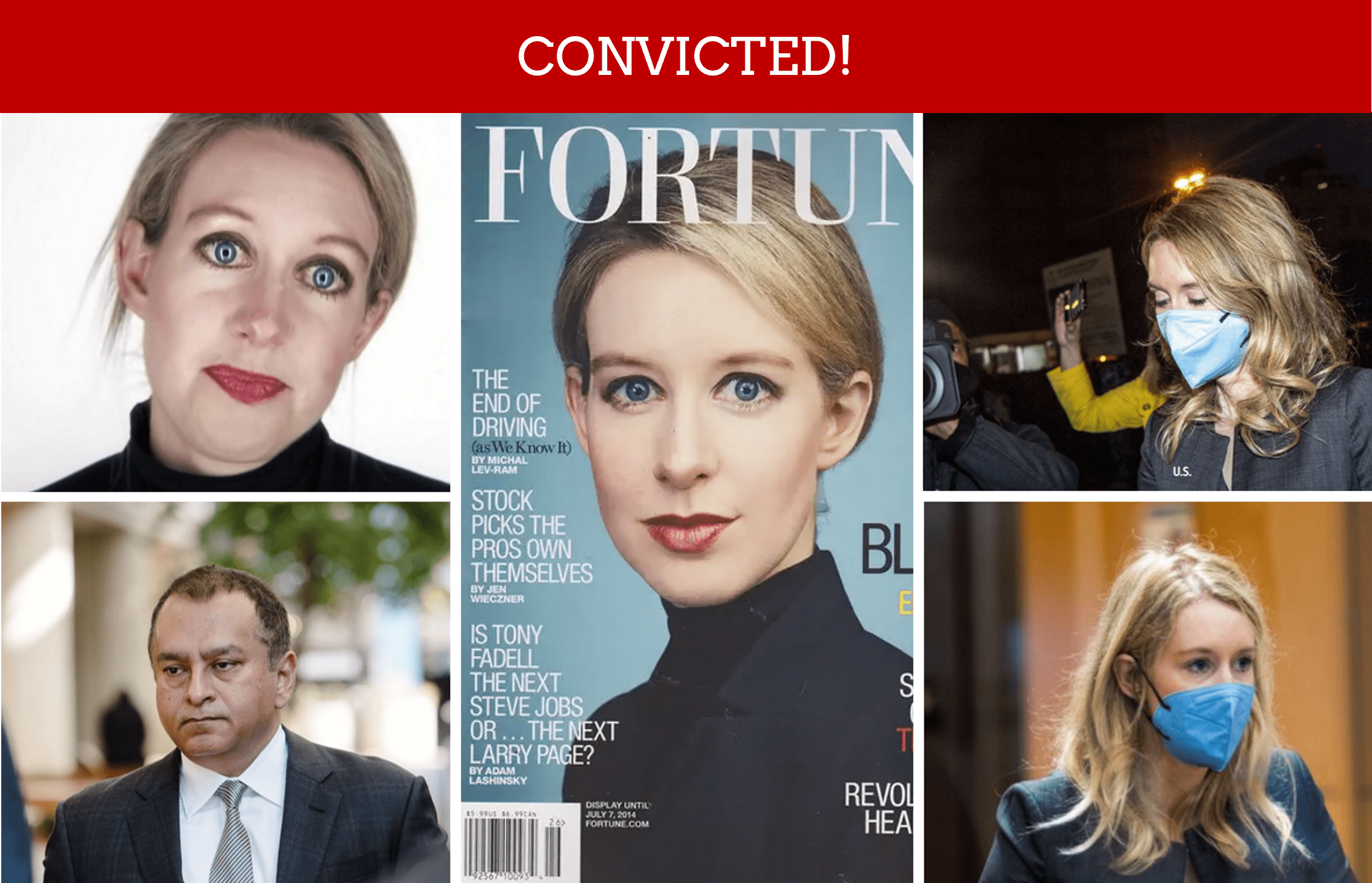
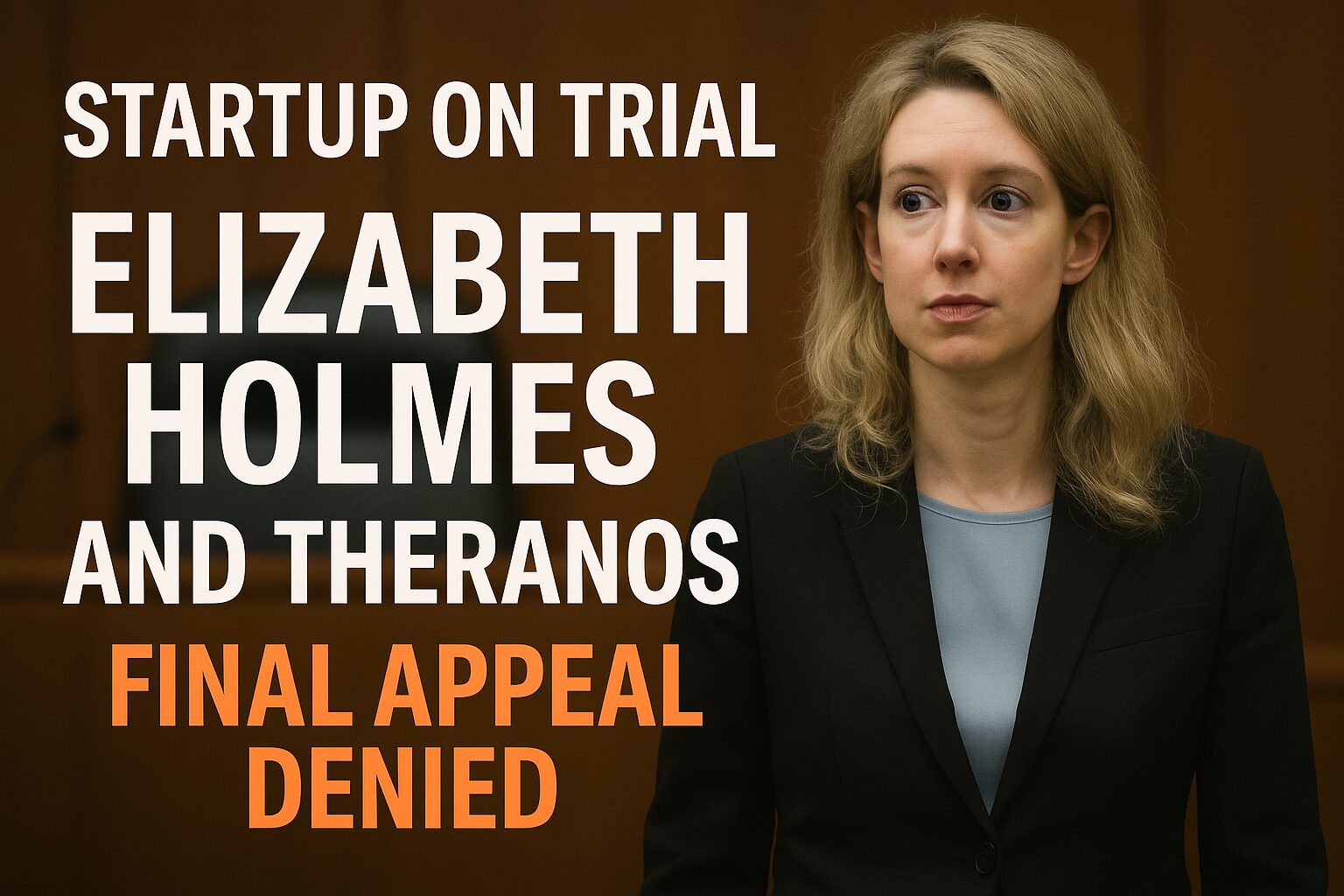
Elizabeth Holmes memes are a digital phenomenon documenting the transition of the Theranos founder from a Silicon Valley visionary to a convicted felon. These memes focus on her curated persona—specifically her artificial baritone voice, unblinking stare, and black turtlenecks—to satirize corporate fraud, the "girlboss" archetype, and the "fake it 'til you make it" culture of tech startups.
The Anatomy of a Meme: The Curated Persona of Elizabeth Holmes
The viral legacy of Elizabeth Holmes is inextricably linked to her carefully constructed image. Long before her legal troubles began, Holmes was the subject of internet fascination due to her departure from traditional female executive aesthetics. By the time the fraud was exposed, these same traits became the primary ingredients for a massive wave of internet satire.
The most prominent element of the Holmes meme-sphere is her voice. Numerous videos and audio clips circulated on platforms like TikTok and X (formerly Twitter), where users analyzed the "slippage" of her deep, husky baritone into a higher register. This vocal affectation was widely interpreted as a calculated move to command authority in the male-dominated world of venture capital. Memes often featured users attempting to replicate the voice or pairing her most famous quotes—such as "This is what happens when you work to change things"—with a bass-boosted audio effect.
Beyond the voice, the "unblinking stare" became a symbol of her alleged sociopathy or, at the very least, her intense commitment to her own narrative. In 2026, we look back at these memes as some of the earliest examples of "visual forensics" by the general public, where internet sleuths used her lack of blinking as "evidence" of her deceptive nature. The black turtleneck, a direct homage to Apple co-founder Steve Jobs, further cemented the meme potential, representing the thin line between "inspired leadership" and "unoriginal mimicry."
From "Girlboss" to "Gatekeep, Gaslight, Girlboss"
Elizabeth Holmes was once the poster child for the "girlboss" movement—a mid-2010s cultural trend that celebrated female empowerment through corporate success and capitalist ambition. However, as the Theranos scandal unfolded, Holmes became the ultimate cautionary tale for this ideology.
The meme "Gaslight, Gatekeep, Girlboss" serves as a satirical critique of this era, with Holmes often cited as the "patron saint" of the phrase.
- Gaslight: Referring to how Holmes and her partner Sunny Balwani allegedly deceived investors, patients, and employees about the efficacy of the Edison machines.
- Gatekeep: Representing the extreme secrecy and legal threats Theranos used to prevent whistleblowers like Tyler Shultz and Erika Cheung from speaking out.
- Girlboss: The aesthetic of female empowerment used to deflect criticism and secure billion-dollar valuations.
In the height of her trial, memes shifted from mocking her voice to critiquing the systemic failures that allowed her to thrive. The internet utilized humor to process the reality that a 19-year-old Stanford dropout could deceive some of the most powerful men in the world—including former Secretaries of State and high-ranking military officials—simply by looking and sounding the part of a genius.
The Impact of "The Dropout" and Media Adaptations on Meme Culture
The viral legacy of Elizabeth Holmes was significantly extended by mainstream media adaptations, most notably the Hulu miniseries The Dropout (2022). Amanda Seyfried’s Emmy-winning performance provided a fresh batch of "reaction images" and audio bites that rejuvenated the Holmes meme economy.
Seyfried’s portrayal leaned into the absurdity of the Holmes persona, particularly the scenes depicting her practicing her deep voice in front of a mirror and dancing awkwardly to hip-hop. These scenes were instantly clipped and turned into memes about "manifesting" success or trying to act "normal" in social situations. The distinction between the real Elizabeth Holmes and the "meme version" portrayed by Seyfried blurred, creating a meta-layered cultural artifact where the parody became as recognizable as the person.
This period also saw the rise of "Theranos-core," an ironic fashion aesthetic where users donned black turtlenecks and messy blonde buns. This was not a tribute to Holmes, but rather a performance of her specific brand of "striving," used to mock the performative nature of modern careerism.
The Legal Saga: Courtroom Fashion and Trial Memes
When Holmes finally faced trial in 2021 and was sentenced in 2022, the memes took a more observational turn. Her "courtroom style"—transitioning from the turtleneck to soft blue suits and more traditional feminine attire—was analyzed by the internet as a strategic attempt to appear more relatable and less like the "tech disruptor" she once claimed to be.
One of the most famous meme moments during the trial involved her arrival at the courthouse. The internet frequently compared her security detail and her legal team's movements to scenes from Succession or Veep. When she was eventually sentenced to over 11 years in prison, the memes shifted toward her new reality at Federal Prison Camp (FPC) Bryan in Texas.
| Meme Category | Primary Theme | Key Visual/Audio Element | Cultural Significance |
|---|---|---|---|
| The Baritone | Performative Authority | Deep, artificial voice clips | Critiques the "fake it 'til you make it" ethos. |
| The Turtleneck | Intellectual Mimicry | Steve Jobs-style black sweaters | Mocks the lack of original innovation in Silicon Valley. |
| The Unblinking Stare | Deceptive Intent | Close-ups of Holmes' eyes | Represents the public's fascination with her psychology. |
| The Girlboss | Satirical Empowerment | "Gatekeep, Gaslight, Girlboss" text | A critique of 2010s corporate feminism. |
| The Dropout (Hulu) | Meta-Parody | Amanda Seyfried's dancing/rehearsing | Bridges the gap between true crime and entertainment. |
Elizabeth Holmes in 2026: Life at FPC Bryan
As of 2026, Elizabeth Holmes remains incarcerated at FPC Bryan, serving her sentence for wire fraud and conspiracy. The memes have not disappeared; instead, they have evolved into a form of "archival humor." Occasionally, news updates regarding her appeals or her life behind bars spark a brief resurgence of viral content, but the tone has shifted from active mockery to a historical reflection on the era of the "Unicorn" startup bubble.
Her legacy serves as a permanent reference point for any new startup that makes bold claims without scientific backing. Whenever a new tech founder is accused of exaggeration or fraud, social media immediately invokes the Holmes memes. This "viral legacy" acts as a form of social immune system, using humor to remind the public and investors of the consequences of blind faith in charismatic founders.
The Department of Justice archives provide the factual backbone to these stories, documenting the 11 counts of fraud that the memes often simplify. While the memes are funny, the underlying reality—thousands of inaccurate blood tests provided to real patients—remains the sobering core of the Theranos story.
Why the Internet Can't Let Go of the Theranos Founder
The enduring nature of Elizabeth Holmes memes can be attributed to the "uncanny valley" of her personality. There is a specific type of discomfort that arises from watching someone so obviously "performing" a role, yet succeeding at it for over a decade.
- The Hubris Factor: Human nature finds a specific type of satisfaction in the downfall of someone who displayed extreme confidence while being wrong. Holmes' conviction provided a rare moment of accountability in the tech world.
- The Visual Shorthand: You do not need to know the technical details of microfluidics to understand the meme. The turtleneck and the voice are universal symbols of "the con."
- The "Scam" Era: Holmes is part of a larger pantheon of "scam" icons, including Anna Delvey and Billy McFarland (Fyre Fest). These figures represent a specific zeitgeist of the 21st century where fame and "clout" can be leveraged into actual capital.
Is there a deeper meaning to the voice memes?
The obsession with her voice wasn't just about the sound; it was about the revelation of the "mask." When the public discovered that she may have been faking her voice for years, it served as the ultimate metaphor for the Theranos technology itself: an impressive facade with nothing working behind the scenes.
How did the memes affect the Theranos trial?
While memes do not influence legal proceedings directly, the intense public interest—fueled by viral content—ensured that the trial remained in the national spotlight. This high-pressure environment made it impossible for the case to be swept under the rug, as many white-collar crimes often are.
What is the most famous Elizabeth Holmes meme?
The "Gaslight, Gatekeep, Girlboss" trinity is arguably the most culturally significant meme associated with her, as it moved beyond Holmes to describe a specific toxic corporate culture that she helped define.
Did Elizabeth Holmes actually blink in her interviews?
Analyses of her interviews, such as those with Charlie Rose or her TED talks, show that she blinks significantly less than the average person. While medical professionals suggest this can be a conscious technique to appear more persuasive, the internet interpreted it as a sign of her "robotic" or predatory focus.
Are there memes about her partner, Sunny Balwani?
Yes, but they are fewer in number. Balwani is often portrayed in memes as the "enforcer" or the more aggressive half of the duo, but he lacked the iconic visual branding (the turtleneck and voice) that made Holmes a viral sensation.
Lessons from the Viral Legacy of Elizabeth Holmes
The primary takeaway from the Elizabeth Holmes meme cycle is the importance of due diligence over charisma. For entrepreneurs and investors in 2026, the memes serve as a satirical but vital reminder that an aesthetic is not a business plan. The "Steve Jobs" costume, while effective for a time, ultimately could not hide the lack of a functioning product.
As we move further into an era of AI-generated content and increasingly sophisticated corporate branding, the Holmes memes stand as a foundational lesson in digital skepticism. They teach us to look past the turtleneck and listen—not to the pitch of the voice—but to the substance of the claims. For the general public, these memes remain a way to process the frustration of a system that often prioritizes the "visionary" over the "verifiable."