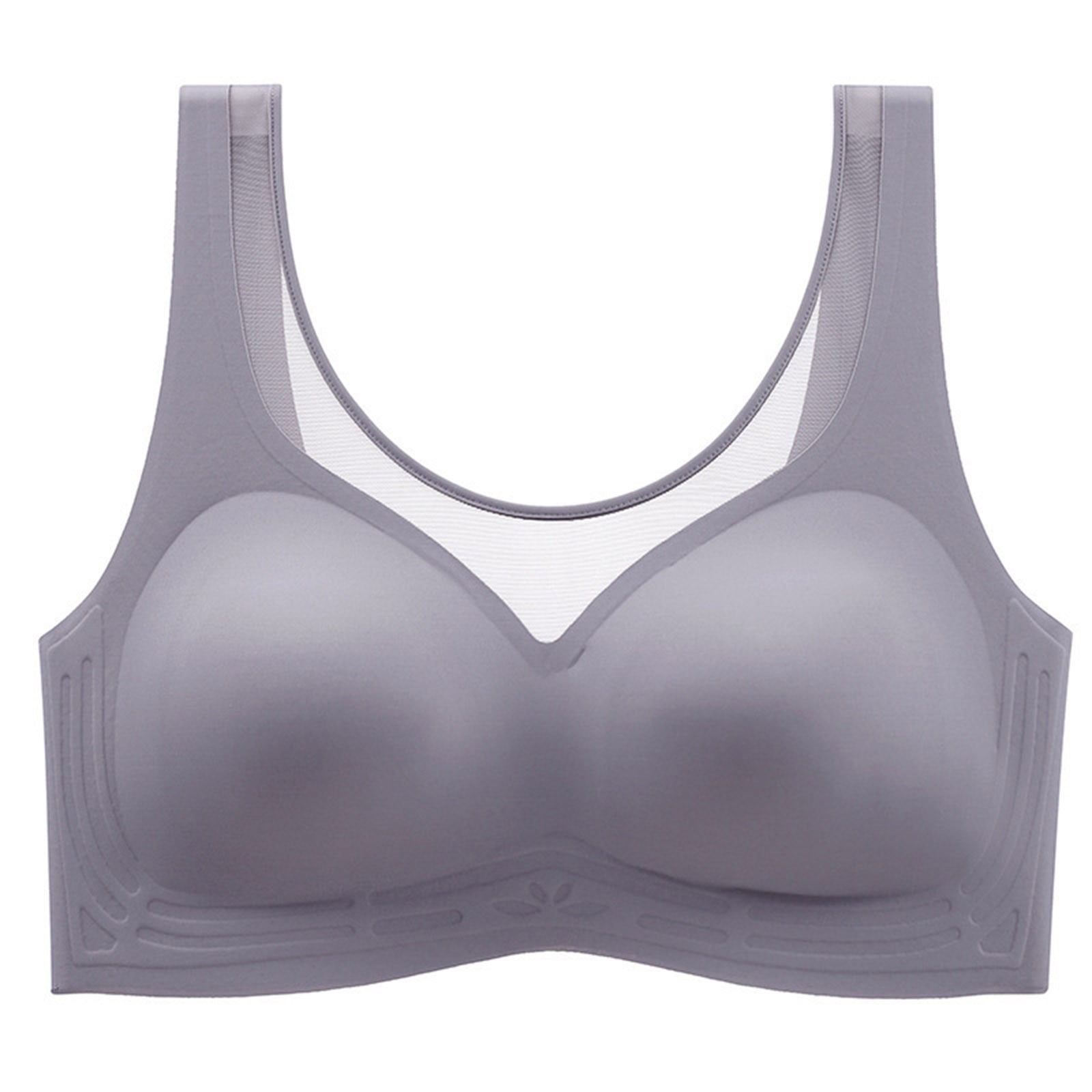
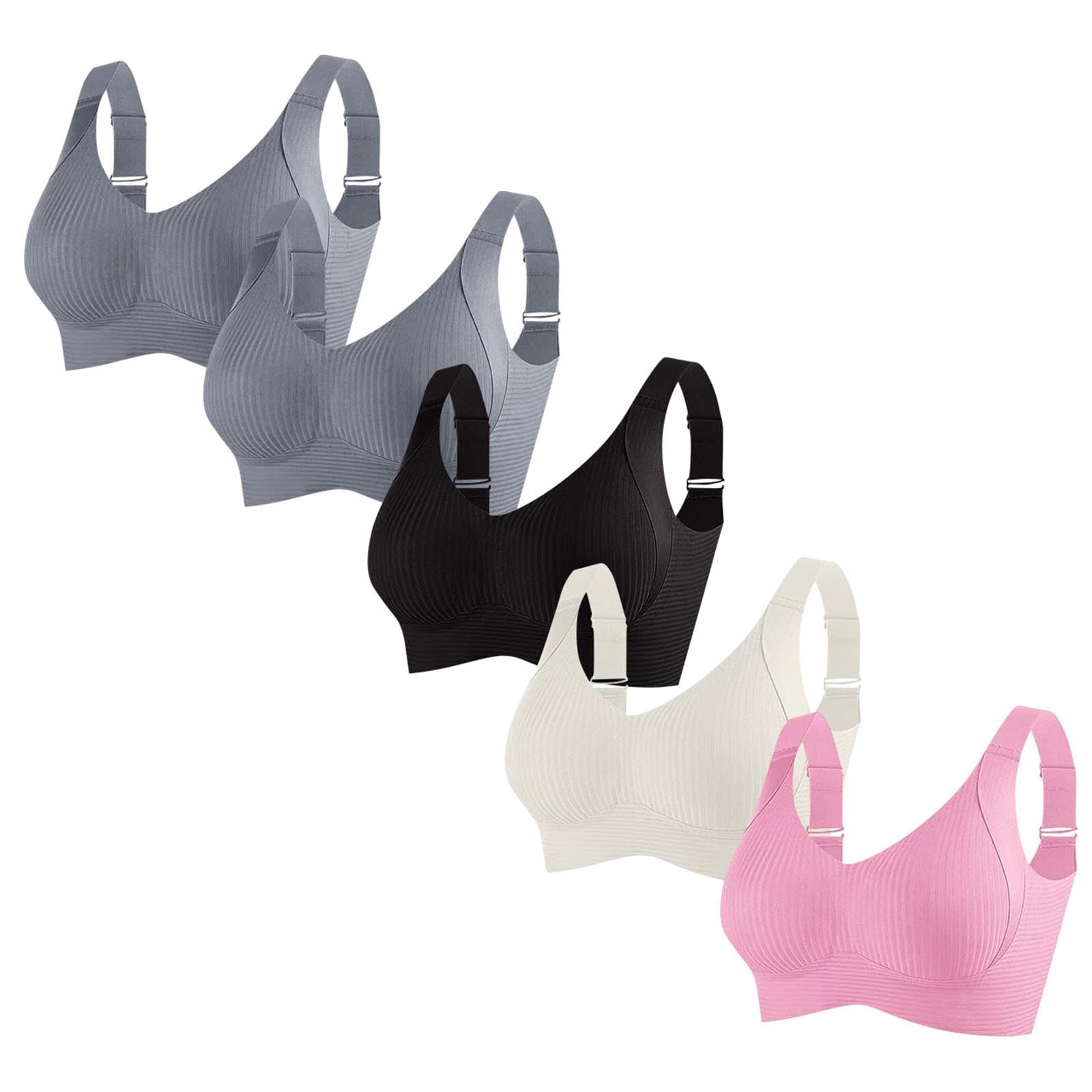
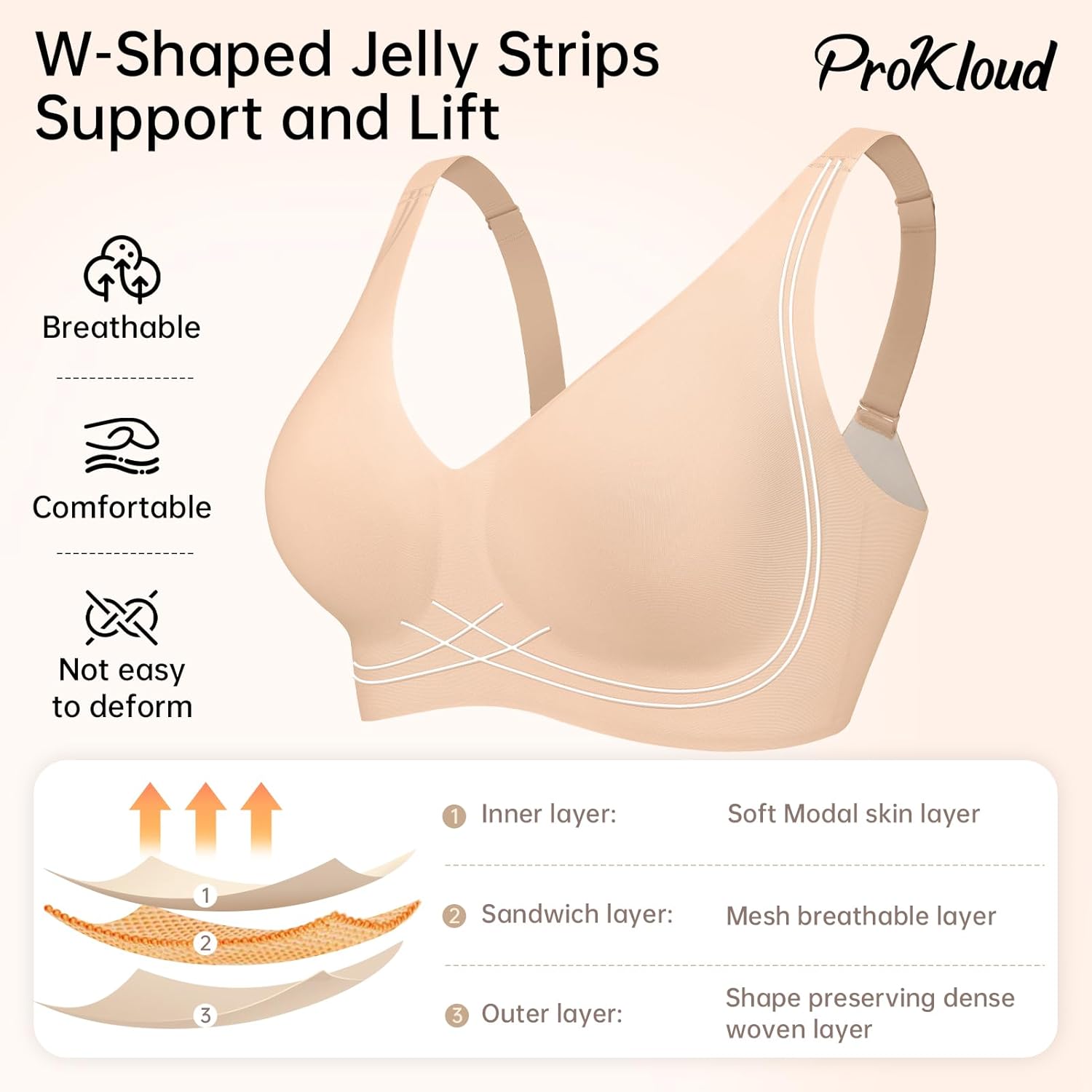
A durable seamless wireless bra combines engineered knit structures, high-gauge synthetic elastomer blends, and heat-bonded seams to provide structural support without metallic underwires or abrasive stitching. Optimal support and longevity depend on selecting dense nylon-spandex fabrics, finding a band size that securely anchors against the ribcage, and maintaining elastomeric fibers through cold-water care.
The Engineering Behind Seamless Wireless Support
Traditional brassieres rely on rigid metal or plastic underwires embedded in stitch-bound casing to channel breast tissue upward and backward toward the chest wall. Seamless wireless bras replace this rigid skeletal frame with continuous, engineered textile tension. Instead of concentrating load bearing along a singular wire channel, wireless architecture distributes weight across wide structural zones, utilizing variable-knit density, thermoformed cup geometries, and wide underbust anchor bands.
The mechanical support of a wireless bra operates primarily through friction and hoop tension. The underbust band acts as the fundamental anchor point, responsible for providing roughly 80 percent of the garment’s total lift. In a seamless design, this band is created either through a wide double-ply folded fabric zone or an integrated high-density elastic weave. When wrapped around the ribcage, the tension generates a stable platform that prevents upward migration during arm movement.
Above the anchor band, cup separation and lift are achieved without hardware through three-dimensional thermal molding or targeted compression zones:
- Thermoformed Molding: High-temperature processing sets synthetic fibers into a permanent three-dimensional cup shape, allowing the fabric to hold natural breast tissue volume without relying on seam lines or vertical darts.
- Targeted Zone Compression: Circular and warp knitting technologies alter stitch density across different regions of the same fabric panel. Denser, less extensible knits are deployed along the lateral sides and underbust frame to prevent lateral tissue spill, while softer, higher-stretch knits cover the apex to avoid flattening.
- Heat-Bonded Laminates: Multi-layer construction uses thin elastomeric films sandwiched between micro-denier knit faces. This creates rigid structural panels along the side wings and center front (gore) that resist horizontal stretching and maintain garment posture over long wear cycles.
Fabric Science: Materials That Provide Structure and Longevity
The durability, elasticity recovery, and tactile comfort of a seamless wireless bra depend directly on its polymer composition and yarn construction. Because seamless garments lack structural seams to reinforce stress points, the textile itself must bear all tension loads without suffering permanent elongation (bagging out) or surface pilling.
- Shoulder Straps: Vertical Suspension (15-20% Support Load)
- Side Wings / Panels: Horizontal Stabilization & Smoothing
- Molded Apex Zone: Encapsulation & Volume Accommodation
- Underbust Anchor: Primary Hoop Tension & Anchoring (80% Load)
Polymer Blends and Yarn Construction
The primary textile matrix in premium seamless intimate wear consists of micro-denier polyamide (nylon) blended with polyurethane elastomer (spandex/elastane). Nylon 6,6 is preferred over polyester for intimate apparel due to its superior tensile strength, abrasion resistance, and soft hand-feel. Polyester is occasionally incorporated into moisture-wicking active wireless styles, but pure nylon-spandex matrices provide superior flex fatigue resistance.
The ratio of elastane to base fiber dictates both stretch and structural recovery:
- 75% Polyamide / 25% Elastane: The industry standard for medium-to-high support wireless bras. This ratio provides high modulus tension—meaning the fabric offers firm resistance against stretching—ensuring long-term shape retention.
- 85% Polyamide / 15% Elastane: Common in lounge or ultra-lightweight styles. It offers high flexibility and low compression, making it comfortable for low-impact wear, though it provides less uplift for fuller cup sizes.
- Blends with Natural/Regenerated Fibers: Modal, viscose, and bamboo rayon are frequently blended with synthetics for breathability and skin sensitivity. However, because cellulose fibers lack natural elasticity recovery, these blends must feature at least 20% elastane or be reinforced with internal synthetic lining layers to prevent sagging over time.
Bonding Technologies and Edge Finishing
Seamless construction does not imply the absolute absence of joining methods; rather, it refers to the elimination of traditional raised needle-and-thread seams. Modern seamless manufacturing uses two primary joining techniques:
- Ultrasonic Welding: High-frequency acoustic vibrations generate localized friction heat, melting synthetic fibers together into a smooth, flush seam. This creates an exceptionally flat junction that eliminates skin friction.
- Thermo-Plastic Polyurethane (TPU) Film Laminations: Hot-melt adhesive films are applied between fabric layers along the neckline, underarm, and band edges. Heat pressing activates the adhesive, forming clean, raw-cut edges that lie flat under clothing and resist fraying without requiring folded hems or topstitching.
Mastering Fit: How to Measure and Choose the Right Size
Achieving an accurate fit in a seamless wireless bra requires a different evaluation framework than traditional wire-encased bras. Because seamless wireless styles often use flexible sizing matrices (such as S, M, L, XL or hybrid alpha-numeric sizing), understanding band anchoring and cup displacement is critical.
Step-by-Step Measurement Protocol
To establish a baseline size, take two precise body measurements using a soft, non-stretch fiberglass tape measure while standing erect without a padded bra.
- Underbust (Band Size): Place the tape measure directly beneath the bust, keeping it parallel to the floor. Pull the tape snug against the ribcage, exhaling fully to capture your smallest ribcage circumference. Round up to the nearest even integer if using standard Imperial sizing.
- Overbust (Cup Size): Measure around the fullest part of the bust, across the nipple line, keeping the tape loose enough that it does not compress the breast tissue. Ensure the tape remains level across the back wings.
- Cup Delta Calculation: Subtract the underbust measurement from the overbust measurement. Each full inch of difference corresponds to a standard cup volume letter (1 inch = A cup, 2 inches = B cup, 3 inches = C cup, 4 inches = D cup, 5 inches = DD/E cup).
Evaluating Fit on the Body
When trying on a seamless wireless bra, evaluate the fit based on functional mechanics rather than visual appearance alone:
- The Band Anchor Test: Fasten the bra on the outermost hook-and-eye setting (or step into pull-over styles). Raise your arms overhead and twist your torso. If the underbust band rides up over the lower curve of the breast tissue, the band is too large or lacks adequate elastomeric tension.
- Tissue Encapsulation: Look at the apex and center gore area. Breast tissue should fill the molded cup volume smoothly without bulging over the top neckline (quad-boobing) or leaving hollow wrinkles near the upper cup margin.
- Lateral Smoothing: The side wings should extend smoothly beneath the armpit without digging into soft tissue or folding over on themselves. Folding indicates that the vertical height of the side panel is insufficient or that the fabric modulus is too weak to resist lateral expansion.
Comparative Analysis: Fabric Types, Compression Levels, and Performance
Selecting the right seamless wireless bra involves matching material properties with intended daily activity and body structure demands.
| Fabric / Construction Type | Primary Support Mechanism | Durability Rating | Ideal Activity / Use Case | Breathability Index | Sizing Conversion Precision |
|---|---|---|---|---|---|
| High-Gauge Nylon/Spandex Knit (75/25) | Targeted zone knitting & high-modulus compression | High (100+ wash cycles) | Daily all-day wear, workwear, light mobility | Moderate | Good (Covers dual cup/band ranges) |
| Micro-Modal Poly-Synthetic Blend | Soft encapsulation & surface friction | Moderate (50–75 wash cycles) | Lounging, sleep, low-sensitivity needs | High | Fair (Pulls easily into alpha sizing) |
| Double-Bonded TPU Laminate | Heat-welded perimeter tape & bonded side panels | Very High (120+ wash cycles) | T-shirt smoothing, structured tailored wear | Low to Moderate | Excellent (Rigid sizing parameters) |
| Circular-Knit Ribbed Microfiber | Multidirectional rib-tension expansion | High (80–100 wash cycles) | Casual wear, fluctuating size/nursing | High | Flexible (Wide alpha range) |
| Padded Thermoformed Foam Cup | Pre-shaped molded core & structural under-band | Moderate to High | Shape enhancement, contouring under thin tops | Low | Strict (Requires exact cup matching) |
Common Fit Issues and Practical Troubleshooting
Even high-performance seamless wireless garments can experience fit failures if the interaction between tissue density, frame geometry, and fabric stretch is misaligned. Below are diagnostic solutions for common structural performance issues.
1. Uniboob Effect (Tissue Compression and Merging)
- Cause: The bra relies entirely on horizontal compression rather than individual cup encapsulation, flattening breast tissue toward the center sternum.
- Solution: Transition from a flat compression band style to a wireless bra featuring a molded inner structure, thermoformed cups, or a sewn-in central separator knit that holds tissue in distinct left and right volumes.
2. Underbust Band Rolling or Bunching
- Cause: The band fabric lacks vertical stability, or the user's waist-to-ribcage ratio causes upward pressure when sitting. Heat-bonded wide bands can also fold if the elastomeric tension is too low for the ribcage curvature.
- Solution: Select styles with side boning (soft vertical flexible stays), wide dual-ply rib bands, or seamless bras that feature a graduated band thickness (thinner at the back, wider under the cups).
3. Strap Slippage or Digging
- Cause: Digging occurs when the underbust band is too loose, forcing the shoulder straps to carry more than 20% of the total bust weight. Slippage occurs when straps are set too wide on the shoulder slope or when elastane in the straps loses recovery force.
- Solution: Tighten the underbust band size to transfer weight back to the ribcage anchor. Look for seamless bras with integrated wide-front straps or convertible racerback hooks that stabilize strap placement across the scapula.
Longevity and Care: Preserving Elasticity and Seam Integrity
Elastane is an organic polymer susceptible to degradation from heat, body lipids, ultraviolet exposure, and chemical laundry additives. Because seamless wireless bras rely on heat-sensitive adhesives and high elastane percentages, proper maintenance directly impacts garment lifespan.
- Wear 1 Day
- Rest 24-48 Hours (Fiber Memory Rest)
- Cold Mesh Bag Wash (No Fabric Softener)
- Flat Air Drying (Avoid Heat Degradation)
Cleansing Protocols
Wash seamless wireless garments after every one to two wears to remove skin oils, sweat, and salts that penetrate the fiber matrix and degrade elastane polymers.
- Temperature Control: Always wash in cold water (at or below 30°C / 86°F). Water temperatures above 40°C can soften thermo-plastic TPU adhesives, causing bonded seams to delaminate and raw edges to roll.
- Detergent Selection: Use mild, pH-neutral liquid detergents. Avoid powdered detergents with undissolved granules, chlorine bleach, and enzymatic brighteners.
- The Softener Hazard: Never use liquid fabric softeners or dryer sheets. Softeners deposit a silicone film over synthetic microfibers, clogging breathability channels, locking in odors, and destroying the elastomeric elasticity recovery of spandex fibers.
- Mechanical Protection: If machine washing, place garments inside a zippered fine-mesh laundry bag to prevent straps from wrapping around agitators or snagging on zips and hooks of other clothing. Select a delicate or gentle cycle with minimal spin velocity.
Drying and Storage Protocols
Heat is the primary cause of premature garment failure in seamless intimates. High temperatures melt internal adhesive films, cause polyurethane elastomeric fibers to snap, and deform thermoformed foam cups.
- Air Drying: Lay the bra flat on a drying rack or towel, reshaping molded cups with your hands while moist. Avoid hanging wireless bras by their shoulder straps on line pegs, as the wet weight of the fabric will stretch the shoulder elastic permanently.
- Storage Architecture: Store seamless wireless bras flat or nested cup-into-cup. Never fold one molded cup inside-out into the other cup, as this fractures the foam matrix and creates permanent creases along the apex. Allow at least 24 hours of rest between wearings to let elastomeric yarns contract back to their baseline resting length.
Frequently Asked Questions
Can seamless wireless bras support larger bust sizes (D cup and above)?
Yes, provided the bra is engineered with high-modulus nylon-spandex fabrics, wide structural shoulder straps, and a dense, wide underbust anchor band. Fuller-busted wearers should look for seamless styles featuring molded encapsulation cups and targeted side-panel compression rather than single-layer compression tops, which tend to flatten rather than support tissue.
How long does a high-quality seamless wireless bra typically last?
With proper care and rotation within a multi-bra wardrobe, a high-quality seamless wireless bra maintains structural integrity for 9 to 18 months of regular wear. Indications of end-of-life include band riding, delamination of bonded edge seams, visible elastane threads (white hair-like strands) snapping out of the fabric, or loss of support.
Why do the edges of some seamless wireless bras roll over time?
Edge rolling occurs when the elastomeric tension between the inner and outer fabric layers becomes uneven, often accelerated by thermal degradation of the internal TPU bonding tape during hot washing or machine drying. It can also occur if the garment size is too small, forcing the raw edge to curl under stress.
How does alpha sizing (S, M, L) convert to standard bra sizing?
Alpha sizing maps combinations of band circumferences and cup volumes into broader categories. Typically, a size Small accommodates 30C–32D, Medium covers 34A–36C, Large covers 36D–38DD, and Extra Large handles 38DD–40DDD. However, wearers with a narrow ribcage and large cup volume (e.g., 30F) should seek specialized "Busty" alpha sizing options designed with smaller band loops and expanded cup volume.
Are seamless wireless bras suitable for post-surgical or sensitive skin wear?
Yes. The complete absence of rigid metal underwires, flat heat-bonded construction, and tagless heat-transfer labeling reduce contact friction, cut pressures, and point-source skin irritation. This makes seamless wireless bras ideal for individuals with sensory sensitivities, surgical scars, or skin conditions like eczema.
Building an Actionable Wireless Bra Capsule
To maximize comfort and garment longevity, build a functional intimate wear capsule based on structural rotation and utility rather than aesthetics alone. A versatile wardrobe requires a minimum of three to four active bras: one in wear, one resting to allow elastomeric recovery, one in the wash, and a specialized secondary style for targeted outfit requirements.
Start by conducting a precise baseline measurement using the two-point tape measure protocol. When acquiring new seamless wireless pieces, test for proper band anchoring and cup separation before committing to long-term wear. Align your material choices with your daily physical routine—selecting high-gauge nylon laminates for structured daytime wear and rib-knit modal blends for evening relaxation. By adhering to low-temperature laundering protocols and allowing a mandatory 24-hour rest cycle between uses, you protect the mechanical integrity of synthetic elastomers, ensuring reliable, wire-free support over hundreds of wear cycles.