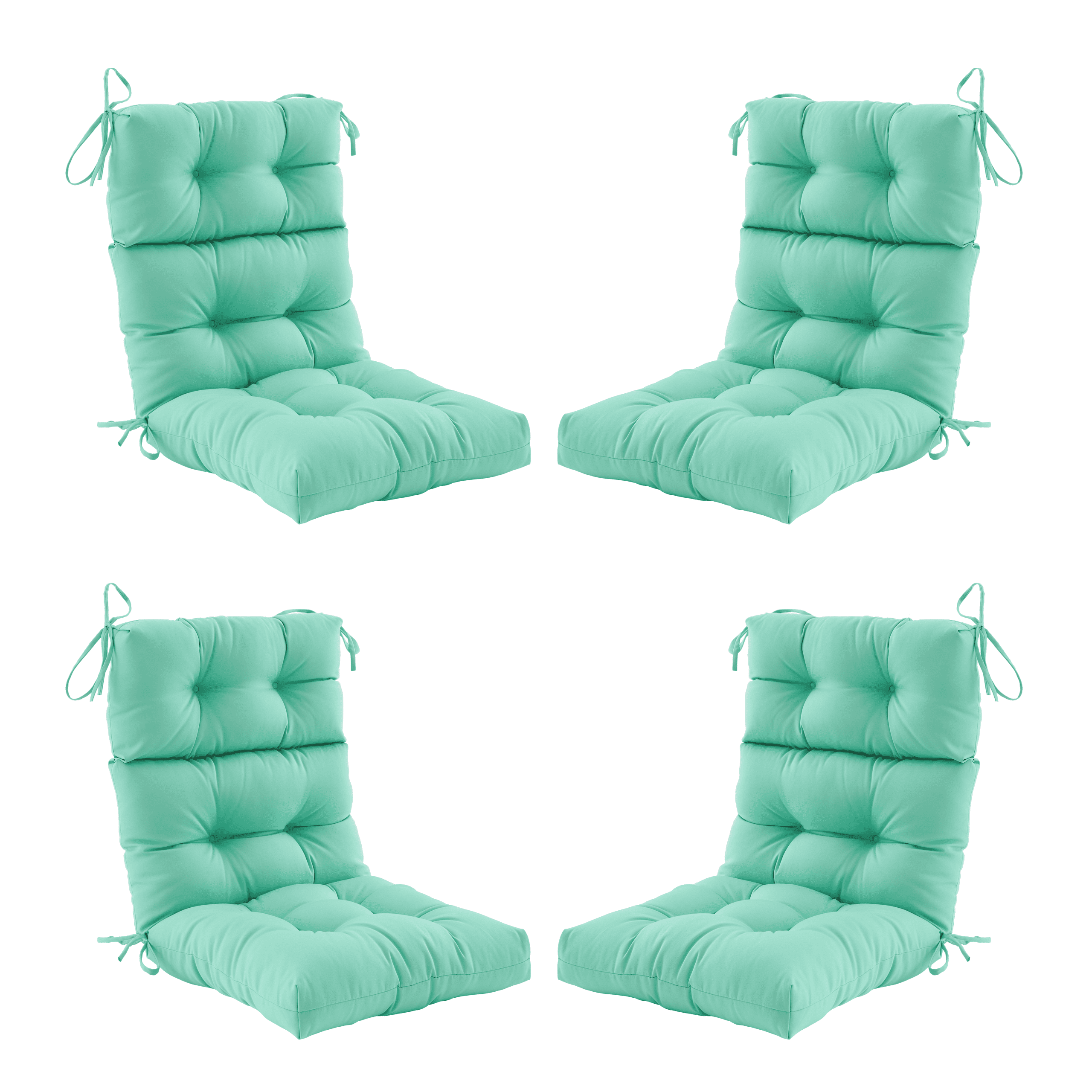
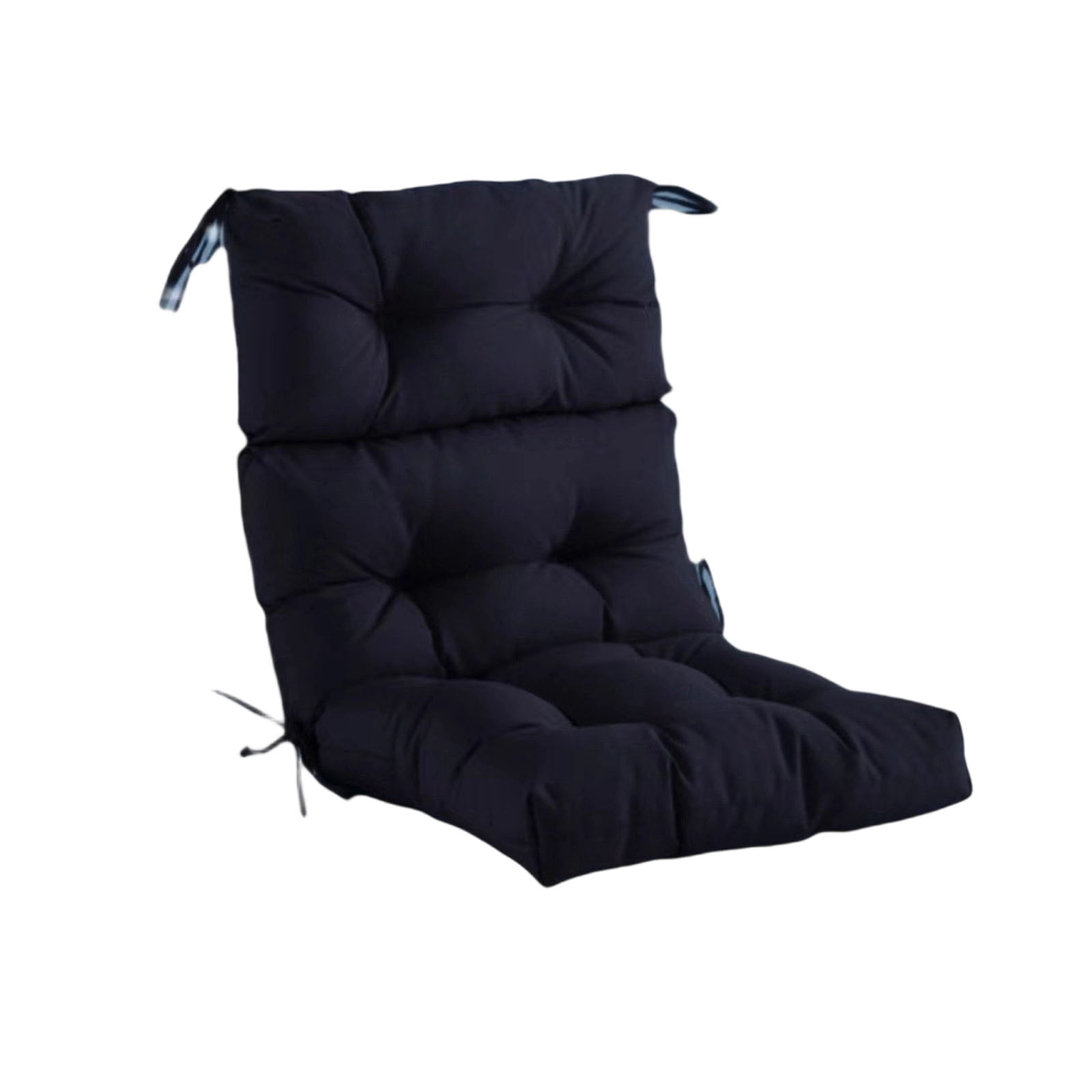
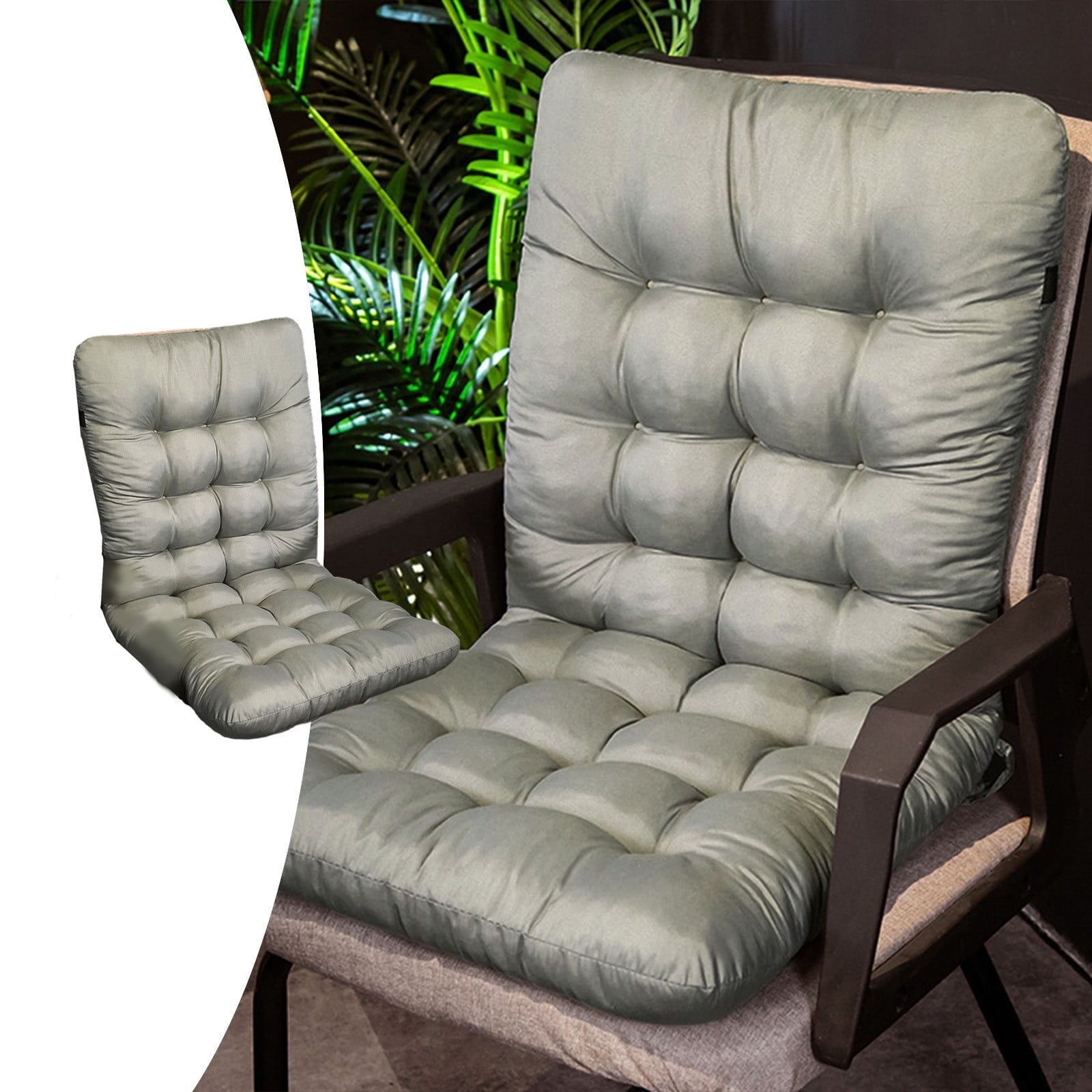
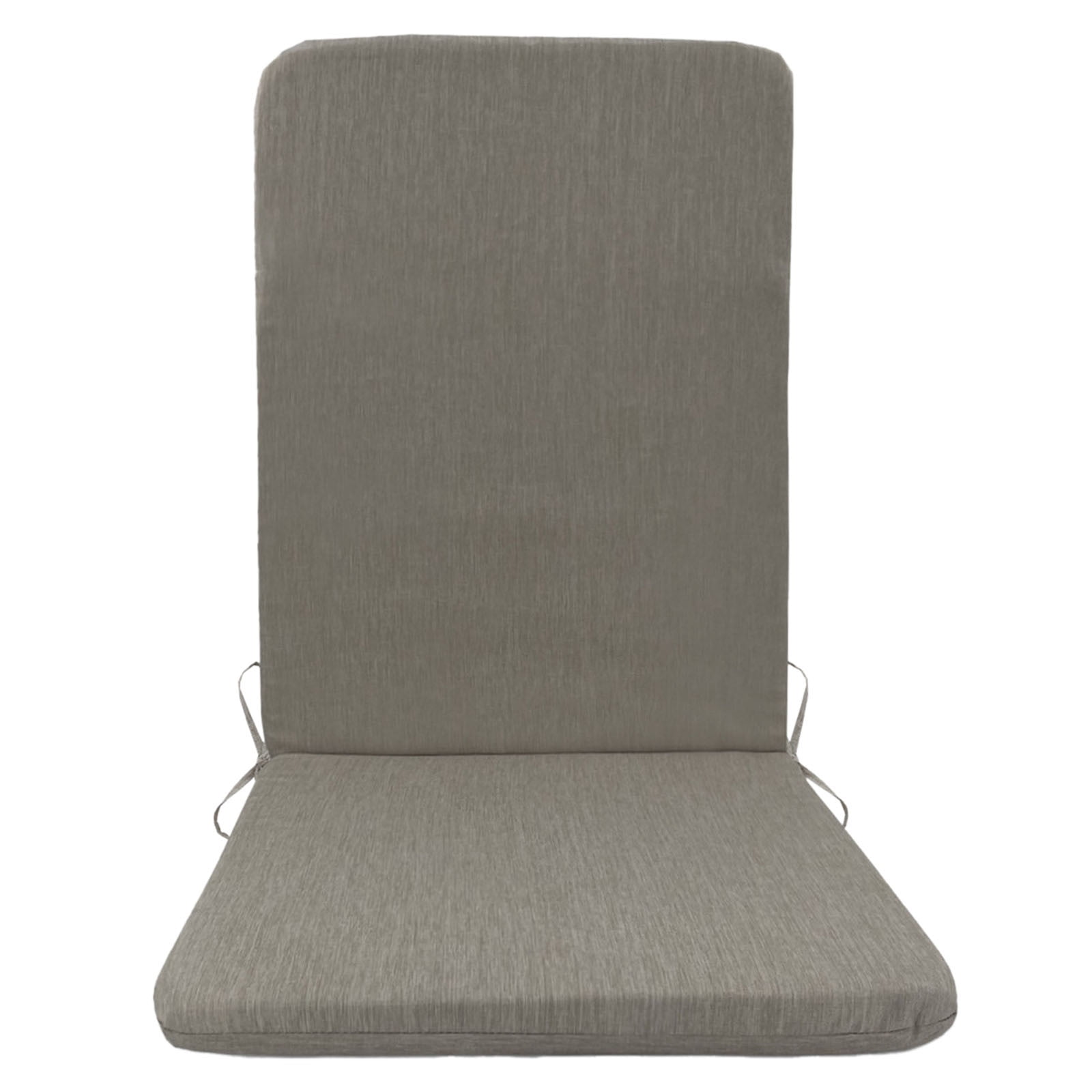
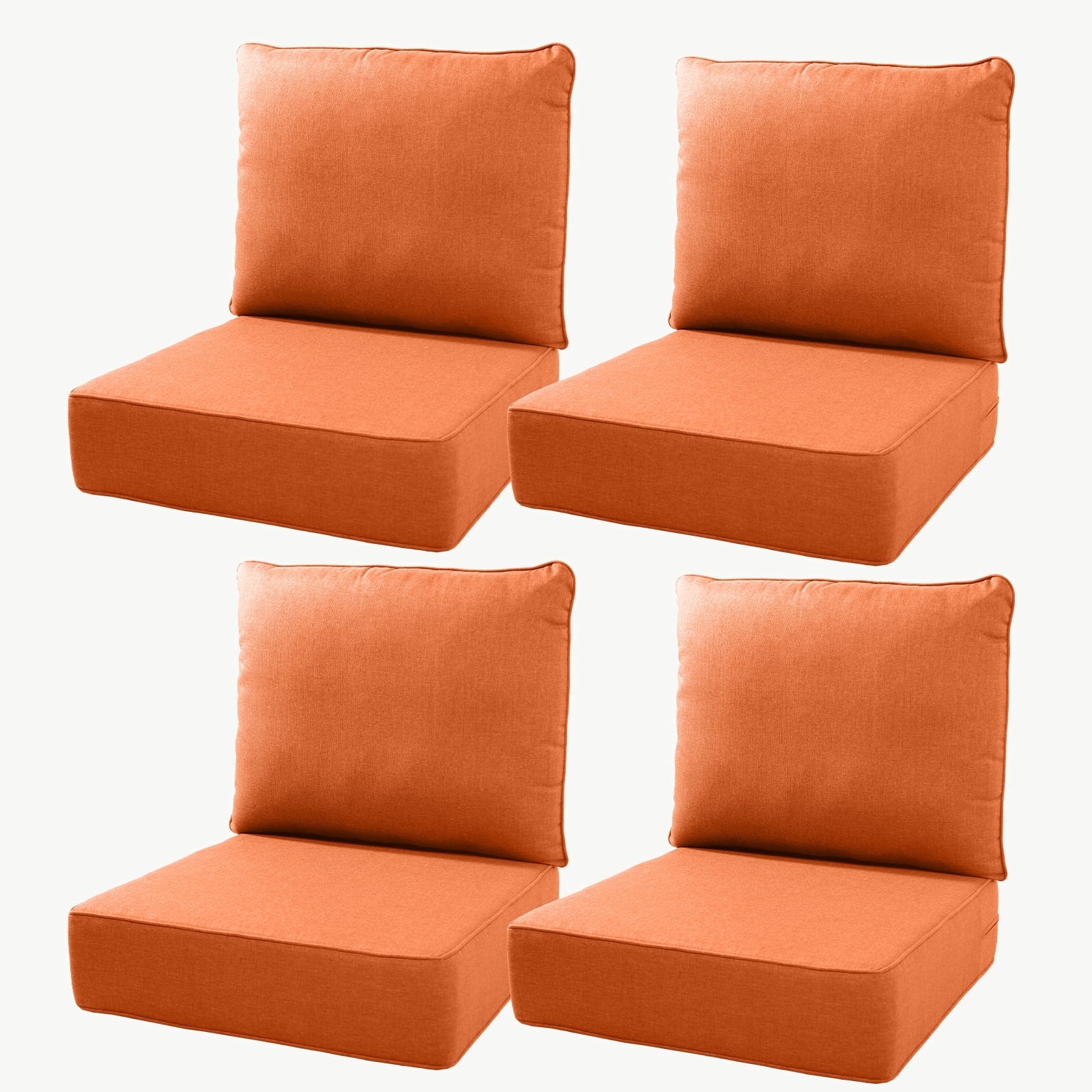
To select durable outdoor furniture back cushions, prioritize solution-dyed acrylic or marine-grade olefin fabrics paired with reticulated open-cell foam or virgin polyester fiber fills. Long-lasting back cushions require UV-resistant PTFE thread, rustproof nylon zippers, and bottom mesh venting to prevent moisture accumulation, sagging, and fabric degradation across harsh seasonal weather cycles.
Understanding Outdoor Back Cushion Mechanics: Ergonomics vs. Weathering
Selecting long-lasting outdoor back cushions requires balancing human ergonomics with environmental resistance. Unlike seat cushions—which must bear heavy vertical weight and require high Indentation Load Deflection (ILD) ratings—back cushions exist to support the spinal curve while shedding atmospheric moisture. Because they stand vertically or at a slight angle, back cushions are exposed to different stress factors than seat cushions, including direct solar radiation on the top edge, wind lift, and rain run-off that collects along the bottom seam.
When an outdoor back cushion fails prematurely, the failure usually traces back to improper material selection rather than general wear. Lower-grade cushions rely on density-lacking poly-fill or standard indoor polyurethane foam wrapped in surface-printed polyester. Under continuous exposure to ultraviolet (UV) radiation and fluctuating humidity, surface dyes fade within a single season, while internal moisture traps spur fungal growth (mold and mildew) that rots the inner core.
Achieving multi-year durability requires viewing the back cushion as a complete engineering system. Every layer—from the outer solution-dyed textile and chemical water-repellent coating to the marine-grade thread, internal casing, and core fill—must allow air and water to pass through freely while resisting physical breakdown.
Evaluating High-Performance Fabrics for Longevity
The outer fabric represents the first line of defense against solar degradation, moisture penetration, and abrasion. Not all outdoor-labeled textiles provide identical protection; the chemical process used to color and weave the fiber dictates how well the fabric retains its strength and hue over time.
- Fabric Dyeing Processes
- Solution-Dyed Acrylic / Olefin
- Color pigment added to liquid polymer BEFORE extrusion
- Color goes through the ENTIRE fiber (like a carrot)
- Piece-Dyed / Printed Polyester
- Color applied ONLY to the outer surface of finished yarn
- Color remains on the SURFACE ONLY (like a radish)
- Solution-Dyed Acrylic / Olefin
Solution-Dyed Acrylic (SDA)
Solution-dyed acrylic is widely recognized as the premier material for outdoor upholstery. During production, liquid acrylic polymer is mixed with color pigments before being extruded into synthetic fibers. As a result, the color locked into the core runs through the entire cross-section of the thread—similar to a carrot compared to a radish.
SDA fabrics naturally resist UV degradation, retaining structural integrity and color vibrancy for 5 to 10 years of direct sun exposure. They feature a soft, breathable hand-feel and receive factory-applied fluorocarbon finishes that repel rain droplets and oil-based stains.
Marine-Grade Olefin (Polypropylene)
Olefin is a synthetic fiber manufactured from polyolefin resin. Like solution-dyed acrylic, high-grade olefin is solution-dyed during extrusion, making it exceptionally colorfast and resistant to chlorine, salt water, and chemical cleansers.
Olefin naturally repels water and dries faster than almost any other synthetic textile because it absorbs virtually no moisture (moisture regain under 0.1%). It is highly abrasion-resistant and less expensive than acrylic, making it an excellent option for high-use residential patios and commercial outdoor venues. However, lower-grade olefin can feel rougher against skin and degrades if exposed to extreme heat source points.
Solution-Dyed Polyester vs. Printed Polyester
Polyester offers high tensile strength and tear resistance, but its durability outdoors depends entirely on how it is dyed:
- Solution-Dyed Polyester: The color is infused into the polymer melt. It offers solid UV resistance (typically rated for 1,500 to 2,000 light hours) at a moderate price point.
- Piece-Dyed or Screen-Printed Polyester: The yarn or woven fabric is dipped in dye or surface-printed after production. Under direct sun exposure, the surface dyes break down rapidly, often causing noticeable fading, chalking, and fabric brittleing within 200 to 500 sunlight hours. Printed polyester should be reserved for covered porches or low-exposure environments.
Cushion Fill Architectures: Selecting the Right Core Material
The internal core of a back cushion controls its shape retention, airflow, and comfort. Because back cushions do not require the firm, load-bearing density of seat cushions, fill materials focus on loft retention, resilience, and rapid drying capacity.
- Open-Cell vs. Closed-Cell Foam
- Reticulated Open-Cell Foam
- Open pore network
- Water drains straight through
- Ideal for outdoor cushions
- Closed-Cell Foam
- Sealed air bubbles
- Water bounces off
- Ideal for boat cushions
- Reticulated Open-Cell Foam
Reticulated Open-Cell Polyurethane Foam
Reticulated polyurethane foam—commonly sold under brand names like EZ-Dri or Fast-Dry—is manufactured through an explosive combustion or chemical etching process that removes cell walls, leaving an open geometric matrix.
This open-pore network allows water and air to flow through the foam core with minimal resistance. When drenched by heavy rain, a back cushion built with a reticulated foam core permits water to drain straight out the bottom rather than acting as a sponge. Paired with a breathable cover, reticulated foam dries fully within 30 to 90 minutes, eliminating the conditions that support mildew and bacterial growth.
Blown Virgin Polyester Fiberfill (Dacron)
Polyester fiberfill is the most common choice for pillow-style back cushions that offer a soft, sink-in feel. For outdoor applications, only 100% virgin conjugated polyester fibers should be used. "Conjugated" fibers are extruded in a helical, spring-like structure that rebounds after compression, while virgin fibers resist clumping better than recycled textile scrap.
To maximize lifespan, high-end outdoor back cushions enclose the loose fiberfill inside a spunbonded polypropylene (Evolution fabric) or mesh inner casing. This prevents fiber migration and allows the inner cushion core to be removed without losing shape.
High-Resiliency (HR) Polyurethane Foam with Polyester Wrap
For structured, box-edge back cushions that require defined lines, solid High-Resiliency polyurethane foam cores are frequently utilized. However, standard indoor HR foam will retain water and break down rapidly if exposed to rainfall.
When HR foam is specified for outdoor back cushions, it must be treated with anti-microbial additives during manufacturing and surrounded by a dense polyester fiber wrap (Dacron layer). This setup creates a soft outer contour, protects the inner core, and keeps the outer fabric taut to prevent wrinkling. These cushions are best suited for covered outdoor living spaces or furniture paired with protective rain covers.
Engineering and Stitching Details That Extend Lifespan
Even high-performance fabrics and cores will fail early if the assembly construction contains weak points. High-durability back cushions incorporate specialized thread, reinforced seams, and drainage systems engineered to withstand weather cycles.
- PTFE (Teflon) Thread: Won't rot from UV or bleach
- Mesh Bottom Drainage Panel: Lets trapped water escape
- Rustproof Nylon Zipper: Eliminates metal corrosion
- Welted / Piped Seams: Protects edges from abrasion
- Reinforced Fabric Straps: Secures cushion in high winds
Thread Selection: PTFE vs. Bonded Polyester
Standard nylon or cotton threads rot quickly when exposed to rain, humidity, and UV rays. As standard thread degrades, cushion seams burst open long before the outer fabric shows wear.
- Polytetrafluoroethylene (PTFE) Thread: Brands such as Gore Tenara produce 100% PTFE thread, which is completely immune to UV radiation, salt water, acid rain, and harsh cleaning chemicals (including pure bleach). PTFE thread maintains its structural strength indefinitely and typically includes a lifetime warranty against seam failure.
- Bonded Outdoor Polyester Thread: A more economical alternative, bonded polyester thread is treated with a UV-inhibiting coating and silicone finish. While not completely permanent like PTFE, high-grade bonded polyester provides 3 to 5 years of reliable service under normal weather conditions.
Moisture Venting and Bottom Mesh Panels
Water that penetrates the top or sides of a cushion naturally migrates downward due to gravity. If the bottom of the cushion cover is completely sealed with solid fabric, water collects along the lower seam, soaking the foam core and creating a breeding ground for mold.
Durable outdoor back cushions incorporate a heavy-duty vinyl-coated polyester mesh (such as Phifertex) along the bottom edge or underside panel. This mesh bottom acts as a continuous drain port, allowing water to escape instantly while promoting continuous airflow through the cushion interior.
Zippers, Fasteners, and Tie-Down Systems
Corrosion-resistant hardware is essential for long-term outdoor functionality:
- Zipper Assemblies: Zipper tracks and sliders should be constructed from self-lubricating marine-grade nylon or plastic (such as YKK Vislon). Metal sliders, even plated ones, eventually corrode, freeze, or stain adjacent fabric with rust streaks.
- Fabric Ties and Velcro Straps: High winds can easily pull unanchored back cushions off deep-seating furniture. Durable cushions feature double-stitched fabric ties or wide hook-and-loop straps attached to the rear seams. The attachment anchor points should be reinforced internally with backing tape to prevent tearing under tension.
Outdoor Cushion Fabric and Core Fill Specification Comparison
The following matrix compares common material combinations used in outdoor back cushion manufacturing to help guide your selection based on environment and budget:
| Material Combination | Primary Core Fill | UV Resistance Rating (Hours) | Moisture & Drainage Performance | Maintenance Level | Estimated Lifespan | Ideal Environment |
|---|---|---|---|---|---|---|
| Solution-Dyed Acrylic + Reticulated Foam | Open-cell polyurethane matrix | 2,000–5,000+ | Excellent (Rapid self-drainage) | Low (Bleach-cleanable) | 5–10+ Years | Uncovered patios, poolside, marine/coastal zones |
| Marine-Grade Olefin + Reticulated Foam | Open-cell polyurethane matrix | 1,500–3,000 | Excellent (Hydrophobic fibers & open core) | Low (Stain & chemical resistant) | 4–7 Years | Exposed decks, high-humidity regions, dining areas |
| Solution-Dyed Poly-Fabric + Virgin Polyester Fiber | Conjugated poly-fiber in mesh casing | 1,200–2,000 | Moderate (Drains well, requires fluffs) | Moderate (Spot clean with mild soap) | 3–5 Years | Covered patios, screened porches, standard seating |
| Piece-Dyed Polyester + Standard Poly-Foam | Closed/Standard polyurethane block | 200–500 | Poor (Traps moisture, sponge effect) | High (Prone to mold & heavy fading) | 1–2 Seasons | Indoor sunrooms, fully covered low-exposure areas |
Maintenance Protocols to Prevent Fading, Mold, and Sagging
Routine maintenance prevents surface contaminants like pollen, dust, and organic debris from embedding in the weave, where they can nourish mold spores even on synthetic fabrics.
- Routine Maintenance Checklist
- Monthly: Dry-brush surface dirt; hose down with clear water
- Seasonal: Deep clean with mild soap, warm water, and soft brush
- Post-Rain: Stand cushions vertically on edge to speed drainage
- Winter: Store inside a dry, climate-controlled space
Cleaning Procedures by Stain Severity
- Routine Dust & Pollen Removal: Brush off dry debris with a soft-bristle nylon brush. Hose down the fabric thoroughly with clear water and allow it to air-dry naturally.
- General Cleaning (Mild Soap Solution): Mix 1/4 cup of mild liquid soap (such as Dawn) per gallon of lukewarm water (not exceeding 100°F/38°C). Scrub the fabric gently with a soft sponge or brush, let the solution soak into the weave for 10 minutes, and rinse thoroughly until no soap suds remain.
- Stubborn Mold and Mildew Removal (Solution-Dyed Acrylic Only): Combine 1 cup of household liquid bleach and 1/4 cup of mild soap per gallon of water. Spray the solution onto the affected area, allow it to soak for 15 minutes, scrub with a soft brush, and rinse thoroughly.
- Warning: Never apply bleach solutions to printed polyester or non-solution-dyed fabrics, as it will strip the color instantly. Always verify manufacturer fabric care guidelines before applying chemical treatments.
Correct Drying and Seasonal Storage Techniques
- Post-Rain Draining: After heavy downpours, unzip the cushion covers slightly and stand the back cushions on their side edges with the bottom drainage mesh facing down. This uses gravity to clear trapped moisture quickly.
- Winterization: Never store damp cushions inside plastic bags or sealed containers, which trap ambient humidity and foster mold growth. Clean and fully dry all cushions at the end of the season, then store them in a dry, ventilated indoor space or inside a heavy-duty fabric cushion storage bag.
Sizing and Custom Ordering for an Exact Fit
Replacing or custom-ordering outdoor back cushions requires accurate measurements to ensure proper ergonomic support and prevent excess fabric slacking.
- Measuring Furniture Back Frame
- Back Cushion Height: Measure top to bottom along interior frame
- Back Cushion Width: Measure left to right across frame opening
Steps for Measuring Back Cushions
- Measure the Furniture Frame, Not Old Cushions: Old, worn cushions lose shape, compress, and stretch over time. Always measure the solid frame of the sofa, chair, or deep-seating unit directly.
- Determine Back Cushion Width: Measure the internal distance from the inside of the left armrest/frame to the inside of the right frame. For multi-seat sofas, divide the total internal width by the number of individual cushions, subtracting 0.5 inches (1.27 cm) total to allow cushions to fit side-by-side without bulging.
- Determine Back Cushion Height: Measure from the top of the seat cushion surface (or seat deck if measuring without seat cushions, making sure to deduct seat cushion thickness) to the top rail of the furniture frame. For proper lumbar and upper-back support, back cushions typically extend 2 to 4 inches (5 to 10 cm) above the rear frame rail.
- Calculate Thickness (Depth): Standard outdoor back cushion thickness ranges between 4 inches (10 cm) for traditional knife-edge styles and 6 to 8 inches (15 to 20 cm) for deep-seating box cushions. Ensure back cushion thickness leaves sufficient depth on the seat cushion for comfortable sitting.
Frequently Asked Questions
How do back cushions differ from seat cushions in construction?
Seat cushions require high-density foam with high Indentation Load Deflection (ILD) ratings to support body weight without bottoming out. Back cushions prioritize soft ergonomic support and shape memory, utilizing lower-density open-cell foam, polyester fiberfill, or channeled fiber cores. Back cushions also feature lighter fabric weights and specialized bottom mesh panels to drain water that runs down the vertical backrest.
What is the best filling material for back cushions left outdoors year-round?
Reticulated open-cell polyurethane foam is the ideal filling for cushions exposed to continuous weather. Its open-pore design lets rainwater drain straight through the cushion core rather than trapping it like a sponge. When paired with a solution-dyed acrylic cover and a bottom drainage mesh, reticulated foam dries within an hour after heavy rainfall and resists mold and mildew growth.
Can moldy back cushion foam be restored, or must it be replaced?
If the cushion core is constructed from reticulated open-cell foam, mold can often be eliminated by soaking the foam in a diluted bleach-and-water solution, rinsing thoroughly with a hose, and allowing it to dry completely in direct sunlight. However, if standard polyurethane foam or dense fiberfill becomes saturated with deep-seated mold, the interior structure cannot be fully sanitized and should be replaced to prevent health risks and recurring odors.
How do I stop outdoor back cushions from blowing away in high winds?
Secure back cushions to the furniture frame using integrated fabric ties, heavy-duty hook-and-loop (Velcro) straps, or concealed snap tabs sewn directly into the rear seams. For furniture designs without mounting rails, add non-slip rubberized fabric pads between the cushion and the frame, or install hidden magnetic closures beneath the cover seams.
Are waterproof cushion covers better than water-resistant fabrics?
Water-resistant, breathable fabrics (such as solution-dyed acrylic or olefin) are generally superior to completely waterproof plastic-backed covers for outdoor cushions. Fully waterproof covers seal off airflow; if moisture enters through seam stitching or open zippers, it remains trapped inside, causing rapid mold growth and internal foam rotting. Breathable fabrics allow trapped internal humidity to evaporate naturally.
Next Steps for Upgrading or Preserving Your Outdoor Cushions
To maximize the performance and lifespan of your outdoor seating investment, evaluate your current setup and implement the following updates:
- Inspect Existing Cushions: Unzip your current covers to inspect the inner core material and stitching. Look for signs of thread degradation, internal water retention, or crumbling foam.
- Upgrade Critical Hardware: If covers are in good condition but seams are splitting or water is pooling inside, take the covers to an upholstery shop to add bottom mesh drainage panels and replace failing seams with PTFE thread.
- Source Performance Materials: When purchasing new or replacement back cushions, confirm with the manufacturer that the specifications include solution-dyed fabric (such as Sunbrella, Outdura, or Revolution), reticulated open-cell foam or virgin poly-fiber, and marine-grade nylon zippers.
- Establish a Care Schedule: Implement a monthly routine of dry-brushing surface dust and standing cushions vertically after rainstorms to keep your outdoor back cushions clean, comfortable, and resilient over time.