Las Vegas has emerged as a high-demand hub for plasma collection, driven by the increasing need for source plasma to manufacture life-saving protein therapies. As of 2026, the donation landscape in Clark County is governed by stringent FDA regulations and updated industry benchmarks that ensure both donor safety and the clinical efficacy of collected plasma.
Current Regulatory Standards and Donor Eligibility for 2026
The safety of the plasma supply chain relies on the strict adherence to the standards set by the Plasma Protein Therapeutics Association (PPTA) and the FDA’s Center for Biologics Evaluation and Research. Donors in Las Vegas must meet specific physiological and health-related benchmarks before being permitted to donate.
For the 2026 calendar year, the primary eligibility criteria include:
- Age Requirement: Donors must be at least 18 years of age. Some facilities may have internal policies regarding upper age limits, typically capping at 65 or 70 depending on physical health.
- Weight Threshold: A minimum weight of 110 pounds is universally required across all licensed Nevada centers to ensure the body can safely tolerate the volume of extracorporeal blood handling.
- Health Screening: Every visit begins with a confidential health interview. You will be asked about recent travel, medication usage, surgical history, and high-risk behaviors.
- Identification Verification: You must provide a valid government-issued photo ID, proof of your current Las Vegas residence (such as a utility bill), and your Social Security number to comply with the National Donor Deferral Registry (NDDR).
The Technical Process of Plasmapheresis
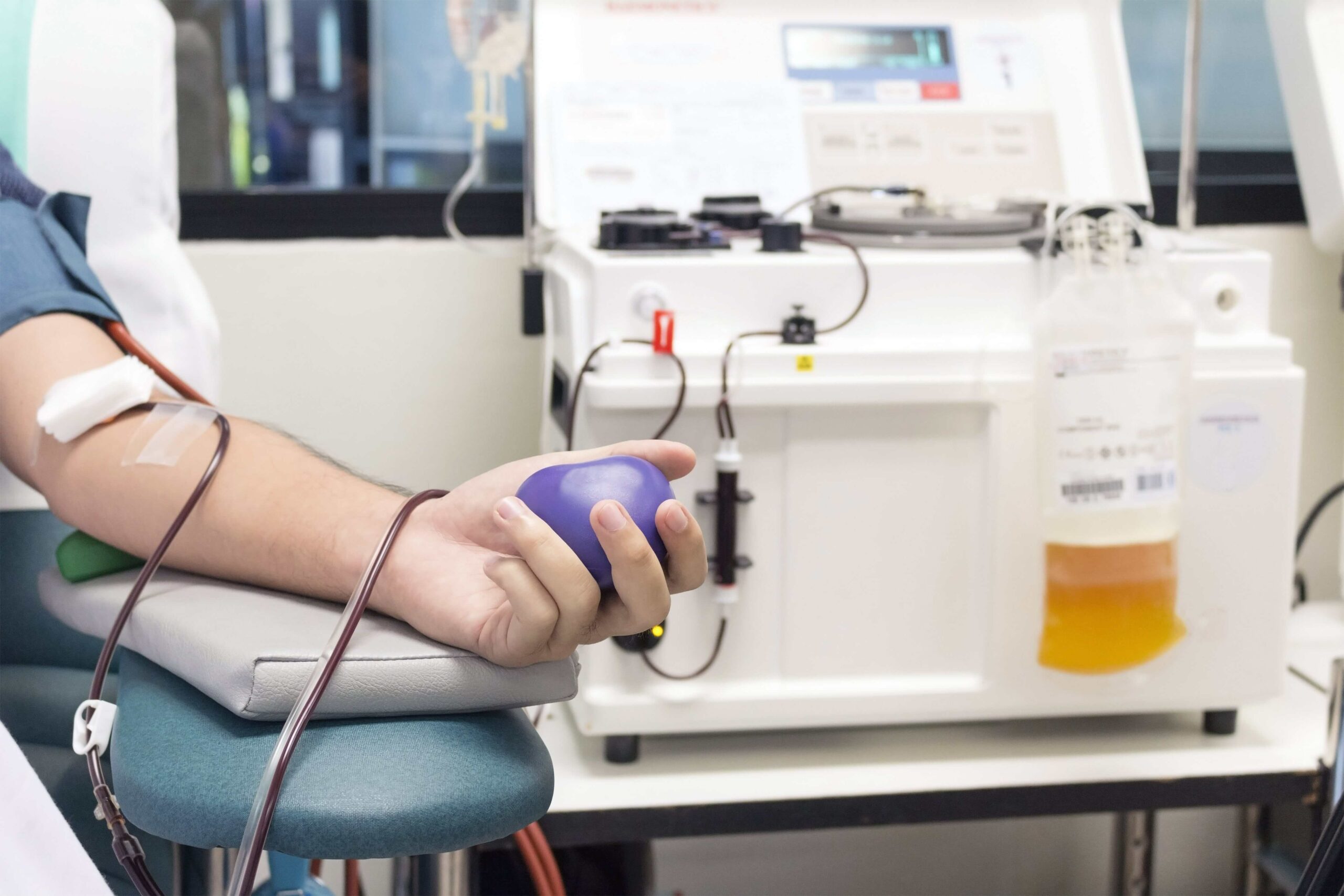
Plasmapheresis is the medical procedure used to collect plasma. Unlike whole blood donation, this process involves separating the plasma from the blood cells using an automated machine. The red blood cells, white blood cells, and platelets are then returned to your body through the same sterile, single-use needle set.
The 2026 standard for a successful session typically follows this technical workflow:
- Pre-Screening: Vital signs are measured, including blood pressure, pulse, and temperature. A finger-stick test checks your hematocrit (red blood cell volume) and total protein levels.
- Phlebotomy: A sterile needle is inserted into the antecubital vein (the inner elbow). The automated system cycles the blood through a centrifuge.
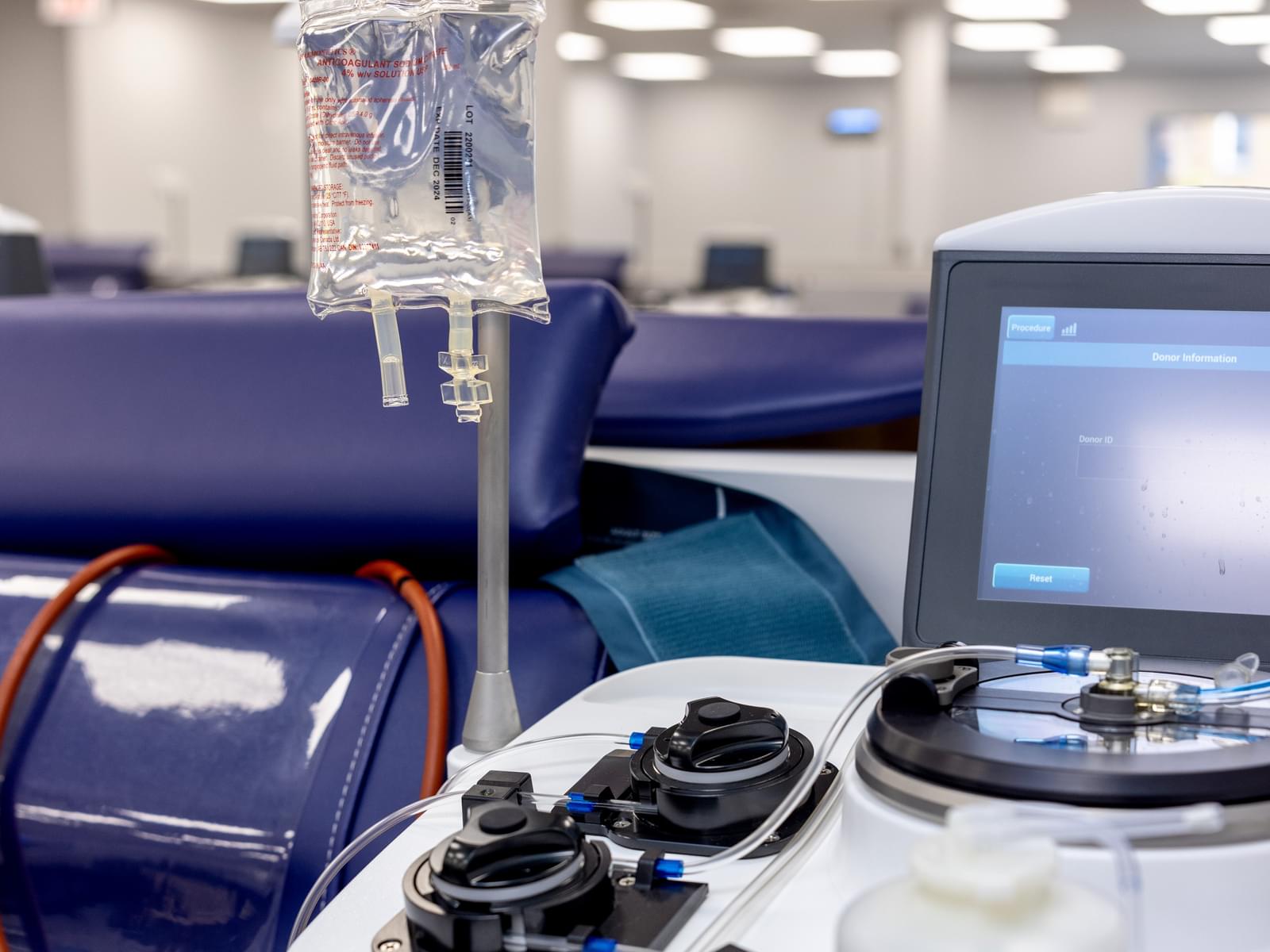
- Anticoagulation: A citrate-based solution is mixed with your blood to prevent clotting while it is outside your body. The body metabolizes this rapidly upon the return of the cellular components.
- Reinfusion: Your cellular components are returned. This cycle repeats until the required plasma volume is reached, usually taking between 60 and 90 minutes.
Regional Plasma Center Comparison in Clark County
Choosing a donation center in Las Vegas involves evaluating not just compensation, but also wait times, facility cleanliness, and the technology utilized for the collection.
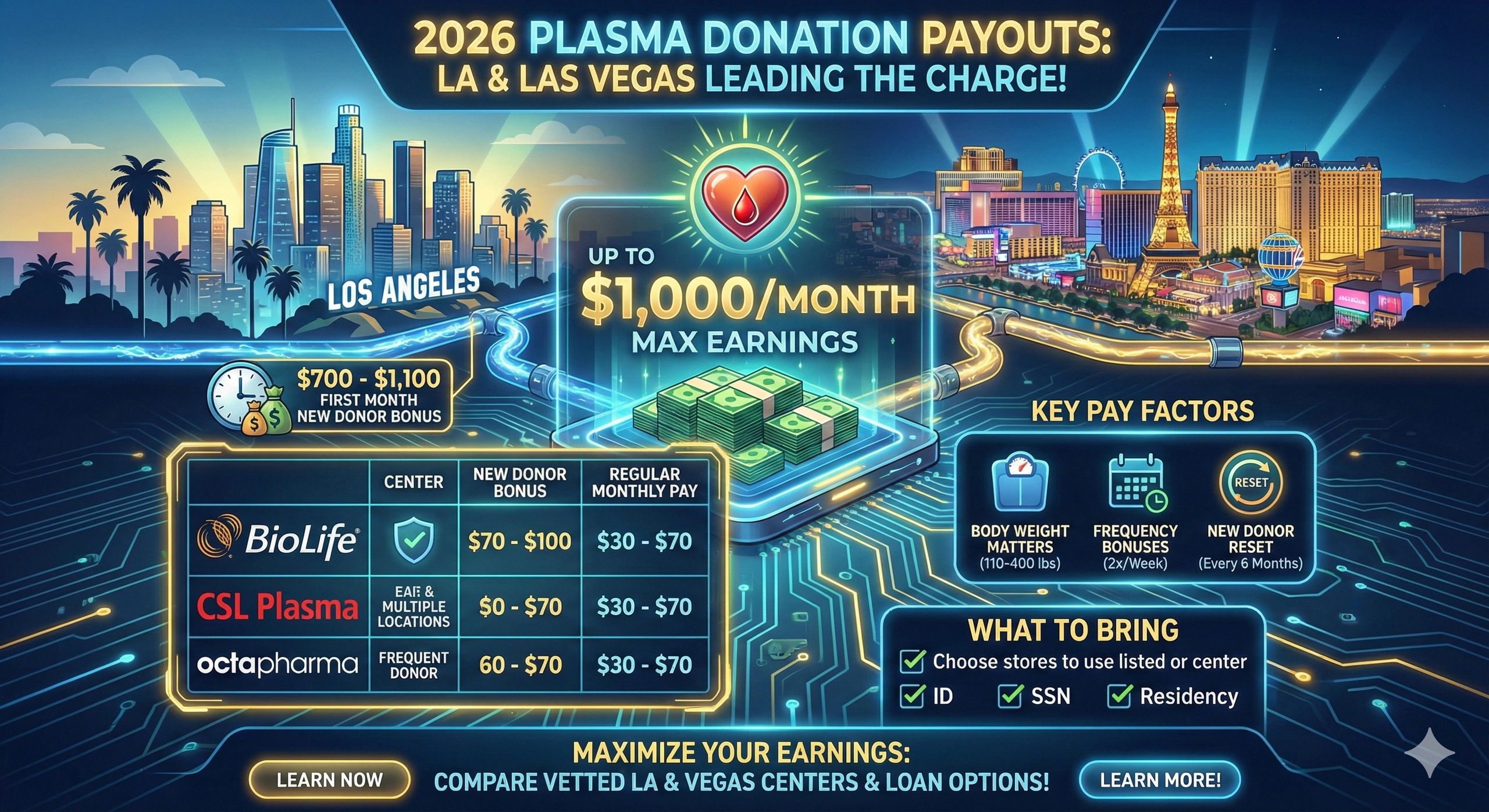
| Feature | CSL Plasma (Las Vegas Metro) | BioLife Plasma Services | Grifols Biomat USA |
|---|---|---|---|
| Technology | NexSys PCS | Aurora Xi | PCS2 System |
| Compensation | Dynamic/Tiered | High New Donor Bonus | Standardized/Weight-based |
| Avg. Wait Time | 45-75 Minutes | 60-90 Minutes | 50-80 Minutes |
| Appointment Model | App-Based Scheduling | Required Appointments | Walk-ins Encouraged |
| 2026 Safety Rating | High (FDA Inspected) | High (FDA Inspected) | High (FDA Inspected) |
Note: Compensation rates fluctuate weekly based on local supply and demand in the Nevada region. Always verify current promotional incentives via the center’s official 2026 mobile application before your first visit.
Maximizing Health and Recovery After Donation
Donating plasma is a significant physiological undertaking. In 2026, medical best practices emphasize "recovery nutrition." Because you are removing plasma—which is roughly 90% water and 7% protein—replenishing these stores is critical for maintaining donor health.
Hydration Protocol Drink at least 16 ounces of water or electrolyte-balanced fluids at least two hours before your appointment. Post-donation, continue to consume water throughout the day to support blood volume normalization. Avoid alcohol for at least 8 hours following your session, as it increases the risk of dehydration.
Protein-Rich Nutrition Plasma contains essential albumin and globulins. A diet rich in lean meats, legumes, dairy, or plant-based proteins in the 24 hours preceding your donation ensures that your protein levels remain within the acceptable range during the pre-screening phase.
Frequently Asked Questions
How often can I donate plasma in Las Vegas in 2026?
According to federal regulations, you may donate no more than twice in any seven-day period, with at least 48 hours between sessions. This ensures your body has sufficient time to regenerate the plasma proteins removed during the procedure.
Is it painful to donate plasma?
Most donors report minimal discomfort, limited to the initial venipuncture. Modern equipment uses high-gauge, thin-wall needles designed to be as minimally invasive as possible, and the actual collection process is generally painless.
Can I donate if I am on medication?
Many common medications, such as birth control, antidepressants, or cholesterol-lowering drugs, are acceptable. However, certain antibiotics, anticoagulants, and acne medications may trigger a temporary deferral. Always bring a list of your current prescriptions to your first visit.
What should I bring to my first appointment?
You must bring a current government-issued ID (such as a Nevada Driver's License or Passport), your Social Security card (or a W-2/paystub reflecting the number), and proof of residence. Digital copies of documents are generally not accepted; physical originals are required for verification.
Will I be compensated for my time?
Yes. Plasma collection centers compensate donors for their time and the biological material provided. In 2026, compensation in the Las Vegas market is usually provided via a reloadable debit card, which is issued during your first visit and funded immediately after each successful donation.
Strategic Tips for Efficient Donations
To minimize your time spent at a center, utilize the "Express" or "Rapid" check-in features found in the official apps of major providers. These apps allow you to complete the pre-donation medical history questionnaire from home, which can shave 15 to 20 minutes off your in-center processing time. Furthermore, scheduling your sessions during mid-week, mid-day hours (Tuesday through Thursday, 10:00 AM to 2:00 PM) typically results in the shortest wait times compared to weekends or early mornings.
If you are a first-time donor in 2026, ensure you prioritize the "New Donor" incentive programs. Most centers offer significantly higher payouts for the first 5 to 8 donations to encourage donor retention. Be sure to download the specific app for your chosen facility, as many bonus payouts are contingent upon digital coupon activation within the app interface.
By maintaining your health, staying hydrated, and adhering to the logistical requirements of local centers, you contribute to a vital medical necessity. Your plasma serves as the raw material for essential therapies for patients with immune deficiencies, burn victims, and those with rare coagulation disorders.
Ready to make an impact? Check the official website of the plasma center nearest to your zip code to book your appointment and begin your donor journey today.