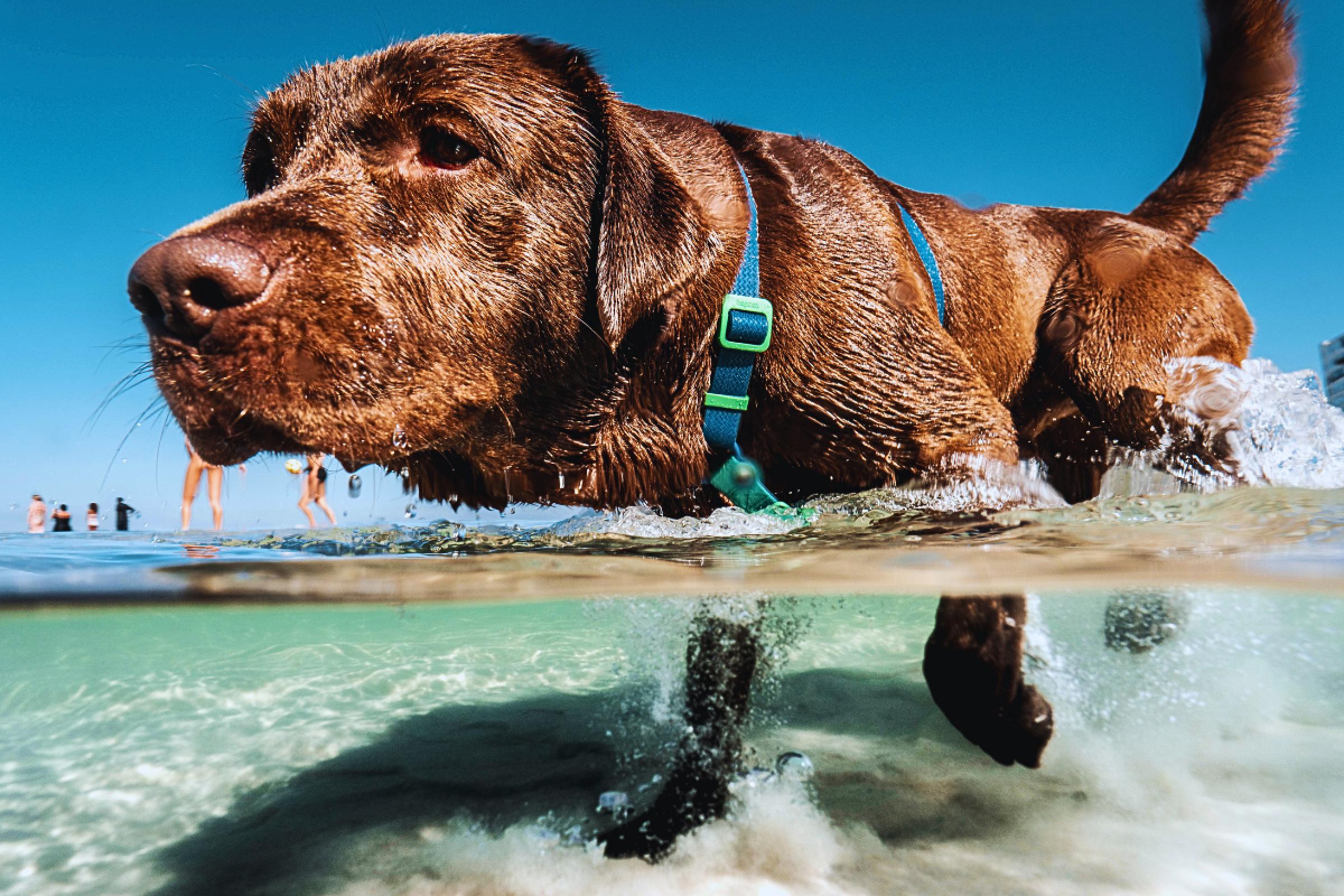
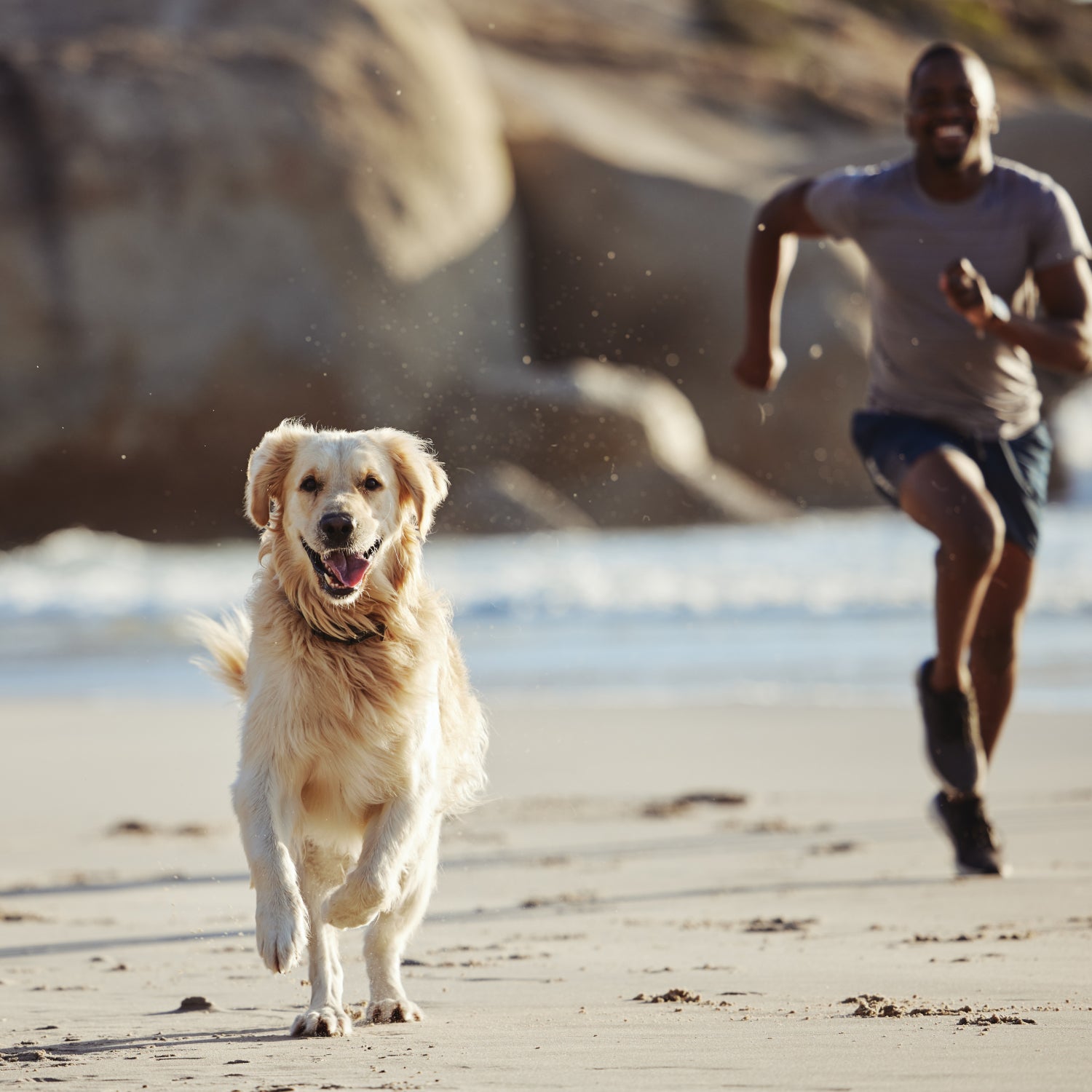
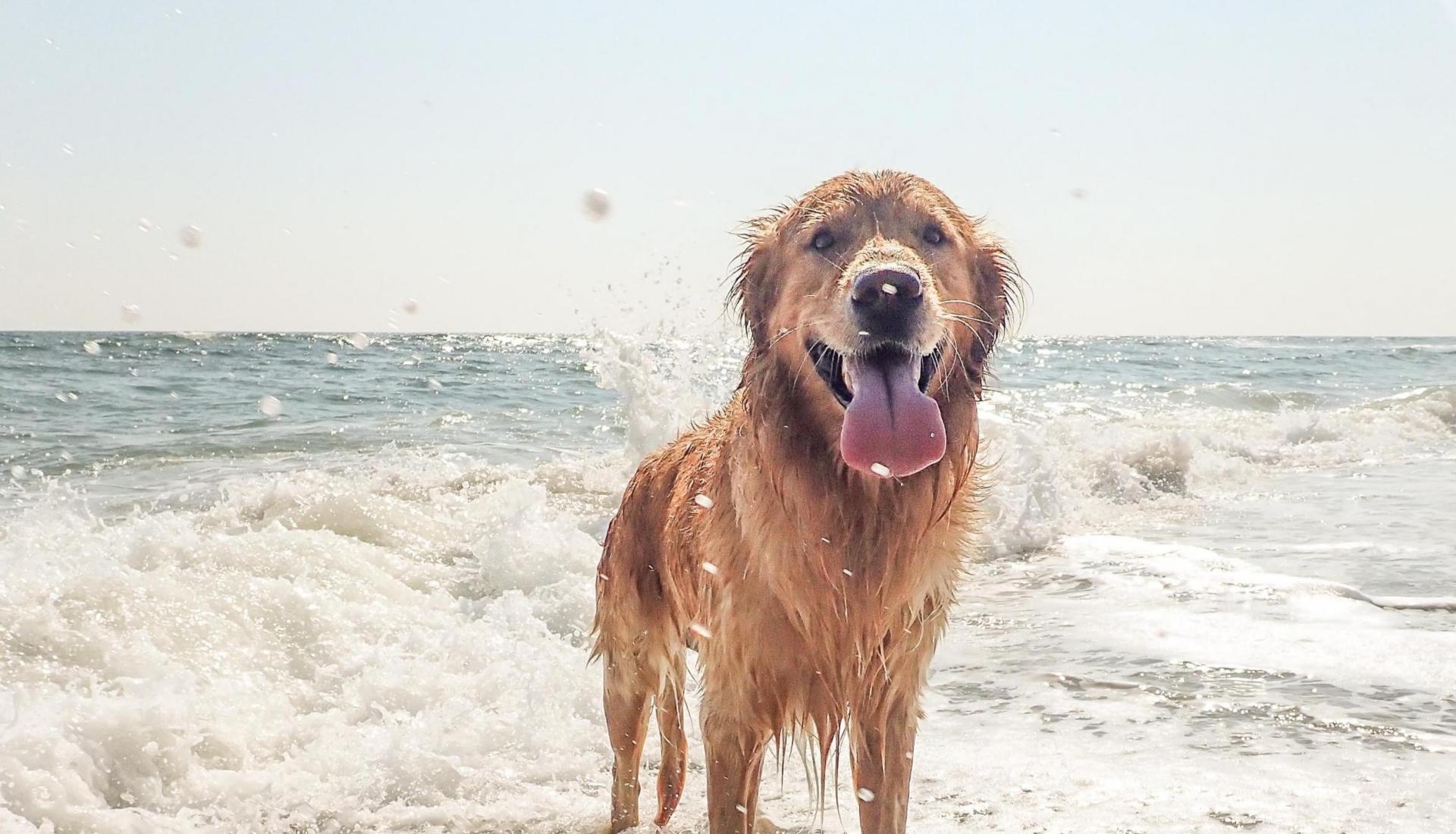
Delaware’s coastline remains one of the premier destinations for pet owners in 2026, offering a sophisticated blend of rugged state park beauty and vibrant coastal towns. Navigating the "First State" with a canine companion requires an understanding of the specific local ordinances that vary significantly between state-managed lands and municipal shorelines. As the 2026 summer season approaches, the Delaware Department of Natural Resources and Environmental Control (DNREC) has maintained strict but fair guidelines to ensure the safety of both wildlife and domestic animals. This guide provides the technical specifications, seasonal schedules, and expert recommendations necessary for a seamless coastal experience with your dog.
Delaware State Parks: The Premier Choice for Year-Round Access
The Delaware State Park system offers the most expansive opportunities for dog owners, provided you move away from the designated "swimming beaches" during the peak season. For 2026, the primary state-managed coastal areas—Cape Henlopen, Delaware Seashore, and Fenwick Island State Park—operate under a unified set of pet regulations designed to protect nesting shorebirds and maintain water quality.
Cape Henlopen State Park (Lewes)
Cape Henlopen continues to be the crown jewel for pet owners due to its diverse terrain. While dogs are prohibited from the lifeguarded swimming sections from May 1 through September 30, 2026, they are permitted year-round on non-lifeguarded beaches. The "Point" area often has specific closures during the spring and summer to protect the Piping Plover nesting sites, so checking the daily 2026 DNREC bulletin at the park entrance is mandatory. The Gordon’s Pond trail provides an excellent alternative for exercise when sand temperatures become too high for paw pads.
Delaware Seashore State Park (Rehoboth/Bethany)
This park encompasses six miles of ocean shoreline. In 2026, the rules stipulate that pets are allowed on the beach areas north of the Indian River Inlet and south of the towers, excluding the designated swimming zones during the summer months. This park is particularly popular for "surf fishing" families; dogs are allowed in the vehicle-access surf fishing areas provided they remain on a leash no longer than six feet.
Fenwick Island State Park
Located at the southernmost tip of Delaware, Fenwick Island offers a more secluded experience. Similar to other state parks, the non-swimming areas are open to dogs throughout 2026. The shallow waters of the Little Assawoman Bay, accessible from the western side of the park, provide a safer swimming environment for smaller breeds or dogs wary of the Atlantic's heavy surf.
Municipal Beach Regulations: 2026 Seasonal Restrictions
Unlike the state parks, Delaware’s coastal towns have highly specific ordinances that govern when and where dogs can step onto the sand. These rules are strictly enforced by local police and seasonal code enforcement officers in 2026.
Dewey Beach: The Most Pet-Friendly Town
Dewey Beach remains the most accommodating municipality in the region. In 2026, dogs are permitted on the beach at any time during the "off-season" (October 1 to May 14). During the summer season (May 15 to September 30), dogs are allowed on the beach before 9:30 AM and after 5:30 PM.
Dewey Beach 2026 Licensing Requirements
All dogs in Dewey Beach must be licensed with the town. For the 2026 season, the fees are structured as follows: a lifetime license is available for $35, a 3-day permit for $10, and an 8-day permit for $20. These funds are directly allocated to beach cleanup and the provision of pet waste stations along the dunes. Owners must have the license tag or digital receipt available for inspection at all times.
Rehoboth Beach and Bethany Beach
These family-centric resorts maintain the strictest regulations to accommodate high pedestrian density. In 2026, dogs are completely prohibited from the beach and the boardwalk from May 1 through September 30. During the shoulder seasons and winter months, the boardwalk becomes a primary destination for socialized dogs, but leashing is mandatory, and "extendable" leashes are discouraged in crowded areas.
| Beach Location | 2026 Summer Access (May-Sept) | Leash Requirement | 2026 Permit Required? |
|---|---|---|---|
| Dewey Beach | Before 9:30 AM / After 5:30 PM | Required (unless swimming) | Yes (Town License) |
| Cape Henlopen | Non-swimming areas only | 6ft Maximum Leash | No (Park Entry Fee only) |
| Rehoboth Beach | Prohibited | 6ft Maximum Leash | No (Prohibited in Summer) |
| Bethany Beach | Prohibited | 6ft Maximum Leash | No (Prohibited in Summer) |
| Lewes (Town) | Before 8:00 AM / After 6:30 PM | Required | No |
| Delaware Seashore | Non-swimming areas only | 6ft Maximum Leash | No (Park Entry Fee only) |
Critical Safety and Health Guidelines for 2026
The Atlantic coastal environment presents specific biological and physical risks for canines. As a Subject Matter Expert in pet travel, I recommend adhering to the following safety protocols developed for the 2026 climate and environmental conditions.
- Saltwater Toxicity (Hypernatremia): Dogs often ingest saltwater while fetching toys or swimming. In 2026, we have seen an increase in cases of salt poisoning. Always provide a primary source of fresh water and limit "fetch" sessions in the surf to 15 minutes to prevent excessive ingestion.
- Sand Temperature Management: In the peak of July 2026, sand temperatures can exceed 130°F, which can cause second-degree burns on paw pads within 60 seconds. If the sand is too hot for your palm, it is too hot for your dog. Use the "Five-Second Rule" or stick to the wet sand near the shoreline.
- Shorebird Protection Zones: 2026 is a critical year for the recovery of the Red Knot and Piping Plover populations. Fines for entering marked nesting areas with a dog in Delaware State Parks have increased to $250 per occurrence. Always yield to wildlife and keep dogs away from the dunes.
- Heat Stroke Monitoring: High humidity on the Delaware coast can impede a dog’s ability to cool itself through panting. Watch for signs of heavy panting, bright red gums, and lethargy. Many Delaware beaches in 2026 now provide "Cooling Stations" near the main pavilions—utilize these frequently.
Expert Insight: Recommended 2026 Itinerary for Pet Owners
To maximize your visit, I recommend a "Dual-Zone" strategy. Start your morning at Dewey Beach at 7:30 AM for off-leash socialization and swimming. As the 9:30 AM curfew approaches, transition to the Gordon’s Pond Area of Cape Henlopen State Park. The elevated boardwalk and shaded trail sections offer a cooler environment for mid-day exercise.
For evening dining, the 2026 trend in Lewes and Rehoboth has shifted toward "Pet-Inclusive Patios." Over 60% of establishments on the Rehoboth Highway (Route 1) corridor now offer designated pet seating areas with water bowl service. Always call ahead to confirm that their 2026 health department permit allows for non-service animals on the patio.
Comparison: State Parks vs. Municipal Beaches
Infrastructure and Amenities
State Parks offer superior natural beauty and extensive trail systems but require a daily vehicle entrance fee ($5 for in-state, $10 for out-of-state in 2026). These areas provide "dog wash" stations at most bathhouses, which are essential for removing corrosive salt and sand before the drive home. Municipal beaches like Dewey offer a more social, community-driven atmosphere but lack the specialized washing infrastructure found in the state parks.
Enforcement and Compliance
In 2026, Delaware has implemented "Smart Patrols" using digital reporting for leash law violations. While the state parks focus on environmental protection (staying off dunes), towns like Rehoboth focus on public health and density. Choosing the right location depends entirely on your dog’s socialization level; reactive dogs will fare much better in the wide-open expanses of the Delaware Seashore State Park than on the crowded morning sands of Dewey.
2026 Frequently Asked Questions
Can dogs go on the Rehoboth Beach Boardwalk in 2026?
Dogs are only permitted on the Rehoboth Beach Boardwalk during the off-season, which runs from October 1 through April 30. During the 2026 summer season (May 1 to September 30), pets are strictly prohibited from the boardwalk and the beach to ensure pedestrian safety and hygiene.
Are there any off-leash beaches in Delaware?
Dewey Beach is the only municipality that officially allows dogs to be off-leash during specific hours (before 9:30 AM and after 5:30 PM in the summer), provided they are under strict voice command and the owner possesses a valid town dog license. Most other beaches, including all state parks, require a leash at all times.
What are the 2026 fines for bringing a dog to a restricted beach?
Fines for violating pet ordinances in 2026 range from $50 to $250, depending on the jurisdiction. In state parks, the highest fines are reserved for dogs that disturb nesting wildlife or enter prohibited "swimming-only" zones during guarded hours.
Do I need to bring my dog's vaccination records to Delaware beaches?
While you generally do not need to present them to enter the beach, Delaware law requires all dogs to be vaccinated against rabies. In 2026, code enforcement officers have the authority to request proof of vaccination if an incident occurs or if a dog appears ill. Carrying a digital copy on your phone is highly recommended.
Is there a fee for dogs at Delaware State Parks?
There is no specific "per-dog" fee for entering Delaware State Parks in 2026. However, the standard vehicle entrance fee applies. These fees support the maintenance of the pet waste stations and the "Paws in the Park" environmental education programs hosted throughout the summer.
Preparing for Your 2026 Visit
As you plan your excursion to Delaware’s coastline, prioritize the health of the local ecosystem as much as your pet's enjoyment. The 2026 "Carry-In, Carry-Out" initiative is in full effect across all Delaware beaches; this includes pet waste, which must be disposed of in designated sealed receptacles to prevent groundwater contamination. By adhering to the 2026 seasonal schedules and choosing the location that best fits your dog's temperament, you ensure that Delaware remains a welcoming destination for all travelers.