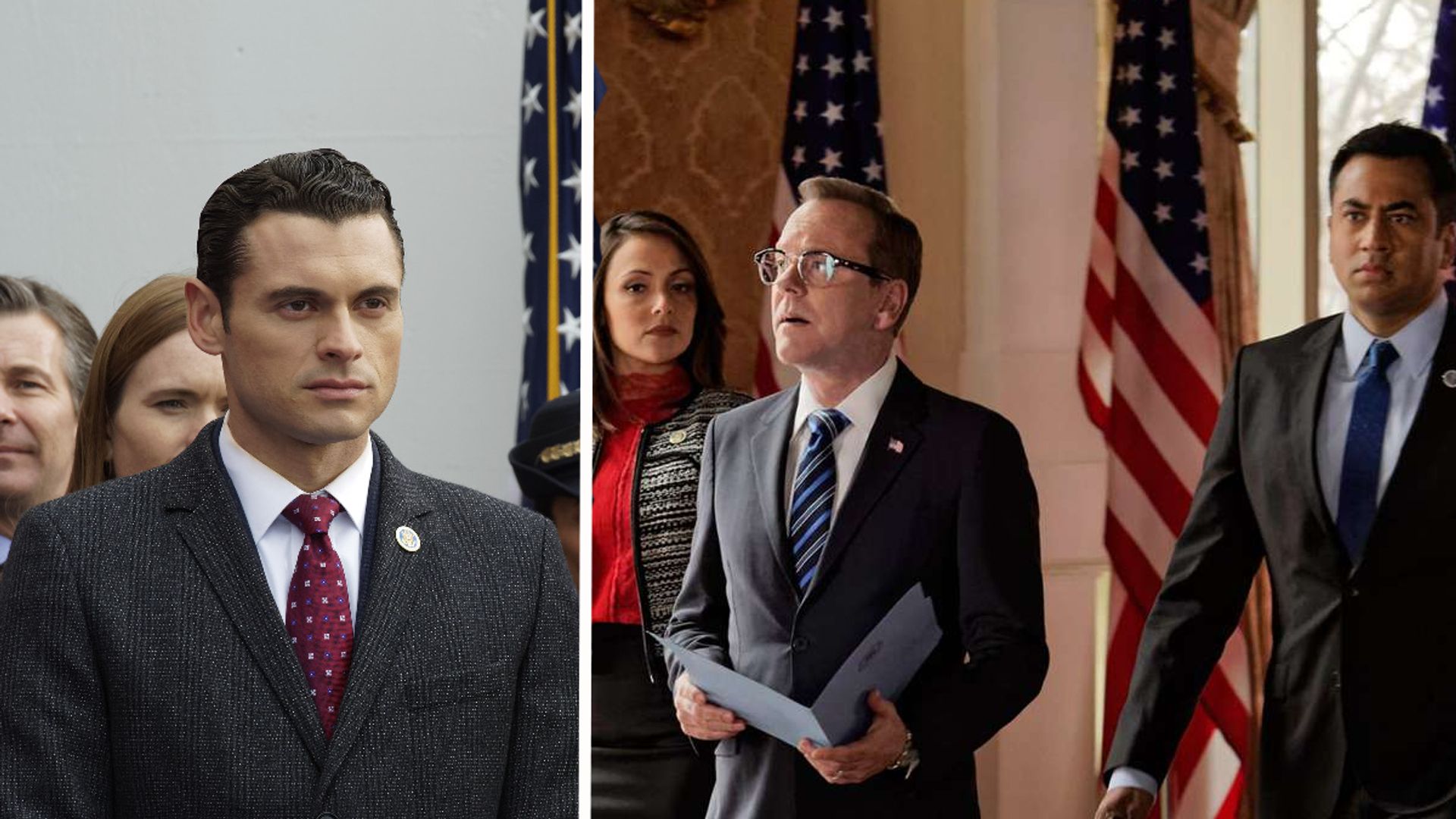
In the political thriller Designated Survivor, several key characters die, most notably First Lady Alex Kirkman in a car accident and FBI Agent Hannah Wells in a biological lab explosion. Other significant deaths include President Richmond, Peter MacLeish, and Jason Atwood, each serving as a pivotal turning point for the series' narrative.
The television series Designated Survivor, which originally aired on ABC before moving to Netflix for its final season, is built upon the premise of catastrophic loss. From the very first minutes of the pilot episode, the show establishes a world where no character—no matter how high-ranking or beloved—is truly safe. As we look back at the series from the perspective of 2026, the impact of these narrative choices continues to be a point of discussion among fans of political dramas. The deaths in the show were rarely just for shock value; they served to reshape the political landscape, test the moral compass of President Tom Kirkman, and drive the high-stakes investigative subplots.
The Catalyst: The Capitol Bombing and President Richmond
The entire premise of Designated Survivor is predicated on a mass casualty event. During the State of the Union address, a massive explosion levels the United States Capitol Building, killing the President, the Vice President, and every member of the Cabinet except for Tom Kirkman, the Secretary of Housing and Urban Development.
President Robert Richmond
While President Richmond’s screen time was minimal, his death is the anchor of the series. He represented the "old guard" of Washington politics. His death created a power vacuum that Tom Kirkman was forced to fill. This event also claimed the lives of the entire Supreme Court and Congress, totaling over 1,000 casualties. The magnitude of this loss is what allowed the conspiracy at the heart of Season 1 to take root, as the nation struggled to rebuild its entire governing infrastructure from scratch.
The Cabinet and Congressional Leadership
The loss of characters like the Secretary of State and the Speaker of the House served a functional purpose in the story. It forced Kirkman to appoint a brand-new administration, leading to the introduction of key figures like Aaron Shore and Emily Rhodes. The vacuum also allowed for the rise of antagonists who sought to use the chaos to install their own version of government.
Season 1: Betrayal and the Cost of the Conspiracy
As the investigation into the Capitol bombing deepened, the mortality rate among the supporting cast increased. Season 1 focused heavily on the internal threat posed by the true architects of the bombing.
Peter and Beth MacLeish
Peter MacLeish was the "other" designated survivor, a war hero who seemingly miraculously survived the blast. However, he was revealed to be a pawn of the conspirators. His death in Episode 12, "The End of the Beginning," remains one of the show's most dramatic moments. Realizing that the FBI was closing in and that Peter was likely to break under pressure, his wife, Beth MacLeish, shot him dead before turning the gun on herself. This double death was a massive blow to Kirkman’s administration, as MacLeish had just been sworn in as Vice President, creating yet another constitutional crisis.
Jason Atwood
Former FBI Deputy Director Jason Atwood’s arc is perhaps the most tragic in the first season. After his son, Luke, was kidnapped and murdered by the conspirators to blackmail Jason, he became a man with nothing to lose. In Episode 20, "Bombshell," Jason was shot and killed by Nestor Lozano while trying to gather evidence against the conspiracy's mastermind, Patrick Lloyd. Atwood's death was a heavy emotional hit for Agent Hannah Wells, serving as the ultimate motivation for her to bring the conspirators to justice.
Nestor Lozano
The primary physical antagonist of Season 1, Nestor Lozano (also known as "Catalan"), was a former CIA agent turned mercenary. His death at the hands of Hannah Wells was the climax of the investigative thread in the first season. Killing Lozano provided a sense of justice for the Atwood family, though it did not immediately reveal the full scope of the organization behind him.
The Tragic Departure of First Lady Alex Kirkman
The most significant death in the middle of the series occurred in Season 2, Episode 10, titled "Line of Fire." This event fundamentally changed the tone of the show, shifting it from a conspiracy-focused thriller to a more somber exploration of grief and leadership.
The Circumstances of the Accident
Alex Kirkman, portrayed by Natascha McElhone, was killed in a sudden car accident. While being escorted in a motorcade, her vehicle was T-boned by a truck. The death was instantaneous and occurred just after she had successfully navigated a legal battle involving her mother and the FBI.
Narrative and Production Impact
The decision to kill off the First Lady was largely driven by production realities; Natascha McElhone had landed a role in the series The First and needed to exit Designated Survivor. However, the writers used this to explore the psychological toll on Tom Kirkman. The back half of Season 2 follows Tom as he struggles to balance his duties as Commander-in-Chief with his role as a grieving widower and single father. This loss humanized Kirkman in a way that the political challenges could not, making his eventual decision to run for re-election in Season 3 even more complex.
Season 2: Supporting Losses and Escalating Stakes
While Alex’s death overshadowed much of the second season, other characters met their ends as the show expanded its scope to include international diplomacy and domestic terrorism.
FBI Director John Forstell
John Forstell was a recurring character who often found himself at odds with Hannah Wells but eventually became a staunch ally. In Season 2, Episode 19, "Capacity," Forstell was killed in an explosion at a secret chemical weapons facility. His death reinforced the idea that the "war" started at the Capitol was far from over and that the people on the front lines of the investigation were in constant, lethal danger.
Damian Rennett
Damian Rennett was a British MI6 agent and a complicated love interest for Hannah Wells. His story was one of betrayal and redemption. After initially being revealed as a double agent, he spent much of Season 2 trying to make amends. He was ultimately shot and killed while protecting Hannah and her source. His death served to further isolate Hannah Wells, pushing her toward the darker path she would follow in the final season.
Season 3: The Shocking End of Hannah Wells
When the series moved to Netflix for its third and final season, the tone became grittier and more "prestige" in nature. This shift culminated in the most controversial character death of the entire series.
The Death of Hannah Wells
In Season 3, Episode 7, "Identity," Agent Hannah Wells (Maggie Q) discovered a biological lab where a white supremacist group was developing a virus designed to target specific ethnic groups. While investigating the facility alone, she was exposed to a lethal nerve agent. Unlike many TV deaths that allow for a final monologue, Hannah died alone on the floor of the lab, her body discovered much later.
Why Hannah’s Death Mattered
Hannah Wells was the "action" heart of the show. While Tom Kirkman handled the diplomacy, Hannah handled the danger. Her death signaled that the show was moving away from the "investigative thriller" format to focus almost exclusively on the murky ethics of a modern political campaign. Many fans were upset by the unceremonious nature of her exit, but the creators argued it reflected the cold, harsh reality of intelligence work.
Comparison of Major Character Deaths
The following table summarizes the key deaths that shaped the three seasons of the series.
| Character | Season | Cause of Death | Narrative Significance |
|---|---|---|---|
| Robert Richmond | 1 | Capitol Explosion | Initiated the series and Kirkman's presidency. |
| Peter MacLeish | 1 | Shot by his wife | Ended the immediate political threat of the conspiracy. |
| Jason Atwood | 1 | Shot by Nestor Lozano | Personal tragedy that fueled the FBI investigation. |
| Alex Kirkman | 2 | Car Accident | Changed the show's focus to grief and personal struggle. |
| John Forstell | 2 | Bomb Explosion | Removed a key legal and investigative ally for Kirkman. |
| Damian Rennett | 2 | Shot by an assassin | Concluded the MI6/espionage subplot. |
| Hannah Wells | 3 | Nerve Agent Exposure | Marked the end of the show's primary action/thriller thread. |
The Impact of Death on the Series Legacy
In 2026, Designated Survivor is often cited as a prime example of how character deaths can be used to pivot a show's genre. In Season 1, deaths were used to build a sense of mystery and global stakes. By Season 3, the deaths—specifically Hannah Wells'—were used to underscore a sense of cynicism and the high price of political survival.
The loss of Alex Kirkman remains the most debated plot point. While it allowed for a deeper exploration of Tom Kirkman’s character, some critics feel the show lost its emotional "north star" when the First Lady was removed from the White House dynamic. Nevertheless, the willingness of the writers to kill off core cast members kept the audience in a state of constant tension, a hallmark of the political thriller genre.
Frequently Asked Questions
Does Leo Kirkman die in Designated Survivor?
No, Leo Kirkman does not die in the series. While he faces several challenges, including a subplot regarding his biological parentage and the general dangers of being the President's son, he survives through the end of the show. In the third season, his presence is diminished as he attends college, but he remains alive and well.
Did Emily Rhodes die in the Season 2 finale?
No, Emily Rhodes did not die. At the end of Season 2, she was shot by an assassin while meeting with a source. However, the Season 3 premiere reveals that she survived the shooting, though the experience left her deeply traumatized and led to a significant change in her personality and political tactics throughout the final season.
Why was Hannah Wells killed off so suddenly?
Hannah Wells was killed off primarily to reflect the shift in the show's creative direction under Netflix. The new showrunners wanted to focus more on the "dirty" side of political campaigning and felt that Hannah’s investigative storyline had reached its natural conclusion. Additionally, it provided a shocking moment that emphasized the lethal stakes of the biological terror plot in Season 3.
Is Tom Kirkman still President at the end of the series?
Yes, Tom Kirkman remains President at the conclusion of Season 3. After a grueling and ethically questionable campaign, he wins the election. However, the series ends on a bittersweet note, as Kirkman realizes he has sacrificed much of his personal integrity and many of his closest friends to keep his seat in the Oval Office.
Guidance for New Viewers
If you are watching Designated Survivor for the first time, it is important to prepare for a shift in tone between seasons. Season 1 is a classic "whodunit" conspiracy thriller. Season 2 transitions into a "problem of the week" procedural with a heavy emphasis on personal loss. Season 3 is a gritty, R-rated political drama. Understanding that character deaths often signal these shifts in storytelling can help you appreciate the series' evolution as a whole. For those looking for more political intrigue, the show's depiction of the "Line of Succession" remains a fascinating, albeit fictional, look at American governance.