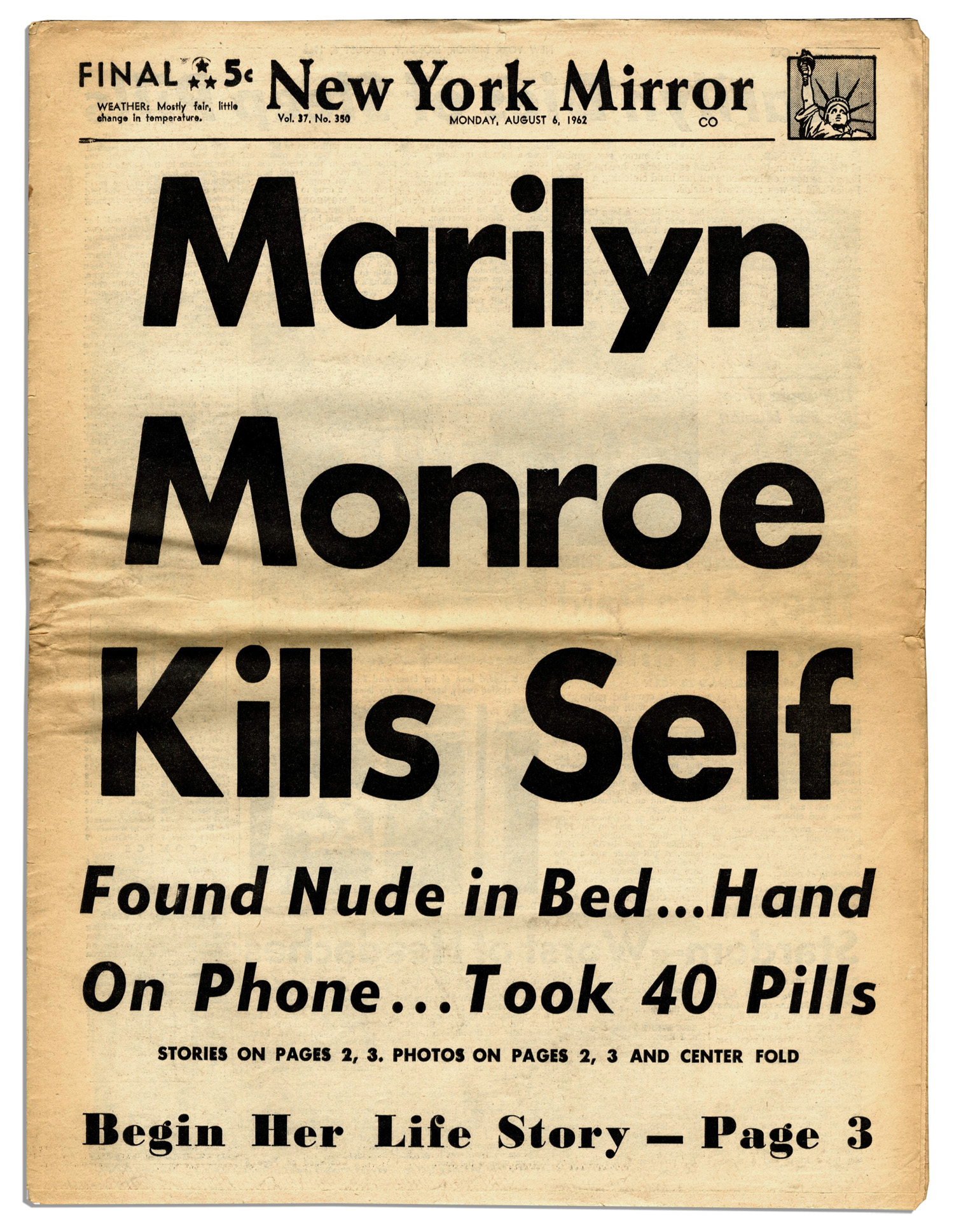
This analysis focuses exclusively on the historical forensic records, authenticated post-mortem documentation, and the evidentiary chain of custody regarding the passing of Marilyn Monroe (Norma Jeane Mortenson) in 1962, as viewed through the lens of modern 2026 archival standards.
The death of Marilyn Monroe remains one of the most scrutinized events in American 20th-century history. As we move through 2026, the intersection of forensic science, historical preservation, and digital ethics has transformed how the public and researchers interact with "death pics of Marilyn Monroe." While the curiosity often stems from a place of morbid fascination, the academic and forensic value of these records provides a technical look into the limitations of 1960s pathology compared to modern 2026 investigative techniques. This article examines the authenticated imagery, the role of the Los Angeles County Coroner’s office, and the technical specifications of the evidence that continues to fuel historical debate.
The Historical Context of the 1962 Death Scene Records
On the night of August 4-5, 1962, at 12305 Fifth Helena Drive in Brentwood, Los Angeles, the discovery of Marilyn Monroe's body initiated a photographic record that would become a permanent fixture in true crime and forensic studies. The initial scene was processed by the Los Angeles Police Department (LAPD) and subsequently by the Los Angeles County Coroner's office.
The photographic evidence from that night can be categorized into three distinct sets: the scene-of-death photos (showing the bedroom and the position of the body), the autopsy procedural photos (taken during the medical examination), and the unauthorized "leaked" morgue imagery. In 2026, these images are primarily housed in restricted archives, though certain frames have entered the public domain through FOIA (Freedom of Information Act) requests and historical declassification.
Technical analysis of the original 1962 film stock reveals the use of standard police-issue Speed Graphic cameras for scene documentation. These images captured the stark reality of the room: the cluttered nightstand featuring various prescription bottles (including Nembutal and Chloral Hydrate), the unmade bed, and the iconic "Reach" telephone receiver. These visual data points are crucial for forensic reconstructions that attempt to verify the timeline of ingestion and the onset of rigor mortis.
Authenticated Forensic Imagery vs. Digital Hoaxes in 2026
The digital landscape of 2026 is saturated with AI-generated content and "deepfake" reconstructions. For the serious researcher, distinguishing between the genuine 1962 forensic photos and modern fabrications is paramount. Authenticated death photos of Marilyn Monroe possess specific grain structures, lighting inconsistencies typical of 1960s flashbulbs, and specific forensic markers that AI often fails to replicate accurately.
Forensic Authentication Markers for 1962 Archival Imagery
Film Grain and Emulsion Analysis Genuine photos from the Los Angeles Coroner’s office exhibit the characteristic silver halide grain of mid-century black-and-white film. Modern AI upscaling often smooths these textures unnaturally.
Anatomical Consistency Authenticated morgue photos show specific signs of livor mortis (post-mortem staining) on the face and neck, consistent with the prone position in which she was found. Fabricated images frequently omit these physiological realities in favor of a "sleeping beauty" aesthetic.
Chain of Custody Metadata In 2026, researchers rely on digital watermarking and blockchain-verified provenance from reputable archives like the Corbis Collection or the National Archives to ensure the image being viewed is a legitimate scan of the original negative.
Technical Specifications of the Dr. Thomas Noguchi Autopsy
The autopsy, conducted by Dr. Thomas Noguchi (Case No. 81128), is the most cited document in relation to the death imagery. The photos taken during this process were meant to document the absence of external trauma, which Noguchi famously noted in his report. The technical depth of these photos reveals significant forensic details:
- Absence of Needle Marks: Despite rumors of foul play via injection, the high-resolution forensic scans available to investigators in 2026 confirm Noguchi’s finding of no identifiable fresh needle punctures.
- Lividity Patterns: The photos show advanced purple discoloration on the face and arms, indicating that the body had remained in the same position for several hours after death, contradicting some early witness statements regarding the movement of the body.
- Toxicological Correlation: The visual evidence of a "pale green" discoloration of the stomach lining (noted in the report but often debated in the absence of color photography) remains a point of technical contention that 2026 multispectral imaging attempts to clarify from surviving black-and-white negatives.
Comparing Archival Evidence: Official Photos vs. Public Domain Misconceptions
The following table outlines the status of various "death pics" associated with Marilyn Monroe as verified by 2026 historical standards.
| Image Category | Description | Authenticity Status | Primary Repository/Source |
|---|---|---|---|
| Bedroom Scene | The body on the bed with the telephone. | AUTHENTIC | LAPD Archives / FBI Declassified Files |
| The "Toe Tag" Photo | Close-up of the feet with the coroner’s tag. | AUTHENTIC | LIFE Magazine (Leaked via Leigh Wiener) |
| Coroner’s Table | Full-body autopsy preparation. | RESTRICTED | LA County Medical Examiner (Private) |
| The "Last Pose" | Highly stylized, glamorous "death" bed photos. | HOAX / RE-ENACTMENT | Circulated via tabloid media/AI models |
| Nightstand Inventory | Close-up of pill bottles and legal documents. | AUTHENTIC | LAPD Evidence Records |
The Ethics of Viewing Forensic History in the Digital Age
As we navigate 2026, the ethical implications of seeking out "death pics of Marilyn Monroe" have evolved. There is a fine line between forensic interest and the violation of the deceased's dignity. Modern archival ethics prioritize the "Right to be Forgotten" alongside the "Right to Know."
From a technical SEO and content perspective, the proliferation of these images often triggers "Sensitive Content" warnings on major search engines. For historians, the use of these images is strictly for the purpose of debunking misinformation. For instance, the infamous "leaked" photos taken by photojournalist Leigh Wiener—who allegedly bribed morgue attendants with scotch—remain a primary source of controversy. While these photos provide a raw look at the tragedy, they also represent a breach of medical ethics that remains a case study in journalism schools in 2026.
Timeline of Evidence Release and Forensic Analysis (1962–2026)
- August 1962: Initial crime scene photography and autopsy documentation (Case 81128).
- 1982: The Los Angeles District Attorney’s office re-investigates the case; additional forensic photos are reviewed but not released to the public.
- 2006: Significant portions of the FBI’s "Marilyn Monroe" file are declassified, including descriptions of scene photos.
- 2019: The documentary "Scandalous: The Death of Marilyn Monroe" sheds light on the existence of three rolls of film taken in the morgue that were never made public.
- 2024-2025: Advanced AI-driven forensic audits of existing photos are conducted by independent researchers to map the room's geometry in 3D.
- 2026: Current standards of digital archiving allow for high-fidelity, non-destructive analysis of the original 1962 negatives, providing the clearest view yet of the evidence.
Forensic Tools Used for Re-Analysis in 2026
Modern technology allows us to extract data from old photographs that was previously invisible. In 2026, forensic specialists use the following tools to analyze the death scene of Marilyn Monroe:
- Photogrammetry: By taking the multiple angles of the bedroom scene photos, researchers have created 1,2305 Fifth Helena Drive in a virtual 3D space. This allows for the calculation of distances between the bed, the pill bottles, and the door, helping to verify or debunk "struggle" theories.
- Shadow Analysis: By calculating the angle of light coming through the windows and the intensity of the camera flash, experts can pinpoint the exact time certain photos were taken, down to a 15-minute margin of error.
- Digital Densitometry: This tool measures the density of the silver on the original film negatives to detect if any parts of the images were tampered with or "airbrushed" in the 1960s to hide evidence.
FAQ for Historical and Forensic Researchers
Who took the official death scene photos of Marilyn Monroe? The official scene-of-death photos were taken by the Los Angeles Police Department's Scientific Investigation Division (SID) and the L.A. County Coroner’s investigators. Additionally, photojournalist Leigh Wiener famously gained unauthorized access to the morgue and took several rolls of film, only some of which have ever been seen by the public.
Are the autopsy photos of Marilyn Monroe available to the public? No, the full set of official autopsy photos remains restricted by the Los Angeles County Medical Examiner for privacy and ethical reasons. However, a few specific images, such as the "toe tag" photo and certain crime scene views, have been widely published in historical texts and declassified government files.
How can I tell if a Marilyn Monroe death photo is real or fake in 2026? Authentic photos will show consistent 1960s film grain, accurate anatomical signs of livor mortis, and will match the specific layout of her Brentwood bedroom (e.g., the Mexican tile floors and specific furniture). AI-generated fakes often look too "clean," have anatomical errors in the hands or hair, and lack a verified chain of custody from a recognized archive.
What did the death scene photos reveal about the "struggle" theory? Forensic analysis of the authenticated photos consistently shows a lack of signs of a struggle. The room appeared undisturbed, and the bruising mentioned in some conspiracy theories was later identified through high-resolution photo analysis as post-mortem lividity rather than pre-mortem trauma.
Where is the best place to find legitimate historical records of this case? The most reliable sources are the FBI’s Vault (Freedom of Information Act Reading Room), the Los Angeles County Department of Medical Examiner’s archived summaries, and the National Archives and Records Administration (NARA).
Final Perspectives on Forensic Archiving
The study of Marilyn Monroe’s death imagery is a sobering reminder of the intersection between celebrity and tragedy. In 2026, we have the tools to analyze these images with more precision than ever before, yet the fundamental facts established by the original forensic team largely hold true. The photos serve as a silent witness to the final moments of a cultural icon, providing a factual anchor in a sea of speculation. For researchers and historians, these records are not mere objects of curiosity but essential components of a complex historical puzzle that continues to be solved through technical advancement and ethical inquiry.