Finding a reliable diagnostic tool for respiratory illnesses remains a priority for individuals monitoring their health and community safety. When looking for a CVS COVID test kit, consumers encounter a variety of over-the-counter options, digital verification methods, and updated clinical protocols that govern how tests are purchased, executed, and reported. This guide details everything you need to know about acquiring, performing, and interpreting COVID-19 diagnostics through CVS Pharmacy locations in 2026.
Understanding Current Diagnostic Options at CVS Pharmacy
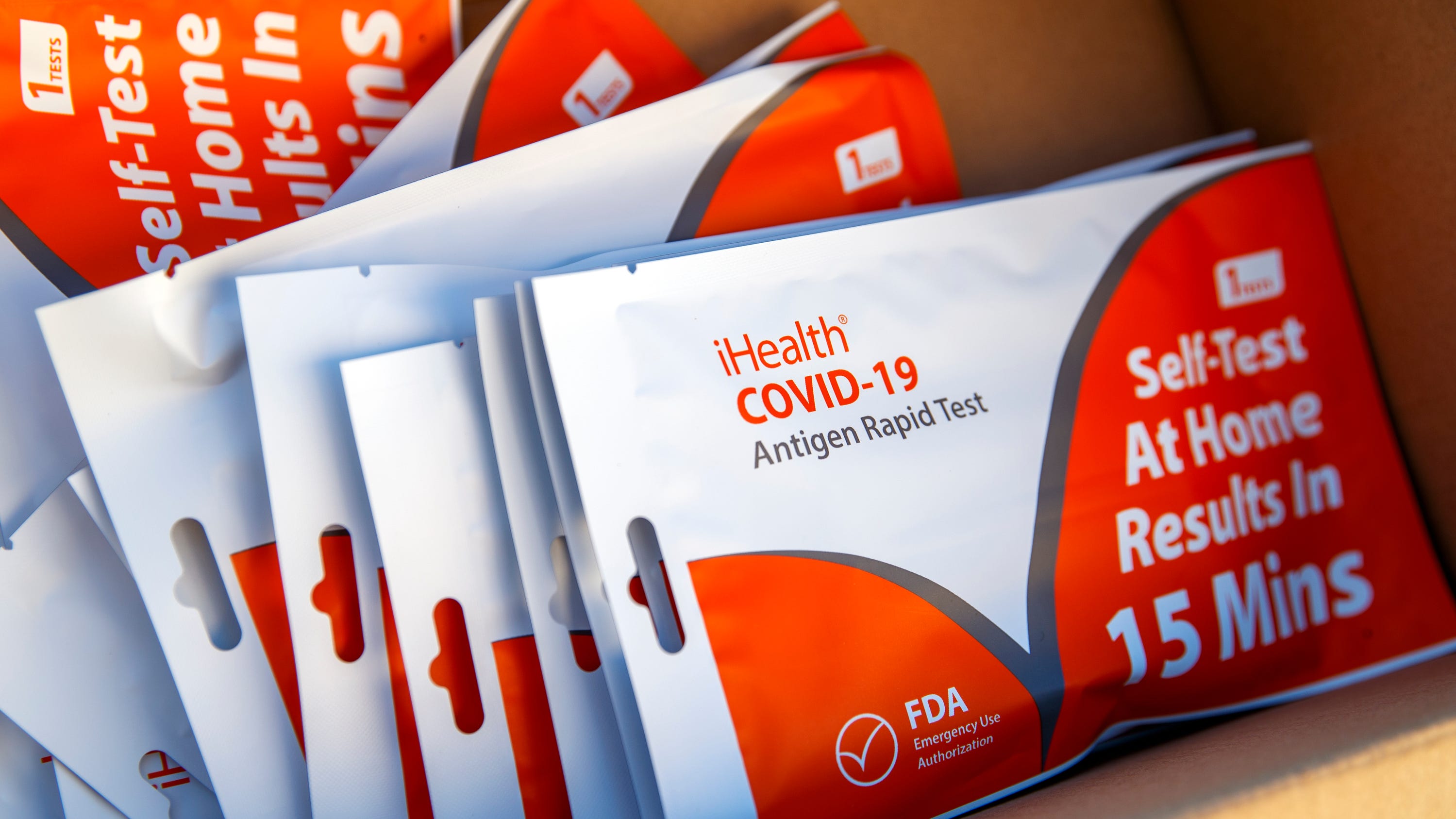
The marketplace for at-home diagnostics has evolved significantly. CVS retail locations and online ordering portals stock several FDA-authorized antigen and molecular test kits. Understanding the technological differences between these kits ensures accurate results and appropriate follow-up actions.
Antigen tests, which detect specific viral proteins, remain the most common over-the-counter choice available on store shelves. These tests provide rapid results within 15 to 30 minutes, making them ideal for immediate screening prior to gatherings or upon the onset of symptoms. Molecular tests, such as isothermal amplification kits also found at select locations, offer higher analytical sensitivity by detecting viral genetic material, closely mirroring the accuracy of traditional laboratory-based Polymerase Chain Reaction (PCR) assays.
Clinical Accuracy Note: While at-home antigen tests demonstrate exceptional specificity—meaning a positive result is highly reliable—their sensitivity can fluctuate during the early stages of infection. If symptoms persist despite an initial negative antigen test result, public health guidelines strongly recommend re-testing 48 hours later or seeking a confirmatory molecular test at a clinical site.
Evaluating Popular Test Kits Available Through CVS
When browsing the aisles or checking inventory online, consumers will notice several prominent brands. Selecting the right kit depends on factors such as age suitability, digital app integration, and speed of results.
| Brand / Kit Name | Technology Type | Result Time | Minimum Age Requirement | Digital App Integration |
|---|---|---|---|---|
| BinaxNOW COVID-19 Ag Card | Lateral Flow Antigen | 15 Minutes | 2 Years (with adult assistance) | Yes (Navica App) |
| Quidel QuickVue At-Home | Lateral Flow Antigen | 10 Minutes | 2 Years (with adult assistance) | Optional |
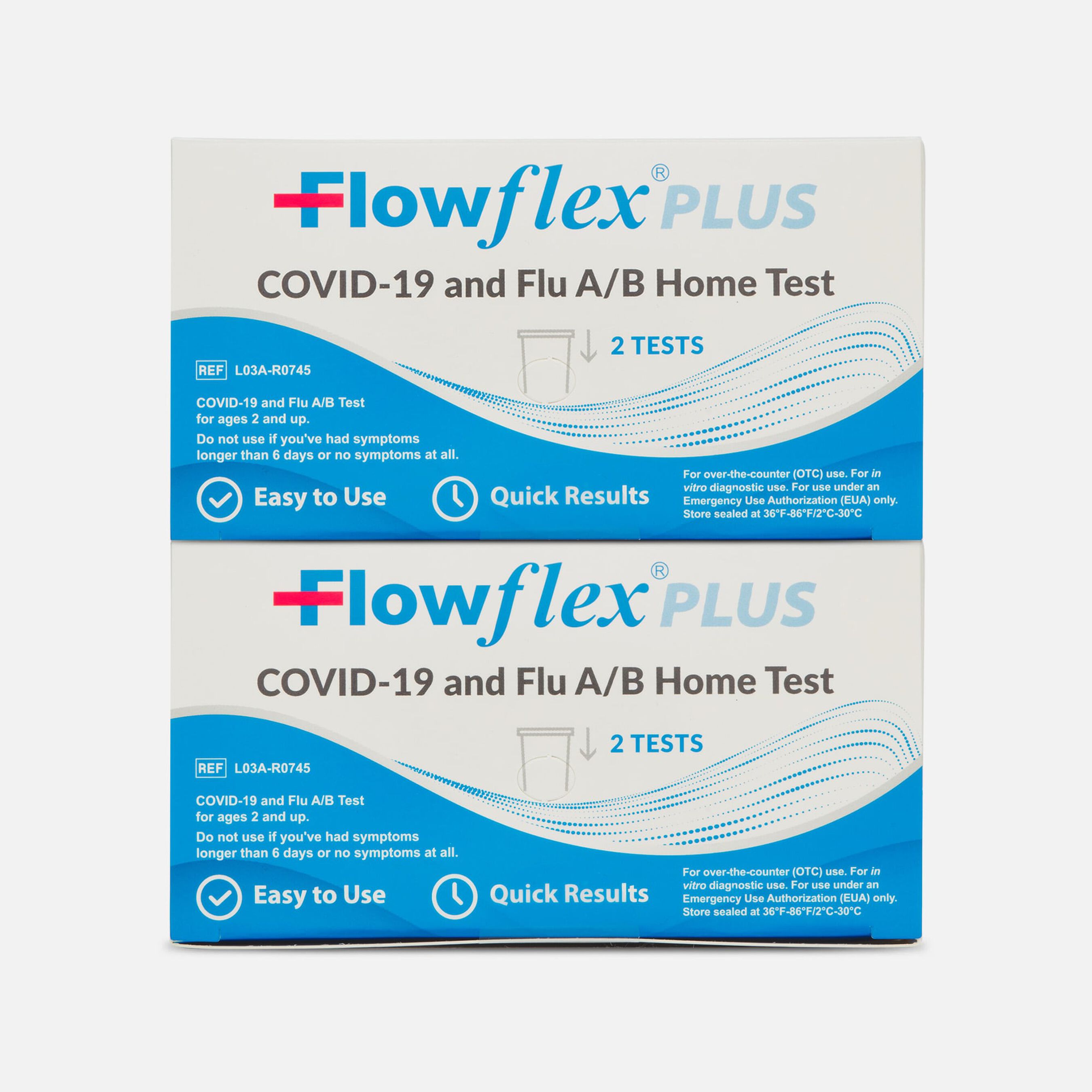
| Flowflex COVID-19 Ag Home Test | Lateral Flow Antigen | 15 Minutes | 2 Years (with adult assistance) | No |
| Lucira Check It COVID-19 Test | Molecular (NAAT) | 30 Minutes | 2 Years (with adult assistance) | No |
Selecting a kit with digital app integration can be particularly beneficial for travelers, students, or employees who require verifiable, time-stamped results recorded on a secure platform.
Step-by-Step Guide to Purchasing and Executing Your CVS COVID Test Kit
Securing and administering a test correctly minimizes invalid results and potential exposure to others. Follow this structured protocol to ensure safety and accuracy.
- Check Real-Time Inventory Online: Before visiting your local CVS, use the CVS mobile application or website to verify stock levels at your nearest store. This prevents unnecessary trips, as supply can fluctuate based on regional public health trends.
- Choose Pickup or In-Store Shopping: Opt for drive-thru pickup if you are currently exhibiting symptoms, minimizing contact with other pharmacy patrons. Alternatively, purchase directly from the diagnostic aisle or front checkout registers.
- Prepare a Sterile Workspace: Clean a flat surface thoroughly. Wash your hands with soap and water for at least 20 seconds before handling any components of the kit.
- Examine Expiration Dates: Verify the expiration date printed on the exterior of the box. Many at-home test kits have received shelf-life extensions from regulatory bodies, but expired kits may yield degraded chemical reactions and false negatives.
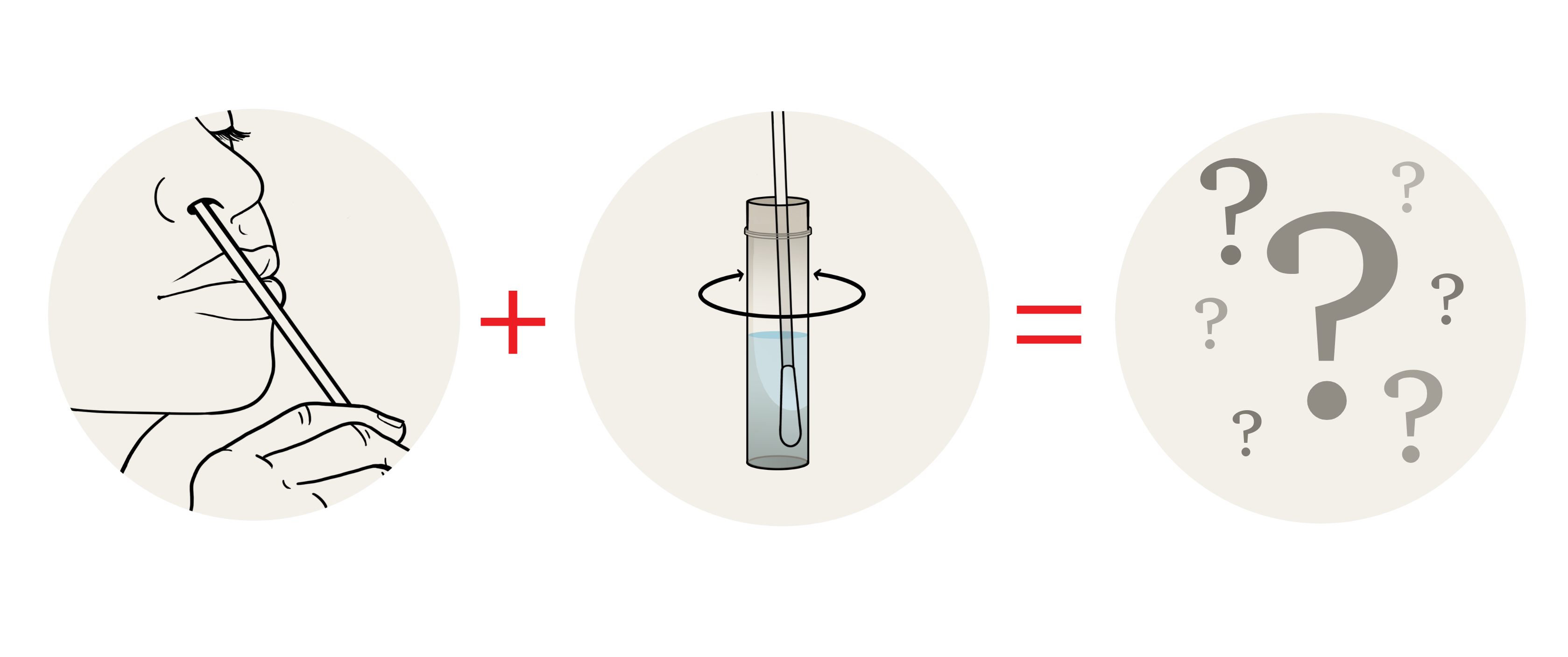
- Collect the Specimen Meticulously: Follow the exact swab insertion depth specified in the package insert. Most anterior nasal swabs require rotating the swab firmly against the inside wall of both nostrils four to five times.
- Process and Read Within the Window: Mix the swab thoroughly with the extraction buffer solution, apply the precise number of drops to the testing cassette, and set a timer. Read the result strictly within the manufacturer's specified time window; reading results past the maximum timeframe can lead to evaporation lines and misinterpretation.
Insurance Coverage, Reimbursement, and Financial Considerations
Navigating the costs associated with diagnostic testing requires an understanding of current federal and private insurance guidelines. Unlike previous years when public health emergency mandates required insurers to cover over-the-counter test kits automatically, current 2026 policies vary significantly depending on your specific health plan.
- Private Commercial Insurance: Most commercial health maintenance organizations (HMOs) and preferred provider organizations (PPOs) no longer mandate zero-dollar out-of-pocket coverage for over-the-counter kits unless mandated by specific state legislation or tied to a physician's order.
- Flexible Spending Accounts (FSA) and Health Savings Accounts (HSA): At-home COVID-19 test kits remain fully eligible for reimbursement or direct purchase using pre-tax funds from FSA and HSA accounts. Consumers should save their CVS itemized receipts for tax and reimbursement substantiation.
- Medicare and Medicaid Coverage: Original Medicare and Medicare Advantage plans maintain specific rules regarding clinical laboratory diagnostics. While physician-ordered PCR tests performed at a laboratory or clinical site are typically covered, over-the-counter retail test kits are generally paid out-of-pocket unless covered under specific state Medicaid supplemental provisions.
Pros and Cons of Using At-Home COVID Test Kits
Evaluating the advantages and limitations of retail testing helps consumers make informed decisions regarding their healthcare management.
- Pros:
- Immediate results available within minutes without scheduling a clinical appointment.
- Convenience of testing in the comfort of home, reducing potential community spread in waiting rooms.
- Cost-effective initial screening tool for monitoring health status before attending gatherings or visiting vulnerable individuals.
- FSA/HSA eligibility helps offset out-of-pocket expenses.
- Cons:
- Lower analytical sensitivity compared to professional laboratory PCR tests, increasing the risk of false negatives during early infection.
- Human error during specimen collection or processing can invalidate results.
- Lack of automatic reporting to public health registries for home-executed tests unless manually logged through digital companion apps.
- Out-of-pocket costs can accumulate for households requiring frequent monitoring.
Frequently Asked Questions
Are CVS COVID test kits accurate?
Yes, authorized antigen and molecular kits sold at CVS demonstrate high clinical specificity, meaning positive results are exceptionally reliable. However, their sensitivity can be lower than laboratory PCR tests, meaning a negative test should be repeated if symptoms persist.
Can I use FSA or HSA funds to buy a COVID test kit at CVS?
Yes, over-the-counter COVID-19 test kits purchased at CVS are fully eligible for purchase or reimbursement using Flexible Spending Account (FSA) and Health Savings Account (HSA) funds. Always retain your itemized receipt.
What should I do if my CVS test kit result is positive?
If you test positive, isolate immediately according to current public health guidelines, notify close contacts, and contact your primary care physician—especially if you are at high risk for severe illness—to discuss potential therapeutic options.
Do I need a prescription to buy a COVID test kit at CVS?
No prescription is required to purchase over-the-counter antigen or molecular test kits at CVS Pharmacy locations. They are available directly over the counter or via online order.
How should I store my unused COVID test kit?
Store test kits within the temperature range specified on the packaging, typically between 35 and 86 degrees Fahrenheit. Avoid storing them in extreme environments like hot vehicles or freezing garages, as temperature excursions can damage the test reagents.
Are rapid antigen tests effective against newer variants?
Current FDA-authorized antigen tests available at major retailers like CVS continue to detect circulating viral strains effectively, though molecular diagnostics offer the highest sensitivity for detecting low viral loads.
Securing Your Diagnostic Supplies
Accessing reliable health diagnostics is an essential part of personal and community wellness. By understanding the technological differences between antigen and molecular kits, verifying real-time store inventory, and adhering strictly to manufacturer instructions, you can ensure accurate health monitoring. Visit your local CVS Pharmacy or check their digital portal today to secure authorized testing supplies for your household.