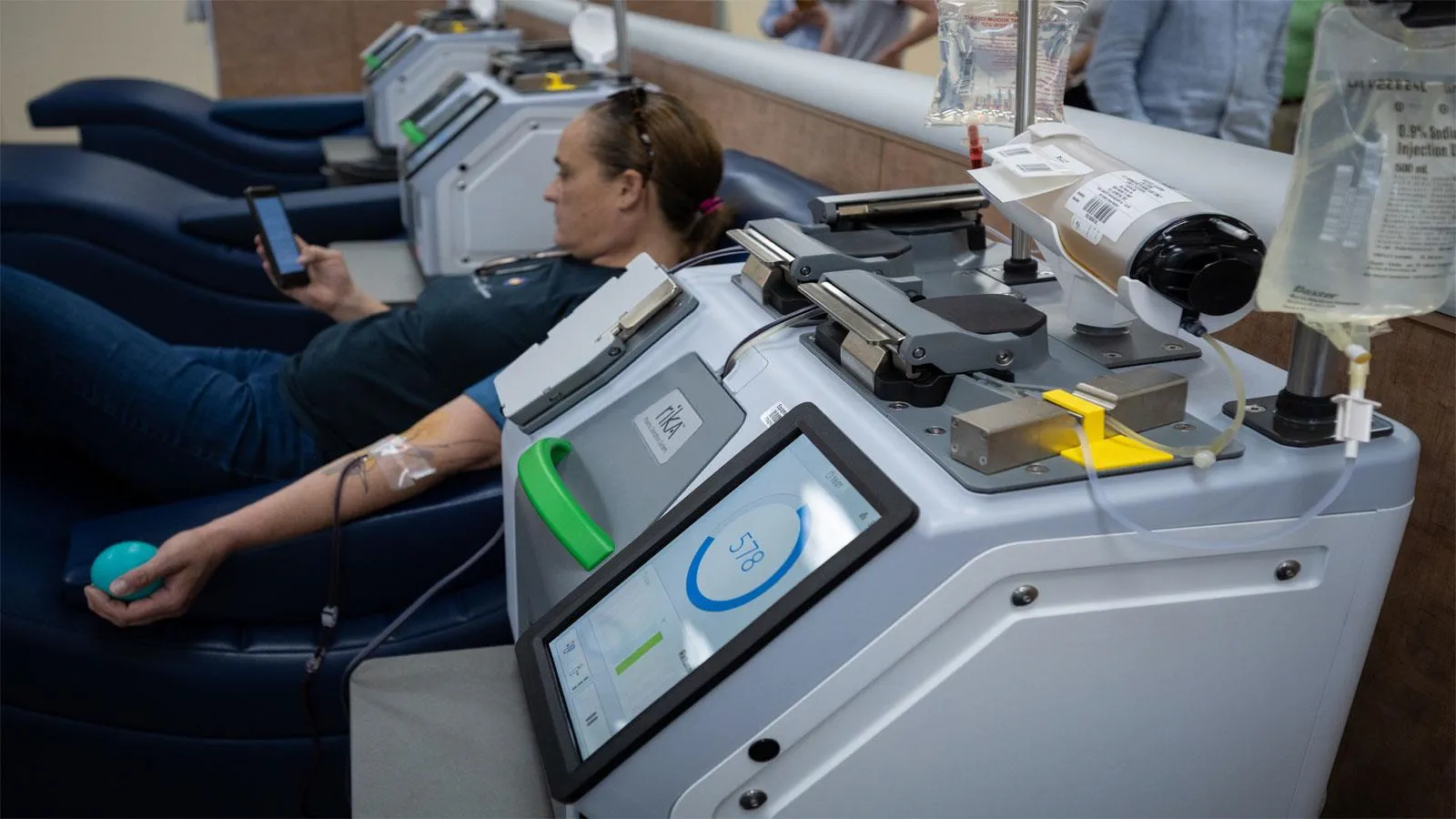
Navigating the plasma donation process requires up-to-date knowledge of local facility operations, donor requirements, and payout structures. For individuals looking to support the production of critical biotherapies, the CSL Plasma center in Greeley, Colorado serves as a vital community hub. This comprehensive guide outlines everything prospective and returning donors need to know about the Greeley location, operational protocols, donor safety standards, and financial compensation benchmarks for 2026.
Overview of the Greeley CSL Plasma Facility
Located in Weld County, the CSL Plasma center in Greeley bridges the gap between local community health contribution and global biotechnology supply chains. Plasma protein therapies are irreplaceable in treating rare diseases, bleeding disorders, primary immune deficiencies, and emergency trauma.
The Greeley facility operates under stringent guidelines established by the Food and Drug Administration (FDA), the Plasma Protein Therapeutics Association (PPTA), and internal CSL quality controls. Understanding the local infrastructure helps ensure a smooth donation experience from the initial intake to post-donation recovery.
Location and Operational Contact Details
- Facility Address: 2419 Greeley Mall, Greeley, CO 80631 (Situated conveniently near major regional thoroughfares for accessible transit across Weld County).
- Core Operating Hours: Typically open seven days a week, with extended morning and evening hours to accommodate working professionals and students (e.g., Monday through Sunday, 6:00 AM to 7:00 PM; hours are subject to seasonal adjustments and holiday schedules).
- Appointment Scheduling: Managed primarily through the official CSL Plasma iGive donor application, which allows real-time slot selection and reduces wait times.
Step-by-Step Plasma Donation Process at the Greeley Center
For first-time donors, knowing the physical and procedural steps minimizes anxiety and ensures a successful donation cycle. The automated plasmapheresis process separates plasma from whole blood components, returning red blood cells and platelets safely to the donor.
1. Pre-Donation Preparation
Hydration and nutrition are the foundational pillars of a successful plasma donation. Donors should consume 6 to 8 glasses of water or electrolyte-rich beverages in the 24 hours leading up to their appointment. A protein- and iron-rich meal consumed two to three hours before arrival prevents vasovagal reactions (dizziness or lightheadedness). Avoid fatty foods, alcohol, and excessive caffeine on the day of donation, as high lipid levels in the blood can result in lipemic plasma samples, which must be discarded.
2. Registration and Physical Screening
Upon arrival at the Greeley center, donors must present a valid government-issued photo ID, proof of a permanent physical address (such as a utility bill or lease agreement matching the Greeley or surrounding Weld County area), and a Social Security number or immigration document.
Following check-in, a medical professional conducts a private health screening. This includes:
- Finger-prick blood test to check total protein and hematocrit (iron) levels.
- Measurement of vital signs: blood pressure, pulse, and oral temperature.
- A comprehensive medical history questionnaire regarding recent tattoos, piercings, travel history, prescription medications, and surgical procedures.
3. The Plasmapheresis Procedure
Once cleared by medical staff, the donor is escorted to the automated donation floor. A sterile, single-use needle is inserted into an antecubital vein in the arm. The machine draws whole blood, routes it through a specialized centrifuge to isolate the liquid plasma, and returns the cellular components along with a sterile saline solution to prevent dehydration. This cycle repeats for approximately 45 to 90 minutes, depending on the donor's body weight.
4. Post-Donation Recovery and Refreshment
After needle removal, pressure is applied to the venipuncture site for several minutes, followed by a secure bandage. Donors spend 10 to 15 minutes in the canteen area consuming snacks and fluids to stabilize blood volume before exiting the facility.
2026 Donor Compensation and Payment Structure
CSL Plasma utilizes a debit card system (such as the CSL Plasma Visa Prepaid Card) to disburse funds immediately following the completion of each successful donation. Compensation is structured dynamically to reward consistency and loyalty.
New Donor Bonus Programs
New donors in Greeley can take advantage of tiered promotional bonuses during their first month (typically spanning their first 5 to 8 donations). These programs are designed to offset initial time investments and encourage completion of the onboarding series.
| Donation Milestone | Estimated Payout Range (2026) | Notes & Requirements |
|---|---|---|
| Donation 1 | $50 - $100 | Includes initial physical exam and baseline health screening. |
| Donation 2 - 4 | $75 - $125 per visit | Must be completed within the promotional 30-day window. |
| Donation 5 - 8 | $100 - $150 per visit | Completes the new donor promotional ladder. |
| Maintenance Tier (Thereafter) | $50 - $100 per visit | Based on body weight charts and weekly frequency caps. |
Note: Payout amounts vary based on body weight brackets (e.g., 110-149 lbs, 150-174 lbs, 175+ lbs), as higher body weight allows for a larger volume of plasma extraction safely.
Pros and Cons of Donating Plasma in Greeley
Evaluating regular plasma donation involves balancing financial and altruistic benefits against physical demands and time commitments.
| Advantages (Pros) | Disadvantages (Cons) |
|---|---|
| Supplemental Income: Immediate digital payout provides reliable secondary cash flow. | Time Investment: Visits typically require 1.5 to 2.5 hours including wait and recovery times. |
| Life-Saving Impact: Raw material directly contributes to medications for immune deficiencies and trauma care. | Physical Toll: Frequent needle sticks can cause scarring (track marks) or occasional bruising. |
| Free Health Metrics: Regular checks on pulse, blood pressure, protein, and iron levels. | Strict Eligibility Rules: Deferrals can occur due to temporary medication use or low protein levels. |
| Community Infrastructure: Modern, climate-controlled facility with Wi-Fi and entertainment. | Hydration Discipline: Requires strict adherence to diet and fluid intake routines. |
Essential Eligibility Requirements and Medical Deferrals
To protect both the donor and the ultimate recipient of the plasma-derived therapies, federal regulations enforce strict qualification parameters.
- Age and Weight: Donors must be at least 18 years old and weigh a minimum of 110 pounds (50 kg).
- Identification: Valid government-issued photo identification, social security verification, and local residential proof.
- Health Status: Negative screening results for transmissible blood-borne pathogens (HIV, Hepatitis B, and Hepatitis C).
- Temporary Deferrals: Common reasons for a temporary hold on donations include recent tattoos or body piercings performed at unlicensed facilities (standard 3-month or 4-month wait depending on Colorado state regulations), use of specific antibiotics, acute viral illnesses with fever, or low hematocrit values on the day of visit.
Frequently Asked Questions
What should I bring to my first appointment at the Greeley CSL Plasma center?
Bring a valid government-issued photo ID, your Social Security card or tax document displaying your SSN, and proof of your physical residential address in the Greeley area.
How much money can I make donating plasma in Greeley in 2026?
New donors can typically earn between $700 and $1,000 during their first month by completing a series of promotional donations, while regular returning donors earn standard per-visit rates based on body weight.
Does plasma donation hurt?
You will feel a brief pinch when the sterile needle is inserted into your arm, similar to a standard blood test, but the remainder of the plasmapheresis process is generally painless.
How often am I allowed to donate plasma?
Federal guidelines permit healthy individuals to donate plasma up to two times in a seven-day period, provided there is at least one full calendar day (48 hours) of rest between donations.
What causes a temporary donation deferral?
Temporary deferrals are commonly triggered by low iron (hematocrit) levels, elevated blood pressure at the time of screening, recent travel to certain malaria-risk regions, or the use of specific restricted medications.
Can I exercise after donating plasma?
It is strongly recommended to avoid heavy lifting, intense workouts, and strenuous cardiovascular exercise for at least 24 hours post-donation to allow your body fluid levels to fully stabilize.
Expert Strategies for a Seamless Donation Experience
Maximizing your efficiency and comfort at the Greeley facility requires adopting a few practical habits. First, utilize the CSL Plasma iGive app to monitor wait times and book appointments during off-peak hours, such as mid-morning on weekdays, to bypass peak rushes. Second, prioritize sleep and hydration; a well-rested vascular system makes vein access faster and reduces the likelihood of sluggish flow rates that prolong your time in the chair. Finally, keep track of your loyalty bonuses and digital reward milestones inside the app to ensure you capture every available incentive tier.
Take the next step in supporting critical healthcare networks while generating supplemental income by downloading the iGive app or scheduling your initial intake screening at the Greeley CSL Plasma center today.