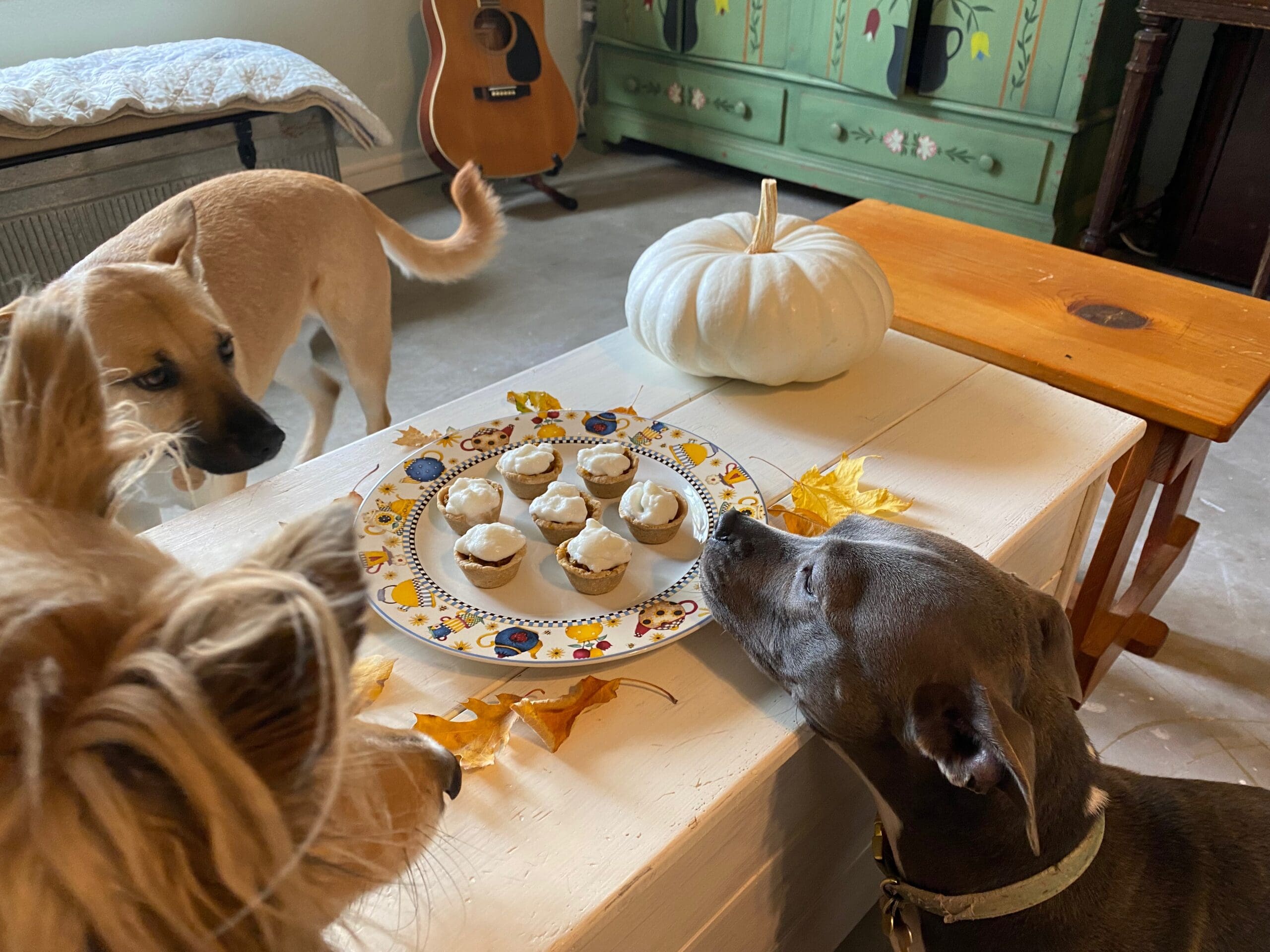
Sharing holiday meals with pets is a cherished tradition, but traditional Thanksgiving dishes often contain ingredients that are toxic or hazardous to dogs. Preparing safe, dog-friendly treats requires substituting rich, seasoned entrees with plain, unseasoned foods like cooked turkey breast, pure canned pumpkin, steamed green beans, and baked sweet potatoes. Avoiding toxic foods—such as onions, garlic, raisins, cooked bones, high-fat turkey skin, and xylitol—protects dogs from severe health risks including acute pancreatitis, gastrointestinal perforation, and organ failure.
Disclaimer: This guide is for educational purposes only and does not replace professional veterinary medical advice. If you suspect your pet has consumed a toxic substance or is showing signs of illness, consult a licensed veterinarian or contact an emergency pet poison hotline immediately.
Understanding Thanksgiving Nutritional Hazards for Dogs
The traditional Thanksgiving menu presents numerous dietary risks for dogs. While humans can process rich seasonings, high fat levels, and complex spice blends, canine digestive systems are significantly more sensitive. Understanding these specific nutritional hazards is essential before preparing homemade holiday treats or allowing pets to participate in family meals.
High Fat Content and Acute Pancreatitis
Turkey skin, dark meat, pan drippings, gravy, butter-laden mashed potatoes, and casserole toppings contain dense concentrations of saturated fats. When a dog consumes excessive fat in a short timeframe, it can trigger acute pancreatitis—an inflammatory condition of the pancreas. The pancreas releases digestive enzymes prematurely, causing self-digestion of pancreatic tissue, intense abdominal pain, severe vomiting, lethargy, and dehydration. In severe cases, pancreatitis requires immediate veterinary hospitalization, intravenous fluid therapy, and intensive care.
The Allium Family: Onions, Garlic, and Leeks
Onions, garlic, shallots, scallions, and leeks belong to the Allium genus, which contains organosulfoxides. When chewed or digested, these compounds convert into reactive sulfur species that damage a dog's red blood cells, leading to oxidative hemolysis and Heinz body anemia.
Powdered versions of onion and garlic—frequently used in turkey rubs, stuffing, gravies, and pre-seasoned store-bought products—are particularly dangerous because they are highly concentrated. Symptoms of Allium toxicity include pale gums, elevated heart rate, weakness, collapse, and dark red or brown urine. Signs may take several days to fully manifest after ingestion.
Cooked Bones and Internal Trauma
Giving a dog a turkey leg or carcass bone might seem natural, but cooked poultry bones present a severe mechanical danger. Cooking renders bones brittle and prone to splintering into sharp shards when chewed. These fragments can cause:
- Choking or upper airway obstructions.
- Lacerations of the mouth, esophagus, and stomach lining.
- Intestinal perforations leading to life-threatening peritonitis.
- Complete mechanical bowel obstructions requiring emergency abdominal surgery.
Toxic Spices, Sweeteners, and Ingredients
- Xylitol (Birch Sugar): Commonly found in sugar-free baked goods, desserts, peanut butter, and sauces. Xylitol causes a rapid, massive release of insulin in dogs, leading to severe hypoglycemia (low blood sugar) within 30 to 60 minutes, followed by acute hepatic (liver) necrosis.
- Raisins and Grapes: Often included in stuffings, salads, and holiday bread preparations. Grapes and raisins can cause unpredictable, acute renal failure in dogs, even in tiny quantities.
- Nutmeg: Contains myristicin, a toxin that can induce central nervous system symptoms in dogs, including hallucinations, disorientation, increased heart rate, high blood pressure, dry mouth, abdominal pain, and seizures.
- Raw Yeast Dough: If ingested, raw bread dough expands rapidly in the warm environment of the stomach, causing severe gastric distension or gastric dilatation-volvulus (bloat). Additionally, the fermentation process of the yeast produces ethanol, leading to alcohol toxicity.
Safe, Dog-Friendly Thanksgiving Ingredients
You can create healthy, rewarding holiday snacks by isolating single, wholesome ingredients that deliver high nutritional value without added fats, sodium, or artificial flavorings.
- Safe Thanksgiving Canine Base Ingredients
- Lean Proteins
- Skinless Turkey
- White Breast Meat
- Unseasoned Pork
- Fibrous Vegetables
- Pure Pumpkin
- Sweet Potatoes
- Green Beans
- Carrots
- Targeted Fruits
- Plain Cranberries
- Seedless Apples
- Blueberries
- Lean Proteins
Skinless, Boneless White Turkey Meat
White turkey breast meat, thoroughly cooked and stripped of skin, fat, and bone, serves as an excellent low-fat protein source. Ensure the meat is prepared completely plain, without brine, butter, oil, garlic, onion, or poultry seasoning. Plain turkey provides essential amino acids, iron, and B vitamins without burdening the pancreas.
100% Pure Pumpkin Puree
Canned pure pumpkin (plain pumpkin puree) is rich in soluble dietary fiber, beta-carotene, vitamin A, and potassium. It supports healthy digestion, aids in firming loose stool, and helps regulate bowel movements during holiday dietary changes.
Important Distinction: Never feed dogs canned pumpkin pie filling or pumpkin pie mix, which contains added sugars, nutmeg, cinnamon, clove, and potential artificial sweeteners like xylitol.
Sweet Potatoes
Sweet potatoes supply complex carbohydrates, dietary fiber, vitamin B6, vitamin C, and manganese. They should always be served fully cooked—either plain baked, steamed, or boiled—and sliced into manageable bites. Never feed raw sweet potatoes, as they are difficult to digest and can cause intestinal blockage. Avoid adding butter, brown sugar, marshmallows, or salt.
Green Beans and Carrots
Fresh or frozen green beans and carrots provide low-calorie crunch, vitamin K, vitamin C, and potassium. Steaming green beans without added salt or fat creates a light treat suitable for weight management. Raw or steamed carrot sticks serve as natural chew options that promote mechanical dental scraping while delivering beta-carotene.
Fresh Cranberries and Apples
Raw or cooked unsweetened cranberries offer antioxidants and support urinary tract health. Because raw cranberries are tart, many dogs prefer them blended into cooked treat recipes.
Apples are crisp, nutrient-dense treats rich in fiber and vitamin C. Always remove the core and all seeds before feeding apples to dogs; apple seeds contain cyanogenic glycosides (cyanide compounds) that can release toxin when chewed in volume, and cores pose a choking hazard.
Comparing Safe vs. Hazardous Thanksgiving Foods
The following table provides a reference for classifying common Thanksgiving food items, their safety status, associated risks or benefits, and safe preparation standards.
| Food Item | Safety Status | Primary Risk or Health Benefit | Safe Preparation Guidelines |
|---|---|---|---|
| Plain Cooked Turkey Breast | Safe | High-quality lean protein, essential amino acids | Boneless, skinless, unseasoned; thoroughly cooked; served in bite-sized pieces. |
| Turkey Skin & Fat Drippings | Toxic / High Risk | Acute pancreatitis, severe gastroenteritis | Do not feed. Discard skin and strain fat out of reach. |
| Cooked Poultry Bones | Hazardous | Gastrointestinal perforation, blockage, mouth laceration | Do not feed. Dispose of carcass securely in covered trash bins. |
| 100% Pure Pumpkin Puree | Safe | Soluble fiber, supports GI tract and stool regulation | Unsweetened, plain canned or fresh pumpkin. No spices or sugar. |
| Pumpkin Pie Filling | Toxic / High Risk | Toxic spices (nutmeg), high sugar, potential xylitol | Do not feed. |
| Steamed Green Beans | Safe | Low-calorie, high fiber, vitamin K, crisp texture | Plain, fresh or frozen; steamed without salt, butter, or oil. |
| Green Bean Casserole | Toxic / High Risk | Onion powder, fried onions, cream/fat content | Do not feed. |
| Stuffing / Dressing | Toxic | Onions, garlic, high sodium, toxic herbs, raisins | Do not feed. |
| Plain Sweet Potatoes | Safe | Complex carbs, beta-carotene, dietary fiber | Fully cooked (baked/boiled), peeled, served plain without toppings. |
| Sweet Potato Casserole | High Risk | High sugar, butter, pecans, nutmeg, marshmallows | Do not feed. |
| Raw Apples (No Seeds) | Safe | Vitamin C, fiber, crunchy dental cleaning | Core and seeds removed; sliced into small, digestible pieces. |
| Grapes & Raisins | Toxic | Acute, sudden kidney failure | Do not feed. Keep all dishes containing raisins completely isolated. |
Easy Homemade Thanksgiving Dog Treat Recipes
Preparing custom treats allows complete control over ingredients, ensuring snacks remain 100% free of toxins and unnecessary additives.
Recipe 1: Baked Turkey & Sweet Potato Bites
These soft, baked bites are ideal for senior dogs or pets with sensitive teeth.
| TURKEY & SWEET POTATO BITES |
|---|
| PREP TIME: 15 Mins | COOK TIME: 25 Mins | YIELD: ~30 Small Bites |
| INGREDIENTS:• 1 cup cooked plain white turkey breast (finely shredded)• 1 cup plain mashed sweet potato (cooked, unseasoned)• 1 egg (beaten)• 1.5 cups rolled oats (ground into flour using a blender) |
Instructions:
- Pre-heat oven to 350°F (175°C) and line a baking sheet with parchment paper.
- In a large bowl, combine the shredded turkey, mashed sweet potato, and beaten egg. Mix thoroughly.
- Gradually stir in the oat flour until a workable dough forms. If the mixture is too wet, add an extra tablespoon of oat flour.
- Roll dough into small 1-inch balls and place them on the baking sheet. Flatten each ball slightly with the back of a spoon.
- Bake for 22 to 25 minutes until the edges are golden and firm.
- Cool completely on a wire rack before serving. Store in an airtight container in the refrigerator for up to 5 days, or freeze for up to 3 months.
Recipe 2: Pumpkin & Oat Holiday Crunch Biscuits
These crunchy biscuits promote dental health and deliver a dose of healthy fiber.
Ingredients:
- 2 cups whole wheat flour (or oat flour for gluten-sensitive dogs)
- 1 cup 100% pure pumpkin puree
- 1/2 cup plain, unsweetened peanut butter (verify Xylitol/Birch Sugar is not in the ingredients)
- 2 tablespoons water (if needed to bind)
Instructions:
- Pre-heat oven to 350°F (175°C) and line a baking sheet with parchment paper.
- In a bowl, whisk together the pure pumpkin puree and unsweetened peanut butter until smooth.
- Gradually add the flour, mixing until a dough forms. Add water one tablespoon at a time if the dough is too crumbly.
- Roll out the dough on a lightly floured surface to approximately 1/4-inch thickness. Cut into holiday shapes using cookie cutters.
- Transfer biscuits to the prepared baking sheet. Bake for 30 to 35 minutes for a dry, crunchy texture.
- Turn off the oven and allow biscuits to cool inside the oven for an extra 15 minutes to maximize crispness. Store in an airtight container for up to 2 weeks.
Recipe 3: Frozen Cranberry & Yogurt Paws
A refreshing, low-fat treat designed for digestion support.
Ingredients:
- 1 cup plain, low-fat Greek yogurt (unsweetened, xylitol-free)
- 1/2 cup fresh or frozen raw cranberries
- 1/4 cup plain water or unsalted bone broth
Instructions:
- Combine the Greek yogurt, cranberries, and water/broth in a blender or food processor.
- Blend on high until the mixture achieves a smooth, pink purée.
- Pour the liquid evenly into silicone paw-print or ice cube molds.
- Place in the freezer for at least 4 hours, or until completely solid.
- Pop treats out of the molds and serve immediately. Store remaining treats in a freezer-safe bag for up to 2 months.
Safe Serving Guidelines and Portion Control
Even safe ingredients can trigger gastrointestinal distress if fed in excess. Maintaining portion discipline protects your dog from stomach upsets over the holidays.
The 10% Caloric Treat Rule
Veterinarians recommend that treats and extra foods make up no more than 10% of a dog's total daily caloric intake. The remaining 90% must come from their complete, balanced nutritionally complete dog food.
- Daily Canine Dietary Balance
- Completed Pet Food: 90% Daily Calories
- Treats: 10% Daily Max
To calculate safe portion limits for holiday snacks:
- Determine your dog's standard daily caloric requirement (consult your veterinarian or pet food caloric guide).
- Calculate 10% of that total.
- Subtract any regular training treats given throughout the day.
- Adjust treat volume accordingly. For instance, a 20-pound dog requiring 400 calories per day should receive no more than 40 calories total from holiday treats.
Recognizing Signs of Gastrointestinal Distress
Introducing new human foods—even healthy ones—can cause transient stomach upset. Watch your dog closely for signs of digestive inflammation:
- Vomiting or frequent lip smacking/drooling (nausea).
- Diarrhea, loose stool, or painful straining.
- Abdominal distension, tightness, or vocalizing when touched.
- "Praying position" (front legs stretched out flat, hindquarters raised in the air to relieve pancreatic pressure).
- Lethargy, refusal to eat normal food, or fever.
If mild diarrhea occurs after eating a small piece of plain sweet potato, return to a plain diet immediately. However, if severe vomiting, lethargy, or signs of pain appear, contact a veterinarian without delay.
Frequently Asked Questions
Can dogs eat turkey skin or turkey gravy?
No, dogs should not eat turkey skin or turkey gravy. Turkey skin stores high concentrations of fat and retains seasonings, oils, and spices used during roasting. Turkey gravy is typically concentrated with pan drippings, fat, salt, flour, and toxic seasonings like onion powder and garlic powder. Consuming these high-fat, high-sodium items significantly increases the risk of acute pancreatitis and severe gastroenteritis.
Is canned pumpkin pie filling safe for dogs?
No, canned pumpkin pie filling is not safe for dogs. Unlike 100% pure canned pumpkin puree, pie filling contains added refined sugars, heavy spices like nutmeg (which can be toxic in large doses), cloves, cinnamon, and potentially artificial sweeteners such as xylitol. Always check the label to ensure the only listed ingredient is "pumpkin."
What should I do if my dog accidentally eats onions or garlic from the stuffing?
If your dog consumes stuffing containing onions, garlic, or onion powder, immediately estimate the amount ingested and contact your veterinarian, an emergency animal hospital, or a pet poison helpline (such as the ASPCA Animal Poison Control Center or Pet Poison Helpline). Do not induce vomiting at home unless explicitly instructed to do so by a licensed veterinary professional, as improper induction can lead to aspiration pneumonia.
How many Thanksgiving treats can I safely give my dog?
The safe quantity depends on your dog's size, weight, activity level, and medical history. As a general standard, all treats combined must not exceed 10% of your dog's total daily caloric intake. For a small 10-pound dog, this might mean just two tiny 1-inch pieces of plain turkey breast, whereas a 70-pound dog can safely manage a slightly larger portion spread throughout the day.
Are raw turkey bones safer than cooked turkey bones for dogs?
While raw bones do not splinter as easily as cooked bones, raw turkey bones still carry major risks, including bacterial contamination (such as Salmonella and E. coli) and potential intestinal blockages if large pieces are swallowed whole. Veterinary surgeons generally advise against feeding poultry bones of any kind to companion animals. Choose veterinary-approved dental chews or safe rubber chew toys instead.
Holiday Safety Action Plan: Protecting Your Dog
Executing a clear safety plan keeps your pet safe from accidental food ingestion throughout Thanksgiving festivities.
- Pre-Meal Preparation
- Prep safe treats
- Isolate high-risk ingredients
- Guest Education
- Brief visitors
- Post warning sign
- Trash Security
- Lock bin lids
- Take trash out
- Emergency Ready
- Save poison numbers
- Locate ER vet clinic
1. Pre-Meal Preparation
Prepare all dog-safe treats early in the day before cooking the main holiday meal. Store the dog treats in labeled, sealed containers away from the primary kitchen prep area to avoid accidental mixing with human food seasonings.
2. Guest Education and Signage
Visiting family and friends may unknowingly feed pets dangerous scrap foods under the table.
- Brief all incoming guests upon arrival that your dog is on a strict safety diet.
- Instruct children specifically not to hand food to pets.
- If your dog is highly persistent or food-motivated, place them comfortably in a quiet room, crate, or designated safe zone with a stuffed chew toy while human dining takes place.
3. Secure Trash Management
Discarded turkey carcasses, aluminum foil, greasy strings, fat trimmings, and onion scraps in trash cans present major temptations.
- Use heavy-duty trash cans with locking lids.
- Empty kitchen trash bags immediately after meal preparation and take them directly to secured outdoor bins.
- Never leave food containers or cooling turkey pans unattended on low kitchen countertops where jumping dogs can reach them.
4. Keep Emergency Contacts Accessible
Before the holiday begins, post critical emergency phone numbers on your refrigerator or save them directly into your mobile phone:
- Your local primary veterinarian’s phone number.
- The nearest 24/7 emergency veterinary hospital address and contact number.
- ASPCA Animal Poison Control Center (APCC): (888) 426-4435 (Consultation fees may apply).
- Pet Poison Helpline: (855) 764-7661 (Consultation fees may apply).
By taking these preventative measures and preparing wholesome, single-ingredient treats, you can ensure a festive, safe, and happy Thanksgiving celebration for every member of your family.