Achieving long-lasting lipstick requires a combination of high-performance film-forming formulations, proper lip preparation, precise application techniques, and targeted setting methods. By pairing volatile solvent-based liquid lipsticks, transfer-proof bullet formulas, or lip stains with adequate hydration and structural lip lining, you can prevent feathering, fading, and flaking for up to sixteen hours.
The Science of Longevity: How Long-Wear Lipsticks Work
The evolution of modern cosmetics has transformed long-wearing lipstick from dry, cracking paints into comfortable, flexible formulas. Understanding the chemistry behind long-wear cosmetics allows consumers to select products that deliver high color payoff without sacrificing lip skin health.
The Role of Film-Forming Polymers and Volatile Solvents
At the heart of any transfer-resistant or long-wearing lipstick is a complex interaction between film-forming polymers and volatile solvents. When applied, solvents such as isododecane or cyclomethicone allow the product to glide smoothly across the delicate mucosa of the lips. As these volatile organic compounds evaporate into the air, they leave behind a dense matrix of pigments bound by silicone resins.
The primary resin responsible for transfer resistance in liquid lipsticks is trimethylsiloxysilicate. This organosilicone polymer creates a flexible, water-resistant film over the lips that resists movement caused by drinking, talking, and natural tissue movement. Newer formulations blend these rigid resins with silicone elastomers, such as dimethicone crosspolymers, to provide flexibility so the product bends with the movement of the lips rather than cracking.
Pigment Density and Binder Systems
Standard lipsticks rely on heavy oils, waxes (such as beeswax, ozokerite, and carnauba wax), and low pigment concentrations to provide a creamy, hydrating feel. However, oil-heavy bases remain liquid at body temperature, making them prone to smudging and transferring onto cups, clothing, or skin.
In contrast, lasting lipsticks use micronized pigment particles held within high-adhesion binder systems. Because these formulas carry a higher concentration of pure pigment relative to emollients, they deliver rich opacity in a single layer. Reducing the concentration of heavy botanical oils prevents the pigment matrix from sliding off the lip tissue, though it requires meticulous prep work to prevent dry patches from showing through.
Comparing Long-Wearing Formulations and Finishes
Not all long-wearing lipsticks perform identically. Selecting the right product requires balancing desired finish, wear duration, and personal comfort.
| Formulation Type | Key Ingredients / Mechanism | Wear Duration | Finish / Texture | Ideal For |
|---|---|---|---|---|
| Liquid Matte | Isododecane, Trimethylsiloxysilicate | 8–16 Hours | Flat Matte, Dry | High-impact events, mask-wearing |
| Transfer-Proof Bullet | Microcrystalline Wax, Dimethicone | 6–10 Hours | Velvet / Satin | Everyday comfort, classic application |
| Lip Stain / Water Tint | Water, Dyes (e.g., Red 40), Gums | 6–12 Hours | Weightless / Natural | Casual wear, low-maintenance touch-ups |
| Two-Step Lip Color | Liquid Base + Polyol Gloss Topcoat | 10–12 Hours | High-Shine Gloss | Glossy finish without color transfer |
Liquid Matte Lipsticks
Liquid mattes represent the highest level of longevity and transfer resistance. Formulated with fast-evaporating solvents and dense polymer networks, these products dry down to a flat, velvety finish. While they offer superior stay power through meals and long workdays, their low moisture content can draw water out of the lips, making pre-application hydration essential.
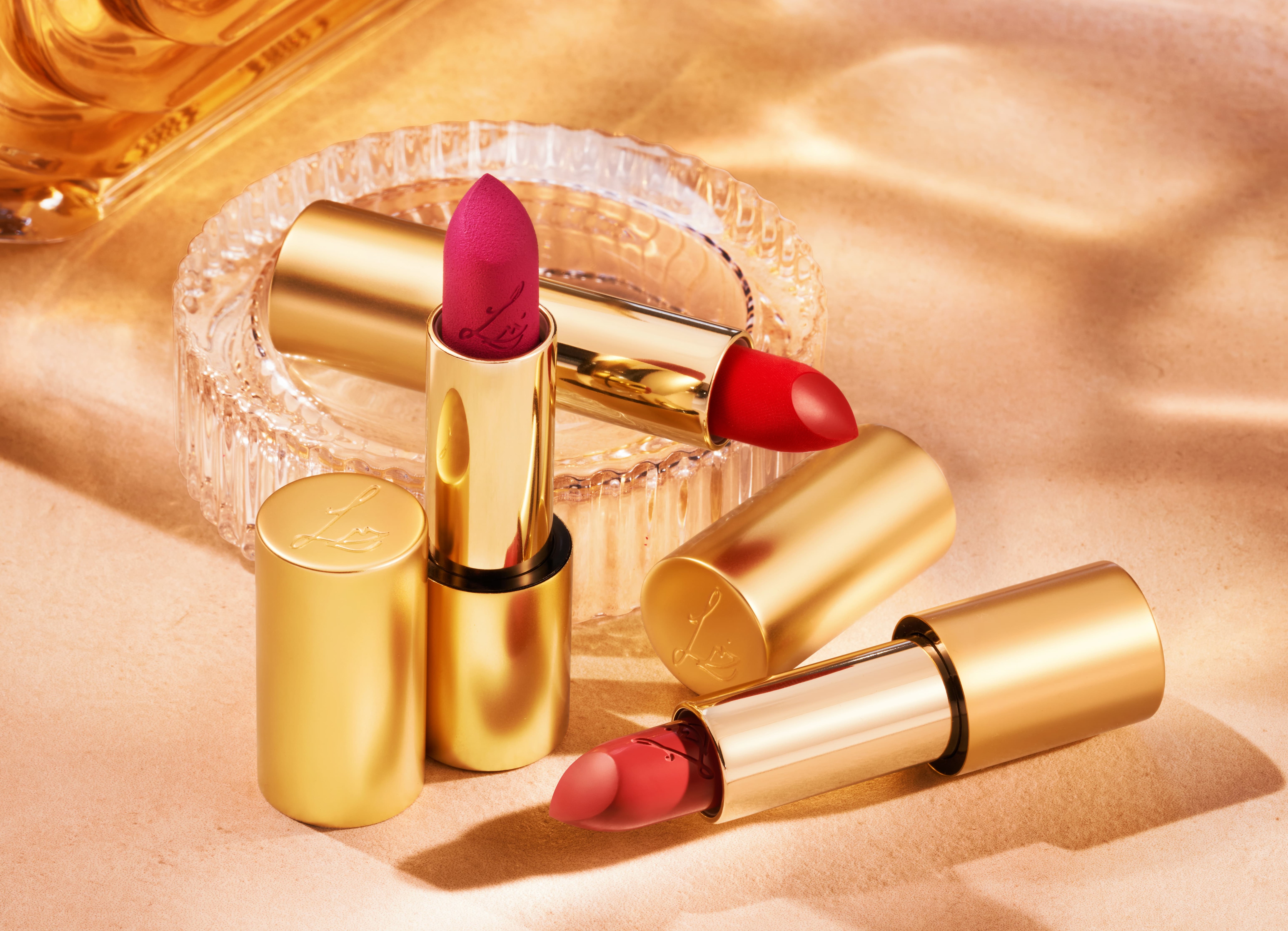
Transfer-Proof Bullet Lipsticks
Modern bullet lipsticks leverage wax-elastomer blends that mimic the comfort of traditional lipsticks while offering extended wear times. These formulas substitute heavy petrolatum or mineral oil bases with volatile silicone oils that evaporate slightly after application, locking the wax-pigment matrix onto the lips with a comfortable satin finish.
Lip Stains and Water Tints
Lip stains operate differently than topical film-formers. Instead of sitting on top of the stratum corneum, liquid lip tints contain water-soluble dyes that absorb directly into the outer layers of the lip mucosa. While they do not provide thick, opaque coverage, they offer a natural blush of color that will not smudge, flake, or transfer, making them ideal for low-maintenance daily wear.
Two-Step High-Shine Long-Wear Lipsticks
Two-step lip products solve the historical tradeoff between long wear and high shine. The base coat consists of a pigment-dense liquid formula rich in film-formers that dries completely matte. The second step is a clear, oil-based or silicone-based topcoat that adds gloss and moisture without dissolving the underlying film layer. Reapplying the clear topcoat throughout the day maintains the shine without disturbing the color beneath.
Essential Lip Prep Routine for Maximum Longevity
Even the highest-rated long-wear lipstick will fail if applied to dry, flaky, or uneven skin. Lip tissue lacks sebaceous glands, making it uniquely vulnerable to dehydration, roughness, and moisture loss. Proper preparation creates an even canvas for pigment adherence.
- Step 1: Chemical or Physical Exfoliation
- Step 2: Deep Hydration with Emollients
- Step 3: Complete Removal of Surface Oils (Blotting)
- Step 4: Lip Primer or Powder Barrier Application
Exfoliating the Lip Canvas
Applying film-forming lipsticks over dry flakes leads to uneven color accumulation, premature peeling, and exaggerated lip lines. Exfoliation removes dead keratinized cells from the lip surface.
- Physical Exfoliation: Use a gentle sugar scrub or a soft, damp microfiber cloth in light circular motions. Avoid harsh walnut shells or aggressive scrubbing, which can tear the fragile lip epithelium.
- Chemical Exfoliation: Products containing mild alpha-hydroxy acids (AHAs), such as lactic acid or mandelic acid, gently dissolve cellular bonds without friction, making them ideal for sensitive lips.
Hydration and Complete Moisture Absorption
After exfoliation, apply a deeply hydrating lip balm rich in humectants (like hyaluronic acid or glycerin) and occlusives (such as shea butter or squalane). Allow the balm to absorb fully into the tissue for 10 to 15 minutes while completing the rest of your makeup routine.
Crucial Application Rule: Before applying any long-wear lipstick, thoroughly blot off all excess balm with a tissue. Residual oils, petrolatum, or lip treatments will act as solvents, breaking down the lipstick's film-forming polymers and causing the product to slide off immediately.
Priming and Base Preparation
Lip primers act as a bridge between skin and color. They fill in fine micro-ridges along the lip contour, create a uniform grip for pigments, and prevent bleeding into fine lines around the mouth. If you do not own a specialized lip primer, applying a light dusting of translucent setting powder or a thin layer of soft-matte concealer across the lips serves as an effective alternative.
Step-by-Step Application Guide for All-Day Color
Achieving professional, long-lasting lip color requires a deliberate, layered application method rather than a single heavy swipe.
Step 1: Mapping the Border with Lip Liner
Lip liners contain higher proportions of hard waxes (such as paraffin or synthetic wax) and dry pigments than lipsticks, providing a structural barrier that prevents fluid formulas from feathering into peri-oral lines.
- Sharpen your lip liner pencil to ensure clean precision.
- Trace the Cupid's bow, forming a crisp "X" shape at the center of the upper lip.
- Outline the center of the bottom lip, establishing symmetry.
- Connect the outer corners of the mouth to the center guidelines using short, controlled strokes.
- Shade the entire lip area, not just the outer edge. Filling in the full body of the lips with liner ensures that even if your lipstick wears down in the center after eating, a matching base layer remains visible beneath.
Step 2: Applying Thin, Uniform Layers
The most common mistake when applying long-wear liquid lipsticks is applying a thick coat. Heavy layers create a rigid film that easily cracks, flakes, and feels uncomfortable.
- Wipe excess product off the wand applicator back into the bottle tube before touching your lips.
- Apply the lipstick starting from the center of the lips and working outward to the corners.
- Use light, sweeping motions to lay down an even, paper-thin layer of color.
- Keep your lips slightly parted during application to allow the liquid formula to reach into natural lip creases without gathering.
Step 3: Setting and Blotting Technique
To maximize longevity, employ the classic tissue-and-powder blotting technique:
- Allow the first thin layer of lipstick to dry completely (roughly 30 to 60 seconds).
- Separate a two-ply tissue so you are left with a single ultra-thin ply.
- Gently press the tissue against your lips.
- Dust a translucent loose setting powder over the tissue using a fluffy makeup brush. The tissue acts as a sieve, allowing micro-particles of silica or talc to set the lipstick base without altering its color.
- Apply a second paper-thin layer of lipstick if higher color intensity is desired.
Common Application Mistakes That Cause Feathering and Flaking
Understanding why long-wear formulas break down helps you troubleshoot issues during wear.
Applying Product Over Unblotted Lip Balm
Lip Balms, glosses, and facial oils break down synthetic resins. If you apply a long-wear formula over an oily surface, the film-formers cannot adhere to the skin, resulting in patchy application, reduced wear time, and severe transfer.
Pressing Lips Together While Drying
With traditional lipsticks, rubbing your lips together distributes color evenly. With volatile liquid lipsticks, pressing your lips together while the solvents are evaporating disturbs the polymer grid as it forms. This creates an uneven texture, sticky spots, and micro-tears in the color surface. Keep your mouth relaxed and slightly open until the formula sets completely.
Layering Too Much Product for Touch-Ups
When long-wear liquid lipsticks begin to fade—typically near the inner water line after eating—applying a fresh, thick layer over old, dried lipstick leads to immediate clumping and flaking. Instead, dab a small drop of lip oil or balm onto the inner fading area, wipe away the degraded lipstick with a napkin, apply a touch of liner, and reapply a thin layer only where needed.
How to Properly Remove Long-Wear Formulas Without Damaging Lips
Because high-durability lipsticks are engineered to resist water, friction, and saliva, removing them with standard water or harsh face wipes requires excessive scrubbing, which can damage the lip barrier and cause painful chapping.
The Power of Oil-Based Cleansers
The same principle that causes lipsticks to break down when exposed to greasy foods makes oil-based cleansers the safest, most efficient removal method. Hydrophobic film-formers readily dissolve in lipophilic substances.
- Cleansing Balms and Oils: Apply a nickel-sized amount of a solid cleansing balm or pure oil (such as jojoba, rosehip, or sweet almond oil) directly to dry lips. Massage in gentle circular motions for 30 to 45 seconds. The lipstick matrix will dissolve into a smooth fluid.
- Bi-Phase Makeup Removers: Shake a bi-phase eye and lip makeup remover to mix the water and silicone layers. Saturate a soft cotton pad, press it gently against your lips for 15 seconds to let the solvents break down the polymers, and wipe away in a single downwards motion.
Post-Removal Restoration Routine
After removing the long-wear formula, wash the area with a mild hydrator, then immediately apply a skin-barrier repair treatment containing ceramides, cholesterol, and free fatty acids. Applying a thick layer of a petrolatum-based ointment (such as Aquaphor or pure white petrolatum) overnight locks in moisture and repairs any micro-irritation caused by long wear.
Frequently Asked Questions
Why does my long-wear lipstick always flake off in the center of my lips?
Flaking in the center of the lips is usually caused by thick application, contact with dietary fats, or natural saliva interaction. The inner mucosa is wet and flexible; when heavy layers of non-flexible film-formers dry there, tissue movement breaks the polymer bonds, causing the product to crack and lift.
Can I apply lip gloss over a long-wearing matte lipstick?
Adding a standard lip gloss over a long-wearing liquid matte lipstick will break down the underlying resin network, compromising its transfer-proof properties. If you want a shiny finish that lasts, use a dedicated two-step lip product specifically engineered with a non-disruptive, silicone-based topcoat.
What ingredients should I look for if I have very dry lips but want long-lasting color?
Look for transfer-proof bullet lipsticks or satin-finish long-wear formulas containing dimethicone, hyaluronic acid spheres, jojoba esters, and vitamin E. Avoid high-concentration matte liquid formulas listing alcohol denat or pure isododecane as their primary ingredient without balancing emollients.
How do I prevent long-wear lipstick from bleeding into fine lines around my mouth?
To prevent feathering, use a clear or color-matched wax lip liner around the outer perimeter of your mouth before lipstick application. Additionally, avoid applying foundation or liquid concealer directly up to the lip border, as the oils in face makeup can draw the lipstick pigment outward into fine lines.
Choosing the Right Formula for Your Needs
Selecting the ideal long-wear lipstick comes down to your personal priorities: max longevity, comfort, or low-maintenance upkeep.
- For Maximum Wear Time (Events, Weddings, Long Shifts): Choose a high-pigment liquid matte formula paired with a dedicated lip primer and matching wax-based liner. Keep oily foods to a minimum during wear.
- For Daily Professional Wear: Opt for a modern transfer-proof bullet lipstick or a two-step glossy lip system. These offer 6 to 10 hours of wear while maintaining lip comfort and easy touch-up options.
- For Sensitive or Dry Lips: Stick to water-based lip stains topped with a non-greasy lip balm, or satin-finish bullet lipsticks that utilize flexible dimethicone elastomers rather than heavy drying resins.
By preparing your lips, choosing the right formula, and applying light layers, you can enjoy vibrant color that lasts all day without compromising skin health.