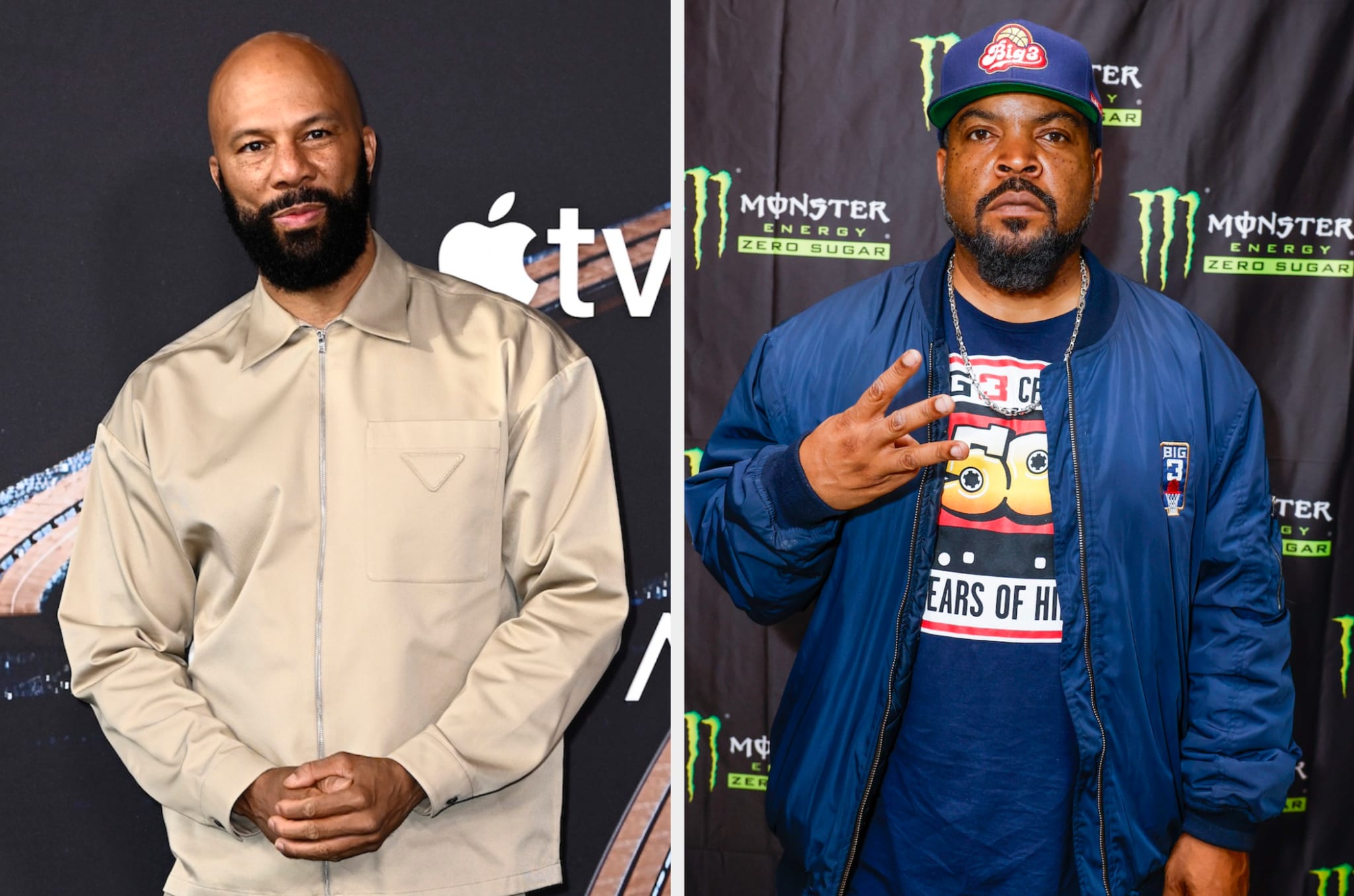
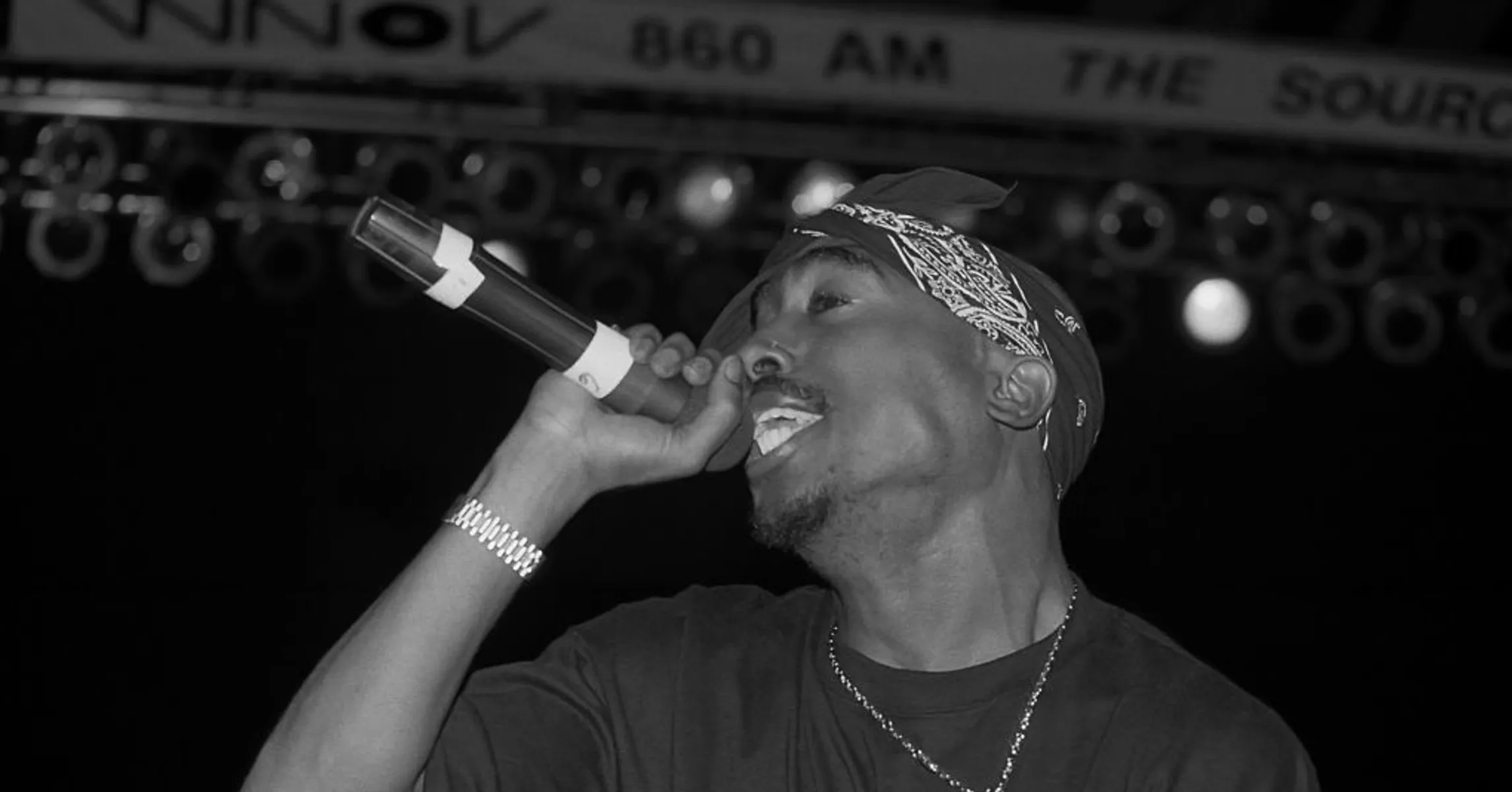
The hip-hop feud between Ice Cube and Common stands as one of the most significant lyrical battles in rap history. Originating in 1994 over a perceived regional slight in Common’s classic track "I Used to Love H.E.R.," the beef escalated into sharp dis tracks before culminating in a peaceful 1997 resolution mediated by Minister Louis Farrakhan.
Understanding the Roots: How "I Used to Love H.E.R." Sparked the Conflict
To fully understand the rift between Ice Cube (O'Shea Jackson Sr.) and Common (Lonnie Rashid Lynn, then performing as Common Sense), one must examine the socio-political climate of mid-1990s hip-hop. By 1994, West Coast G-funk—propelled by Death Row Records, Dr. Dre, Snoop Dogg, and Ice Cube's earlier pioneering work with N.W.A—dominated mainstream radio and record sales. Meanwhile, Chicago hip-hop was fighting for national visibility, positioned between the dominant hubs of New York and Los Angeles.
In late 1994, Common released "I Used to Love H.E.R." on his critically acclaimed second album, Resurrection. The song is widely celebrated as an extended metaphor in which Common personifies hip-hop culture as a woman he grew up loving. Through his lyrics, Common traced the evolution of the genre from its humble roots in the Bronx to its commercial boom and shift toward gangsta rap.
"I might have seen her in L.A., but she was actin' silly Startin' to smoke woolies and take off her clothes Five years ago, 60 minutes, she was cool Now she's got a lot of attitude..." — Common, "I Used to Love H.E.R." (1994)
Common’s narrative expressed concern over hip-hop becoming overly commercialized, violent, and fixated on street images. However, prominent West Coast figures—most notably Ice Cube—interpreted these lines as an elitist East/Midwest attack on West Coast rap culture. Ice Cube felt the song accused West Coast artists of ruining hip-hop's integrity by introducing gangsta tropes to the mainstream.
The Escalation: From Subliminal Shots to "Westside Slaughterhouse"
While Common maintained that "I Used to Love H.E.R." was a general critique of commercial exploitation rather than a direct disrespect toward Los Angeles artists, the tension quickly spilled over into record releases.
Ice Cube, who was forming the West Coast supergroup Westside Connection alongside Mack 10 and WC, chose to address Common directly on vinyl. The group aimed to assert West Coast dominance and push back against perceived disrespect from non-Western artists.
The Attack: "Westside Slaughterhouse" (1995)
The conflict officially turned hostile with the release of Mack 10’s self-titled 1995 track "Westside Slaughterhouse," featuring Ice Cube and WC. Ice Cube used his verse to launch direct lyrical assaults against Common, mocking his song title and questioning his street credibility.
Cube rapped:
"Used to love her, mad 'cause I fucked her / Pussy-whipped bitch with a gstring sticker..."
Ice Cube’s delivery was aggressive and uncompromising. He dismissed Common's conscious hip-hop persona as weak and asserted that West Coast hip-hop was driving the culture forward regardless of critics' complaints. By calling out Common directly, Ice Cube transformed a subtle ideological disagreement into an active beef.
Common’s Counter-Strike: "The Bitch in Yee"
After "Westside Slaughterhouse" dropped, many hip-hop observers assumed Common—known primarily for reflective, jazzy, conscious lyrics—would step back or be overwhelmed by Ice Cube’s legendary battle pedigree. Instead, Common delivered one of the most potent dis tracks in rap history: "The Bitch in Yee" (1996).
Produced by No I.D., "The Bitch in Yee" stripped away subtlety in favor of intense lyrical precision. Common targeted Ice Cube’s shifting public image, artistic trajectory, and personal authenticity.
Key Lyrical Attacks in "The Bitch in Yee":
- Questioning Authenticity: Common pointed out that Ice Cube grew up in suburban South Central neighborhoods rather than extreme poverty, rapping: "You ain't Boyz n the Hood, you boyz in the side street."
- Highlighting Image Shifts: Common highlighted Cube's transition from wearing heavy dashikis during his Nation of Islam-influenced era (Death Certificate) to wearing short pants and acting in Hollywood movies.
- Dissecting Westside Connection: Common accused Cube of using younger artists like Mack 10 to fight his battles while hiding behind his past credentials.
The track sampled Pete Rock’s production elements and utilized soundbites of Ice Cube’s own voice against him. Hip-hop critics widely praised "The Bitch in Yee" for its sharp writing, structural efficiency, and refusal to back down despite the intimidating stature of Westside Connection.
Historical Context: The 1990s Hip-Hop Regional Divide
The conflict between Ice Cube and Common did not happen in isolation. It played out against the backdrop of the broader, increasingly volatile East Coast–West Coast hip-hop rivalry of the mid-1990s.
- 1994: Common releases "I Used to Love H.E.R."
- 1995: Ice Cube & Mack 10 release "Westside Slaughterhouse"
- 1996: Common responds with "The Bitch in Yee"
- Sept 1996 / Mar 1997: Tragic deaths of Tupac Shakur & The Notorious B.I.G.
- April 1997: Peace Summit led by Minister Louis Farrakhan resolves the feud
During this era, regional tensions were fueled by media sensationalism, commercial competition, and personal disputes. The feud between Bad Boy Records (East Coast) and Death Row Records (West Coast) created an atmosphere where lyrical rivalries carried real-world danger.
Because Common was based in Chicago, his perspective represented a burgeoning Midwest voice that refused to be subordinated by either coastal authority. However, as regional hostility escalated nationwide, the potential for non-musical confrontation grew increasingly hazardous, leading key community leaders to step in.
The 1997 Peace Summit and Resolution
The atmosphere in hip-hop shifted dramatically following the tragic murders of Tupac Shakur in September 1996 and The Notorious B.I.G. in March 1997. The loss of two of the genre's largest figures forced artists, executives, and community organizers to reckon with the real-world consequences of unrestrained feuds.
In April 1997, Minister Louis Farrakhan convened a national Hip-Hop Peace Summit at Mosque Maryam (the Nation of Islam headquarters) in Chicago. The gathering brought together prominent rappers, managers, and producers from across the country to call for unity, squashing active rivalries and setting boundaries for conflict resolution.
| Feature / Metric | Ice Cube (Westside Connection) | Common (Common Sense) |
|---|---|---|
| Origin Hub | Los Angeles, California (West Coast) | Chicago, Illinois (Midwest) |
| Primary Catalyst Track | "Westside Slaughterhouse" (1995) | "I Used to Love H.E.R." (1994) |
| Dedicated Dis Track | "Westside Slaughterhouse" | "The Bitch in Yee" (1996) |
| Core Argument | Defense of West Coast rap culture against perceived elitism | Defense of hip-hop's core elements against commercialization |
| Producer of Response | Mack 10 / Westside Connection | No I.D. |
| Resolution Agent | Nation of Islam Peace Summit (April 1997) | Nation of Islam Peace Summit (April 1997) |
| Post-Feud Status | Reconciled; Collaborative professional relationship | Reconciled; Collaborative professional relationship |
At this summit, Ice Cube and Common met face-to-face. Both artists acknowledged the misunderstandings that had sparked the feud, agreed to end the lyrical warfare, and embraced publicly. They pledged to stop performing their respective dis tracks live and commit to promoting regional respect within the culture.
Long-Term Legacy and Subsequent Collaborations
Unlike feuds that left long-term bitterness or spiraled into physical violence, the resolution between Ice Cube and Common became a model for conflict management in entertainment. Both artists went on to achieve massive success not only in music, but also as respected Hollywood actors, producers, and entrepreneurs.
Years after the beef was settled, the two artists collaborated professionally. A notable milestone occurred in 2016, when Common joined the cast of Ice Cube’s hit film franchise Barbershop: The Next Cut.
"Feuds in hip-hop are common, but showing how to end them with dignity is what leaves a lasting mark. Cube and I squashed our issues because we understood the bigger picture of hip-hop unity." — Retrospective reflection on the feud's resolution
To accompany the movie's soundtrack, Ice Cube and Common recorded the joint track "Real People" (2016). The song explicitly addressed their past conflict, celebrating their growth from rival rappers to united leaders in African American cinema and music.
Key Takeaways for Studying Hip-Hop Feuds
For music historians, artists, and cultural analysts, the Ice Cube and Common conflict provides several valuable lessons regarding lyrical rivalries:
- Misinterpretation Can Trigger Escalation: A metaphor intended as cultural commentary ("I Used to Love H.E.R.") can easily be perceived as a targeted insult when regional tensions are high.
- Lyrical Quality Over Size: Common proved that an artist with a smaller commercial footprint can effectively hold their ground against a megastar through sharp writing and authenticity.
- The Importance of Intervention: Community mediation, such as the 1997 Peace Summit, showed that leadership outside the record labels can successfully diffuse conflicts before they become unsafe.
- Professional Growth Beyond Feuds: Ending a dispute opens the door for high-value future partnerships, creative freedom, and shared economic opportunities.
Frequently Asked Questions
Did Ice Cube and Common ever physically fight during their beef?
No. The conflict between Ice Cube and Common remained entirely musical and verbal, playout out on wax and in media interviews. There were no documented physical altercations between their camps prior to their 1997 peace resolution.
Why did Ice Cube take "I Used to Love H.E.R." personally?
Ice Cube felt that Common’s lyrics describing hip-hop moving to L.A., smoking "woolies," and adopting a violent attitude were a direct indictment of the West Coast gangsta rap movement that Cube helped pioneer with N.W.A and his solo work.
Who produced Common's dis track "The Bitch in Yee"?
"The Bitch in Yee" was produced by Dion Wilson, professionally known as No I.D. He crafted a hard-hitting beat tailored specifically to complement Common's aggressive, direct lyrical delivery.
Where was the peace agreement between Ice Cube and Common signed or agreed upon?
The reconciliation took place in Chicago, Illinois, at Mosque Maryam (the Nation of Islam headquarters) during a national Hip-Hop Peace Summit organized by Minister Louis Farrakhan in April 1997.
What song did Ice Cube and Common record together after resolving their beef?
Ice Cube and Common recorded the song "Real People" in 2016 for the soundtrack of the film Barbershop: The Next Cut, in which both artists co-starred.