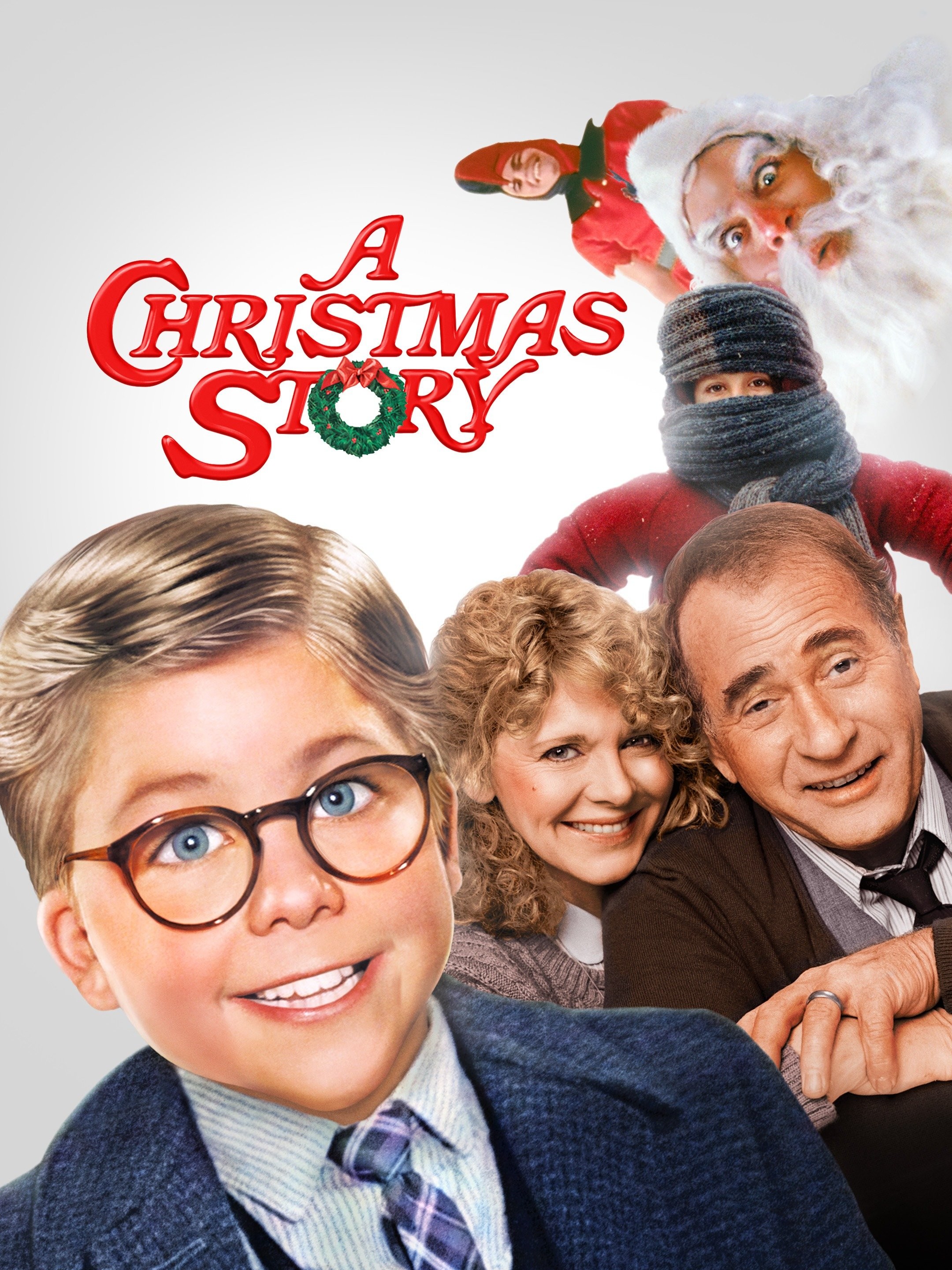
A Christmas Story is a seminal 1983 holiday comedy film directed by Bob Clark, based on Jean Shepherd's semi-autobiographical anecdotes. Centered on young Ralphie Parker’s desperate quest for a Red Ryder BB gun in 1940s Indiana, the film has evolved from a modest theatrical release into a cornerstone of American Christmas tradition and pop culture.
The Literary Origins and Development of Hohman, Indiana
The foundation of A Christmas Story lies not in a screenplay, but in the rich, satirical radio monologues and short stories of Jean Shepherd. Shepherd, a legendary radio personality, published a series of loosely connected vignettes in Playboy magazine during the 1960s, which were later compiled into the book In God We Trust: All Others Pay Cash (1966). These stories focused on a fictionalized version of Shepherd’s upbringing in Hammond, Indiana, renamed "Hohman" in the film—a nod to Hohman Avenue, a major thoroughfare in his hometown.
Director Bob Clark, known at the time for the horror film Black Christmas and the raunchy comedy Porky’s, reportedly heard Shepherd’s narration on the radio while driving and became obsessed with bringing the stories to the screen. It took Clark nearly a decade to secure funding and studio interest, as many executives found the episodic, nostalgic nature of the material too niche for a wide audience. Shepherd co-wrote the screenplay with Clark and Leigh Brown, ensuring that his distinct narrative voice—characterized by hyperbole, cynical wit, and deep-seated childhood yearning—remained the film's backbone.
The setting of 1940s Indiana serves as more than just a backdrop; it functions as a character in itself. The era’s specific social pressures, the post-Depression domestic economy, and the looming shadow of World War II (hinted at by the radio programs Ralphie listens to) provide a grounded reality that contrasts with the exaggerated, almost mythic quality of Ralphie’s childhood memories.
Iconic Characters and the Subversion of the Holiday Genre
One reason A Christmas Story resonates in 2026 as strongly as it did forty years ago is its refusal to rely on the saccharine sentimentality typical of the holiday genre. Instead, it portrays the "American Family" with a mix of grit and affection.
Ralphie Parker: The Everychild
Peter Billingsley’s portrayal of Ralphie Parker is masterclass in understated comedic acting. Unlike the precocious children often seen in modern cinema, Ralphie is a realistic child: he is manipulative when necessary, prone to daydreaming, and consumed by a singular, materialistic desire. His quest for the "Official Red Ryder carbine-action, 200-shot, range model air rifle" is a universal proxy for the high-stakes desires of childhood.
The Old Man and Mrs. Parker
The parents, played by Darren McGavin and Melinda Dillon, represent the archetypal mid-century couple. The "Old Man" is a quintessential "blue-collar warrior," engaged in an endless battle with a malfunctioning furnace and the neighborhood "Bumping hounds." His gruff exterior hides a genuine, if awkwardly expressed, affection for his family—culminating in the surprise gift of the BB gun. Mrs. Parker, meanwhile, acts as the glue of the household, managing her husband’s temper and her sons’ safety with quiet pragmatism, most famously evidenced by her warning: "You'll shoot your eye out."
Scut Farkus and the Schoolyard Dynamics
The film’s depiction of bullying through Scut Farkus (Zack Ward) and his "toady" Grover Dill captures the genuine fear and hierarchy of the 1940s schoolyard. The climactic fight, where Ralphie finally snaps, is often cited by psychologists and film critics as a rare, honest depiction of the release of childhood frustration, devoid of the "moral of the story" lecturing found in lesser films.
Production Design and Filming Locations
While the story is set in Indiana, the filming of A Christmas Story took place largely in Cleveland, Ohio, and Toronto, Ontario. This dual-location strategy was necessitated by the need for specific architectural styles and snowy conditions.
The most famous location is the Parker house, located at 3159 W 11th St, Cleveland, OH 44109. The house was chosen because of its proximity to the Higbee’s department store, which allowed the production to film Ralphie’s visit to Santa in a real retail environment. Higbee’s was a landmark in Cleveland, and the store’s management famously allowed the crew to film inside after-hours, provided the production maintained the store’s dignity.
In Toronto, the production utilized various streetscapes and the Victoria School to capture the 1940s aesthetic. The interior shots of the Parker house were filmed on soundstages, but the Cleveland house has since been restored to match the movie's interior perfectly. As of 2026, the A Christmas Story House & Museum remains a premier tourist destination, allowing fans to see the original "major award" (the leg lamp), Ralphie’s snowsuit, and other props.
The Cultural Phenomenon: From Box Office to 24-Hour Marathons
Upon its release in November 1983, A Christmas Story was a moderate success, earning about $19 million against a $3.3 million budget. It was well-received by critics but did not immediately become the juggernaut it is today. Its transformation into a holiday essential occurred primarily through the medium of television.
In the late 1980s and early 1990s, the film began appearing regularly on cable networks like SuperStation TBS and TNT. In 1997, TNT launched the "24 Hours of A Christmas Story" marathon, airing the film back-to-back from Christmas Eve through Christmas Day. This programming stunt became a ratings goldmine and a generational tradition. Families began leaving the film on in the background during their holiday festivities, allowing the dialogue—from "I double-dog-dare you" to "Fragile... must be Italian"—to seep into the American vernacular.
In 2012, the film was selected for preservation in the National Film Registry by the Library of Congress for being "culturally, historically, or aesthetically significant," cementing its status alongside cinema greats like Casablanca and The Godfather.
Sequels, Spin-offs, and the 2022 Revival
The legacy of A Christmas Story has spawned several attempts to capture the same magic, with varying degrees of success.
- My Summer Story (1994): Originally titled It Runs in the Family, this film featured a different cast (including Kieran Culkin as Ralphie) but was directed by Bob Clark and narrated by Jean Shepherd. It failed to reach the same heights as the original.
- A Christmas Story 2 (2012): A direct-to-video sequel that was widely panned by critics and fans for failing to capture the tone of the original.
- A Christmas Story Christmas (2022): This HBO Max (now Max) original film saw the return of Peter Billingsley as an adult Ralphie in the 1970s. It was praised for its emotional depth, returning cast members (including Ian Petrella, Zack Ward, and Scott Schwartz), and its respectful treatment of the late Darren McGavin’s "Old Man" character.
Comparison of the Major Installments
| Feature | A Christmas Story (1983) | A Christmas Story Christmas (2022) |
|---|---|---|
| Director | Bob Clark | Clay Kaytis |
| Setting | 1940, Hohman, IN | 1973, Hohman, IN |
| Protagonist | Ralphie (Child) | Ralphie (Adult/Father) |
| Primary Theme | The anticipation of childhood | The pressure of holiday parenthood |
| Key Prop | Red Ryder BB Gun | A written tribute to the "Old Man" |
| Narrator | Jean Shepherd | Peter Billingsley (in Shepherd's style) |
Technical Specifications and Collectibles
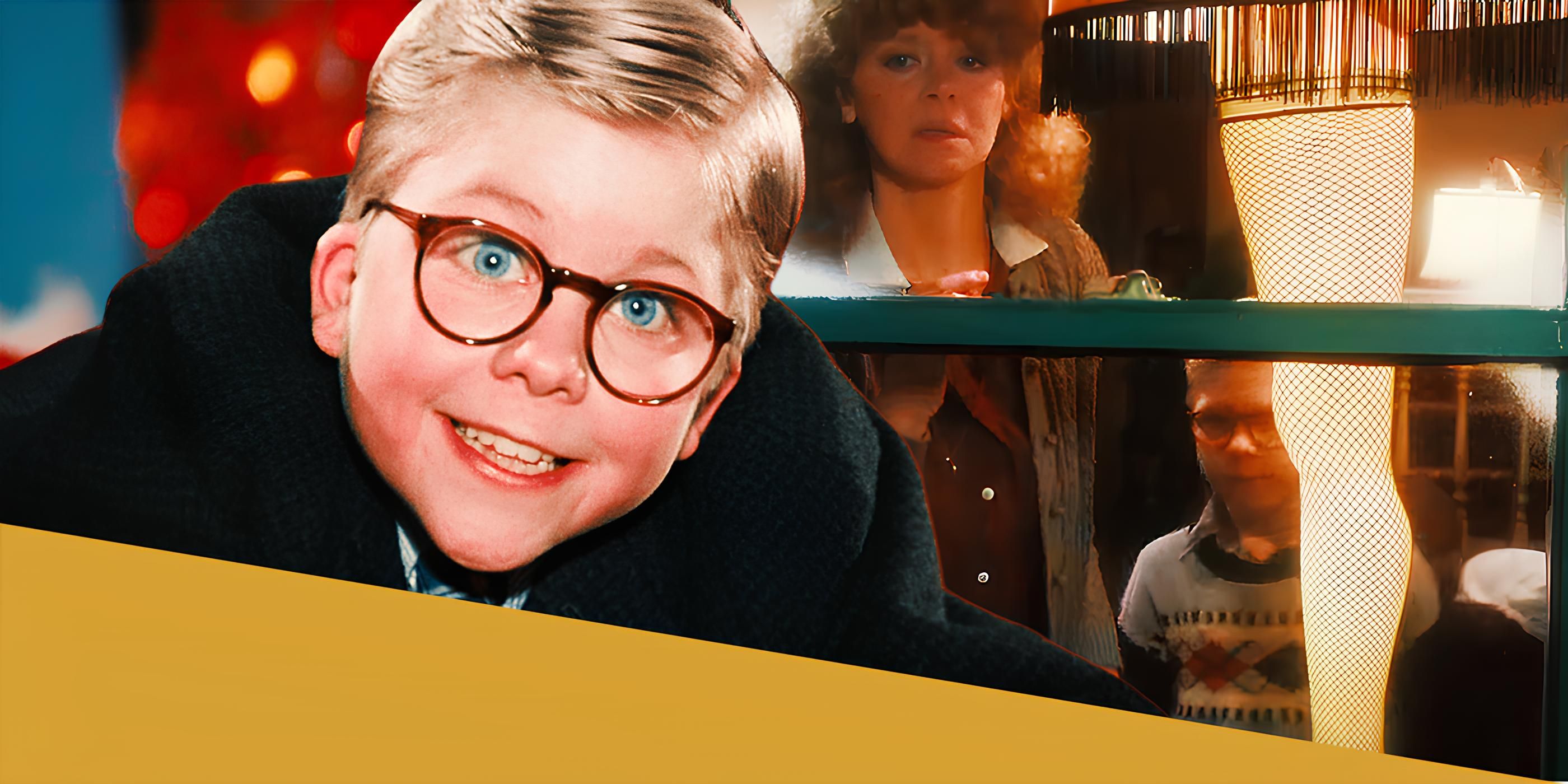
For enthusiasts and collectors in 2026, the iconography of the film has become a cottage industry. The most recognizable item is undoubtedly the "Leg Lamp," modeled after a design described in Jean Shepherd’s stories. The original prop used in the film was reportedly broken during production, but high-quality replicas are sold in various sizes, ranging from desk ornaments to full-sized floor lamps.
The Red Ryder BB Gun also remains a major point of interest. Daisy Outdoor Products, the manufacturer of the Red Ryder, has released several anniversary editions of the air rifle. While the "range model" with a compass and sundial was a fictional invention for the film, Daisy has produced commemorative versions that include these features for collectors.
How to Verify Authentic Memorabilia
- COA (Certificate of Authenticity): Ensure any prop or signed item comes from a reputable house like Heritage Auctions or Profiles in History.
- Manufacturer Branding: Official merchandise is usually licensed through Warner Bros. Discovery.
- Material Inspection: Original 1983 props are rarely on the open market; most items sold today are high-quality reproductions from the Cleveland museum.
Frequently Asked Questions
Where can I watch "A Christmas Story" in 2026?
As of 2026, the film is primarily available for streaming on Max (the service from Warner Bros. Discovery), which holds the permanent distribution rights. It is also available for digital purchase on platforms like Amazon Prime Video, Apple TV, and Vudu. The annual 24-hour marathon tradition continues on the TBS and TNT cable networks.
Was the tongue-on-the-flagpole scene real?
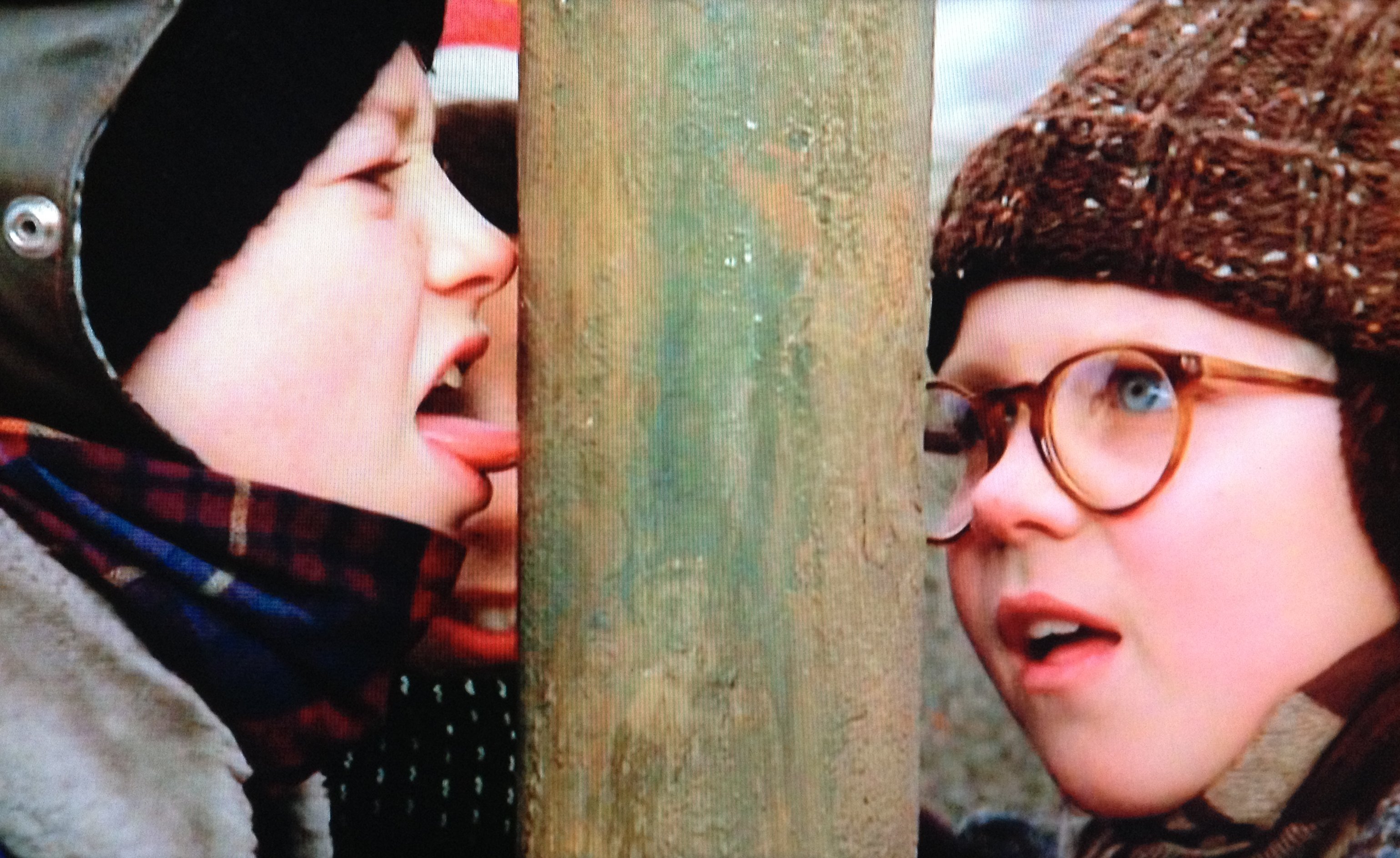
The "Triple Dog Dare" scene was filmed using a hidden suction tube to create the illusion that Flick’s (Scott Schwartz) tongue was frozen to the metal pole. In reality, a person's tongue can indeed freeze to cold metal via thermal conduction, which pulls heat away from the moisture on the tongue faster than the body can replace it. This is a legitimate safety hazard, and viewers are strongly advised not to attempt it.
Why did the film change the name of the town to Hohman?
While Jean Shepherd grew up in Hammond, Indiana, he used "Hohman" in his stories as a fictionalized version of his life. Hohman was actually the name of a major street in Hammond. By using a pseudonym for the town, Shepherd was able to take greater creative liberties with his childhood memories while still maintaining a sense of regional authenticity.
Is the house in Cleveland the actual house from the movie?
Yes, the exterior of the house at 3159 W 11th St was used for all the outdoor shots of the Parker home. After the film, it fell into disrepair until it was purchased in 2004 by Brian Jones, a fan who used profits from his leg-lamp business to buy and restore it. He gutted the interior to make it match the floor plan seen in the film, creating a "living movie" experience for visitors.
Did Peter Billingsley continue acting after the film?
After playing Ralphie, Peter Billingsley transitioned into a successful career as a producer and director. He maintained a close relationship with Jon Favreau and served as an executive producer on films like Iron Man (2008) and Four Christmases. His return to the role of Ralphie in 2022 marked a significant homecoming for the actor, who has long embraced his legacy as the face of the film.
Where to Experience the Legacy Today
For those looking to engage with A Christmas Story beyond the screen, a visit to the Cleveland museum is the definitive next step. The site includes the Parker house, a museum across the street housing original props and costumes, and a gift shop. In 2026, the museum remains open year-round, though tickets for the Christmas season often sell out months in advance.
Additionally, fans can explore the literary roots of the film by reading Jean Shepherd's original collections. In God We Trust: All Others Pay Cash and Wanda Hickey's Night of Golden Memories provide a deeper, often more cynical look at the characters of Ralphie, the Old Man, and the Midwestern environment that shaped them. Understanding the source material enriches the viewing experience, highlighting the masterful way Bob Clark translated Shepherd's complex prose into a visual masterpiece that continues to define the holiday season for millions.