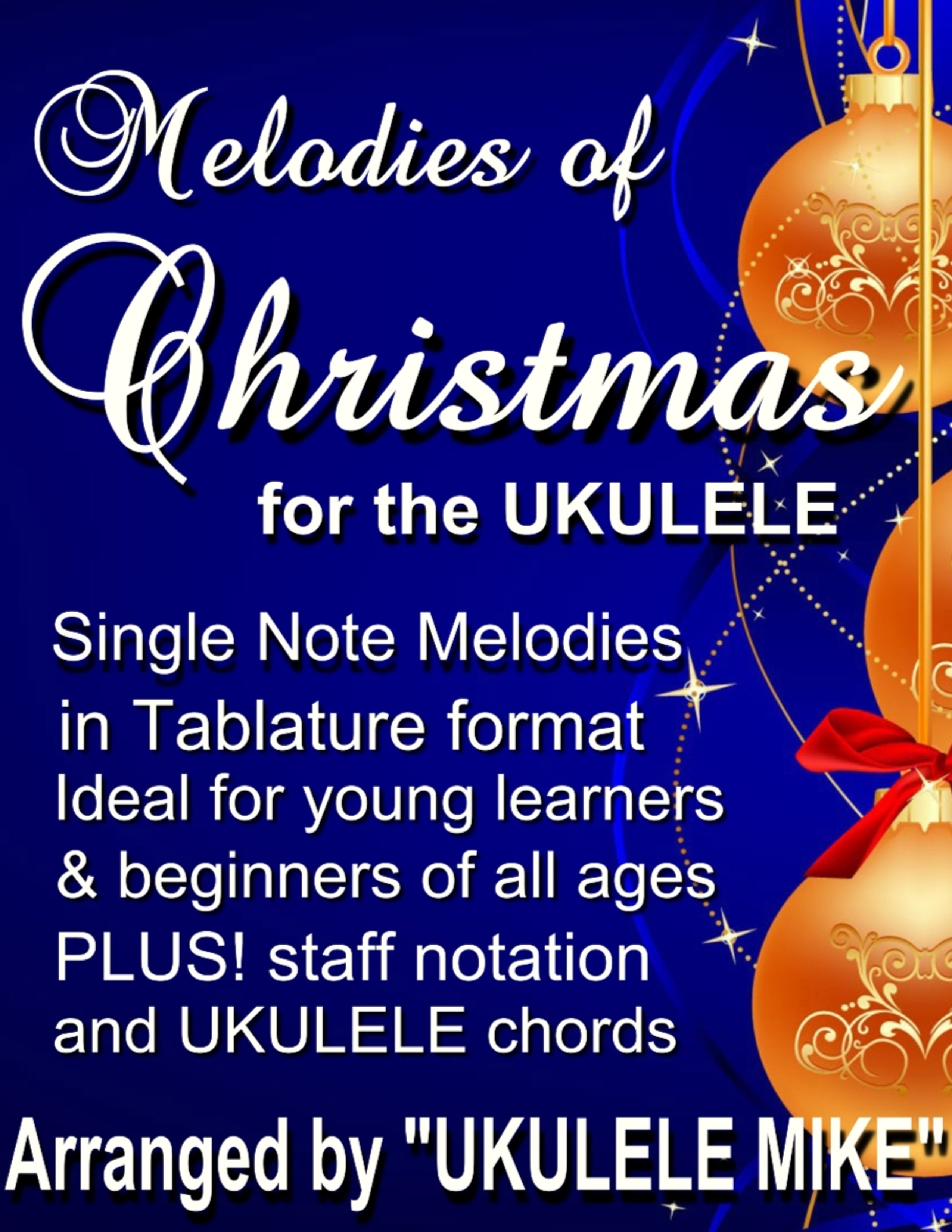
A Christmas serenade represents a curated collection of festive melodies designed to enhance the holiday atmosphere through specialized musical arrangements. These compositions range from classical orchestral suites to intimate choral performances, all unified by their goal of evoking warmth, nostalgia, and celebration during the winter months of the 2026 holiday season.
The tradition of the "serenade"—originally a musical greeting performed for a lover or dignitary—has evolved into a broader cultural phenomenon during the Christmas season. Today, a Christmas serenade is less about a single performer under a balcony and more about the atmospheric "soundscape" that defines our public and private spaces. Whether it is the soaring strings of a symphony orchestra or the delicate tinkling of a piano, these festive melodies serve as the emotional backbone of the holidays. To understand the impact of these melodies, one must look at the technical composition, the historical roots, and the practical application of holiday music in modern settings.
The Evolution of Festive Serenades and Holiday Melodies
The historical trajectory of Christmas music is a journey from the sacred to the secular and back again. In the early centuries, Christmas melodies were almost exclusively liturgical—plainchant and hymns intended for the church. However, by the late Middle Ages, the "serenade" began to take a more public form through caroling and "wassailing." In 2026, we see a resurgence of these traditional roots blended with sophisticated modern production.
The word "serenade" comes from the Italian serenata, meaning "calm" or "evening." This fits the Christmas context perfectly, as many of the most beloved festive melodies are designed for the quiet, reflective hours of winter evenings. During the Victorian era, the concept of the Christmas serenade became formalized with the publication of carol books and the rise of brass bands that would perform in town squares. This era cemented the "brass and bell" sound that remains a staple of festive melodies today.
In the mid-20th century, the serenade underwent a digital and cinematic transformation. Hollywood and the burgeoning recording industry introduced a lush, "Wall of Sound" approach to holiday music. This era gave us the orchestral sweeps and jazz-influenced harmonies that define the "classic" American Christmas sound. As we navigate the 2026 season, the Christmas serenade has become a hybrid of these influences, utilizing high-fidelity digital recording to preserve the organic warmth of acoustic instruments.
Technical Elements of the Christmas Soundscape
What makes a melody sound "festive"? There are specific musicological and technical elements that composers and producers use to trigger the "Christmas feeling." Understanding these can help enthusiasts and event planners select the right music for their specific needs.
Harmonic Structures and Instrumentation
Festive melodies often utilize specific harmonic devices. One of the most famous is the "minor subdominant" chord (the iv chord), often used in songs like "White Christmas" to create a sense of bittersweet nostalgia. Furthermore, the use of a major seventh chord adds a "sparkle" or "dreamy" quality that is frequently associated with falling snow and cozy interiors.
In terms of instrumentation, several "signature" sounds define the Christmas serenade:
- The Celeste and Glockenspiel: These pitched percussion instruments provide a "toy-like" or magical sound, most famously heard in Tchaikovsky’s The Nutcracker.
- Sleigh Bells: Technically known as jingle bells, these are used as a rhythmic driver to immediately signal the holiday theme to the listener’s brain.
- Brass Ensembles: Trumpets and French horns are used to convey the "royalty" and "grandeur" of the season, particularly in sacred or celebratory pieces.
- Acoustic Harp: Used in more intimate serenades to provide a delicate, ethereal background.
Arrangement and Pacing
The arrangement of a Christmas serenade is just as important as the melody itself. For a relaxing home environment, arrangements are often "legato" (smooth and connected), featuring long string lines and gentle piano accompaniment. For public celebrations or retail environments, the arrangements are often "staccato" (short and detached) with bright tempos to keep energy levels high. In 2026, spatial audio (Dolby Atmos) has become a standard requirement for high-end Christmas serenades, allowing listeners to feel as though they are sitting in the middle of a cathedral or a concert hall.
Categorizing Festive Melodies by Style and Intent
Not all Christmas serenades are created equal. Depending on the setting—be it a formal dinner, a quiet evening by the fire, or a lively holiday party—the choice of melody style is critical.
| Style Category | Primary Instruments | Best For | Technical Feel |
|---|---|---|---|
| Orchestral/Classical | Full strings, woodwinds, brass | Formal events, gala dinners | Grand, cinematic, and timeless |
| Choral/Traditional | Human voices, organ, piano | Religious services, traditional gatherings | Pure, reverent, and nostalgic |
| Jazz/Lounge | Saxophone, brushed drums, upright bass | Cocktail hours, sophisticated parties | Smooth, syncopated, and warm |
| Acoustic/Folk | Guitar, mandolin, light percussion | Small family gatherings, rustic settings | Intimate, raw, and grounded |
| Ambient/Lo-Fi | Synthesizers, soft piano, digital beats | Studying, working, or background sleep | Minimalist, repetitive, and calming |
Classical Suites and Orchestral Masterpieces
For many, the definitive Christmas serenade is found in the works of classical masters. Tchaikovsky’s The Nutcracker Suite remains the gold standard for festive melodies, offering a variety of moods from the brisk "March" to the ethereal "Dance of the Sugar Plum Fairy." Handel’s Messiah, while technically an oratorio for Easter, has become an inseparable part of the Christmas serenade repertoire, specifically the "Hallelujah Chorus." These works require high-dynamic-range audio equipment to fully appreciate the interplay between the quietest flute solos and the loudest choral crescendos.
The Rise of Modern Ambient Serenades
In the current 2026 landscape, there has been a significant shift toward "Ambient Christmas" music. These are festive melodies stripped of their lyrics and heavy percussion, focusing instead on long-form piano improvisations or soft synth pads. These are ideal for digital-first audiences who want the feeling of Christmas without the distraction of "Jingle Bells" lyrics. These serenades often loop for hours, providing a consistent "vibe" rather than a structured concert experience.
Practical Guide: Creating Your Own Christmas Serenade
Creating a festive atmosphere requires more than just hitting "play" on a random playlist. To curate a true Christmas serenade, one must consider the flow of the evening and the acoustic properties of the room.
Step 1: Defining the Narrative Arc
A good serenade should have a beginning, middle, and end. Start with low-energy, instrumental pieces as guests arrive. This allows for conversation without competing with the music. As the evening progresses, move into more recognizable melodies with vocal performances. Finally, end with "hush" music—slower, more reflective carols that signal the conclusion of the festivities.
Step 2: Optimizing Sound Placement
In a residential setting, avoid placing speakers at ear level in small rooms, as this can be abrasive. Instead, use multiple low-volume sources to create an "immersive wash" of sound. For 2026, smart home integration allows for multi-room synchronization, ensuring that the festive melodies follow the movement of people throughout the house without interruption or "echo" lag.
Step 3: Managing Licensing for Public Use
If you are playing a Christmas serenade in a commercial space, such as a café or a boutique, remember that you must adhere to local copyright laws. In most jurisdictions, a standard consumer streaming account does not cover public performance. Using licensed "background music" providers ensures that the artists and composers behind these festive melodies are compensated, which is a vital part of maintaining the music industry's health.
The Impact of High-Resolution Audio in 2026
The year 2026 has seen a massive push toward "Lossless" and "High-Resolution" audio in holiday music. Because many festive melodies rely on subtle textures—the breath of a flutist, the mechanical click of a piano key, or the natural reverb of a stone church—low-quality MP3s often strip away the "magic."
When selecting a Christmas serenade, look for sources that offer at least 24-bit/96kHz quality. This technical depth ensures that the higher frequencies of the bells and the deep resonances of the cello are preserved. For audiophiles, the 2026 season has also seen a revival of vinyl records for holiday music, as the "analog warmth" of a needle on a groove complements the "warmth" of the holiday season perfectly.
Frequently Asked Questions
What is the difference between a carol and a Christmas serenade?
A carol is a specific type of song, usually with lyrics, that tells a story or offers a religious message. A Christmas serenade is a broader term for a curated performance or collection of festive melodies, which may include carols, instrumental pieces, and contemporary orchestral works, arranged to create a specific atmosphere.
Are there royalty-free Christmas melodies for content creators?
Yes, many classical Christmas melodies (like "Silent Night" or "Deck the Halls") are in the public domain because of their age. However, specific recordings of these songs are usually copyrighted. Creators in 2026 often use "Creative Commons" or royalty-free libraries to find festive melodies that can be used in videos or podcasts without triggering copyright strikes.
Which instruments are most associated with a "serenade" style?
Traditionally, the guitar, flute, and violin are the primary instruments of a serenade because they are portable and capable of "singing" melodic lines. In a Christmas context, the piano and the harp are often added to provide the "icy" or "shimmering" textures associated with winter.
How long should a typical Christmas serenade playlist be?
For a standard holiday gathering, a playlist should be at least three to four hours long to avoid repetition. In the 2026 streaming era, many curated "Serenade" collections offer 8 to 12 hours of continuous music, specifically designed to last an entire work day or an extended family dinner.
Why does festive music often feature bells?
Bells have a historical connection to church towers announcing the start of Christmas services. Musically, bells (glockenspiels, chimes, and sleigh bells) occupy a high-frequency range that cuts through other instruments, adding a "brightness" or "shimmer" that humans psychologically associate with light, stars, and celebration.
Recommended Next Actions for the 2026 Season
To fully embrace the beauty of a Christmas serenade this year, consider moving beyond standard radio play. Begin by auditing your current sound system; even a mid-range soundbar or a pair of high-quality bookshelf speakers can drastically improve the emotional impact of orchestral holiday music.
Next, seek out live performances in your local community. While digital recordings are technically perfect, the "serenade" was always intended to be a live interaction. Attending a local cathedral’s "Lessons and Carols" or a regional symphony’s "Pops" concert provides a level of acoustic resonance and shared community experience that digital files cannot replicate. Finally, take the time to curate a "personal" serenade list—one that mixes your family’s traditional favorites with new instrumental discoveries from 2026—to create a unique soundtrack for your holiday memories.